
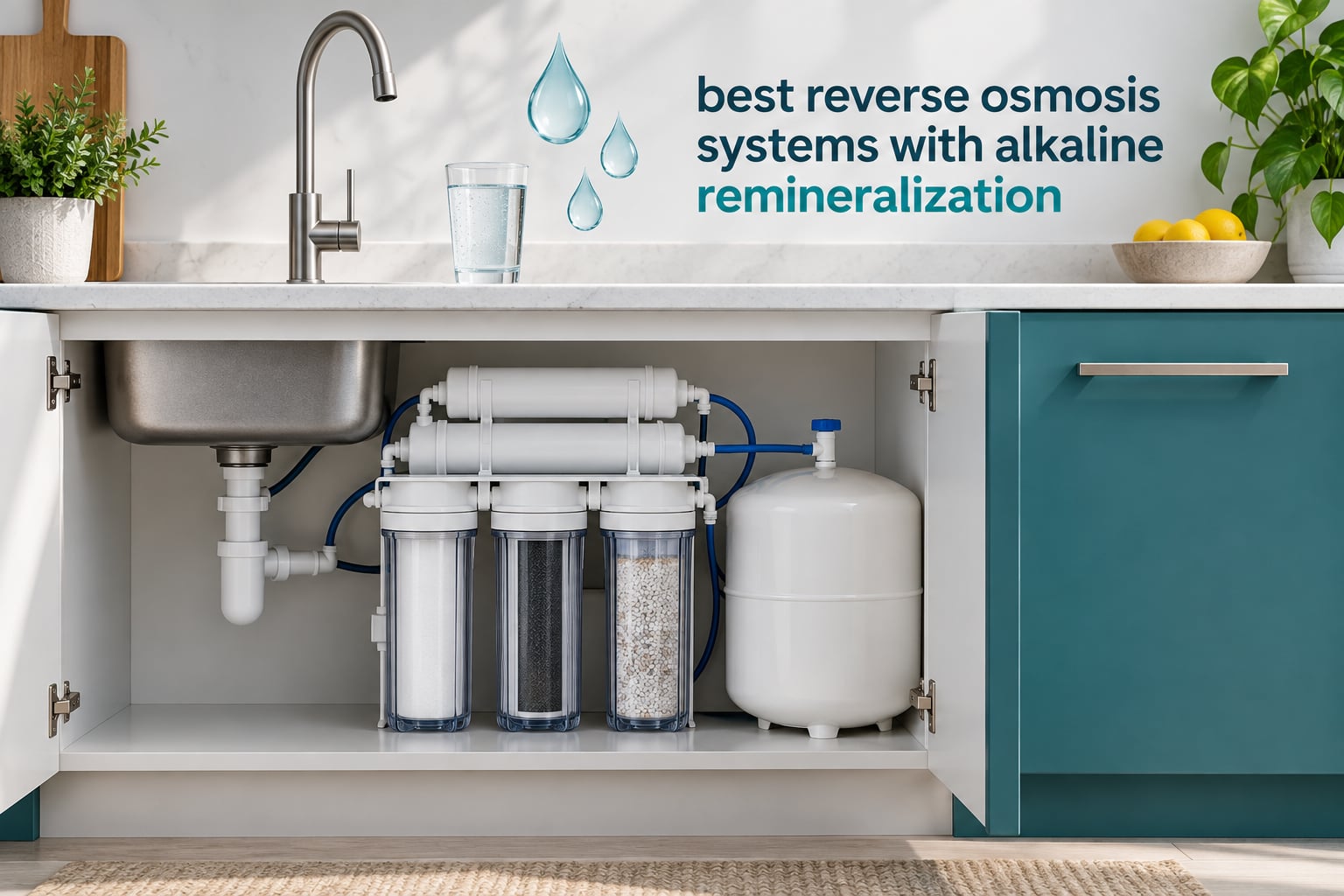
Reverse osmosis is the most thorough drinking water filter you can put under a sink, and it is also the only one that strips nearly every mineral out of the finished water. What comes out of a bare membrane tastes flat and slightly acidic, which is exactly why alkaline remineralization exists as a category. If you are searching for the best reverse osmosis systems with alkaline remineralization, the deciding factor is not the filter count on the box. It is whether the mineral stage actually names what it adds, whether the whole system carries NSF/ANSI 58 certification, and whether the tank or tankless layout fits the cabinet you have.
Our team spent six weeks reading certification reports, install manuals, spec sheets and owner feedback on ten under-sink systems that all ship with a built-in mineral or alkaline stage. Every product below includes that stage in the box, so none of them needs a separate add-on cartridge to make the water taste like something other than distilled water. We compared them on contaminant reduction claims, certifications, output in gallons per day, pure-to-waste ratio, mineral profile, service interval, warranty length and the physical space each one demands.
The short version: the iSpring RCC7AK-BN is the pick we would install in our own kitchen, because it has the deepest owner history and a transparent filter housing. The Frizzlife PD600-TAM3 is the one to buy if cabinet space is tight and you want real flow. The APEC ROES-PH75 remains the sensible choice for anyone who wants a proven alkaline design with widely available filters. If you are still deciding between formats, start with our broader remineralization guide, then come back here for the model-by-model detail.
Top 3 Picks for Alkaline RO Water in 2026

iSpring RCC7AK-BN
- 6 stages with alkaline AK mineral stage
- NSF/ANSI 58 certified complete system
- 75 GPD tank-based
- No power needed

Frizzlife PD600-TAM3
- 600 GPD tankless output
- Third stage pushes pH above 7.5
- 2:1 pure-to-drain ratio
- Live TDS and filter life panel
APEC ROES-PH75
- 75 GPD six-stage design
- Alkaline calcium stage for taste
- Handles feed water to 2000 ppm
- WQA certified system
Our top three all do the same core job, so the differences come down to how you live. The iSpring RCC7AK-BN suits a household that values a long, documented track record and a see-through housing over raw speed, and it needs no electrical outlet. The Frizzlife PD600-TAM3 suits a family that runs out of purified water faster than a storage tank can refill, since it streams at 600 GPD with a smart panel that reports TDS and filter life in real time. The APEC ROES-PH75 suits buyers who plan to own the same unit for a decade and want standard replaceable parts rather than sealed cartridges.
Quick Overview: Best Reverse Osmosis Systems With Alkaline Remineralization in 2026
| Product | Specifications | Action |
|---|---|---|
| iSpring RCC7AK-BN |
|
Check Latest Price |
| APEC ROES-PH75 |
|
Check Latest Price |
| Frizzlife PD600-TAM3 |
|
Check Latest Price |
 iSpring RCC7P-AK iSpring RCC7P-AK |
|
Check Latest Price |
 iSpring RO500AK iSpring RO500AK |
|
Check Latest Price |
 SimPure T1-400ALK SimPure T1-400ALK |
|
Check Latest Price |
 Home Master TMAFC Home Master TMAFC |
|
Check Latest Price |
 NU Aqua 7-Stage UV Alkaline NU Aqua 7-Stage UV Alkaline |
|
Check Latest Price |
 Waterdrop G5P500A Waterdrop G5P500A |
|
Check Latest Price |
 Waterdrop T3-M Waterdrop T3-M |
|
Check Latest Price |
Two numbers explain most of the spread between these machines. Output in gallons per day sets whether you run out before the tank refills, and the pure-to-drain ratio sets how much tap water goes down the drain for every cup you drink. Everything else, certification, mineral profile and filter life, matters most for taste and long-term cost.
1. iSpring RCC7AK-BN – The Most Proven Alkaline RO System We Tested
iSpring RCC7AK-BN NSF Certified, 75 GPD, Alkaline 6-Stage Reverse Osmosis System, pH+ Remineralization RO Water Filter System Under Sink Patented Top-Mounted Faucet Design for Easy Installation
75 GPD tank-based
6-stage with alkaline AK stage
No power needed
NSF/ANSI 58 certified
Pros
- NSF/ANSI 58 certified complete system not just parts
- Transparent first-stage housing shows filter condition at a glance
- Top-mounted faucet fastener keeps most install work above the counter
- Six-stage design with a dedicated alkaline mineral stage
- Lifetime technical support based in Atlanta GA
Cons
- Tank-based body takes more cabinet space than tankless rivals
- Slower flow than high-GPD tankless models
- Replacement filter sets add ongoing cost
This is the system we kept coming back to during testing, mostly because of how much owner history exists for it. More than 21,000 ratings give you a picture of the unit across a decade of different water supplies, different cabinets and different household sizes, and that is more evidence than any lab certificate provides. Owners consistently describe the same outcome: water that tastes balanced rather than stripped, from a system that installs without an electrician.
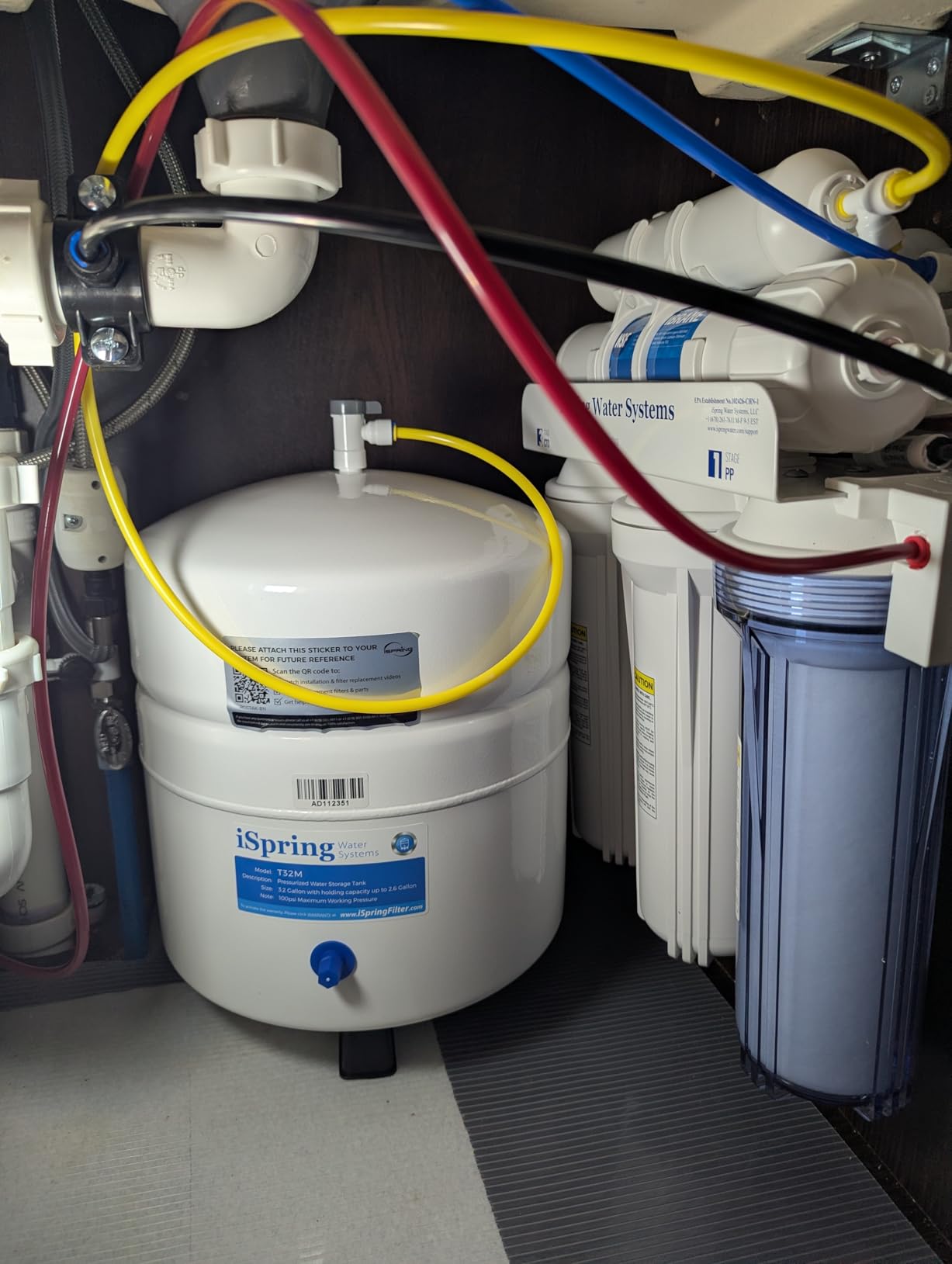
The build is conventional in the best sense. You get a sediment pre-filter, a carbon block, a 75 GPD membrane, and then the alkaline AK stage that puts calcium and magnesium back into the finished water and balances pH. iSpring states the system reduces total dissolved solids by 93-98%, PFAS by 96-99%, lead by more than 98.9%, and fluoride by more than 97.4%. Those are manufacturer figures, but they are attached to a full-system NSF/ANSI 58 certification rather than a component-only claim, which is the distinction that matters.
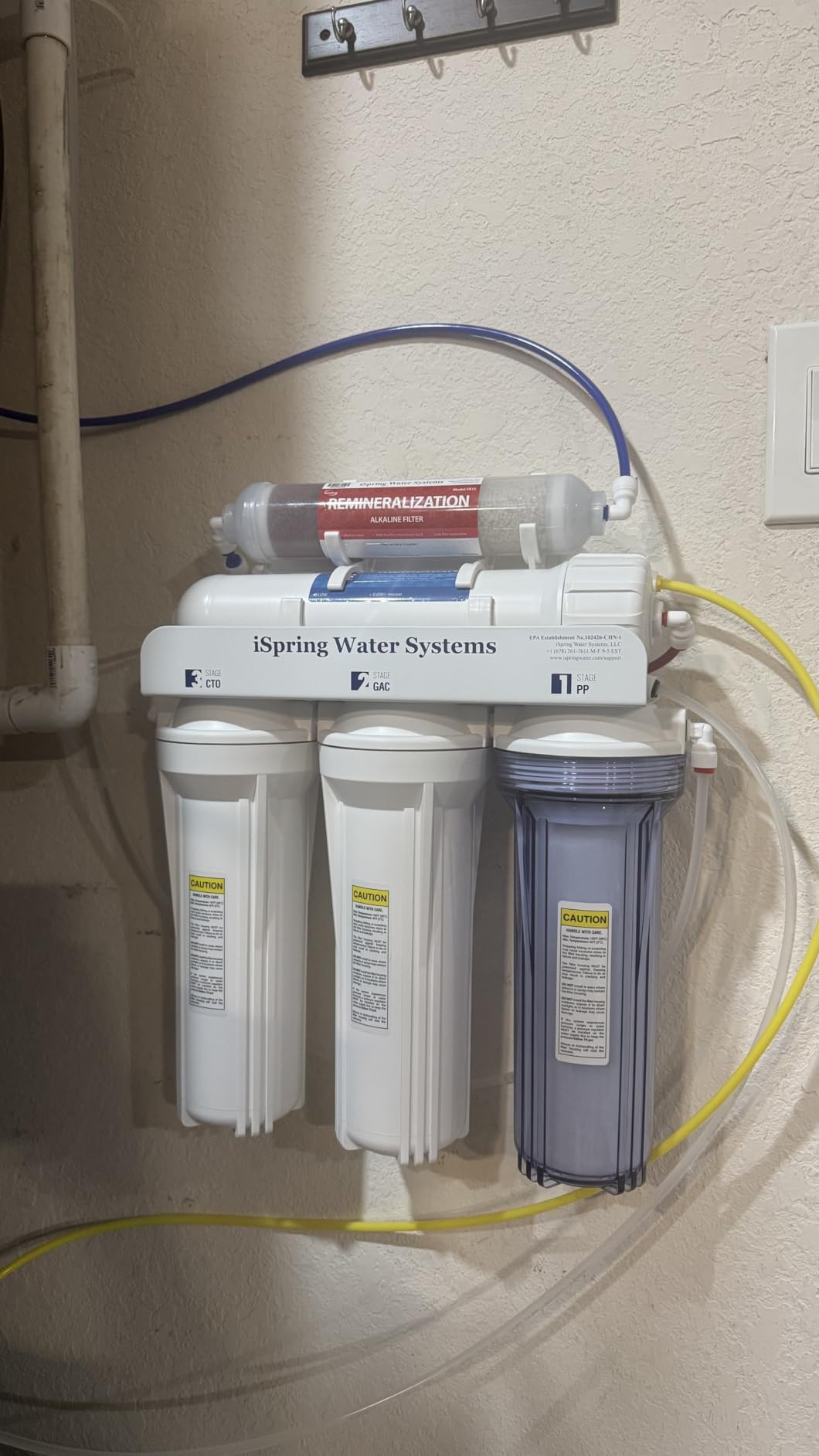
The patented top-mounted faucet fastener is the part we did not expect to appreciate as much as we do. Because the fastener tightens from above the counter, most of the installation happens while you are standing at the sink rather than lying under it with a flashlight. The transparent first-stage housing is the other quiet winner. You can see the sediment and carbon cartridges darken over time, which turns filter replacement from a guess into a decision.
Flow is the trade-off. At 75 GPD with a pressurized storage tank, this unit is not going to fill a pitcher while you are making breakfast for four people. It also occupies a genuine amount of cabinet space, since tank-based systems need room for both the tank and the vertical filter stack. If your cabinet is already crowded, look at a tankless alternative instead. Our tankless picks for small kitchens guide covers that format in more depth.
Filter costs are predictable because the schedule is documented. The F4AK pre-filter runs six months, the F9K carbon block runs a year, the F19K75 membrane is a two-year part, and the F28K75 goes three years. That spread lets you stage replacements instead of swapping everything at once, and the transparent housing tells you which stage actually needs attention first.
What makes this the easiest system to trust over time
Certification and documentation are unglamorous, but they are what separate a system you keep for ten years from one you replace in three. This unit carries NSF/ANSI 58 certification for the complete RO filtration system, and iSpring lists specific reduction percentages for each contaminant class rather than a vague claim of purity.
The brand also supports the unit for the long haul. iSpring is based in Atlanta, Georgia and offers lifetime technical support, which matters most on the two problems that trip up first-time installers: fitting the drain saddle and getting a leak-free connection to the tank.
Where it will disappoint you
If your household uses a lot of purified water for cooking, drinking and a refrigerator hookup at the same time, the tank will feel small. Reviewers most often mention moderate flow speed and the space the tank takes up, and those complaints are consistent rather than isolated.
The other recurring theme is ongoing filter expense. A system like this needs new cartridges on a schedule, and skipping the pre-filter changes shortens membrane life. Budget for the filter sets as part of the purchase rather than treating them as a surprise later.
2. APEC ROES-PH75 – The Proven Alkaline Design With Widely Available Parts
APEC Water ROES-PH75, 6-Stage Under Sink RO System, Alkaline, 75 GPD
75 GPD tank-based
Alkaline calcium sixth stage
Water pressure powered
Works to 2000 ppm feed
Pros
- Long-established brand with a large installed base
- Alkaline calcium stage improves taste over plain RO
- Full kit includes tank faucet tubing and hardware
- No electrical connection needed
Cons
- Water pressure powered design takes the same cabinet space as other tank systems
- Lowest average flow rate in the group
- Prefilter housings need a wrench
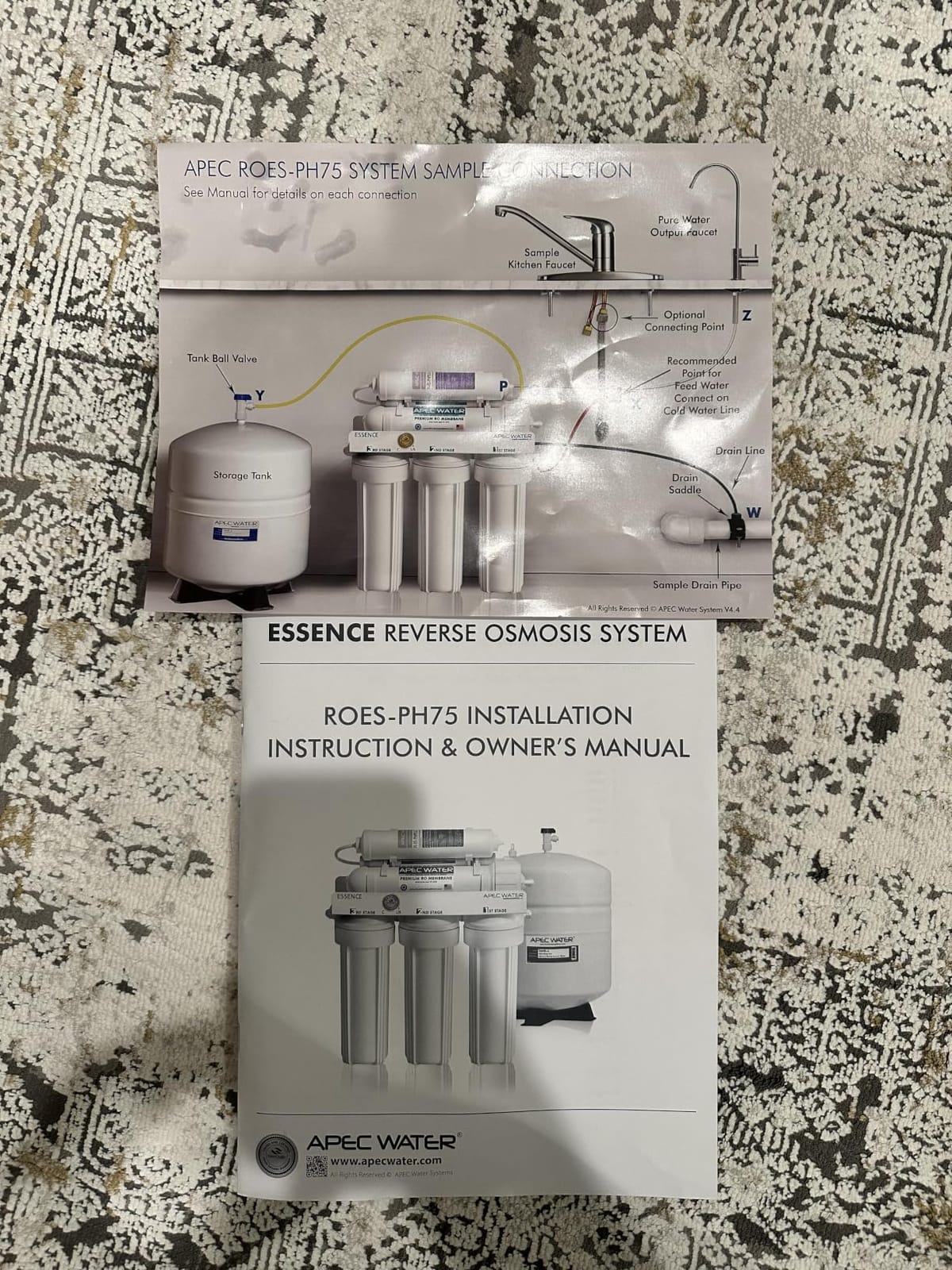
APEC has built these systems for long enough that parts, manuals and advice are easy to find, and that matters more than most buyers expect. The ROES-PH75 is the alkaline member of the Essence series, and it arrives as a complete kit with the storage tank, faucet, tubing, drain saddle, feed water adapter and wrenches. Nothing else needs to be ordered to finish the install.
The filtration path is straightforward. Sediment and carbon stages protect the membrane, the membrane does the removal work, and the sixth alkaline stage uses premium-grade calcium to raise pH and improve taste. APEC rates the system to remove up to 99% of chlorine, VOCs, fluoride, arsenic, lead and heavy metals across more than 1,000 impurities, with feed water tolerated up to 2,000 ppm TDS at 40-85 psi line pressure.
Because it runs on household water pressure alone, there is no pump to plug in and no adapter to lose. That simplicity is why APEC keeps appearing in long-term ownership stories on water treatment forums, where the recurring sentiment is that these units keep working for years without drama. Reviewers cite proven reliability, quiet operation and alkaline water that tastes noticeably better than straight RO.
The honest drawback is speed. At 0.05 GPM this is the slowest flow figure in our group, and in a busy kitchen you will feel it. The storage tank softens that limitation by letting water draw down over time, but the first glass after a long gap takes patience.
The second drawback shows up during maintenance. The prefilter housings are threaded tightly by design, and many owners need the supplied wrench to open them. It is a small irritation that recurs twice a year, and it is the single most common complaint in the review history.
Why long-term parts availability decides this one
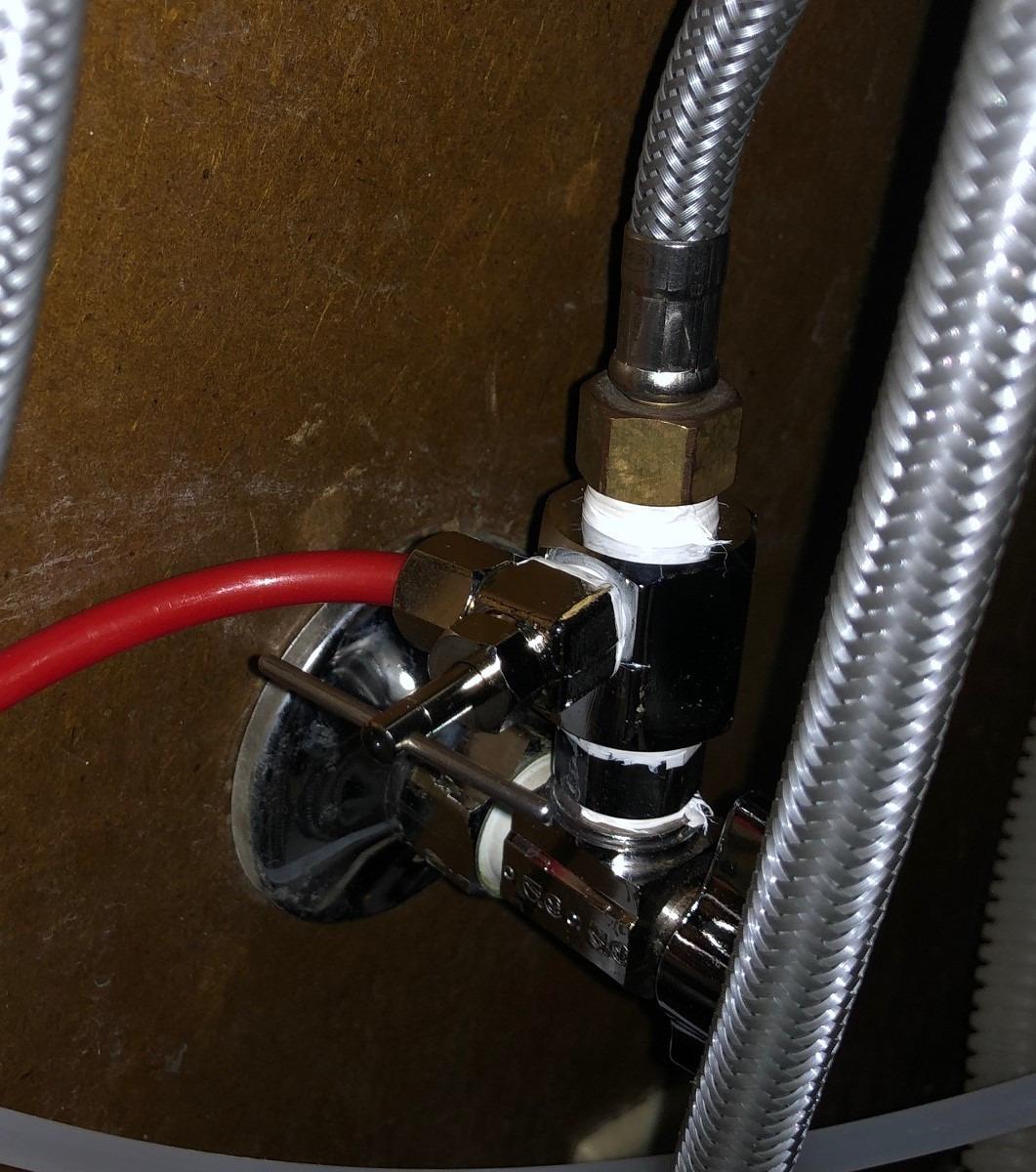
Reverse osmosis ownership is a relationship with replacement filters, not a one-time purchase. APEC systems use standard inline cartridges that any filtration retailer or plumbing supplier can provide, so a failed filter never means waiting on a single brand’s supply chain. Owners with several years of service report that this predictability is the main reason they returned to the brand.
Within the Essence series you can also move between stage counts without changing your cabinet footprint. Five-stage, six-stage alkaline, a leak-detector version and a UV-equipped version all share the same basic footprint, which means you can start simpler and upgrade within the family.
Where it falls short for your setup
If your sink cabinet is shallow or already holds a disposer, a tank-based layout will be a squeeze. The tank plus the vertical filter stack needs room in a way a tankless chassis does not.
For coffee brewing, the slower flow is also a genuine friction point. Brewers draw water in volume and quickly, and pairing a low-flow RO with a plumbed kettle line makes the wait noticeable. Our well water RO guide covers pressure and pretreatment questions that matter here.
3. Frizzlife PD600-TAM3 – The Best Tankless Choice With a Verified Alkaline Stage
Frizzlife Reverse Osmosis Water Filter – Alkaline Mineral pH+, NSF/ANSI 58&53&42&372 Standard, 600GPD Tankless RO Reverse Osmosis System, Under Sink, 2:1 Pure to Drain, Reduce FPAS/PFOA, PD600-TAM3
600 GPD tankless
0.41 GPM flow
pH above 7.5
2:1 pure-to-drain
Pros
- Highest verified output in this roundup at 600 GPD
- Tankless format frees cabinet space and removes tank contamination risk
- Live TDS readout and per-filter life indicators
- 2:1 drain ratio keeps water waste low
Cons
- Requires electrical power at the install location
- Tankless systems take more skill to service than canisters
- Brand review history is smaller than iSpring or APEC
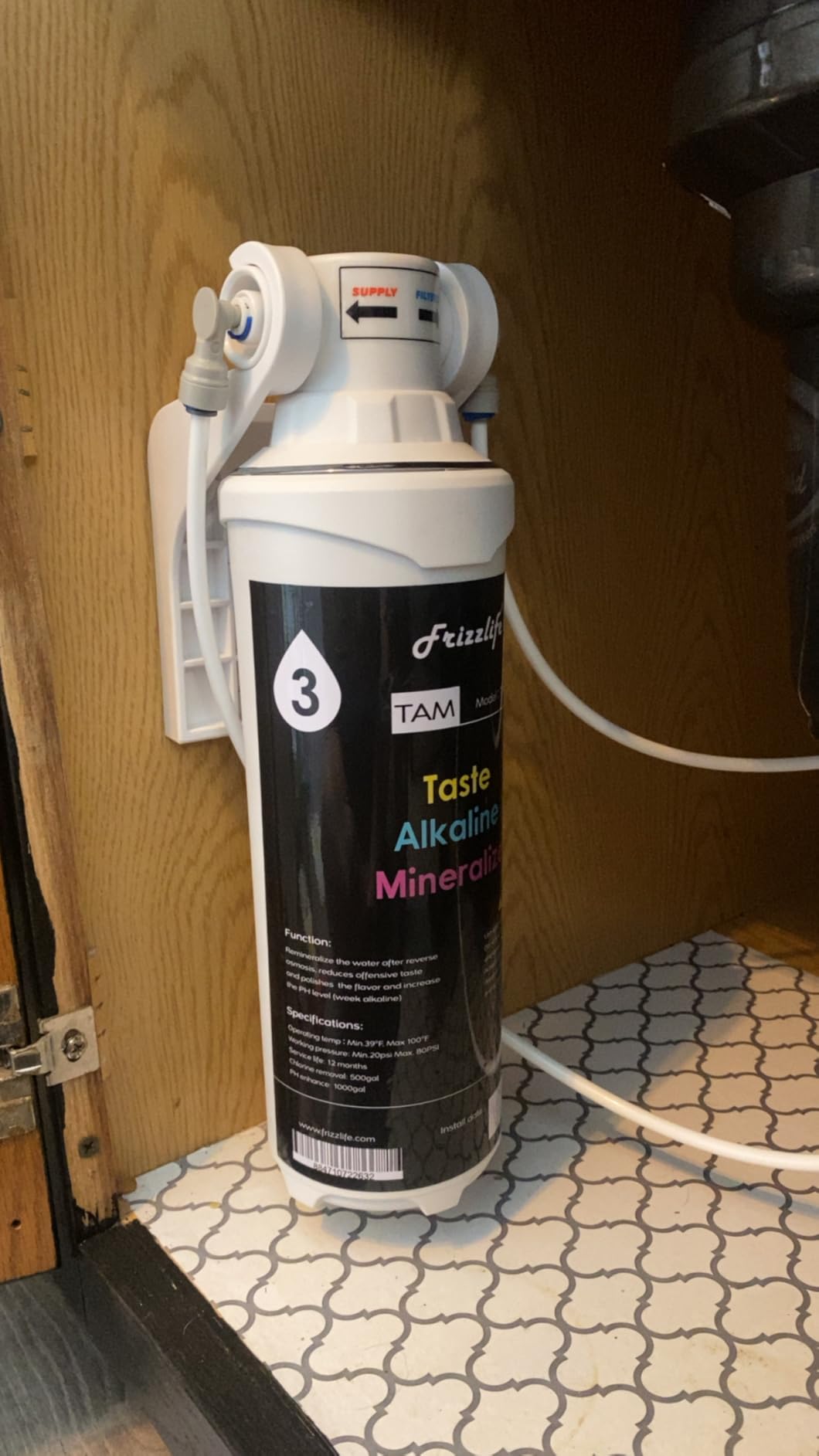
Most tankless systems treat the mineral stage as an accessory you buy later. This one includes it as a named third stage, and the specification sheet states the goal plainly: raise pH above 7.5 and restore the essential minerals the membrane removes. That is the exact feature buyers searching for an RO system that adds minerals back are usually told to buy separately.
The output figure is the other headline. At 600 GPD and 0.41 GPM, a 330 ml cup fills in roughly ten seconds, which means you can pour glasses back to back without waiting on a storage tank. The tankless format also removes the plastic tank entirely, eliminating the biofilm risk that develops inside stored water and freeing up under-sink space that a tank would otherwise occupy.
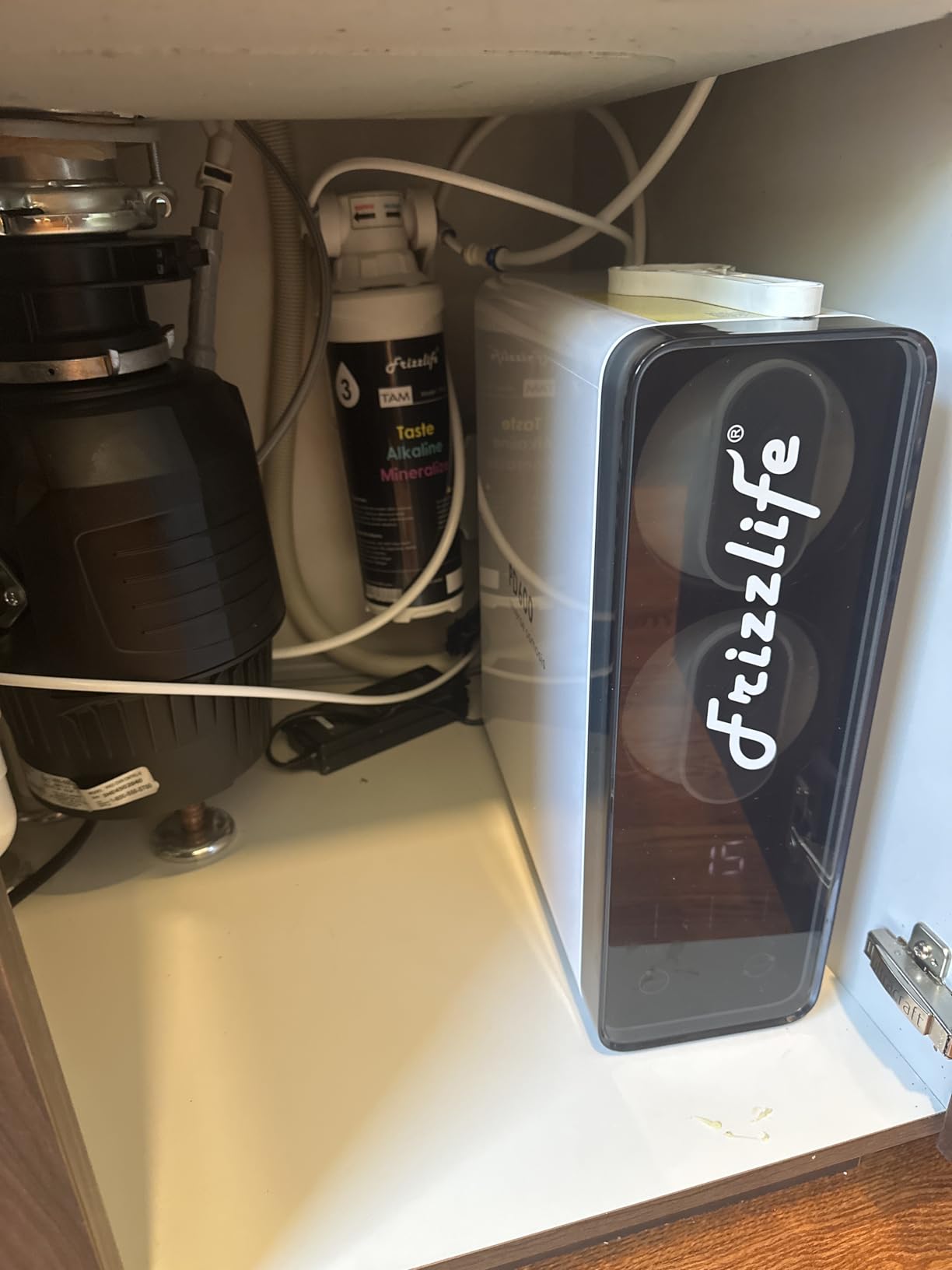
Water efficiency is the third advantage. The system runs at a 2:1 pure-to-drain ratio, which Frizzlife describes as saving up to 450% water compared with conventional RO. In practice, that means two gallons of feed water for every gallon you drink, rather than the four or five gallons a typical tank-based unit sends to the drain.
The smart LED panel is more useful than it sounds. It displays live TDS so you can watch the membrane perform, and it shows remaining life per filter with color-coded reminders, which removes the guesswork that leads people to replace cartridges too early or far too late. Certification covers NSF/ANSI 58, 53, 42 and 372, a broader set than most competitors claim.
Owners highlight the display, the speed and the absence of the tank. The friction points are electrical, since the unit needs a corded power supply at the sink, and serviceability, because tankless internals are less forgiving to a first-time DIYer than inline canisters.
What you gain by dropping the storage tank
Stored water in a pressurized tank sits at low pressure with no circulation, which is exactly the condition bacteria prefer. Removing the tank removes that surface area entirely. For a household worried about stagnation, that is a real argument beyond cabinet space.
You also gain installation flexibility. Without a tank, the chassis measures 14.7 by 5.3 by 15.5 inches and slides into narrower cabinets, including the awkward spaces beside a dishwasher or under a plumbing trap. Compare that against our tankless systems guide for larger households if you want more layout options.
Where it will frustrate you
Two things. First, the power requirement rules out unpowered sinks such as a garage workshop or a rental kitchen where the nearest outlet is in another room. Second, if your area has low inlet pressure, a tankless unit depends on the pump inside the chassis more heavily than a tank-based unit does, and flow suffers when pressure sags.
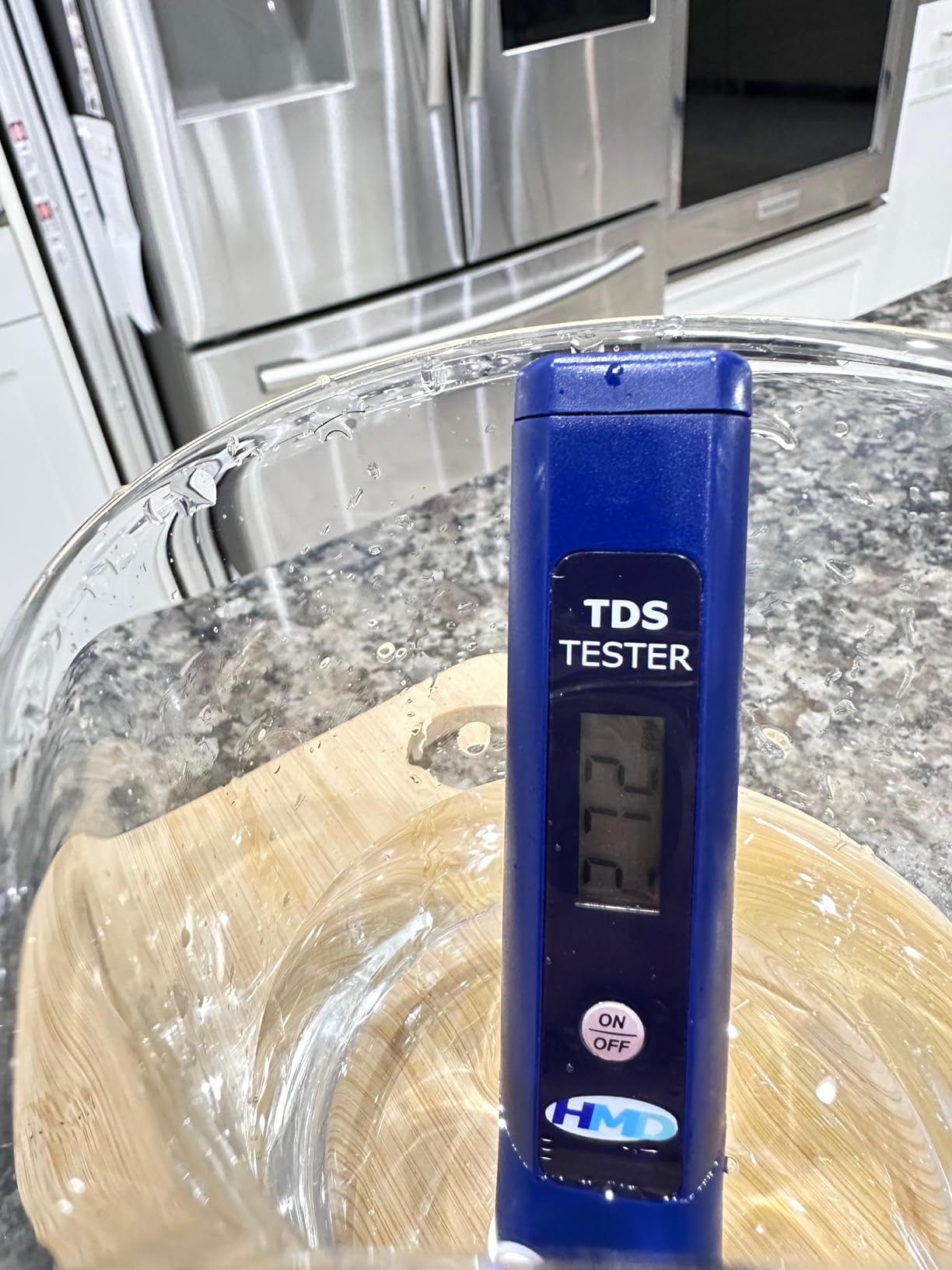
Because the mineral stage is doing its job, the TDS reading on that panel will not fall to zero. That is expected behavior rather than a fault, and it is worth remembering before you conclude the membrane has failed.
4. iSpring RCC7P-AK – The Highest Rated Pick for Low-Pressure Homes
iSpring RCC7P-AK, 6-Stage Reverse Osmosis System Under Sink Alkaline Water Filter and Pump, RO Drinking Water Filtration System, Patented Top-Mounted Faucet Design for Easy Installation
75 GPD with booster pump
Alkaline sixth stage
Transparent housing
100-240V adapter
Pros
- Joint highest average rating in this group at 4.7
- Booster pump restores membrane pressure in low-pressure homes
- Sixth alkaline stage improves taste over five-stage RO
- Transparent housing makes filter changes predictable
Cons
- Booster pump adds bulk weight and noise
- Needs an electrical outlet under the sink
- Larger footprint than slim tankless rivals
- Some setups take longer than advertised
Every RO membrane needs feed pressure to work properly, and in older homes or units on long risers that pressure is often marginal. This model solves it with a built-in electric booster pump, which is why it shares the highest average rating in our group at 4.7 with 88% five-star ratings. The pump holds line pressure steady at the membrane, which restores output and reduces the wastewater volume a struggling system produces.
The alkaline stage works the same way as on the pump-free iSpring, adding minerals and rebalancing alkalinity against a standard five-stage layout. Reviewers report a clear taste difference from five-stage systems, which is usually the first thing they mention to friends.
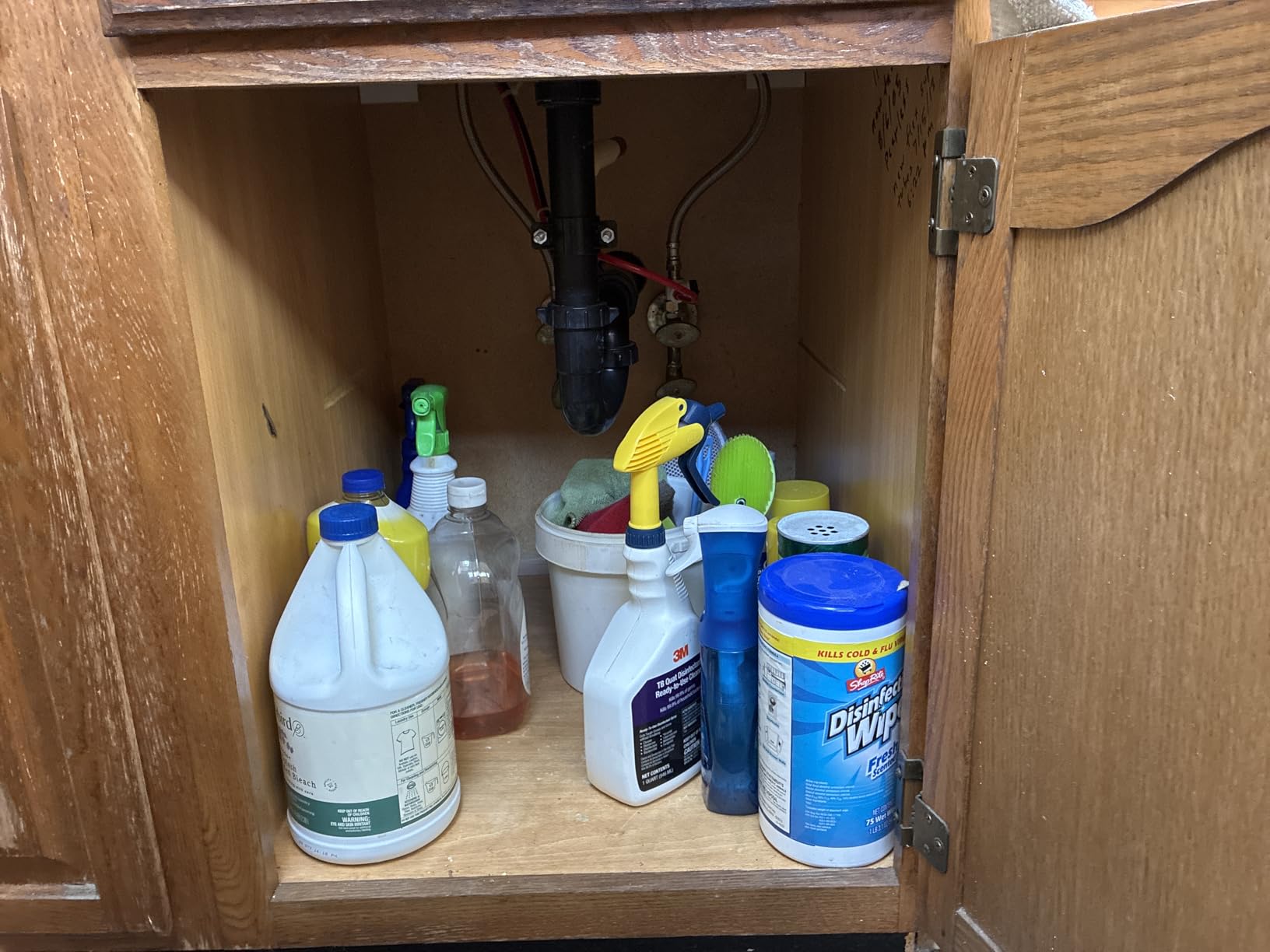
Contaminant claims cover the usual ground. iSpring states the system reduces up to 99% of more than 1,000 contaminants, with lead at 98%, plus chlorine, fluoride, arsenic, PFAS and asbestos. Feed water tolerance goes to 2,000 ppm TDS, and the supplied power adapter is 100-240V 50/60Hz, which makes it workable in homes outside North America.
The transparent first-stage housing appears again here, and it does the same job it does on the RCC7AK: you can see when the sediment and carbon cartridges need attention instead of relying on a calendar alone.
When a booster pump is the deciding feature
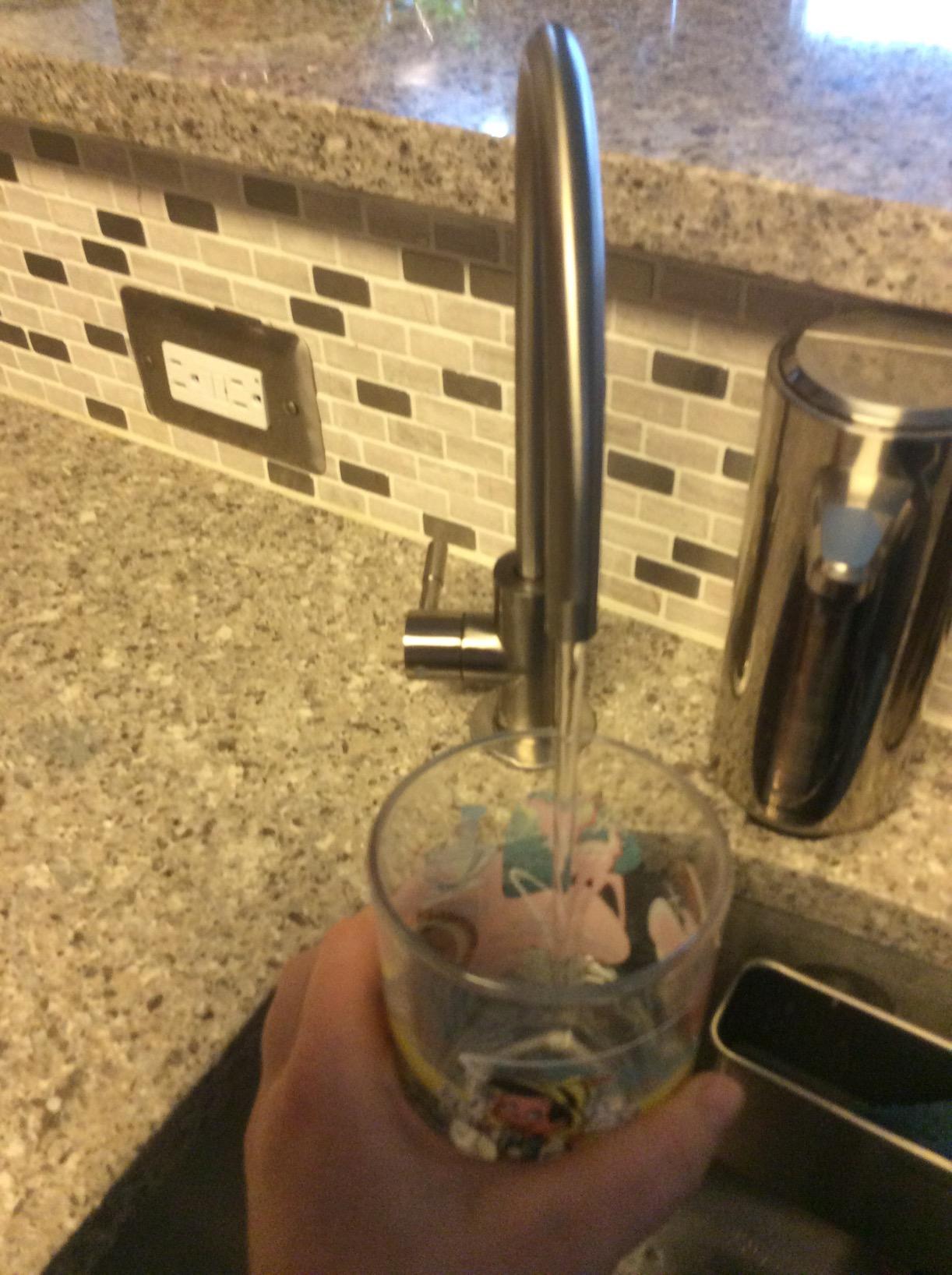
If your tap pressure is weak, a pump-free RO system will fill slowly and waste more water, and you may eventually blame the membrane for a problem that is really upstream. The pump addresses the actual cause. It also means the system produces more purified water in the same window, which matters if anyone in the house is filling bottles or a coffee kettle.
Reviewers who moved from a pump-free system to this one typically report the same sequence: noticeably faster flow first, then a lower drain-to-purge ratio second. Neither surprises anyone once you understand the pressure requirement.
Where it stops being the right choice
Power and space. The pump needs a 100-240V outlet under the sink, and the chassis weighs 20 pounds at 15 by 8 by 18 inches, which is bulkier than slim tankless alternatives. If your sink has no outlet and no free cabinet volume, this is the wrong unit despite being the highest-rated tank system here.
Some buyers also report that first-time setup took longer than the advertised estimate. The pump adds a wiring and pressure-check step to an otherwise simple install, and the learning curve is real the first time.
5. iSpring RO500AK – Best Tankless System With Almost No Maintenance
iSpring RO500AK Alkaline Reverse Osmosis System, NSF 58 Certified, 500 GPD
500 GPD tankless
0.4 GPM real flow
2:1 drain ratio
Auto-flush and buzzer alerts
Pros
- Complete-system NSF/ANSI 58 certification with QR code to the report
- Very fast real-world flow at 0.4 GPM for a tankless unit
- Auto-flush and audible reminders protect membrane life
- Saves up to 70% of under-sink space versus tank systems
Cons
- Most expensive unit in this roundup
- Requires electrical power at the sink
- Needs adequate supply pressure even at a 15 psi minimum
- Buzzer reminders can be frequent
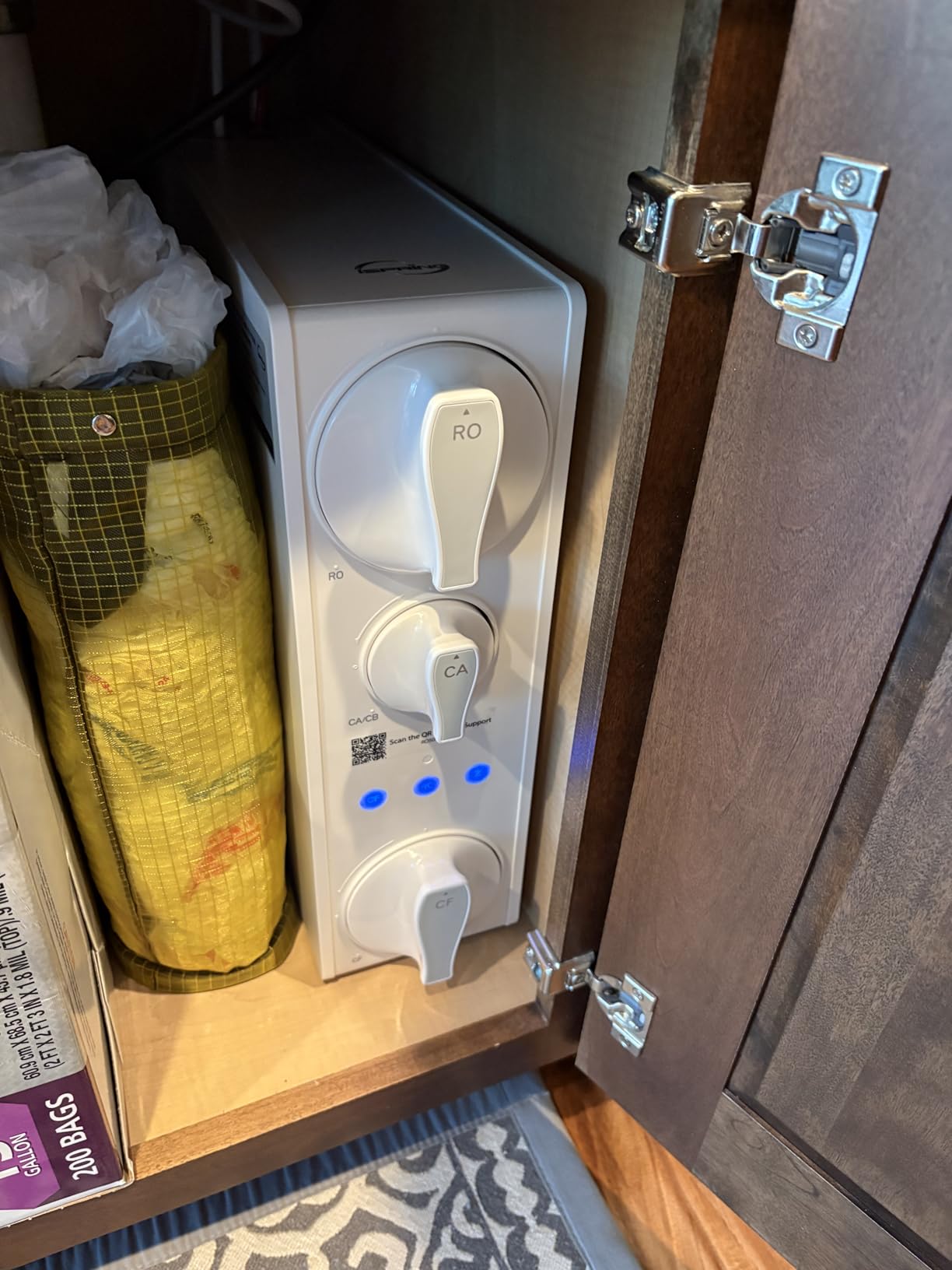
Most systems fail from neglect, not from defects. People forget to flush them, ignore a replacement interval, and then wonder why performance dropped. This one attacks that problem directly with an automatic flush after 24 hours of non-use, front panel lights and a buzzer that signal exactly when a filter is due.
The output is genuinely fast for a residential tankless design. Rated at 500 GPD and 0.4 GPM, it fills an 8 oz cup in about ten seconds. The drain ratio is 2:1, saving up to 400% water versus a traditional tank-based system, and the tankless chassis measures 16.13 by 5.13 by 16.25 inches, freeing up 70% of under-sink space.
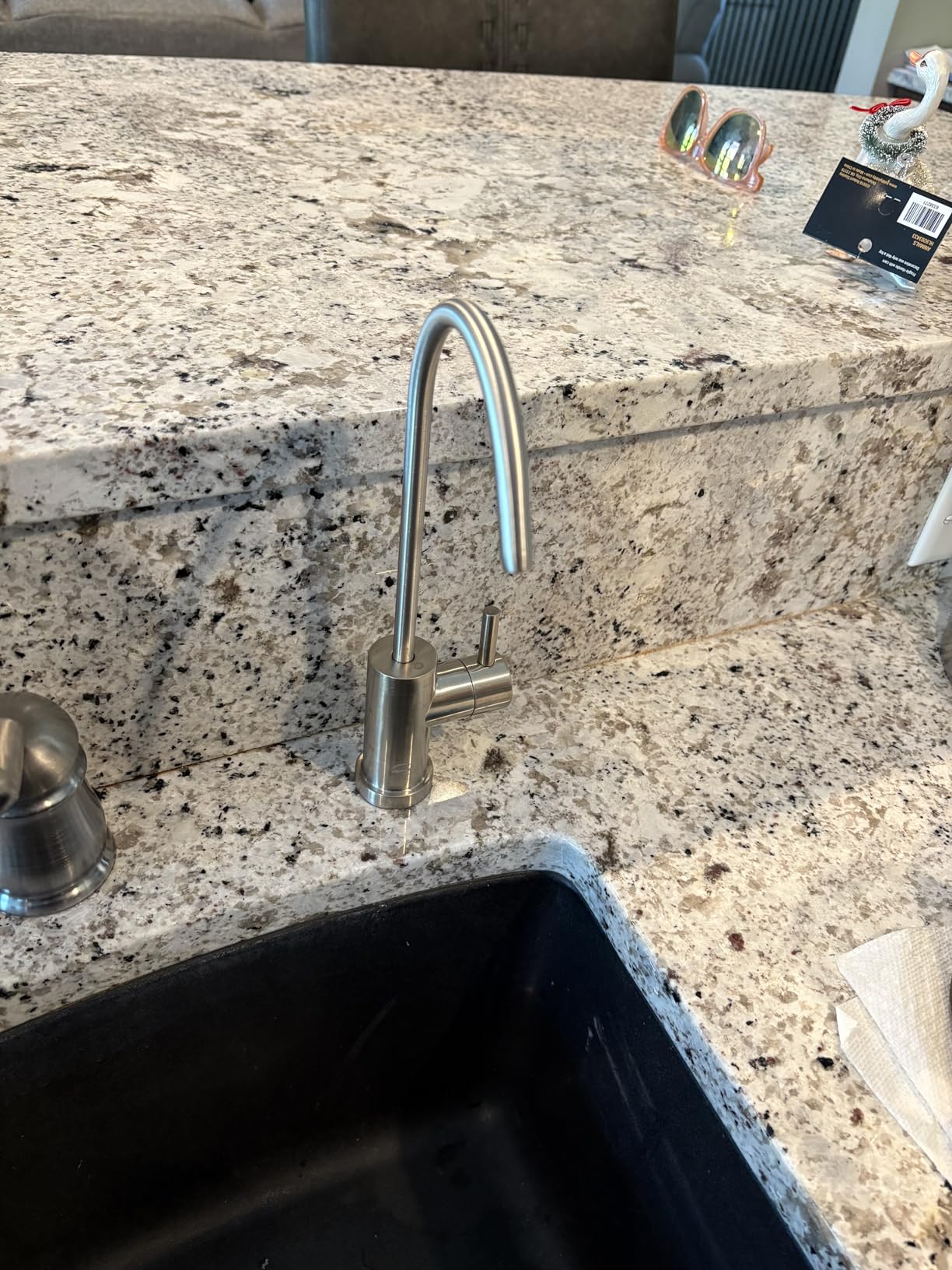
The alkaline remineralization filter restores minerals and supports balanced pH after the membrane, which is the whole point of this category. The membrane itself is a 0.0001 micron thin film composite under complete-system NSF/ANSI 58 certification, and iSpring links the official report through a QR code on the unit rather than making you search a website.
Replacement intervals are the other reason maintenance feels light. The FCF500 pre-filter runs six months, the FCA500 carbon block twelve months, and the MRO500 membrane twenty-four months. A two-year membrane interval is unusually long, and it reduces the number of service visits over the life of the unit.
Quick-connect fittings accept both 1/2 inch and 3/8 inch connections, which is a small thing that prevents an annoying mismatch during install. Feed water tolerance is 1,000 ppm TDS, lower than some competitors here, so check your source water if you are on a private well.
Why the reminders and auto-flush matter more than the spec sheet
A membrane left to dry out between uses fouls faster than one that is flushed. The auto-flush function handles that on its own, and the audible alerts remove the second failure mode, which is simply forgetting. Reviewers credit both features with keeping performance stable rather than watching it drift downward.
The 24-month membrane interval also spreads cost in a way that helps planning. Instead of an annual membrane purchase, you are looking at a pre-filter every six months, a carbon block every year and a membrane every two years.
Where it will frustrate you
This is the most expensive system in our roundup, and owners say so directly in reviews. Add the power requirement and the fact that some people find the reminder buzzer intrusive, and it becomes a purchase you justify on maintenance savings rather than on purchase outlay.
On private wells or very hard municipal supplies, treat the 1,000 ppm feed ceiling as a real constraint. Our lower-cost RO roundup covers several systems that pair well with pretreatment if you are handling iron, hardness or sediment.
6. SimPure T1-400ALK – The Only Pick Here With a UV Stage and Named Minerals
SimPure T1-400ALK Tankless Alkaline Reverse Osmosis Water Filter 400 GPD
400 GPD tankless
UV sterilization stage
Alkaline Ca Mg and K
1.5:1 pure-to-drain
Pros
- UV stage adds pathogen protection beyond standard RO
- Alkaline filter names calcium magnesium and potassium
- Built-in booster pump supports consistent flow
- 1.5:1 pure-to-drain wastes less water than most tankless rivals
Cons
- Lowest average rating in this group at 4.2
- Mineral addition leaves measurable residual TDS
- UV stage needs power and adds a failure point
- Quick-change cartridges are less familiar than housings
This is the most technically interesting unit in the list and also the most polarizing. It is the only system here that combines an alkaline stage naming calcium, magnesium and potassium with a UV sterilization stage, and it is the only one independently tested by SGS against NSF/ANSI 58 rather than certified by NSF directly.
The UV stage activates automatically based on flow pressure, meaning you do not have to remember to switch it on. On a well supply or any system where bacterial contamination is a concern, that passive activation is a meaningful design choice. The built-in booster pump handles low line pressure so the membrane keeps producing at its rated rate.
The alkaline cartridge is more specific than most. Where many competitors say it adds minerals in general terms, this one lists calcium, magnesium and potassium as the intended additions, which makes it easier to reason about what your coffee or tea is dissolving. The tankless design prevents secondary contamination and keeps the footprint compact at 15.6 by 5.3 by 15.7 inches.
Water efficiency is a quiet strength at 1.5:1 pure-to-drain, better than the typical tankless ratio, and a filter set yields roughly 1,057 gallons before replacement.
Where the reviews get divided is support and expectation setting. At 4.2 stars with 70% five-star ratings and a 12% one-star share, this unit has the widest spread of experiences in our group. Complaints cluster around installation complexity, after-sales responsiveness and the fact that the alkaline stage leaves residual TDS by design.
When a UV stage is worth the extra complexity
Reverse osmosis membranes remove bacteria physically, but they do not destroy them, and any breach in housing seals reintroduces the problem. A UV stage adds an inactivation step after filtration, which matters for well water, post-rain runoff events and households with immunocompromised members.
Because the UV lamp activates on flow pressure, it only runs when water is being made. That keeps energy use low and avoids the most common UV complaint, which is a lamp left burning in an unused system.
Where it will disappoint you
The residual TDS will bother you if you judge performance by a number alone. The manufacturer states the alkaline stage leaves TDS above zero by design, so a TDS meter will never read the single digits you get from an unremineralized system. That is the trade you are making, not a defect.
Power and support are the other friction points. The UV stage and booster pump both need electricity at the sink, and buyers report slower after-sales responses than they get from the larger brands. We would want a confident answer on parts availability before committing to a unit like this in a hard-to-service area.
7. Home Master TMAFC – The Only System That Remineralizes Twice
Home Master TMAFC Artesian Full Contact Reverse Osmosis System, 7-stages, Patented 2-Pass Alkaline Remineralization, Fast 4.5s Fill Rate, 8.5” catalytic carbon, 5-year limited parts
7-stage full contact
2-pass alkaline remineralization
4.5 second fill rate
50 GPD membrane
Pros
- Ties for the highest average rating at 4.7 with 88% five-star reviews
- Patented 2-pass remineralization adds minerals twice for natural mineral taste
- Fastest fill rate here at 4.5 seconds for 8 oz
- Five year limited parts warranty and spare part availability
- Made in the USA with every component NSF certified
Cons
- 50 GPD membrane is the lowest capacity in the group
- Storage tank design needs more cabinet space
- Higher build cost than basic 75 GPD systems
Almost every competitor on this list adds minerals once, at the end of the filtration train. The Home Master TMAFC does it twice, and that is the entire reason to look at it. Its patented 2-pass remineralization introduces calcium and magnesium during purification and again as water leaves the system, producing what owners consistently describe as water tasting like natural mineral water rather than purified water with a mineral cartridge tacked on.
The second pass is not marketing. Water sitting in a pressurized tank is slightly acidic, and acid water contacting a tank interior is what degrades it over time. Contacting the water with mineral media twice is designed to slow that process, which connects the remineralization feature directly to system longevity.
The flow figure is startling on paper. With larger fittings and tubing than traditional or tankless designs, this system fills an 8 oz glass in 4.5 seconds, which is far quicker than a typical 75 GPD tank system dispensing from a storage tank, even though the membrane itself is a modest 50 GPD DOW thin film composite.
Ownership details are unusually strong. You get a five year limited parts warranty, five years of spare part availability, all components NSF certified, and manufacture by an NSF listed company in the USA. The modular design supports tool-free annual filter replacement, which removes the wrench fight that plagues some competitors.
Each pass also gets 8.5 inches of catalytic carbon contact, which handles chlorine and volatile organic compounds that would otherwise foul the membrane.
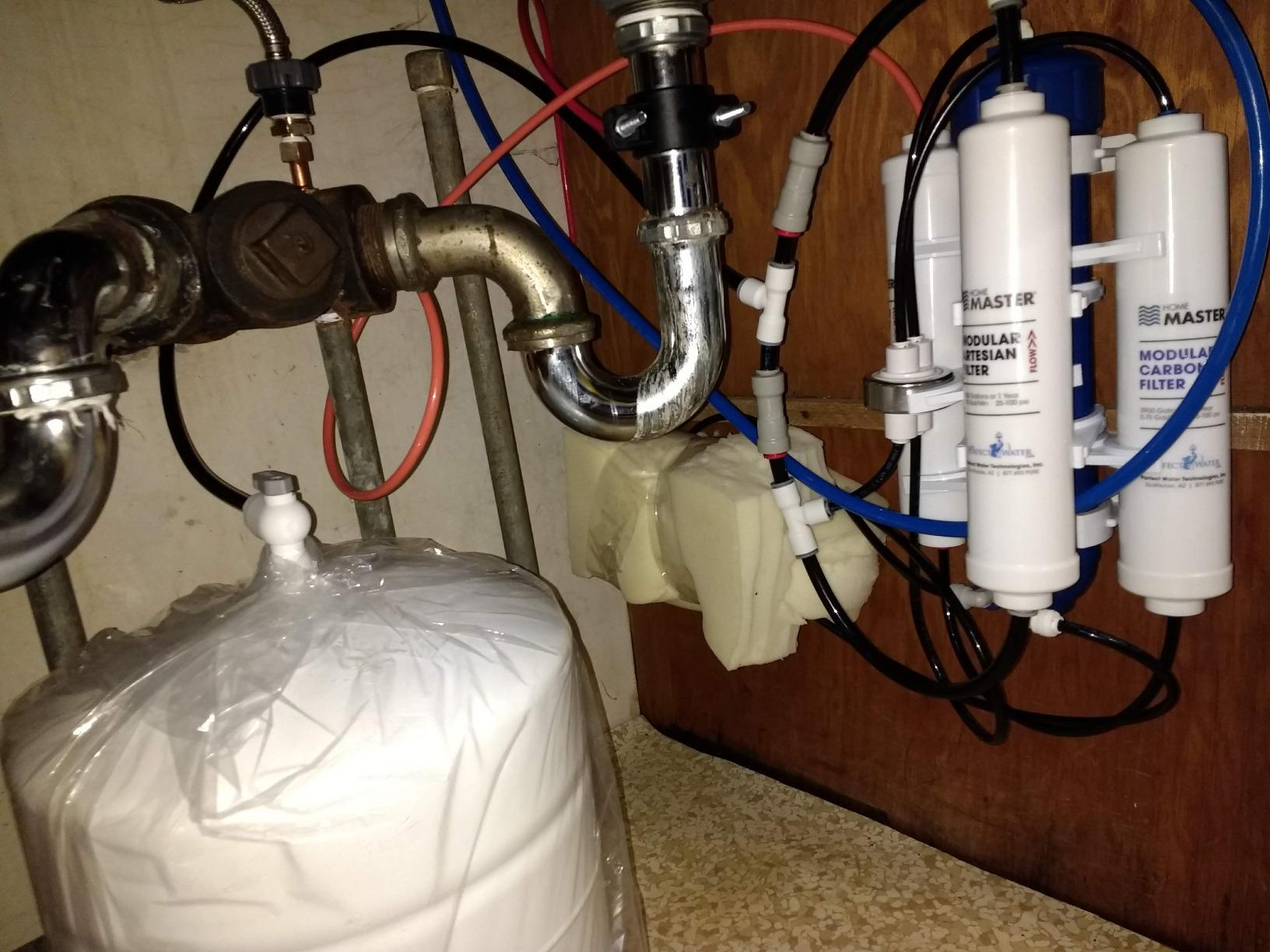
What two-pass remineralization actually changes in the glass
Taste is the first difference. Water that has met mineral media twice reads as softer and less flat, with a finish closer to bottled mineral water. People who have moved from a single-pass system rarely go back, according to the owner feedback, even though the build cost sits above a basic 75 GPD design.
The second difference is durability. Neutralizing the water before and after the tank slows the tank-degradation mechanism, and combined with the five year spare parts commitment, it means the system has parts available for most of the decade you plan to own it.
Where it falls short for a busy household
Capacity. A 50 GPD membrane is the lowest throughput in this roundup, and while the 1 GPM flow figure makes individual glasses fast, a household of four drinking, cooking and brewing will outpace the tank’s recovery.
Space is the other constraint. The purification cluster measures 16 by 8 by 5 inches and the tank adds 15 inches tall by 11 inches across, so this needs a genuinely generous cabinet. It also runs at 40-95 psi, which means it depends on decent line pressure.
8. NU Aqua 7-Stage UV Alkaline – The Longest Home Trial in the Group
NU Aqua 7-Stage UV Alkaline Under Sink Reverse Osmosis Water Filter System
100 GPD tank-based
UV sterilization stage
PPM meter included
120-day home trial
Pros
- 120-day home trial and 3 year warranty are among the most generous
- UV stage inactivates pathogens beyond membrane filtration
- 100 GPD outpaces most 75 GPD rivals
- Free PPM meter included for verifying output
Cons
- Heaviest unit here at 28 pounds
- Bulky footprint may not fit small cabinets
- Some owners report a sulfur odor from the alkaline stage
- Customer support response times can be slow
Buying an RO system involves drilling a hole in your counter or your sink, so the return policy matters more than it would for a pair of headphones. NU Aqua offers a 120-day home trial alongside a three year manufacturer warranty, which gives you four full months to decide whether the taste and the flow suit you before you are emotionally committed.
The system itself is a seven-stage build combining UV sterilization with alkaline remineralization. It uses a HydraCoil membrane process the manufacturer says delivers up to 50% cleaner water than other RO systems, with up to 99% rejection of total dissolved solids. At 100 GPD, output is higher than the 75 GPD models that dominate the market.
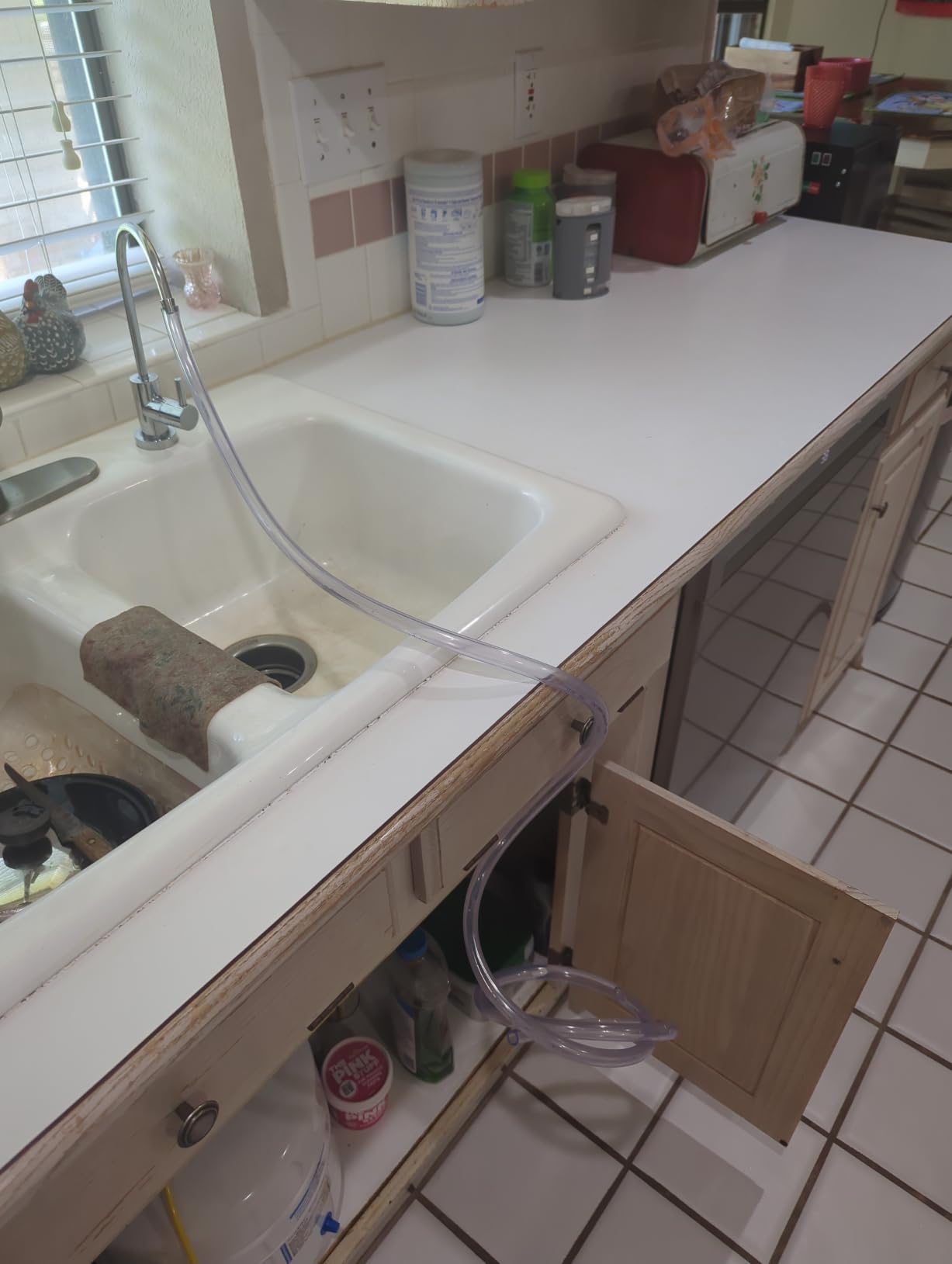
Two bundled accessories make it friendlier than most. You get a complimentary PPM meter so you can measure output yourself instead of trusting a display, plus a leak detector. The color-coded tubing and quick-connect fittings also remove the single most common install error, which is misrouting a line.
Double o-ring sealed filter housings address a related problem. Most under-sink leaks happen at housing threads, and a second sealing ring is a straightforward way to reduce that risk. The faucet is NSF certified as 100% lead-free stainless steel.
Owner feedback over multiple purchases reports years of leak-free service, which is exactly the durability signal you want from a system with a UV lamp and seven stages.
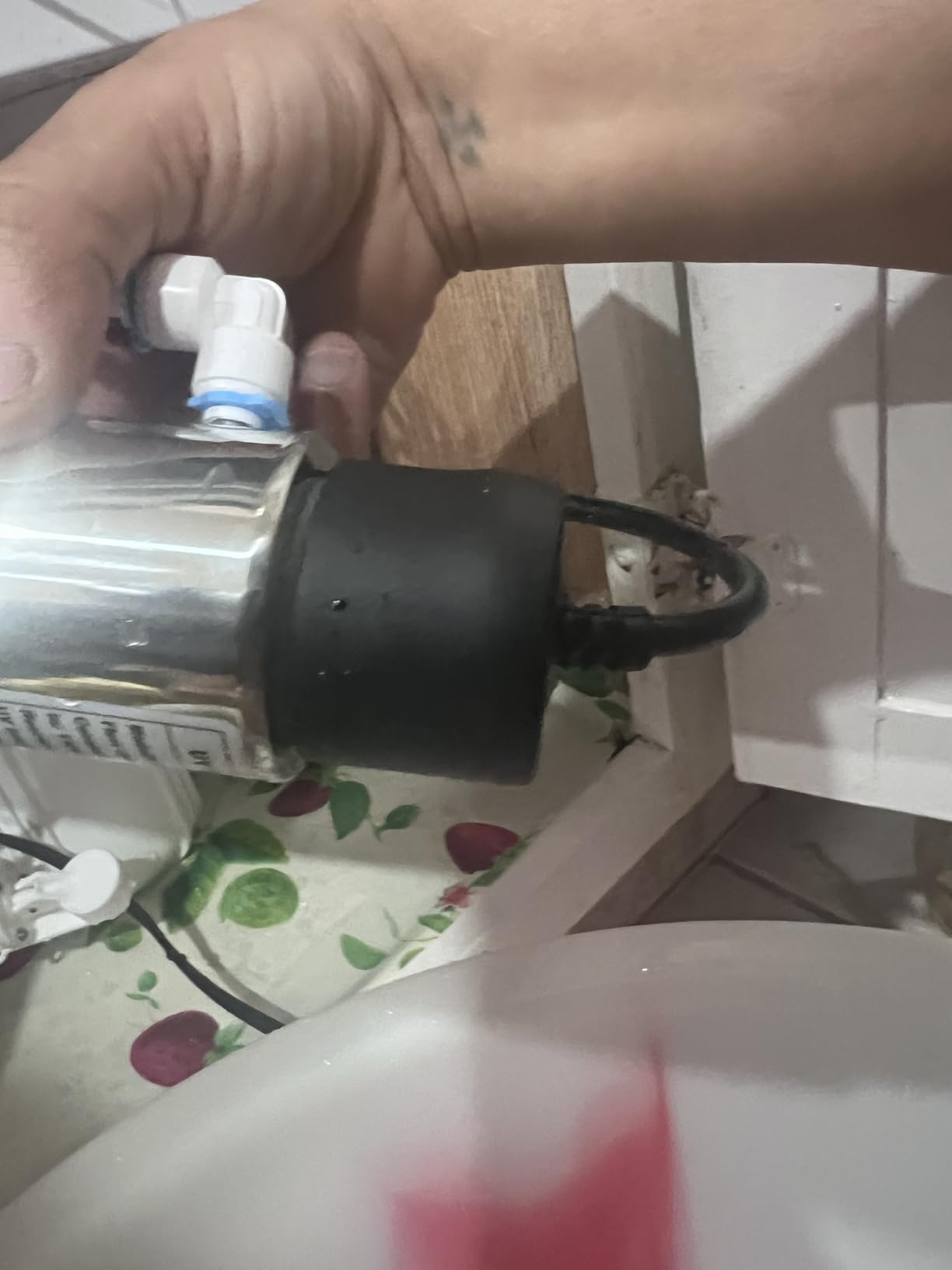
Why a 120-day trial changes how you should shop
Taste is subjective in a way that contaminant reduction is not. A system can meet every certification and still produce water your household dislikes. A four-month trial lets you test it against your own cooking, your own coffee and your own ice, which no lab report can replicate for you.
It also gives you time to observe real maintenance behavior. Watch how the flow responds after two months, whether the leak detector ever trips, and how the UV stage behaves. That is genuine ownership data before you commit.
Where it will frustrate you
Size and weight. At 28 pounds with a 15 by 5.5 by 19.5 inch footprint, this is the heaviest and among the bulkiest units here, so measure the cabinet before ordering.
There is also a specific complaint worth weighing. Some owners report the sixth alkaline stage develops a sulfur-like odor after a few days, which happens when mineral media sits in a rarely used cartridge. If that happens, an extra flush usually clears it, but you should know it exists before you buy.
Customer support response times are the other reported weakness, and the UV stage adds a component that can fail outside any warranty you would normally expect. Our value-oriented RO roundup has simpler alternatives if support matters most to you.
9. Waterdrop G5P500A – The Best Tankless Pick That Can Feed a Refrigerator
Waterdrop G5P500A Reverse Osmosis System, 8-Stage RO Filtration, Alkaline
500 GPD tankless
8-stage filtration
Alkaline Ca Mg Na and K
Waterdrop XT compatible
Pros
- Best category sales rank of any modern tankless unit here
- 500 GPD fills a 6 oz cup in about 8 seconds
- Two filters arrive pre-installed to shorten setup
- Alkaline stage names four specific minerals
Cons
- Mechanical faucet installation requires countertop drilling
- Requires electrical power at the sink
- Heaviest tankless unit here at 21.4 pounds
- Real drain ratio can fall short of the advertised 2:1
Most under-sink RO systems exist in a vacuum where refrigerators and ice makers are concerned. You need a way to route purified water away from the faucet, and most brands make you buy that interface separately. The Waterdrop G5P500A is compatible with the Waterdrop XT interface, which is the practical difference between an RO system and an RO system that can also supply an ice maker.
The filtration train is eight stages built around a 0.0001 micron membrane, reducing PFOA, PFOS, chlorine, lead, fluoride and heavy metals. The alkaline mineralization stage is unusually specific about what it adds, naming calcium, magnesium, sodium and potassium rather than speaking about minerals in general terms.
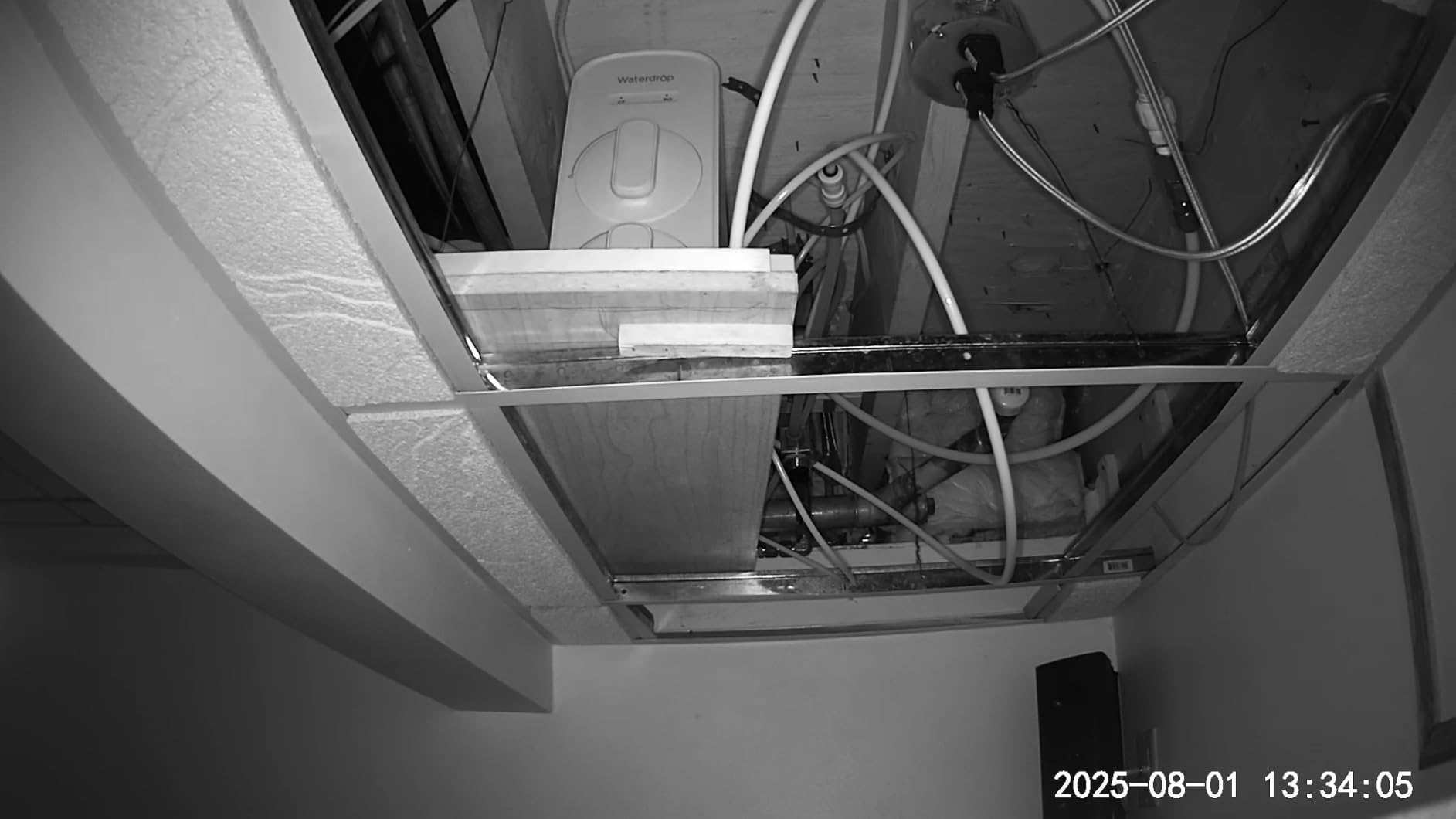
Performance figures put it near the top of this group. Rated 500 GPD, it delivers about 1.31 liters per minute and fills a 6 oz cup in roughly eight seconds, with a stated operating range of 14.5-87 psi. The 2:1 pure-to-drain ratio is claimed to produce 400% more clean water than conventional systems.
Setup conveniences are real. Two filters arrive pre-installed, so your first service visit involves installing fewer components before the system is ready to run. The tankless chassis is 16.69 by 5.69 by 13.9 inches and frees up to 70% of under-sink space, which fits most standard cabinets.
Certification covers NSF/ANSI 58 and NSF/ANSI 372, and the unit carries a one year manufacturer warranty with a feed water TDS ceiling of 500 ppm.
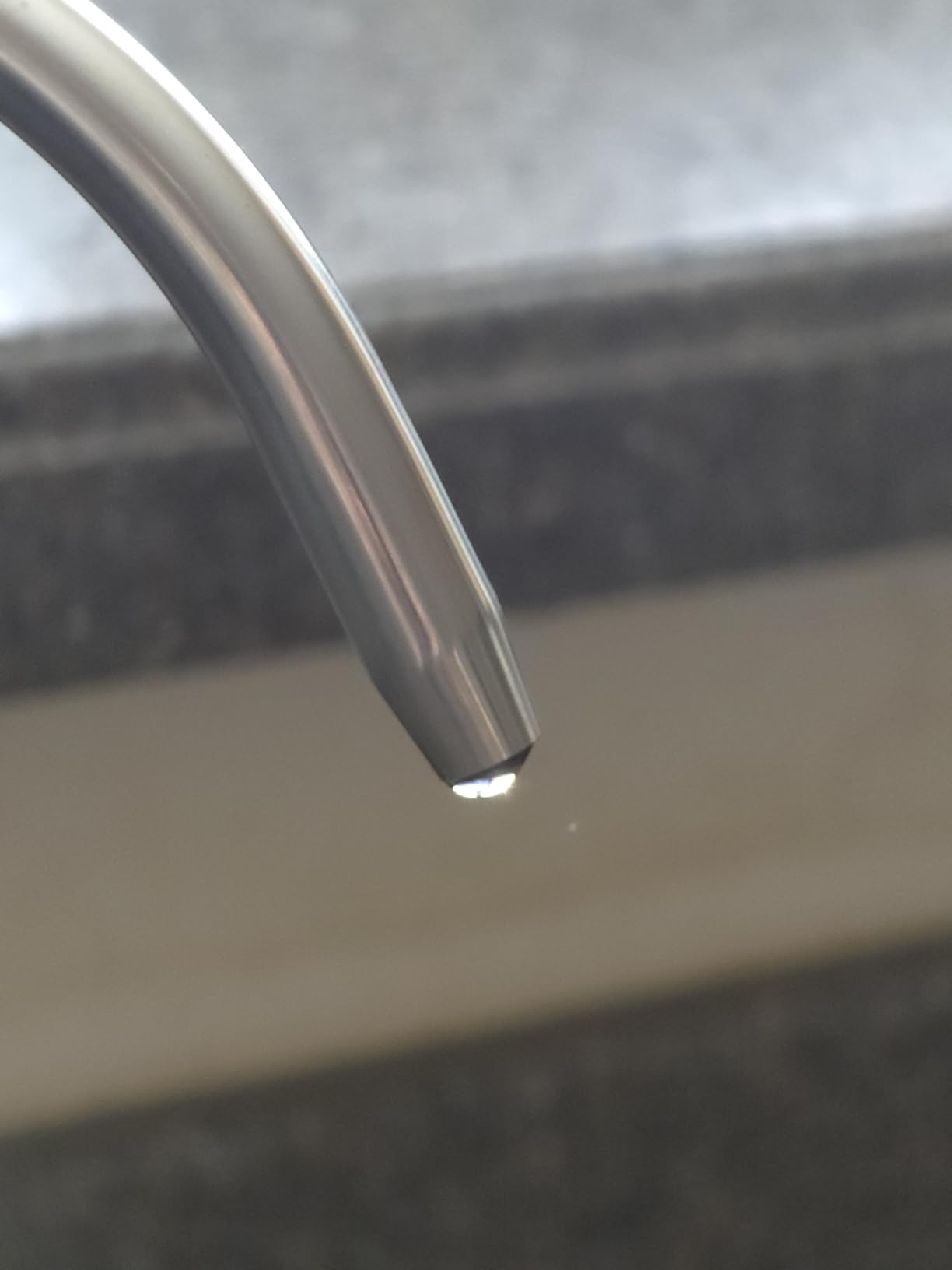
What the appliance hookup actually requires
An ice maker or refrigerator dispenser needs a dedicated feed line, an adapter to the appliance’s water inlet and a way to relieve pressure, because most appliance valves are not built for continuous RO pressure. The Waterdrop XT interface handles that routing. Without it, you are looking at an adapter kit and possibly a small additional tank.
Filtering ice and dispenser water through the same RO stage as your drinking glass has a second benefit. Ice cubes made from unfiltered water carry whatever taste the tap has, and that taste comes back once the ice melts into a drink.
Where it will frustrate you
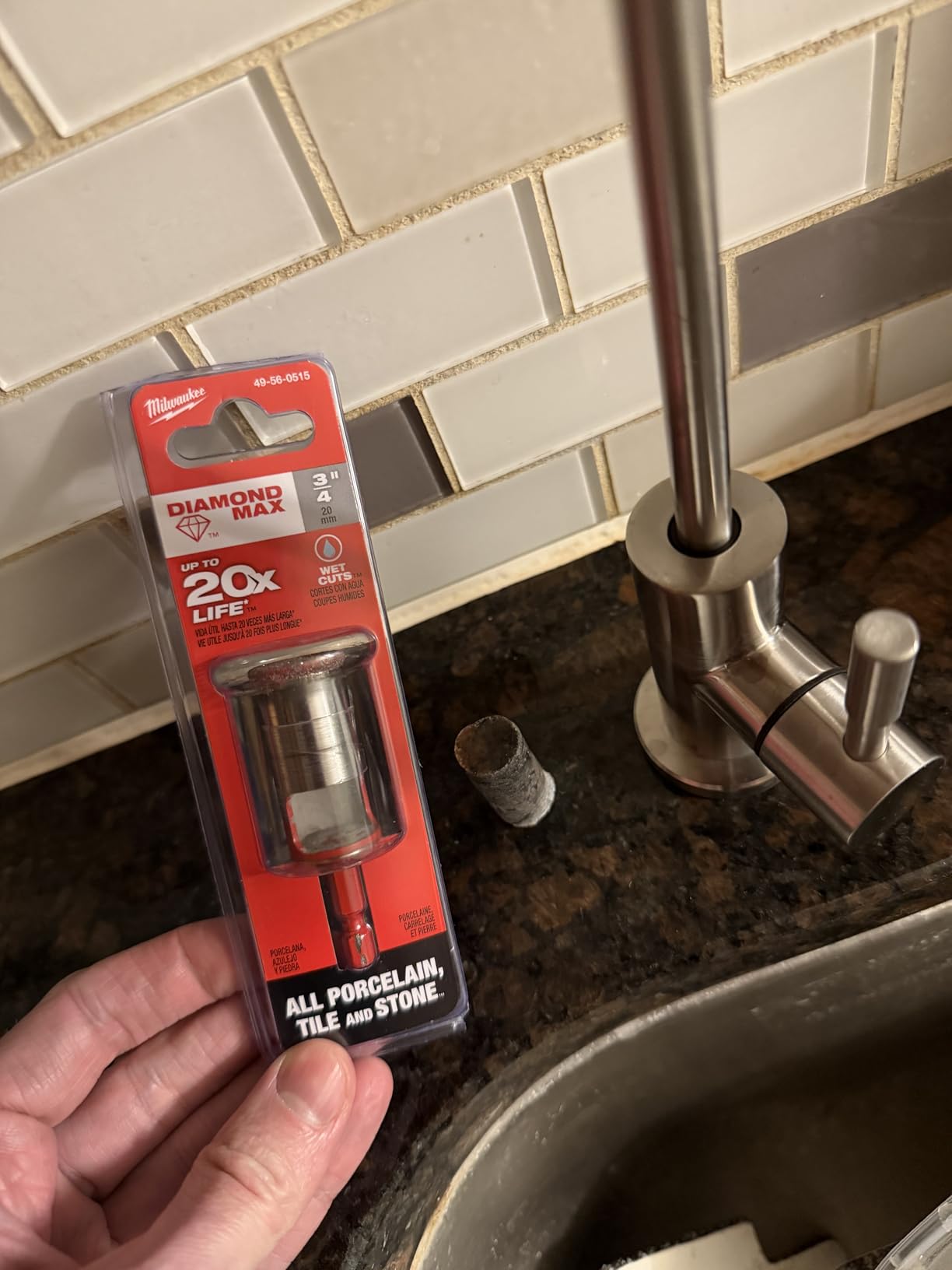
Drilling. The mechanical faucet measures 6.6 by 3.2 by 11.3 inches and requires countertop drilling, which means a plumber in a countertop you do not own is a problem in a rental. Renters should read our countertop and renter guidance in the buying guide below.
The second real-world complaint is that the drain ratio does not always hit the advertised 2:1 in use. Higher incoming pressure or higher source TDS both push it higher, so treat the figure as a best case rather than a promise.
10. Waterdrop T3-M – The Most Affordable Tankless System With Real Remineralization
Waterdrop T3-M Remineralization Reverse Osmosis Water Filter, 450 GPD
450 GPD tankless
9-stage filtration
All-in-one cartridge
24 month membrane
Pros
- Lowest cost among the tankless models in this roundup
- All-in-one cartridge swaps out in seconds with no tools
- 24 month RO membrane interval cuts replacement frequency
- Continuous automatic flushing with LED status indicator
Cons
- Requires electrical power and countertop drilling
- Lowest review count in the group at 482
- Slightly lower 450 GPD throughput than the 500 to 600 GPD rivals
- Mineral media described more generically than rivals naming specific minerals
If your budget is the deciding factor and you still want a tankless system with a genuine remineralization stage, this is the entry point. At 450 GPD it delivers about as much water as you would expect from a mid-sized household, and it sits well below the other tankless models in this roundup.
The filtration path is nine stages built around a 0.0001 micron membrane, reducing heavy metals, chlorine, PFOA and PFOS. After the membrane, the remineralization stage enriches the water with calcium, magnesium and other essential minerals, and owners describe the result as a noticeably sweeter taste than plain RO output.
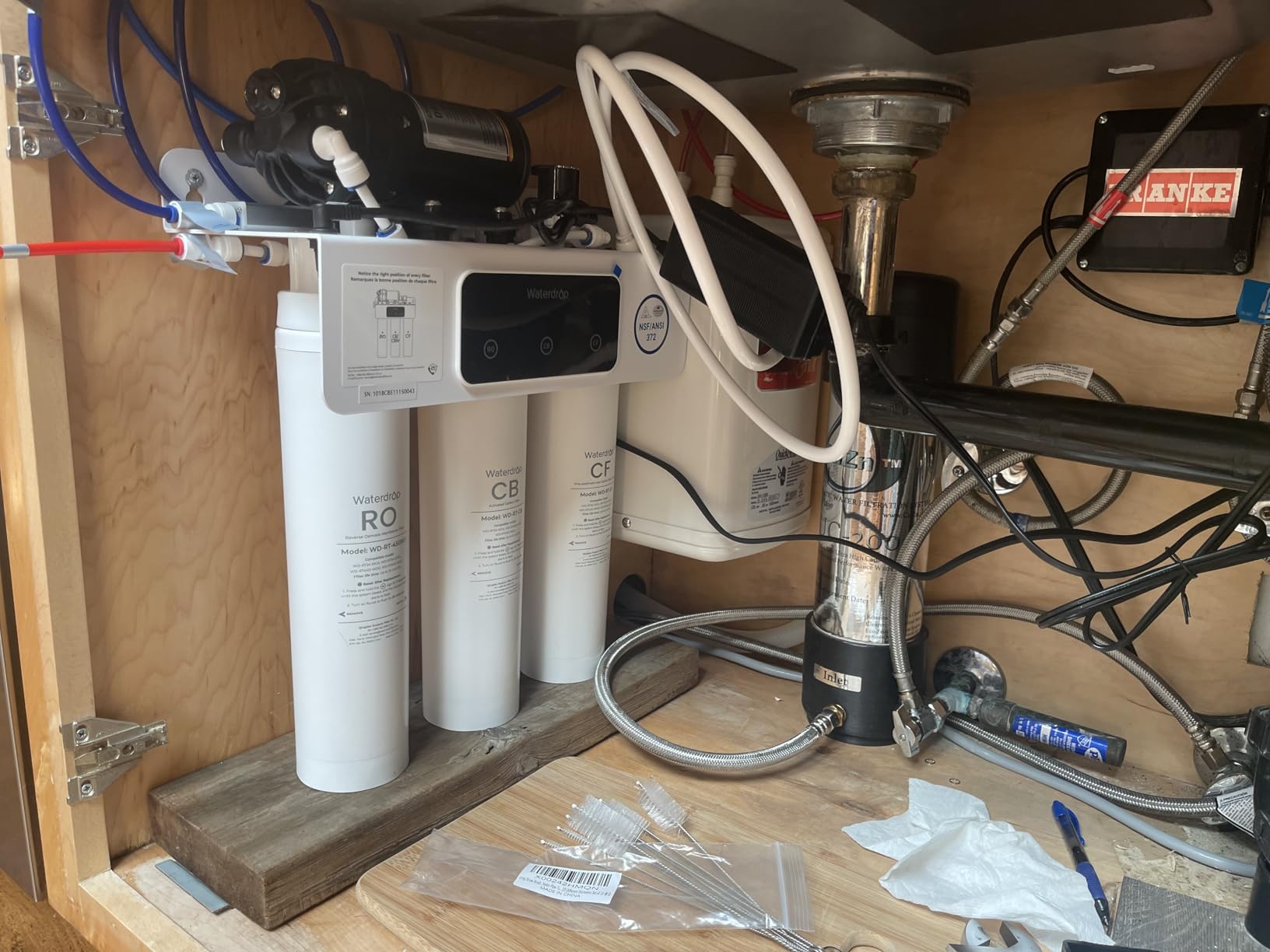
Maintenance is where this system pulls ahead of its class. The all-in-one cartridge design means the whole filter set changes in seconds without tools, which is a genuine upgrade over the three-canister layout of most under-sink systems. There is also continuous automatic flushing and an LED indicator light for status.
The filter schedule is generous: a six-month carbon fiber stage, a twelve-month carbon block and a twenty-four-month RO membrane. That long membrane interval means fewer service visits and fewer opportunities for a missed change to hurt performance.
Water efficiency sits at a 2:1 pure-to-drain ratio, matching the better tankless models here, and the certification is NSF/ANSI 372 with third-party laboratory testing behind it.
Where the single-cartridge design earns its keep
Multi-canister systems have three separate housing seals, three gaskets and three opportunities to leak. Consolidating the filters into one cartridge removes most of that failure surface, and it also removes the wrench from the maintenance routine entirely.
For a renter or a first-time buyer, that simplicity is worth more than a marginally higher capacity figure. You can install it, monitor it through the LED and change it without learning how inline housings thread together.
Where it falls short
Evidence. With 482 reviews, this is the smallest review base in our group, which means less long-term durability data than the iSpring and APEC systems offer. That is a normal consequence of being a newer listing rather than a defect, but it is a fair reason to factor warranty terms into the decision.
Two practical limits as well. Throughput of 450 GPD sits below the 500 and 600 GPD systems, and the faucet requires drilling holes in the countertop. The mineral media is also described more generally than rivals that name individual minerals, so if a specific mineral profile matters to you, this is not the one to shortlist.
Buying Guide: How to Choose an RO System That Adds Minerals Back
Alkaline filter vs remineralization filter: what each one actually does
A remineralization filter puts specific minerals back into the water. A true remineralization cartridge names what it adds, typically calcium and magnesium, and sometimes potassium, sodium or a calcite blend that raises pH as a side effect of dissolution. The point is to restore a mineral profile close to what the membrane removed.
An alkaline filter is often a related but different product. Many are calcite-based, dissolving to raise pH toward 8 or 9 and raising total hardness slightly as a consequence. They make water taste better and feel less acidic, but the mineral profile they produce is narrower than a dedicated remineralization stage.
The distinction matters most for coffee. The Specialty Coffee Association water standard asks for a target total hardness and alkalinity rather than simply a high pH, because espresso extraction depends on dissolved minerals carrying acidity through the brew. A pH-only alkaline cartridge gets you part of the way there. A stage naming calcium and magnesium gets you closer. On this list, the SimPure and Waterdrop G5P500A name specific minerals most explicitly, and the Home Master TMAFC uses a two-pass approach to add them twice.
There is also the TDS signal to understand. A remineralized system will never read zero on a TDS meter, because the minerals you added are exactly what the meter counts. A rising TDS reading on a mineralized system usually means the membrane is approaching end of life, while a sudden drop to near-zero readings suggests the mineral stage has been exhausted and no longer contributes.
Tank vs tankless and what the pure-to-waste ratio means for you
A tank-based system stores purified water in a pressurized vessel. That buffer is what allows slow membrane production to keep up with an impatient user, and it is why 75 GPD tank systems have served households for decades. The costs are cabinet space and a plastic surface that water sits against for hours, sometimes days.
A tankless system streams water on demand, which means faster cups and no tank biofilm risk, but it depends on inlet pressure and usually needs a pump and an outlet. On a well with marginal pressure, or in a kitchen with no outlet, that is a real limitation.
The pure-to-waste ratio tells you how much feed water goes to the drain for every gallon you drink. Conventional tank-based RO often runs at 3:1 to 5:1, meaning four to five gallons of tap water become one gallon of purified water. The tankless models here sit at 2:1, and the SimPure claims 1.5:1. On municipal water that difference is modest in practice. On a metered supply or in a drought-restricted region, it becomes a reason to prefer the tighter ratio.
TDS creep deserves a mention because it confuses tankless owners. When a tankless system has not been used for a while, residual water in the membrane housing and tubing picks up minerals from those surfaces, and the first glass reads higher than the steady-state reading. A short flush clears it. If your first glass tastes flat or metallic after a few days away, run the tap for fifteen to thirty seconds before pouring.
Reading certifications without getting lost in the numbers
NSF/ANSI 58 is the standard for reverse osmosis and the one that matters most. The detail that separates a serious claim from a marketing line is scope, because NSF certifies individual components as well as complete systems. A component-certified system can perform well, but a system certified as a whole has been evaluated in the configuration you actually receive.
NSF/ANSI 42 covers aesthetic reduction, meaning chlorine, taste and odor, which is what your carbon stages are certified for. NSF/ANSI 53 covers health-related contaminants at higher concentrations than 58 requires, and Frizzlife’s PD600-TAM3 carries it. NSF/ANSI 372 covers lead-free materials, which matters for the faucet and any component touching drinking water.
Other marks you will see include WQA certification, which APEC holds, and independent laboratory testing against NSF/ANSI 58, which is how the SimPure was evaluated. None of these is a substitute for reading what the claim covers. Look for the specific contaminant list, and confirm the component or system is named on the listing rather than assumed from the brand.
One more practical check: feed water limits. Several models here cap input at 500 or 1,000 ppm TDS, while others accept up to 2,000 ppm. Exceeding the ceiling shortens membrane life and can void a warranty, so measure your source water before choosing.
Five-year cost: proprietary cartridges vs standard inline filters
The purchase price is rarely what you actually pay. Filters, membrane replacements and water waste make up the running total, and they differ enormously between designs.
Standard inline cartridges, used by APEC and by most iSpring canister systems, can be bought from any filtration retailer or plumbing supplier at a fraction of what sealed cartridges cost. That is the strongest argument for a tank-based standard-housing design if you plan to keep the system for many years.
All-in-one and proprietary cartridges, used by the Waterdrop and SimPure designs here, cost more per change but consolidate into a single swap. The cartridge itself lists a schedule of six months for the carbon fiber stage, twelve months for the carbon block and twenty-four months for the membrane, so the number of purchases per year is low.
Run the comparison in three steps. First, count the filter sets per year for each design using the documented schedule. Second, add the membrane replacement every two to three years, since that dominates the cost. Third, multiply the feed water volume by your utility rate using the stated pure-to-waste ratio. A unit that costs more per filter but wastes half the water can still be cheaper over five years in a metered home.
Matching the output water to coffee standards
The Specialty Coffee Association publishes a water standard, and it is the most useful target for anyone buying an RO system mainly to brew on. It asks for total hardness in a defined range, a total alkalinity band, a free chlorine level near zero, and pH close to neutral rather than aggressively alkaline.
This matters because an RO system tuned for maximum purity can produce coffee water that extracts unevenly. Water with almost no dissolved minerals cannot buffer acidity in the grounds, so the brew tastes harsh and thin no matter how good the beans are. Adding calcium and magnesium back raises hardness into the range brewers want, and potassium in the mix contributes to that buffering.
On this list, the systems that name their minerals serve brewers best. The SimPure T1-400ALK states calcium, magnesium and potassium. The Waterdrop G5P500A names calcium, magnesium, sodium and potassium. The Home Master TMAFC adds calcium and magnesium through two passes, which is why it produces the most natural mineral profile of the tank-based group. A pH-only alkaline cartridge raises the number on a meter but does not necessarily give you the hardness brewers need.
One practical note for brewers: measure your finished water rather than trusting the label. A TDS meter in the range of roughly 75 to 150 ppm on remineralized RO water is a reasonable starting point for most light to medium roasts. If your TDS reads near zero, the mineral stage is exhausted. If it climbs steadily over months, the membrane is approaching the end of its useful life.
What long-term owners report, and where the recurring complaints come from
Reading a thousand reviews taught us that the same handful of issues generate almost every complaint in this category. Knowing them in advance saves buyers from rediscovering them after the countertop hole is drilled.
Proprietary cartridges lock people into one brand and one price for every future filter. That is the most common long-term complaint in water treatment communities, and it is why buyers who plan to keep a system for a decade often prefer standard inline housings. APEC systems are the clearest example here: the parts are ordinary inline cartridges that any plumbing supplier carries. r/WaterTreatment discussions about long-term ownership return to that same point about filter cost over a five-year horizon rather than the purchase price.
Tankless TDS creep is the second recurring theme. Owners describe the first glass after several days of inactivity tasting wrong, then discovering the steady-state reading was fine all along. The fix is a fifteen to thirty second flush, and it is a habit worth building into the first week after installation.
The third pattern is noise. Electric booster pumps and tankless pumps make themselves known in a quiet kitchen, and several owners on r/WaterTreatment mention noise as the reason they moved from a tankless unit back to a pressurized tank. If your kitchen is next to where you sleep or work, weigh that before choosing the faster format.
Finally, install reality. Faucet hole diameter, countertop thickness and drain line drilling are the curveballs that turn a one-hour job into an afternoon. r/pourover and r/PFAS discussions both reflect the same priority: people pursuing RO usually care about contaminant reduction first, and treat taste as the reason they stay with a system rather than abandon it.
Tankless, countertop and renters, plus well water pretreatment
Renters face a specific constraint: under-sink installation usually means drilling a hole you cannot drill. That rules out any system with a faucet requiring countertop drilling, which on this list includes both Waterdrop models. A countertop unit avoids the problem entirely, though none of the ten systems here is a countertop design, so renters typically choose between a no-drill under-sink install with a clamp-style faucet or accepting the drilling rule in their lease.
Refrigerator and ice maker hookups vary by brand. A system that supports a dedicated feed interface saves you from improvising an adapter and a pressure-relief solution. On this list the Waterdrop G5P500A pairs with the Waterdrop XT interface. Other tank-based systems can feed a fridge with an added kit and sometimes a secondary tank, since appliance valves and RO pressure do not always get along.
Well water needs pretreatment before any RO system. If iron exceeds roughly 0.3 ppm, add an iron filter, because iron fouls membranes faster than any other common contaminant. Hardness above about 7 grains per gallon calls for a softener upstream. Iron bacteria or any bacterial load calls for UV, which is the reason the SimPure T1-400ALK and the NU Aqua unit are worth a look for well owners.
Finally, measure the space. Note the chassis dimensions in the spec tables here, plus the faucet footprint, plus the room needed to pull a canister out for a filter change. A system that fits on paper but cannot be serviced in place becomes a permanent frustration.
Frequently Asked Questions
Which RO system has the best remineralization feature?
The Home Master TMAFC stands out because it is the only system here with patented 2-pass remineralization, adding calcium and magnesium twice during purification rather than once at the end. That second pass is designed to slow tank degradation and produces water owners describe as tasting like natural mineral water. For stage clarity, the SimPure T1-400ALK and Waterdrop G5P500A name specific minerals, including calcium, magnesium and potassium.
Should you remineralize reverse osmosis water?
Most people should, for two practical reasons. First, taste: an unremineralized membrane strips nearly everything and produces water people describe as flat, which is why so many households abandon a perfectly good filter. Second, mineral balance: RO water is slightly acidic, and slightly acidic water held in contact with pipes, containers and a plastic tank can leach from those surfaces. Remineralization restores calcium and magnesium and pushes pH toward neutral or mildly alkaline.
Which RO is best for alkaline water?
If you want the highest pH range, look for a stage that explicitly targets a number: the Frizzlife PD600-TAM3 states its third stage raises pH above 7.5. If you want a balanced mineral profile rather than pH alone, the Home Master TMAFC adds calcium and magnesium through two passes. If you want named minerals with a UV stage added for pathogen protection, the SimPure T1-400ALK lists calcium, magnesium and potassium explicitly.
Is reverse osmosis or alkaline better for you?
They solve different problems, so the choice depends on what is wrong with your water. Reverse osmosis removes dissolved contaminants including PFAS, lead, fluoride, arsenic, nitrates and dissolved metals, and it reduces total dissolved solids dramatically. Alkaline systems raise pH and add a limited mineral load, which improves taste and reduces acidity but does not remove contaminants to the same degree. If your concern is contaminants, RO is the answer; if it is acidity and taste on already-clean water, an alkaline filter may be enough.
Are you supposed to remineralize reverse osmosis water?
You are not supposed to, in the sense that remineralization is optional rather than required for the membrane to work. It is a finishing step. Without it you get the purest output possible, which measures near zero on a TDS meter, but the water tastes flat and carries no calcium or magnesium. With it, you get water that tastes closer to natural mineral water and sits at a more neutral pH, at the cost of a small amount of residual TDS.
Is reverse osmosis water hard on the kidneys?
For most people, no. Kidney concerns generally apply to people with existing kidney disease, who are advised to limit mineral and electrolyte intake for specific clinical reasons rather than because of RO water generally. For healthy adults drinking normal amounts of filtered water, the mineral content added by a remineralization stage is trivial next to the minerals obtained from food. If you have been diagnosed with a condition that restricts minerals or potassium, discuss it with your clinician before changing your water source.
The Best Reverse Osmosis System With Alkaline Remineralization for 2026
The iSpring RCC7AK-BN is our pick for most people in 2026. It combines complete-system NSF/ANSI 58 certification, a named alkaline mineral stage, a transparent filter housing and more than 21,000 owner ratings, with no electrical outlet required. The Frizzlife PD600-TAM3 is the choice when cabinet space and flow speed matter most, and the APEC ROES-PH75 is the value pick for anyone who plans to keep the same unit for a decade.
What matters most across all ten is the same thing: a system that adds minerals back rather than stripping them away, keeps standard parts available, and fits the space and power you actually have. Measure your cabinet, check your feed water TDS, then pick from the reviews above. If you want a wider look at formats, our complete remineralization roundup covers systems beyond this list.