
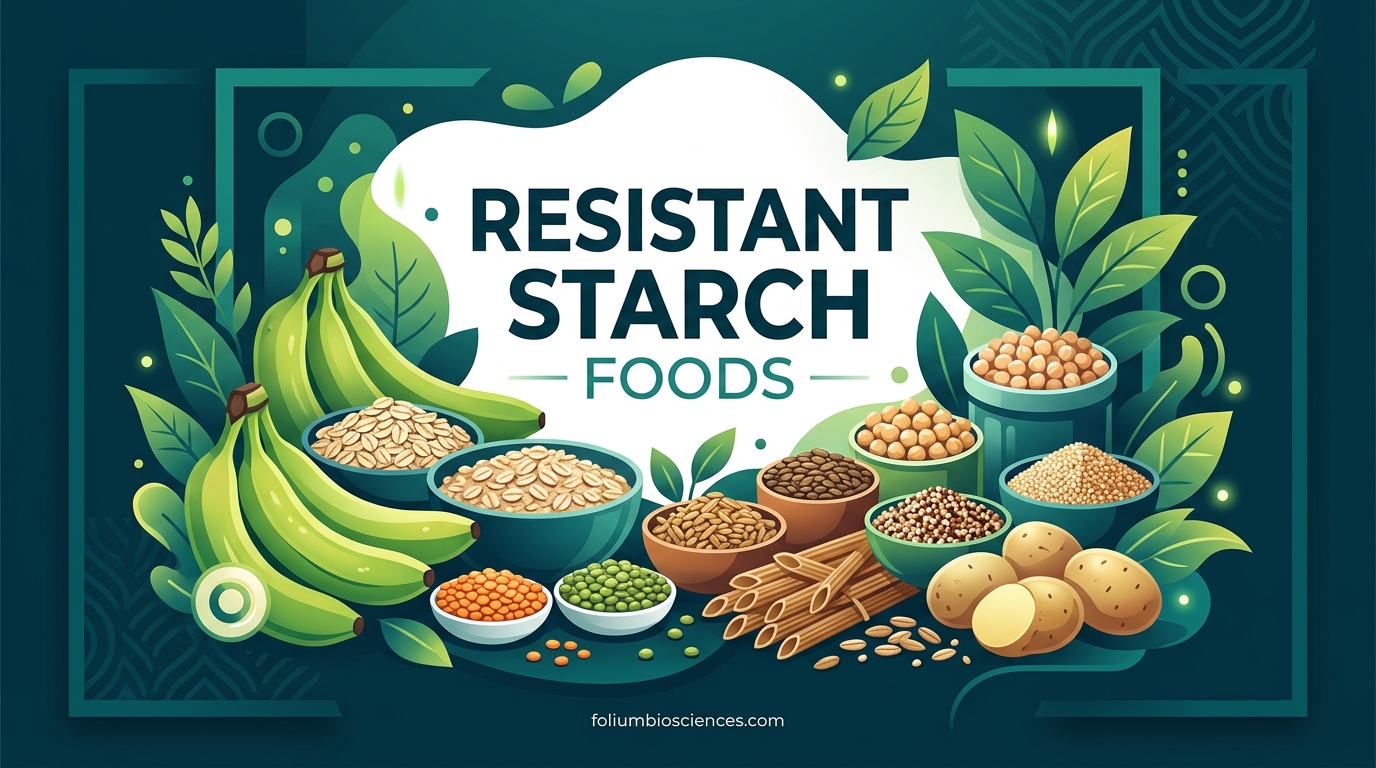
When you cook a pot of rice or bake a batch of potatoes, you probably serve them hot and fresh off the stove. But what if I told you that letting those same foods sit in your fridge overnight actually transforms their starch into something far more beneficial for your body? That is the basic idea behind resistant starch foods, and the science behind cooked vs cooled rice and potato is more fascinating than most people realize.
In this guide, I will walk through exactly what resistant starch is, why the cooling process matters so much, and how you can use this knowledge to improve your gut health, blood sugar control, and overall nutrition in 2026. I have spent months digging into the research behind resistant starch foods, and the findings are surprisingly practical for everyday meal prep.
Whether you are meal-prepping for the week or just curious about why potato salad might actually be healthier than a hot baked potato, this article covers the science, the specific numbers, and the actionable tips you need. Let us start with the fundamentals.
Table of Contents
What Is Resistant Starch?
Resistant starch is a type of carbohydrate that resists digestion in your small intestine and instead travels to your large intestine, where it ferments and feeds beneficial gut bacteria. Unlike regular starches that your body breaks down into glucose right away, resistant starch behaves more like soluble fiber. Your body does not absorb it as sugar, so it does not cause the same blood sugar spike that regular starch does.
There are four main types of resistant starch, but the one most relevant to cooked and cooled foods is called RS3, or retrograded starch. This type forms when certain starchy foods are cooked and then cooled. The cooling process causes the starch molecules to rearrange into a structure that your digestive enzymes have a much harder time breaking down. That structural change is what makes the starch “resistant” to normal digestion.
Resistant starch foods matter because this special carbohydrate feeds the good bacteria in your colon. Those bacteria ferment the starch and produce short-chain fatty acids, particularly one called butyrate. Butyrate serves as the primary energy source for the cells lining your colon and plays a central role in gut health, inflammation control, and even immune function.
Most people consume far less resistant starch than they should. Research suggests aiming for around 15 to 30 grams per day, but the average intake in Western diets sits closer to 3 to 8 grams. The good news is that you can significantly boost your intake with a simple change: cooking your starchy foods ahead of time and eating them cooled or reheated.
The concept is straightforward enough that anyone can apply it. You do not need special ingredients or expensive supplements. The transformation happens naturally through a process called starch retrogradation, which I will explain in detail next.
How Does Cooling Create Resistant Starch? (Starch Retrogradation Explained)
The process that creates resistant starch when you cool cooked food is called starch retrogradation. To understand why it happens, you need to know a little about what starch is made of. Starch consists of two types of molecules: amylose, which has a straight-chain structure, and amylopectin, which has a branched structure. Foods higher in amylose tend to form more resistant starch during cooling because those straight chains can align more tightly.
When you cook a starchy food like rice or a potato, the heat and water cause the starch granules to swell and burst. This process, called gelatinization, is what makes the food soft and digestible. The amylose and amylopectin chains separate and float freely in the water within the food. At this stage, the starch is fully available for digestion, which is why hot rice and hot potatoes cause a rapid blood sugar rise.
Here is where the transformation happens. When you cool that cooked food, those free-floating starch molecules start to realign and form new crystalline structures. The amylose chains are particularly good at this. They lock together in tight configurations that your digestive enzymes simply cannot penetrate easily. This crystallization is starch retrogradation, and it is the reason cooled rice and cooled potatoes contain significantly more resistant starch than their hot counterparts.
The cooling process takes time to complete. Research shows that most of the retrogradation happens within the first 12 hours of refrigeration, but the resistant starch content continues to increase for up to 24 hours. For best results, cooked rice or potatoes should spend at least 12 to 24 hours in the refrigerator at around 4 degrees Celsius (39 degrees Fahrenheit). Temperature matters too. Room temperature cooling does not produce the same effect as refrigerator-level cooling.
One detail that surprised me when I first looked into this: the amylose-to-amylopectin ratio in different rice varieties directly affects how much resistant starch forms. Basmati rice and long-grain rice, which have higher amylose content, tend to form more resistant starch than short-grain sticky rice varieties when cooled. This is why the type of rice you choose actually matters for resistant starch formation, not just the cooling process itself.
Resistant Starch in Cooked vs Cooled Rice
Rice is one of the most widely studied foods when it comes to resistant starch formation, and the data is clear: cooling cooked rice significantly increases its resistant starch content. A freshly cooked serving of white rice contains roughly 0.3 to 0.6 grams of resistant starch per 100 grams. After 24 hours of refrigeration, that number jumps to approximately 1.2 to 1.65 grams per 100 grams. That is roughly a two to threefold increase just from cooling.
Brown rice starts with a slight advantage because of its higher amylose content compared to white rice. Cooled brown rice can reach around 1.7 to 2.0 grams of resistant starch per 100 grams. Long-grain varieties like basmati and jasmine rice generally form more resistant starch than short-grain varieties because of their higher amylose-to-amylopectin ratio.
The method you use to cook rice can also influence the final resistant starch content. Cooking rice with less water (as in the absorption method) and then cooling it tends to produce slightly higher RS values than boiling rice in excess water and draining it. The reason is that the absorption method preserves more of the starch within the grain, giving it more material to retrograde during cooling.
For practical meal prep, here is what I recommend. Cook a large batch of rice using the absorption method, spread it on a sheet tray to cool quickly, and then refrigerate it in an airtight container for at least 12 hours. After that, you can use it in rice salads, stir-fries, or grain bowls. The resistant starch content remains even if you reheat the rice later, which I will cover in more detail in a separate section below.
Resistant Starch in Cooked vs Cooled Potatoes
Potatoes follow the same basic principle as rice, but the numbers and the variety differences are worth paying attention to. A hot baked potato contains roughly 0.4 to 0.8 grams of resistant starch per 100 grams. Once that potato is cooked, cooled, and refrigerated for 12 to 24 hours, the resistant starch content rises to approximately 1.3 to 2.2 grams per 100 grams depending on the variety.
Potato variety makes a real difference in how much resistant starch forms. Russet potatoes tend to form the most resistant starch after cooling, thanks to their higher amylose content. Yukon Gold potatoes fall in the middle range. Waxy varieties like red potatoes and fingerlings form somewhat less resistant starch because they are higher in amylopectin, which does not retrograde as effectively as amylose.
The way you prepare the potato also matters. Boiled potatoes that are cooled seem to form slightly more resistant starch than baked potatoes that are cooled, though both methods produce a meaningful increase. The difference likely comes down to how the starch granules gelatinize in the presence of more water during boiling versus the drier environment of baking.
One practical approach I like is boiling a batch of baby potatoes on Sunday, refrigerating them overnight, and using them throughout the week in potato salads or as a quick side dish that I briefly reheat. You get the resistant starch benefits without sacrificing the eating experience of a warm potato dish.
Other Foods High in Resistant Starch
While rice and potatoes get most of the attention, they are far from the only resistant starch foods worth knowing about. Here are several other sources that can help you reach your daily target of 15 to 30 grams.
Green bananas and plantains are among the richest natural sources of resistant starch, specifically RS2, which occurs naturally in unripe fruits before the starch has gelatinized through ripening. A single green banana can contain 4 to 6 grams of resistant starch. As bananas ripen and turn yellow, that starch converts to sugar, so timing matters significantly.
Oats and barley contain resistant starch in their raw form, and cooking then cooling them increases it further. Overnight oats made with rolled oats and refrigerated for 12 hours are an easy and convenient way to get more RS at breakfast without any extra effort.
Beans and legumes including chickpeas, lentils, navy beans, and black beans are excellent sources that many people overlook. A half-cup serving of cooked and cooled lentils provides roughly 2 to 4 grams of resistant starch. Soaking and cooking dried beans from scratch, then refrigerating them, maximizes the RS content compared to canned beans.
Cooked and cooled pasta also undergoes starch retrogradation, though the increase is modest compared to rice and potatoes. Cooled pasta contains roughly 1.0 to 1.4 grams of resistant starch per 100 grams. If you already make pasta salads, you are already getting some of this benefit without realizing it.
Raw potato starch (the powdered product found in grocery stores, not raw potatoes themselves) is a concentrated source containing about 8 grams of resistant starch per tablespoon. Some people add it to smoothies or mix it into cold water. While convenient, I recommend getting your resistant starch from whole foods when possible because they provide additional nutrients, fiber, and vitamins that isolated starch powder does not.
Health Benefits of Resistant Starch Foods
The reason resistant starch foods have gained so much attention in the nutrition world comes down to the wide range of health benefits they offer. I have broken down the most significant ones based on the current research available in 2026.
Gut Health and Microbiome Support
Resistant starch acts as a prebiotic, meaning it feeds the beneficial bacteria in your gut. When these bacteria ferment resistant starch, they produce short-chain fatty acids, primarily butyrate, acetate, and propionate. Butyrate is especially important because it serves as the main fuel source for your colon cells, helping maintain the integrity of your gut lining. A stronger gut barrier means less inflammation and better nutrient absorption throughout your digestive system.
Studies have shown that increasing resistant starch intake can shift the composition of your gut microbiome within just a few weeks, promoting the growth of beneficial species like Bifidobacteria and reducing potentially harmful ones. This shift toward a healthier microbiome composition has cascading effects on immunity, mood, and even skin health according to emerging research.
Blood Sugar Control and Insulin Sensitivity
One of the most well-documented benefits of resistant starch is its effect on blood sugar. Because resistant starch is not digested into glucose in the small intestine, it does not cause the rapid blood sugar spike that regular starch does. Research published in journals focused on diabetes nutrition shows that meals containing resistant starch produce a significantly lower glycemic response compared to the same meals made with freshly cooked starch.
Over time, regular consumption of resistant starch foods can improve insulin sensitivity, meaning your cells become more responsive to insulin and better at managing blood glucose levels. This is particularly relevant for anyone managing prediabetes, type 2 diabetes, or metabolic syndrome. The Hopkins Diabetes Center specifically highlights resistant starch as a dietary strategy worth considering for glycemic control in their patient education materials.
Satiety and Weight Management
Resistant starch helps you feel fuller for longer after eating. Because it ferments slowly in the colon rather than being absorbed quickly in the small intestine, it triggers the release of satiety hormones including GLP-1, the same hormone targeted by many popular weight management medications. One study cited by EatingWell found that participants who increased their resistant starch intake lost an average of 2.8 kilograms over the study period without making any other dietary changes.
The satiety effect makes sense when you think about the mechanics. Resistant starch foods take up physical space in your digestive system, slow down gastric emptying, and keep your blood sugar stable for hours after a meal. All of these factors contribute to reduced hunger and fewer cravings between meals, which naturally supports weight management over time.
Cholesterol Reduction
Several studies have found that regular resistant starch consumption can help lower total cholesterol and LDL cholesterol levels. The short-chain fatty acids produced during fermentation, particularly propionate, appear to play a role in inhibiting cholesterol synthesis in the liver. While the effects are modest compared to medication, they are meaningful as part of a broader dietary strategy that includes other fiber-rich foods.
Colon Health and Cancer Prevention
The butyrate produced from resistant starch fermentation does more than fuel colon cells. Research suggests it may help reduce the risk of colon cancer by promoting healthy cell turnover, reducing chronic inflammation in the colon lining, and creating an environment less favorable for tumor development. This is one of the reasons dietary fiber and resistant starch are consistently associated with lower colorectal cancer risk in large population studies spanning decades.
Does Reheating Destroy Resistant Starch?
This is one of the most common questions people ask, and the answer surprises many: reheating does not significantly destroy the resistant starch that formed during cooling. The crystalline structures created during starch retrogradation are remarkably stable even when exposed to moderate heat. Studies have shown that reheating cooled rice or potatoes to normal eating temperatures preserves roughly 80 to 90 percent of the resistant starch that was formed during the refrigeration period.
In fact, some research suggests that cycling between cooking, cooling, and reheating may actually increase resistant starch content even further. Each cooling period gives the starch molecules another opportunity to retrograde and form those resistant crystalline structures. This means you can safely reheat your leftover rice or potatoes without worrying about undoing the benefits of the initial cooling process.
This finding has huge practical implications for meal prep. You do not have to eat cold rice or cold potatoes to get the resistant starch benefits. You can cook your rice on Sunday, refrigerate it until Wednesday, reheat it in the microwave or on the stove, and still get most of the resistant starch that formed during those days of cooling. The key factor is that initial cooling period of at least 12 hours in the refrigerator.
How to Get More Resistant Starch in Your Diet
Now that you understand the science behind resistant starch foods, here are practical strategies I recommend for increasing your intake without completely overhauling your current diet in 2026.
1. Cook starchy foods ahead of time. This is the single most effective strategy you can implement today. Cook your rice, potatoes, pasta, or beans a day before you plan to eat them. Refrigerate for at least 12 hours, ideally 24. The resistant starch will form during that cooling period and remain even after reheating.
2. Aim for 15 to 30 grams per day. Most research on the health benefits of resistant starch uses doses in this range. Start with smaller amounts and work your way up gradually. If you currently eat very little resistant starch, suddenly adding 30 grams can cause gas and bloating as your gut bacteria adjust to the new food source.
3. Start slow and build gradually. This tip comes directly from people in online communities who have been eating resistant starch foods regularly for years. Reddit users on the ResistantStarch forum consistently recommend starting with just 5 to 10 grams per day and increasing by a few grams each week. This gives your gut microbiome time to adapt without uncomfortable side effects like gas, bloating, or cramping.
4. Mix your sources throughout the week. Do not rely on just rice or just potatoes. Rotate between cooled rice, cooled potatoes, beans, green bananas, overnight oats, and cooled pasta. Different foods provide different types of resistant starch, and variety supports a more diverse and resilient gut microbiome.
5. Try these practical meal prep ideas:
- Cook a large batch of basmati rice on Sunday, refrigerate overnight, and use it in grain bowls, stir-fries, or fried rice throughout the week.
- Boil baby potatoes on meal prep day, refrigerate them overnight, and use them in potato salad or quickly reheat them for a side dish.
- Prepare overnight oats with rolled oats, chia seeds, and your milk of choice. The 12-hour soak in the fridge creates resistant starch while you sleep.
- Cook a big pot of lentils or chickpeas, cool them in the fridge overnight, and add them to salads, soups, or wraps all week long.
- Keep green bananas on hand and eat them before they fully ripen for a quick and easy resistant starch boost.
- Make a large batch of pasta salad with cooled pasta, vegetables, and a light vinaigrette for easy lunches throughout the week.
6. Consider food sources before supplements. While raw potato starch and other resistant starch supplements are widely available, whole foods provide resistant starch along with vitamins, minerals, phytonutrients, and other beneficial compounds that work together synergistically. I always recommend getting your nutrients from food first and using supplements only if you have a specific reason or dietary restriction that makes whole food sources impractical.
FAQ
Does reheating cold potatoes destroy the resistant starch?
No, reheating cold potatoes does not significantly destroy the resistant starch. The crystalline structures formed during cooling are stable, and studies show that reheating preserves approximately 80 to 90 percent of the resistant starch content. In some cases, cycling between cooling and reheating may even increase the resistant starch further.
How long does it take for cooked and cooled potatoes to turn into resistant starch?
Most of the resistant starch formation in cooked potatoes occurs within the first 12 hours of refrigeration. However, the resistant starch content continues to increase for up to 24 hours. For the best results, refrigerate cooked potatoes for at least 12 to 24 hours at around 4 degrees Celsius (39 degrees Fahrenheit) before eating or reheating.
Does reheating cooked rice destroy resistant starch?
No, reheating cooked rice does not destroy the resistant starch that formed during cooling. Research confirms that reheating cooled rice to normal eating temperatures preserves roughly 80 to 90 percent of the resistant starch. You can safely reheat leftover rice without losing the benefits of the cooling process.
Are cooked and cooled potatoes a resistant starch?
Yes, cooked and cooled potatoes are a source of resistant starch, specifically type 3 resistant starch (RS3), which forms through a process called starch retrogradation. When potatoes are cooked and then cooled for 12 to 24 hours, the starch molecules rearrange into crystalline structures that resist digestion in the small intestine. A cooled potato contains roughly 1.3 to 2.2 grams of resistant starch per 100 grams, compared to 0.4 to 0.8 grams in a hot potato.
How much resistant starch should I eat per day?
Most research suggests aiming for 15 to 30 grams of resistant starch per day for meaningful health benefits. The average Western diet provides only about 3 to 8 grams daily. If you are new to resistant starch foods, start with 5 to 10 grams per day and gradually increase over several weeks to avoid gas and bloating as your gut bacteria adjust.
Key Takeaways on Resistant Starch Foods
Understanding resistant starch foods and the difference between cooked vs cooled rice and potato comes down to a few key points. Cooking and then cooling starchy foods for 12 to 24 hours triggers starch retrogradation, which transforms some of the regular starch into resistant starch type 3 (RS3). This structural change happens at the molecular level as amylose chains lock together into tight crystalline formations that your digestive enzymes cannot easily break apart.
The health benefits are well documented and wide ranging: improved gut health through butyrate production, better blood sugar control and improved insulin sensitivity, increased satiety through GLP-1 hormone release, potential cholesterol reduction through propionate production, and colon health support. These benefits accumulate over time with consistent daily intake.
Practically speaking, the strategy is simple to implement. Cook your rice, potatoes, beans, and pasta a day ahead of when you plan to eat them. Refrigerate them overnight for at least 12 hours. Reheat if you want to eat them warm. You will retain roughly 80 to 90 percent of the resistant starch that formed during cooling, and in some cases, repeated cook-cool cycles may even increase it further. Start with small amounts if you are new to resistant starch foods, and build up gradually over a few weeks to give your gut bacteria time to adapt without discomfort.
Small changes in how you prepare your food can make a real difference in your health over time. Resistant starch foods are not a passing fad; they are a well-researched nutritional strategy backed by decades of science on starch retrogradation, gut fermentation, and metabolic health. The next time you cook rice or bake potatoes, try making extra and letting the fridge do the work overnight. Your gut bacteria will thank you for it.