
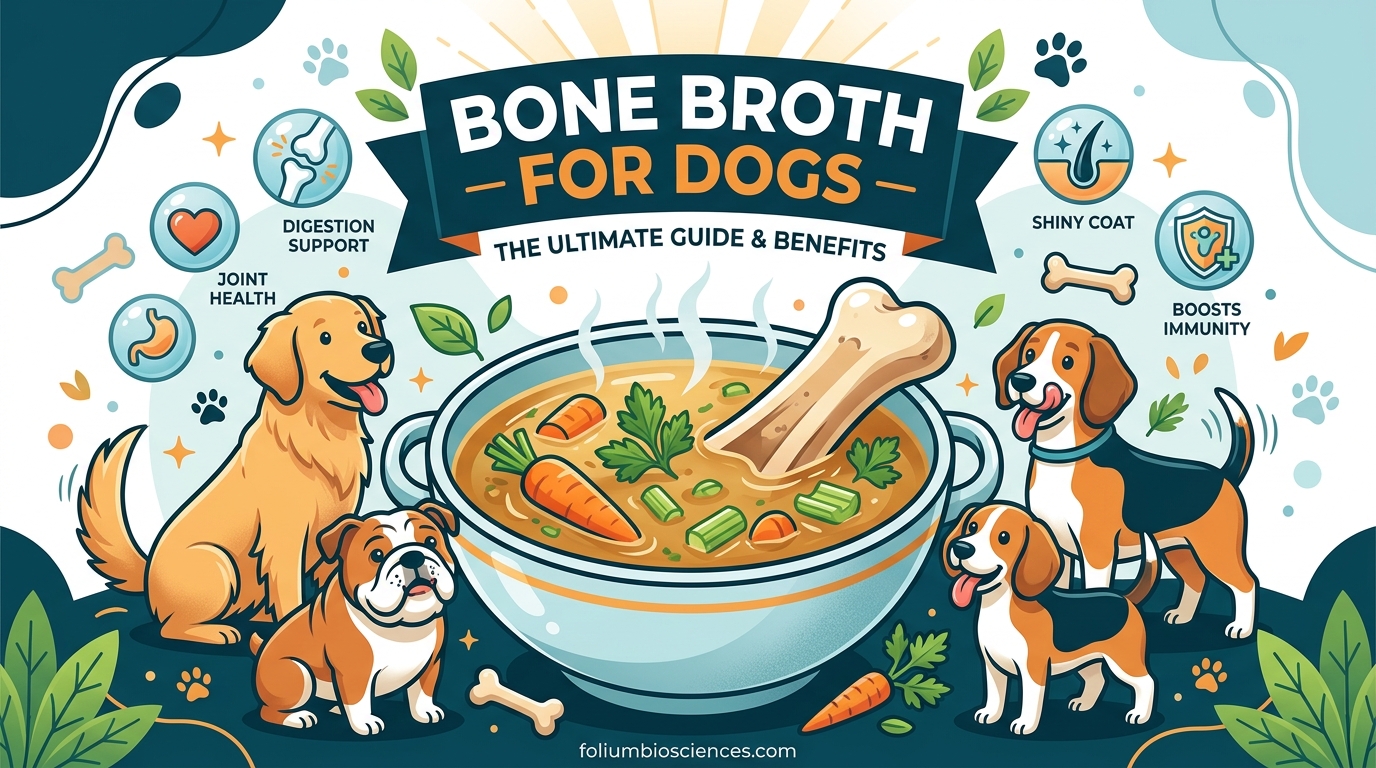
Our team has been making bone broth for our own dogs for over three years now. We started when our senior German Shepherd, Max, began showing signs of joint stiffness. After weeks of research and many batches tested, we found that homemade bone broth for dogs became one of the simplest and most effective additions to his diet. If you have ever wondered how to make this nutritious treat safely at home, we will walk you through every step.
In this complete guide, you will learn exactly what bone broth is, why it works so well for dogs, how to make it safely with simple ingredients, and the critical warnings you need to know before serving it to your pet. We cover everything from the science behind collagen and gelatin to step-by-step instructions that work on your stovetop, slow cooker, or Instant Pot.
Table of Contents
What Is Bone Broth for Dogs
Bone broth is a nutrient-rich liquid made by simmering animal bones with vegetables and herbs for an extended period, typically between 12 and 48 hours. The long cooking process breaks down the bones and connective tissues, releasing collagen, gelatin, and minerals into the water.
The key difference between bone broth and regular stock lies in cooking time and ingredient choice. Broth simmers for many hours, extracting maximum nutrients from the bones. Stock typically cooks for a shorter period and may contain more meat. When we make bone broth for dogs, we aim for that extended simmer to pull every possible benefit from the bones.
The magic happens because of two proteins found in animal connective tissues: collagen and gelatin. Collagen converts to gelatin during the slow cooking process. Both are packed with amino acids like glycine and proline that support your dog from the inside out. When the broth cools and gels, you know you have successfully extracted the good stuff.
Key Health Benefits of Bone Broth for Dogs
Joint and Mobility Support
Dogs of all ages deal with joint stress, but it becomes especially noticeable in aging pets. The collagen in bone broth contains compounds that support cartilage and connective tissue repair. Glycosaminoglycans like chondroitin sulfate and hyaluronic acid also appear in properly made bone broth, both of which support joint flexibility and comfort.
Our team noticed a difference in Max within about six weeks of adding bone broth to his meals. He seemed more willing to climb the stairs and less stiff after his morning walks. While bone broth is not a miracle cure, the nutrients it provides work alongside your dog natural body processes to support mobility.
Digestive and Gut Health
The gelatin in bone broth coats and soothe the digestive tract, which makes it particularly helpful for dogs with sensitive stomachs or digestive issues. Glycine supports the stomach lining, while glutamine helps maintain intestinal integrity.
Many dog owners on forums report that bone broth helps their pets recover from digestive upset more quickly. The gentle nutrients are easy to absorb, even when a dogs appetite or digestion is compromised. We have used bone broth to help our own dogs through episodes of stomach sensitivity with good results.
Hydration and Nutrient Absorption
Dogs do not always drink enough water, especially if they eat primarily dry kibble. Adding bone broth to meals increases fluid intake while also providing trace minerals like calcium, phosphorus, and magnesium that support overall health.
The warm, flavorful liquid also encourages picky eaters to consume their regular food. When a dog is not feeling well or has lost interest in meals, the aroma and taste of bone broth often sparks their appetite.
Skin and Coat Health
Regular consumption of bone broth can lead to a shinier, softer coat thanks to the amino acids that support skin cell regeneration. The collagen helps maintain skin elasticity, while the hydration from the broth itself contributes to healthier skin.
Many owners on dog forums report that their dogs coat became noticeably shinier after a few weeks of regular bone broth servings. This is one of those benefits that becomes visible over time rather than immediately.
Benefits for Senior Dogs
Older dogs face multiple challenges: joint stiffness, reduced appetite, less efficient digestion, and declining immune function. Bone broth addresses several of these at once by providing easy-to-digest nutrients, joint-supporting compounds, and hydration in a palatable form.
Senior dogs often lose their enthusiasm for food, and bone broth can reignite that interest. The warmth and rich aroma appeal to aging senses, while the nutrient density means even small servings deliver value.
Encouraging Picky Eaters
If your dog turns up their nose at regular meals, bone broth can work as a topper that transforms an unexciting bowl of kibble into something worth eating. The rich flavor masks the taste of less appealing foods while adding nutritional value.
We tested this approach with a rescue beagle who refused to eat anything for her first three days in our home. A splash of bone broth over her kibble changed everything. She ate eagerly from that first serving onward.
Complete Ingredients for Homemade Bone Broth
Making bone broth for dogs requires only a handful of ingredients, most of which you likely already have in your kitchen. The key is using the right components and avoiding anything toxic to dogs.
Core Ingredients
- Raw marrow bones or knuckle bones (2-3 pounds) – never use cooked bones
- Water (enough to cover bones completely, typically 10-12 cups)
- Apple cider vinegar (1-2 tablespoons) – helps extract minerals from bones
- Carrots (1-2, roughly chopped)
- Celery (2-3 stalks, roughly chopped)
- Fresh parsley (a small handful)
Optional Additions
- Turmeric (a pinch, about 1/4 teaspoon) – supports inflammation response
- Ginger (a small piece, fresh or dried) – aids digestion
- Collagen peptides (1-2 tablespoons) – boosts protein content
- Bay leaves (1-2, removed before serving)
Ingredients to Avoid
- Garlic – toxic to dogs, even in small amounts
- Onions and chives – belong to the allium family, dangerous for dogs
- Salt and pepper – unnecessary and potentially harmful
- Sage, oregano, thyme – certain herbs can be problematic
- Any vegetables from the onion family
Step-by-Step Recipe for Bone Broth for Dogs
Method 1: Stovetop (Recommended for Most Home Cooks)
Place raw bones in a large pot or Dutch oven. Add apple cider vinegar and let the mixture sit for 20-30 minutes. This acidification helps draw minerals out of the bones before heating begins.
Add cold water until bones are completely submerged, then add vegetables if using. Bring to a boil over high heat, then reduce to the lowest possible simmer. The liquid should show only occasional small bubbles.
Simmer for 12-24 hours, adding water as needed to keep bones submerged. Longer cooking extracts more nutrients but also requires more attention to water levels. After cooking, let the broth cool slightly before straining.
Strain through a fine-mesh sieve or cheesecloth into a large container. Discard solids (including vegetables, which have given up their nutrients to the broth). Refrigerate or freeze according to the storage guidelines below.
Method 2: Slow Cooker
Add bones, water, and apple cider vinegar to your slow cooker. Cook on low for 18-24 hours. The extended, gentle heat works beautifully for bone extraction and requires less monitoring than the stovetop method.
Add vegetables during the last 4-6 hours if you want them for your own consumption. For dog-only broth, skip the vegetables or remove them before adding to the slow cooker. Strain and store the same way as stovetop broth.
Method 3: Instant Pot
Place raw bones in the Instant Pot with 1-2 tablespoons apple cider vinegar. Add water to the maximum fill line. Seal the lid and cook on high pressure for 2-3 hours. Allow natural pressure release when finished.
The Instant Pot method takes less time but still produces excellent results. Some owners find the broth slightly less gelatinous than stovetop versions, but the nutrient content remains high. Strain and store normally.
How to Serve Bone Broth to Your Dog
Bone broth can be served in several ways depending on your dog preferences and your goals. The most common method is as a meal topper, where you pour a few tablespoons over your dog regular food to add moisture and flavor.
Serving Sizes by Dog Weight
- Small dogs (under 20 pounds): 1-2 tablespoons per serving
- Medium dogs (20-50 pounds): 2-4 tablespoons per serving
- Large dogs (50-90 pounds): 4-8 tablespoons per serving
- Giant breeds (90+ pounds): Up to 1/2 cup per serving
Start with smaller amounts when first introducing bone broth to your dog. Watch for any signs of digestive upset, though bone broth is generally very gentle. You can offer bone broth 2-3 times per week or daily for dogs who benefit from the extra hydration and joint support.
Other Serving Ideas
Pour bone broth into ice cube trays and freeze for refreshing summer treats. Mix it into kibble to make the food more palatable and easier to eat for dogs with dental issues. Use it as a base for frozen dog treats by mixing with your dog favorite fruits or vegetables.
You can even use bone broth as a gentle introduction when transitioning to new dog food. The familiar, tasty liquid helps mask the unfamiliar taste of the new food and supports digestive adjustment.
Storage Instructions for Homemade Bone Broth
Proper storage keeps your bone broth safe and nutritious for weeks or months. We always make large batches because the process takes time, and having broth ready in the freezer makes it easy to serve regularly.
Refrigerator Storage
Homemade bone broth keeps for 4-5 days in the refrigerator when stored in an airtight container. Glass jars work well, as does BPA-free plastic. Metal containers are fine but avoid aluminum, which can react with the broth over time.
You may notice the broth develops a layer of fat on top after refrigeration. This is normal and can be scraped off if your dog does better with lower-fat foods. The fat itself is not harmful in moderation, but some dogs have sensitive stomachs that react to high-fat foods.
Freezer Storage
Bone broth freezes exceptionally well and maintains quality for up to 6 months. We prefer freezing in ice cube trays for easy portioning, then transferring the frozen cubes to freezer bags. This way, we can thaw exactly what we need for each serving.
Freezer-safe glass containers work well for larger quantities. Leave about an inch of headspace at the top since liquids expand when frozen. Label containers with the date you made the broth so you can use the first-in, first-out principle.
How to Tell if Bone Broth Has Gone Bad
Throw away any broth that smells sour, looks cloudy, or shows signs of mold. If you see any film on the surface or if the smell is off, it is not worth the risk. When in doubt, throw it out. Dogs can be even more sensitive to spoiled food than humans, and the consequences of feeding bad broth can include serious digestive illness.
A properly made and stored bone broth should smell rich and savory. It may gel when cold, which is actually a sign of high collagen content and good quality. The gel should break apart easily when you scoop it out.
Critical Safety Warnings for Bone Broth
We cannot stress this enough: never, ever give your dog cooked bones. The cooking process makes bones brittle and prone to splintering. These splinters can cause serious internal damage, including tears in the digestive tract, choking hazards, and potentially fatal perforations.
Always use raw bones when making bone broth. You can ask your butcher for marrow bones, knuckle bones, or other raw varieties. Many butchers will give these to you for free or very low cost since they are not typically sold for human consumption.
Toxic Ingredients Warning
Garlic and onions are the most dangerous common ingredients to avoid. Both belong to the allium family and can cause red blood cell damage in dogs, leading to anemia. Even small amounts over time can build up to toxic levels. Always check any recipe you find online carefully before using it for your dog.
Onion powder is just as dangerous as fresh onion. Some store-bought broths and soup bases contain onion or garlic powder, which is why we recommend making bone broth at home rather than buying it. Commercial products designed for humans may also contain excessive sodium or seasonings that are not safe for dogs.
When to Consult Your Veterinarian
Talk to your vet before adding bone broth to your dog diet if your dog has a history of pancreatitis, kidney disease, or other chronic health conditions. The fat content and nutrient density may not be appropriate for all dogs in all situations.
Watch for signs of trouble after introducing bone broth: vomiting, diarrhea, loss of appetite, lethargy, or unusual stools. These could indicate that your dog does not tolerate bone broth well or that you introduced it too quickly. Stop serving it and contact your vet if these symptoms persist.
Troubleshooting Common Bone Broth Problems
Why Will Not My Bone Broth Gel
If your broth does not gel after refrigeration, several factors could be at play. You may not have used enough bones relative to water. The cooking time may have been too short. The bones may have come from older animals with less cartilage. You may have skipped the apple cider vinegar, which plays a crucial role in mineral extraction.
To fix this for your next batch, use more bones, cook longer (aim for at least 20 hours), and always add the vinegar. You can also add a splash of lemon juice as an alternative to vinegar. If your broth still will not gel, it still contains nutrients and can still be used, just expect less viscosity.
Too Much Fat in the Broth
Some dogs handle high-fat foods well, while others develop digestive upset from too much fat. If your dog seems nauseous after eating bone broth, try skimming the fat layer before serving. You can also dilute the broth with a bit of water to reduce the fat concentration per serving.
Using leaner cuts of bones or trimming excess meat before cooking can also reduce fat content. Alternatively, use a slow cooker method where fat can rise and be removed more easily before the long cooking process.
Frequently Asked Questions
How do you make dog safe bone broth?
What ingredients should I avoid in dog bone broth?
Avoid garlic, onions, chives, leeks, salt, pepper, and herbs like sage, oregano, and thyme. These can be toxic to dogs or cause digestive issues. Stick to dog-safe ingredients like carrots, celery, turmeric, and parsley.
Can dogs have bone broth every day?
Yes, dogs can have bone broth daily in moderation. Serve small amounts (1-2 tablespoons for small dogs, up to 1/2 cup for large dogs) as a meal topper or treat. Start with small servings to ensure your dog tolerates it well.
How long does homemade bone broth last?
Homemade bone broth lasts 4-5 days in the refrigerator and up to 6 months in the freezer. Store in airtight containers or ice cube trays for easy portioning. Always check for signs of spoilage before serving.
Why won’t my dog bone broth gel?
Bone broth may not gel if you used too few bones, didn’t simmer long enough (need at least 12 hours), or didn’t add apple cider vinegar. Broth from young animals with more cartilage will gel better. You can add a splash of lemon juice as an alternative to vinegar.
Can puppies have bone broth?
Yes, puppies can have bone broth starting at 8-10 weeks old. Start with very small amounts (a teaspoon) to ensure they digest it well. Bone broth is excellent for puppies as it supports growing joints and developing immune systems.
Final Thoughts on Making Bone Broth for Dogs
Making bone broth for dogs at home is one of the most rewarding things you can do for your pet. The process takes time, but the rewards in nutrition and flavor are worth every hour of simmering. We have made hundreds of batches over the years, and our dogs have benefited in visible ways.
The key points to remember are simple: use raw bones, avoid toxic ingredients like garlic and onions, cook long enough to extract the nutrients, and serve in appropriate portions for your dog size. Store it properly in the refrigerator or freezer, and always check for signs of spoilage before serving.
We hope this guide gives you the confidence to try making bone broth for your own dog. Start with a small batch, watch how your dog responds, and adjust from there. Your dog might just end up like ours: getting excited every time you open the fridge door, knowing that something special is waiting inside.