
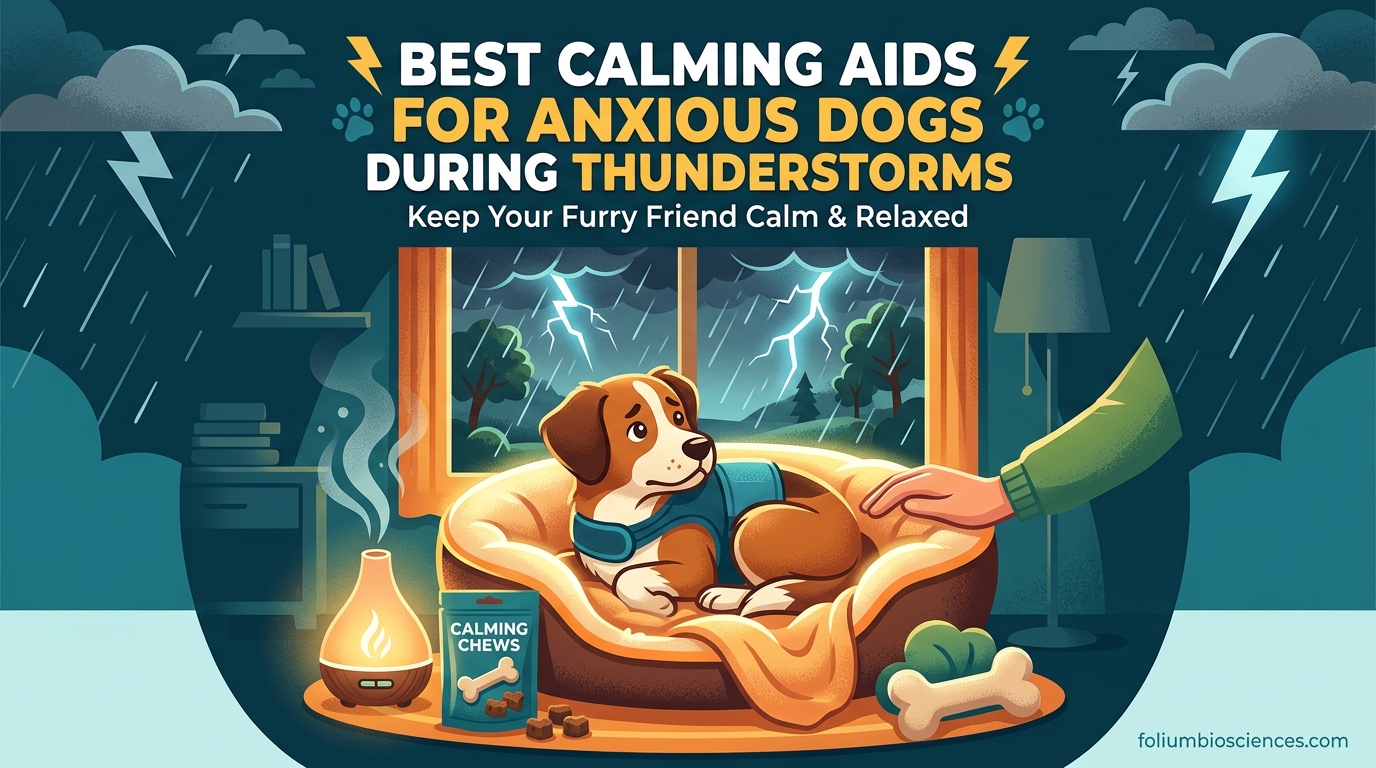
If you have ever watched your dog tremble, pace, and pant through a thunderstorm, you know how helpless it feels. Storm anxiety is one of the most common behavioral issues in dogs, affecting up to 40% of the canine population. Some dogs become so panicked they destroy furniture, claw at doors, or even injure themselves trying to escape the noise and atmospheric pressure changes.
The good news is that there are effective calming aids for anxious dogs during thunderstorms that do not require medication. From pressure wraps and pheromone diffusers to targeted supplements and environmental modifications, dog owners have more options than ever before. I have spent months researching what actually works, reading through hundreds of owner experiences, and reviewing the science behind each approach.
In this guide, I will walk you through every non-medication option available, explain how each one works, and help you figure out which combination might be right for your anxious dog. Whether your dog has mild unease or full-blown storm phobia, these strategies can make a real difference.
Table of Contents
Understanding Storm Anxiety in Dogs
Storm anxiety, also called astraphobia or thunderstorm phobia, is far more complex than simple noise fear. Dogs experience storms through multiple senses at once, and understanding what triggers your dog is the first step toward helping them. Many dogs begin reacting 30 to 60 minutes before a storm arrives, which tells us the issue goes well beyond loud noises.
Signs Your Dog Has Storm Anxiety
Recognizing the signs of storm anxiety early helps you intervene before your dog spirals into full panic. Here are the most common symptoms, grouped from mild to severe:
Mild signs: lip licking, yawning when not tired, slightly widened eyes, seeking closeness to you, ears pinned back.
Moderate signs: trembling, panting, pacing, drooling, hiding under furniture or in bathtubs, refusing to eat treats.
Severe signs: destructive behavior (chewing through doors, scratching walls), escaping enclosures, self-injury from clawing or biting, loss of bladder or bowel control, frantic attempts to climb on furniture or people.
If your dog shows severe signs, start with the calming strategies in this article but also talk to your veterinarian about additional support options.
Why Dogs Sense Storms Before They Arrive
One of the most puzzling things about storm anxiety is that dogs often react before you hear any thunder. This happens because dogs perceive atmospheric changes that humans cannot detect. Static electricity builds up in the air before a storm, and dogs with storm phobia appear to be particularly sensitive to these electrical charges.
Barometric pressure also drops as a storm approaches, and dogs can feel this change in their inner ears. Some researchers believe this explains why certain dogs panic even during storms that produce very little thunder. The combination of static electricity, dropping air pressure, and distant rumbling creates a sensory overload that triggers the fear response.
Breed-Specific Vulnerabilities
While any dog can develop storm anxiety, certain breeds and groups show higher rates of storm phobia. Herding breeds like German Shepherds, Border Collies, and Australian Shepherds tend to be overrepresented, possibly because of their heightened environmental awareness. Sporting breeds and hounds also show increased susceptibility.
Greyhound owners frequently report late-onset storm anxiety, often appearing in dogs that had no issues for years. This pattern suggests that repeated storm exposure may sensitize some dogs over time rather than helping them habituate. Rescue dogs with unknown histories may also be at higher risk due to past trauma or lack of early socialization.
Types of Non-Medication Calming Aids for Dogs
Not all calming aids work the same way, and understanding the differences helps you choose the right combination for your dog. I have broken down the four main categories of non-medication calming aids, explaining how each one works and when to use it.
Calming Supplements and Chews
Calming supplements are one of the most popular non-medication options for storm anxiety. They work by influencing neurotransmitters in your dog’s brain, promoting relaxation without causing sedation. Most calming supplements take 30 to 90 minutes to take effect, so timing matters when storms are approaching.
L-theanine is an amino acid found naturally in green tea. It works by modulating gamma-aminobutyric acid (GABA) and serotonin levels in the brain, both of which promote relaxation. Studies have shown L-theanine can reduce anxiety-related behaviors in dogs without causing drowsiness. It is one of the most researched calming ingredients for pets and typically takes effect within 30 to 60 minutes.
Melatonin is a hormone produced by the pineal gland that regulates circadian rhythm. In supplement form, it has a mild calming effect on dogs and can help them settle during stressful events. Melatonin is particularly useful for nighttime storms when you also want your dog to rest. Most veterinarians consider it safe for short-term use, but always confirm dosage with your vet.
Probiotics might seem like an unlikely anxiety treatment, but the gut-brain axis is a real and well-documented connection. Specific strains like Bifidobacterium longum BL999 have been studied for their calming effects on dogs. Purina’s research showed that dogs taking this probiotic strain displayed fewer anxiety behaviors during stressful events. Probiotics work best as a daily supplement rather than a one-time storm treatment, building their effect over weeks.
Alpha-casozepine is a peptide derived from milk protein (casein). It produces calming effects similar to benzodiazepines but without sedation or dependency. This ingredient is found in products like Zylkene and is considered safe for long-term daily use. It works well as a baseline calming aid that you layer with other strategies during actual storms.
Other supplements worth knowing about include L-tryptophan (a serotonin precursor), valerian root, and a combination of magnolia officinalis and phellodendron amurense extracts. When choosing any supplement, look for products carrying the NASC (National Animal Supplement Council) seal, which indicates the manufacturer follows quality and safety standards.
Dog-Appeasing Pheromone (DAP) Products
Dog-appeasing pheromones replicate the chemical signals that nursing mother dogs produce to calm their puppies. These synthetic pheromones are detected by your dog’s vomeronasal organ and trigger an instinctive calming response. The technology is backed by clinical research and recommended by many veterinarians.
Pheromone diffusers plug into a wall outlet and release a continuous mist of calming pheromones into a room. They typically cover 500 to 700 square feet and work best when started a few days before storm season rather than waiting until the storm hits. Diffusers are ideal for creating a calm baseline in your home.
Pheromone sprays offer more targeted application. You can spray your dog’s bedding, crate, or safe space area 10 to 15 minutes before your dog enters. Sprays are also useful for travel crates during stormy road trips. The effect lasts roughly 4 to 6 hours per application.
Pheromone collars provide continuous delivery wherever your dog goes. They release pheromones for about 4 weeks and are a good option if your dog roams the house during storms rather than staying in one room. Adaptil is the most widely available and studied DAP brand on the market.
Pheromone products tend to work best for mild to moderate anxiety. For dogs with severe storm phobia, pheromones are most effective when combined with other calming aids rather than used alone.
Anxiety Wraps and Pressure Vests
The concept behind anxiety wraps is simple: constant, gentle pressure on a dog’s torso has a calming effect on the nervous system. This works on a similar principle to weighted blankets for humans or the pressure therapy used for people with sensory processing differences. The ThunderShirt is the most well-known brand, but several other pressure wraps exist.
The key to success with an anxiety vest is proper fit. The wrap should be snug but not restrictive, applying even pressure across the chest and shoulders. Most dogs tolerate pressure wraps well once they are properly fitted. I recommend putting the wrap on your dog several times during calm weather so they associate it with positive experiences rather than only wearing it during storms.
Forum discussions among dog owners reveal an important pattern: pressure wraps work remarkably well for some dogs and seem to do almost nothing for others. If your dog responds well to deep pressure during cuddles or likes being swaddled, a pressure wrap is worth trying. For the best results, combine the wrap with supplements or pheromones rather than relying on it as a standalone solution.
Interactive Toys and Distraction Techniques
Mental stimulation can redirect your dog’s focus away from the storm, but timing is everything. Distraction techniques work best during the early stages of anxiety before your dog reaches full panic. Once a dog is in panic mode, no toy or treat will compete with the fear response.
Snuffle mats tap into your dog’s natural foraging instincts. Sprinkle treats or kibble into the fabric strips and let your dog sniff them out. The concentrated sniffing activity engages the brain and has been shown to lower heart rate in dogs. This is one of the most effective pre-storm distractions.
Lick mats spread with peanut butter, yogurt, or wet food provide repetitive licking activity that releases endorphins. Endorphins are natural calming chemicals, and the focused licking motion helps regulate your dog’s nervous system. Freeze the lick mat beforehand to make it last longer during a storm.
Treat-dispensing toys like Kongs stuffed with food and frozen force your dog to work for a reward. Problem-solving activities redirect anxious energy into productive behavior. Start these activities when you first notice your dog becoming uneasy, before the fear escalates.
The limitation of distraction techniques is clear: they are most useful for dogs with mild to moderate storm anxiety. If your dog is already shaking and hiding, save the toys for next time and focus on the environmental and supplement-based strategies instead.
Creating a Calm Environment During Storms
Environmental modifications cost little to nothing and can significantly reduce your dog’s storm anxiety. The goal is to create a space that minimizes storm triggers: loud sounds, flashing light, and static electricity. Think of it as building a sensory bunker for your dog.
Building a Safe Space
A safe space is an enclosed, comfortable area where your dog can retreat during storms. The best location is an interior room or closet with no windows, which blocks both lightning flashes and muffles thunder. A walk-in closet, interior bathroom, or basement room all work well.
Set up the safe space with these elements:
Comfortable bedding. Use your dog’s favorite bed or blanket. Familiar scents are calming.
Sound buffering. Place the bed against an interior wall and add towels or blankets to dampen outside noise.
Familiar scents. Add a worn t-shirt or blanket that smells like you. Your scent is naturally reassuring to your dog.
Accessibility. Leave the space open at all times so your dog can enter voluntarily. Never force your dog into the safe space or close the door behind them, as confinement can increase anxiety.
Introduce the safe space during calm weather. Feed your dog meals there, give treats, and spend quiet time together in the space. The goal is for your dog to associate the area with safety and relaxation long before a storm arrives.
Sound Masking and White Noise
White noise machines, fans, or calming music can mask the sound of thunder and reduce your dog’s anxiety response. Classical music at a low to moderate volume has been shown to have a calming effect on kenneled dogs in multiple studies. You can also find specially designed calming music playlists for dogs on streaming platforms.
A white noise machine placed between your dog and the nearest window helps create a consistent sound environment that makes sudden thunder claps less jarring. Run the white noise continuously during the storm rather than turning it on only when thunder hits, as sudden changes in sound can startle an already anxious dog.
Reducing Static Electricity
Static electricity is an underappreciated trigger for storm-anxious dogs. The same electrical charges that make your hair stand on end before a storm can cause discomfort in dogs, especially those with thick double coats. Running a humidifier in your home helps reduce static buildup. You can also wipe your dog down with a dryer sheet (unscented, pet-safe brands only) to discharge static from their coat.
Avoid rooms with wall-to-wall carpeting during storms, as carpets generate more static electricity than hard flooring. An interior room with tile or wood floors is a better choice for your dog’s safe space. Some owners report that grounding their dog by placing a hand on them during storms also seems to help, possibly by discharging built-up static.
Preparing Your Dog Before Storm Season
The most effective storm anxiety management starts long before the first thunderclap. Proactive preparation gives you time to desensitize your dog gradually and establish calming routines that become automatic when storm season arrives. Dogs that receive 60 to 90 minutes of preparation before a storm hits show significantly less anxiety than those caught off guard.
Desensitization Training
Desensitization involves gradually exposing your dog to storm-related sounds at a volume low enough that they do not trigger a fear response. Over time, you increase the volume as your dog learns to tolerate the sounds without panicking. Here is a step-by-step approach:
Step 1: Find high-quality audio recordings of thunderstorms. YouTube has extended thunderstorm tracks that work well, or you can purchase professional sound therapy recordings designed for dogs.
Step 2: Play the recording at a very low volume while your dog is relaxed and engaged in a positive activity like eating dinner or playing. The volume should be so quiet that your dog barely notices it.
Step 3: Gradually increase the volume over several sessions over several weeks. If your dog shows any signs of anxiety at any point, you have increased the volume too quickly. Go back to the previous level.
Step 4: Combine the sound exposure with high-value treats, play, and praise. This is called counter-conditioning, and it works by teaching your dog to associate storm sounds with positive outcomes rather than fear.
Step 5: Once your dog tolerates loud storm recordings, add visual elements like flashing lights to simulate lightning. Use a flashlight aimed at the ceiling during playback.
Start desensitization training at least 6 to 8 weeks before your region’s storm season. This process requires patience and consistency. Rushing it will backfire.
Storm Tracking and Advance Preparation
Knowing when storms are coming gives you time to implement your calming strategy before your dog’s anxiety escalates. Several weather apps provide push notifications for severe weather, giving you a head start. When you receive a storm alert:
Start your preparation routine 60 to 90 minutes before the storm is projected to arrive. Apply calming sprays to your dog’s safe space. If you use calming supplements, administer them at this time so they take effect before the storm hits. Put on the anxiety wrap if your dog wears one. Set up the white noise machine and close curtains or blinds to block lightning flashes.
This advance preparation window makes a significant difference. Dogs that are already relaxed when the storm arrives tend to cope much better than dogs caught in a sudden panic.
The Combination Approach
Across forum discussions, veterinary advice, and product research, one theme comes up repeatedly: combination approaches work better than any single method. Here is a framework for combining calming aids:
Daily baseline: A probiotic supplement and a pheromone diffuser running in your home build a foundation of calm that reduces overall anxiety levels.
Pre-storm preparation: Administer a calming chew or supplement (L-theanine, alpha-casozepine) 60 to 90 minutes before the storm. Put on the anxiety wrap. Set up the safe space with white noise.
During the storm: Encourage your dog to use the safe space. Offer a lick mat or treat-dispensing toy if your dog is calm enough to engage. Stay nearby and remain calm yourself, as dogs pick up on their owner’s emotional state.
Adjust this framework based on your dog’s specific needs and responses. What matters most is consistency, using the same routine for every storm so your dog learns what to expect.
When to Consult Your Veterinarian
Non-medication calming aids are effective for many dogs, but they have limits. Knowing when to seek professional help is just as important as knowing which home remedies to try. You should talk to your veterinarian if:
Your dog’s storm anxiety is getting worse over time despite your efforts. Storm phobia tends to escalate without intervention, and early professional guidance can prevent it from becoming severe. If your dog is injuring themselves by clawing at doors, chewing through crates, or biting themselves during storms, that is a clear signal that home remedies alone are not enough.
Dogs that panic so severely they escape the home or yard are in real danger. A panicked dog may run into traffic or become lost. Your veterinarian can discuss whether prescription options like Sileo (a dexmedetomidine gel applied to the gums) or short-term anti-anxiety medication might be appropriate for extreme cases.
Your vet can also rule out medical conditions that might be amplifying your dog’s anxiety. Pain, thyroid imbalances, and cognitive decline in older dogs can all worsen anxiety symptoms. A thorough checkup ensures you are not missing an underlying health issue.
Finally, ask your vet for a referral to a certified animal behaviorist if your dog’s anxiety is severe. Professional behavior modification therapy, combined with the non-medication aids discussed in this article, produces the best outcomes for dogs with deep-rooted storm phobia.
FAQ
What can I give my dog to calm him down during a thunderstorm?
You can give your dog calming supplements containing L-theanine, melatonin, or alpha-casozepine about 60 to 90 minutes before the storm. Calming chews, pheromone sprays on their bedding, and a pressure wrap like the ThunderShirt are all effective non-medication options. Always check with your vet before starting any new supplement.
How to reduce thunder anxiety in dogs?
Reduce thunder anxiety by combining multiple strategies: play white noise or calming music to mask thunder, create a windowless safe space with familiar scents, use an anxiety wrap for gentle pressure, administer calming supplements before the storm arrives, and begin desensitization training with recorded storm sounds several weeks before storm season.
How do you desensitize a dog to thunderstorms?
Play recorded thunderstorm sounds at a very low volume while your dog enjoys positive activities like eating or playing. Gradually increase the volume over several weeks, always staying below the level that triggers anxiety. Pair the sounds with high-value treats and praise (counter-conditioning). Add visual elements like flashing lights once your dog tolerates loud audio. Start this process 6 to 8 weeks before storm season.
Should you ignore a dog scared of thunder?
No, you should not ignore a dog scared of thunder, but you also should not reinforce panic behavior. Stay calm and available so your dog knows you are there. Do not punish or scold fearful behavior. Offer your presence, a safe space, and calming aids. Comforting your dog during storms does not reinforce fear the way people once thought, according to current veterinary behavior guidance.
What is the 3-3-3 rule for dog anxiety?
The 3-3-3 rule describes how rescue dogs adjust to a new home: 3 days to decompress, 3 weeks to learn the routine, and 3 months to feel fully settled. While not specifically about storm anxiety, this rule reminds owners that anxiety often decreases over time as dogs feel more secure in their environment. Newly adopted dogs may show heightened storm anxiety that improves as they settle in.
How do I calm down a dog that is very stressed of thunder?
For a dog in active panic during a thunderstorm, move to your pre-established safe space with white noise playing. Put on their anxiety wrap if they will tolerate it. Offer a lick mat with frozen peanut butter if they can still engage. Stay nearby and speak in a calm, normal voice. Do not try to force cuddling or restrain your dog. If your dog’s panic is severe and recurring, talk to your vet about whether prescription options may be needed alongside these non-medication strategies.
Finding the Right Approach for Your Dog
Managing storm anxiety in dogs is rarely a one-and-done process. Every dog responds differently to calming aids, and finding the right combination takes patience and experimentation. The most successful approach typically involves building a daily calming foundation with pheromones or probiotics, layering in supplements and pressure wraps before storms arrive, and maintaining a consistent safe space routine.
Start with the least invasive options first. Try a pheromone diffuser and a safe space setup, then add supplements or an anxiety wrap if needed. Track what works and what does not across several storms. Most dogs show improvement within a few storm cycles once you find the right combination of non-medication calming aids for anxious dogs during thunderstorms.
If your dog continues to struggle despite your best efforts, do not hesitate to involve your veterinarian or a behaviorist. There is no shame in needing additional support, and addressing severe anxiety early prevents it from worsening over time. Your dog relies on you to advocate for their comfort, and with the right approach, storm season can become far less stressful for both of you.