
If you have been exploring natural supplements for stress management, chances are you have encountered ashwagandha. This adaptogenic herb, used for centuries in Ayurvedic medicine, has become one of the most popular supplements for supporting stress resilience, sleep quality, and overall wellness. But as more people incorporate it into their daily routines, a critical question emerges: should you cycle ashwagandha, or is continuous daily use the better approach?
The answer is not one-size-fits-all. While some health experts recommend taking periodic breaks to prevent tolerance and maintain effectiveness, others argue that sustained use can provide ongoing benefits without issues. Understanding the science behind ashwagandha cycling, the standard protocols, and how to listen to your body can help you make the right decision for your individual needs.
Table of Contents
What is Ashwagandha Cycling?
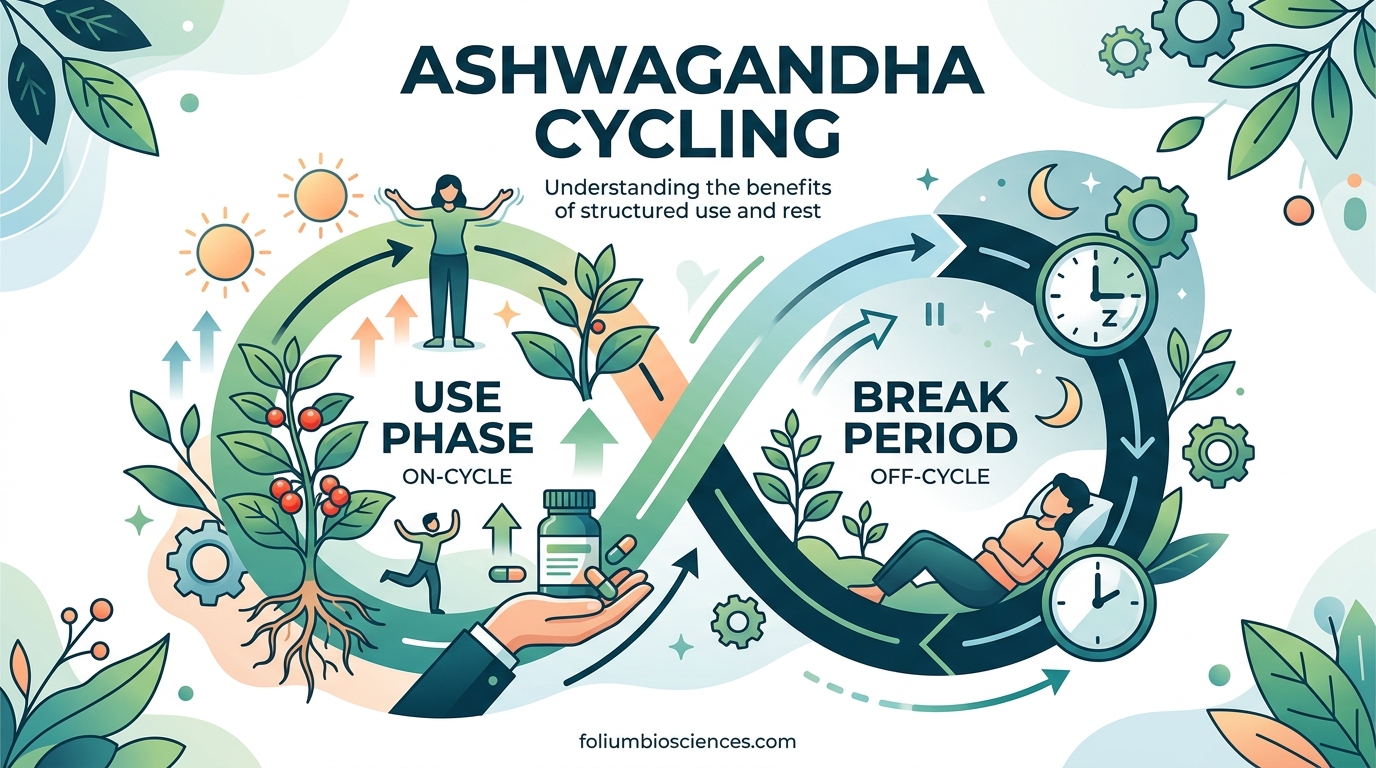
Ashwagandha cycling refers to the practice of taking ashwagandha for a defined period, typically ranging from several weeks to a few months, followed by a planned break before resuming supplementation. This approach contrasts with daily indefinite use, where someone takes the supplement continuously without planned interruptions.
The concept of cycling supplements is not unique to ashwagandha. Many adaptogens and herbal supplements have some form of cycling protocol, often based on traditional use patterns or emerging clinical evidence. With ashwagandha specifically, cycling has become a hot topic because of how the herb interacts with your body’s stress response system.
Ashwagandha (Withania somnifera), also known as Indian ginseng and winter cherry, is classified as a rasayana in Ayurvedic medicine, meaning it is used to promote vitality, longevity, and general wellness. The root contains bioactive compounds called withanolides, which are believed to be responsible for most of the herb’s adaptogenic effects. These withanolides interact with your body’s hypothalamic-pituitary-adrenal (HPA) axis, the central system that manages your stress response.
The question of whether to cycle ashwagandha ultimately comes down to how your body responds to continued stimulation of this system and whether taking breaks helps maintain the supplement’s effectiveness over time.
The Science Behind Ashwagandha and Your Stress Response
To understand why cycling becomes a consideration, you need to understand how ashwagandha works in your body. The primary mechanism involves the HPA axis, a sophisticated communication network between your hypothalamus, pituitary gland, and adrenal glands that regulates how you respond to stress.
When you experience stress, your HPA axis triggers the release of cortisol, often called the stress hormone. Cortisol helps your body mobilize energy, increase alertness, and manage the immediate demands of a stressful situation. In modern life, where chronic stress is prevalent, this system can become overworked, leading to consistently elevated cortisol levels that contribute to fatigue, anxiety, sleep disturbances, and other health issues.
Ashwagandha’s active compounds, particularly the withanolides, appear to modulate this system in several ways. Research suggests that ashwagandha can help regulate cortisol secretion, promoting a more balanced cortisol rhythm throughout the day. Studies have shown that supplementation with ashwagandha extract can significantly reduce serum cortisol levels in individuals experiencing chronic stress.
The withanolides in ashwagandha, especially withaferin A, may also influence glucocorticoid receptor sensitivity. This means that ashwagandha might help your body respond more efficiently to the cortisol it already produces, potentially reducing the need for your adrenal glands to work overtime.
What does this have to do with cycling? The concern is that continuous stimulation of the HPA axis through daily ashwagandha supplementation might eventually lead to receptor downregulation or desensitization. In simple terms, your body might become accustomed to the external support and reduce its own natural adaptive responses. However, it is important to note that direct clinical evidence for this tolerance phenomenon with ashwagandha is limited, and more research is needed to fully understand the long-term effects of continuous use.
Should You Cycle Ashwagandha? The Evidence For and Against
The question of whether to cycle ashwagandha does not have a definitive answer backed by extensive long-term clinical trials. Instead, the decision involves weighing different types of evidence and considering your individual circumstances.
Arguments For Cycling Ashwagandha
Several reasons lead health practitioners and experienced users to recommend cycling protocols:
Preventing Tolerance Development
The primary argument for cycling is preventing your body from developing tolerance. While scientific evidence specifically documenting ashwagandha tolerance is limited, the concept is well-established with other adaptogens and hormonal supplements. Taking periodic breaks may help reset your HPA axis sensitivity and maintain the herb’s effectiveness over months or years of use.
Allowing Assessment of Continued Need
Cycling gives you the opportunity to evaluate whether you still benefit from ashwagandha. When you stop taking the supplement during a break, you can observe changes in your stress levels, sleep quality, and overall wellness. This self-assessment can help you determine if ashwagandha is still providing value or if your body has naturally adapted and no longer needs the support.
Aligning With Clinical Trial Durations
Most clinical studies on ashwagandha use intervention periods of [tag num=”8″ suffix=” weeks”] to [tag num=”12″ suffix=” weeks”]. Researchers have not extensively studied the effects of continuous use beyond these durations. Following a cycling protocol essentially mirrors the dosing periods used in the research that established ashwagandha’s safety and efficacy.
HPA Axis Reset
Some practitioners believe that breaks allow your natural HPA axis function to “reset” or maintain its own adaptive capacity without relying on external support. This perspective suggests that continuous supplementation might gradually reduce your body’s ability to manage stress independently.
Arguments Against Strict Cycling
On the other side of the debate, some experts and research suggests that continuous use may be appropriate for certain individuals:
Sustained Benefits in Long-Term Studies
Some clinical trials that extended beyond the typical [tag num=”12″ suffix=” week”] duration reported continued benefits without significant safety concerns. A study published in the journal PLOS ONE found that participants continuing ashwagandha supplementation for [tag num=”24″ suffix=” weeks”] maintained improvements in stress, cortisol levels, and overall well-being.
Individual Variation
Not everyone develops tolerance to adaptogens. Some individuals appear to maintain steady benefits from continuous ashwagandha use, suggesting that the need for cycling may vary significantly from person to person based on individual physiology, stress levels, and other factors.
Convenience and Consistency
For some people, the simplicity of daily supplementation leads to better adherence and outcomes than a cycling protocol that requires tracking and planning. If cycling creates stress or complexity that outweighs its potential benefits, daily use might be the more practical choice.
Quality of Evidence Limitations
Many of the concerns about cycling are theoretical rather than based on documented cases of tolerance or HPA axis suppression. Until more comprehensive long-term studies are available, the cycling recommendation remains largely precautionary.
Standard Cycling Protocols: How to Cycle Ashwagandha
If you decide that cycling is appropriate for your situation, several established protocols can guide your approach. The most common cycling strategies are based on durations observed in clinical trials and anecdotal reports from experienced users.
The Most Common Protocol: 8-12 Weeks On, 2-4 Weeks Off
This is the most widely recommended cycling approach and aligns with the durations used in most clinical trials. Under this protocol:
- You take ashwagandha daily for [tag num=”8″ suffix=” to”] [tag num=”12″ suffix=” weeks”]
- You then take a break for [tag num=”2″ suffix=” to”] [tag num=”4″ suffix=” weeks”]
- After the break, you can restart the cycle if desired
Many users find that [tag num=”300″ suffix=” to”] [tag num=”600″ suffix=” mg”] of a standardized extract per day (such as KSM-66 or Sensoril) works well during the active phase. This dosage range covers what most clinical trials have used and appears effective for most adults.
Alternative Protocol Variations
4-Week On, 1-Week Off Cycle
A more conservative approach using a shorter cycle. This might be appropriate for sensitive individuals or those new to ashwagandha who want to minimize any potential adaptation effects.
12-Week On, 4-Week Off Cycle
An extended version of the standard protocol for those who have used ashwagandha successfully and want a longer active period before reassessing.
Monthly Assessment Cycle
Rather than following a rigid schedule, some users assess their need for ashwagandha on a monthly basis. During your break, you evaluate whether you notice meaningful changes in stress, sleep, or other targeted benefits. If you feel significantly worse without the supplement, you restart. If you notice little difference, you might extend your break or discontinue use.
Cycling Protocols by Health Goal
Your reason for taking ashwagandha may influence the cycling approach that makes the most sense:
For Stress and Anxiety Management
Standard 8-12 week cycles with 2-4 week breaks tend to work well. Many users report that the stress-reducing benefits are noticeable during active periods and that breaks allow them to gauge whether ongoing supplementation is necessary.
For Sleep Improvement
Sleep benefits may stabilize after a few weeks. Some users find they can transition to lower maintenance doses during extended cycles or after an initial loading period.
For Athletic Performance and Muscle Recovery
Athletes often use [tag num=”8″ suffix=” to”] [tag num=”12″ suffix=” week”] cycles aligned with training periods. Taking breaks during off-seasons or rest weeks allows for natural assessment of whether performance benefits are sustained.
Signs You Need to Take a Break
Whether or not you follow a strict cycling protocol, certain signs may indicate that your body is ready for a break from ashwagandha:
- Diminishing Returns: If you notice that the stress-relieving or sleep-promoting effects that once worked for you seem weaker than before, tolerance may be developing.
- New or Worsening Anxiety: Paradoxically, some users report increased anxiety or irritability after prolonged use, which could signal HPA axis dysregulation.
- Sleep Disturbances: Ashwagandha should promote sleep; if you find yourself experiencing insomnia or restless nights, a break may be warranted.
- Fatigue or Low Energy: While ashwagandha typically boosts energy, some users report feeling unusually tired during extended use periods.
- Digestive Issues: Persistent gastrointestinal discomfort can sometimes occur with long-term use of herbal supplements.
- Changes in Thyroid Function: If you have noticed symptoms related to thyroid activity, consulting with a healthcare provider about暂停使用 is important.
If you experience any of these signs, consider taking a break regardless of where you are in your cycling schedule. Listening to your body’s signals is more important than adhering rigidly to any protocol.
Who Should Exercise Caution or Avoid Cycling
While ashwagandha is generally considered safe for most healthy adults, certain populations should exercise particular caution or avoid the supplement altogether:
Pregnancy and Breastfeeding
Ashwagandha is not recommended during pregnancy due to its potential effects on hormone levels and the uterine environment. The withanolides may have abortifacient properties in high doses. Similarly, breastfeeding women should avoid ashwagandha since the compounds can pass into breast milk and their effects on infants are not well-studied.
Thyroid Conditions
Individuals with thyroid disorders, including hypothyroidism and hyperthyroidism, should use ashwagandha only under close medical supervision. Ashwagandha can influence thyroid hormone production and conversion, potentially complicating existing thyroid conditions or affecting the accuracy of thyroid medication dosing. If you have a thyroid condition, work with your healthcare provider before starting ashwagandha, cycling or not.
Autoimmune Conditions
Because ashwagandha may stimulate immune system activity, individuals with autoimmune diseases such as rheumatoid arthritis, lupus, multiple sclerosis, or inflammatory bowel disease should approach ashwagandha with caution. The immune-modulating effects could potentially exacerbate autoimmune symptoms or interfere with immunosuppressive medications.
Medications and Drug Interactions
Ashwagandha may interact with several categories of medications:
- Thyroid Medications: Ashwagandha can increase thyroid hormone levels, potentially causing medication levels to become excessive.
- Immunosuppressants: The immune-stimulating effects may counteract immunosuppressive drugs.
- Antidepressants (SSRIs): While some individuals use ashwagandha alongside antidepressants, the combination may increase serotonin levels and should only be done under medical supervision.
- Antihypertensive Drugs: Ashwagandha may lower blood pressure, potentially amplifying the effects of blood pressure medications.
- Diabetes Medications: Ashwagandha may lower blood sugar levels, which could interact with diabetes medications.
If you are taking any medication, especially those listed above, consult your healthcare provider before using ashwagandha. This applies whether you plan to cycle or take it continuously.
KSM-66 vs Sensoril vs Generic: Does Extract Type Matter for Cycling?
Not all ashwagandha supplements are created equal. The extract type you choose can significantly influence both the effects you experience and how you might approach cycling.
KSM-66 Ashwagandha
KSM-66 is a patented, full-spectrum extract derived from the root only (without leaves). It is one of the most researched ashwagandha extracts, with numerous clinical trials demonstrating its effectiveness for stress reduction, cortisol management, and sleep improvement. KSM-66 contains a standardized concentration of withanolides, typically around [tag num=”5″ suffix=”%”].
For cycling purposes, KSM-66 is often considered the gold standard due to its extensive research base. The consistent dosing protocols used in clinical trials (typically [tag num=”300″ suffix=” to”] [tag num=”600″ suffix=” mg”] daily) provide a reliable framework for cycling.
Sensoril Ashwagandha
Sensoril is a patented extract that uses both root and leaf material and has a higher withanolide concentration (approximately [tag num=”10″ suffix=”%”]). Some research suggests that Sensoril may be more potent for certain applications, including cognitive benefits and exercise performance.
Because of its higher potency, individuals using Sensoril may want to use lower doses (around [tag num=”125″ suffix=” to”] [tag num=”250″ suffix=” mg”] daily) compared to KSM-66. This higher concentration does not necessarily mean more benefits, and some users find Sensoril too strong for their needs.
Generic Ashwagandha Extracts
Non-standardized or generic ashwagandha powders and extracts vary widely in quality, withanolide content, and effectiveness. Some may contain primarily leaf material, which has a different compound profile than root-only extracts. Without standardization, you may experience inconsistent effects, making it difficult to assess cycling needs accurately.
When investing in ashwagandha for cycling purposes, choosing a high-quality standardized extract like KSM-66 or Sensoril is generally recommended. The consistency and research backing these products make it easier to establish and follow a cycling protocol with predictable results.
What to Do During Your Break Period
One aspect of ashwagandha cycling that many people overlook is what to do during the break period. A planned break is not just about stopping the supplement; it can be an opportunity to observe your body’s natural state and potentially implement other wellness practices.
During Your Break
Expect some transition effects when stopping ashwagandha. While not everyone experiences noticeable changes, some individuals report:
- Temporary increase in stress or anxiety during the first [tag num=”3″ suffix=” to”] [tag num=”7″ suffix=” days”]
- Slightly disrupted sleep for a short period
- General feeling of “readjustment”
These effects typically subside within [tag num=”1″ suffix=” to”] [tag num=”2″ suffix=” weeks”] as your body recalibrates. Staying hydrated, maintaining regular exercise, and practicing stress management techniques like meditation can help ease the transition.
Assessing Break Effectiveness
Your break period serves as a natural experiment. Pay attention to:
- Your stress levels compared to when you were taking ashwagandha
- Sleep quality and energy throughout the day
- Mood stability and mental clarity
- Any persistent symptoms that ashwagandha was meant to address
If you notice significant decline in any area, it may indicate that ashwagandha was providing meaningful benefit for you. If you feel largely unchanged, your body may have adapted and continued cycling (or discontinuation) might be appropriate.
When Not to Restart
Consider not restarting ashwagandha after a break if:
- You felt substantially the same during the break as during active use
- You experienced concerning side effects before the break
- Your healthcare provider advised discontinuation
- You have reached a point where your stress management is well-controlled through other means
Conclusion: Making the Right Choice for Your Body
The question of whether to cycle ashwagandha ultimately comes down to your individual response, health goals, and personal preferences. While cycling protocols (such as [tag num=”8″ suffix=” to”] [tag num=”12″ suffix=” weeks”] on followed by [tag num=”2″ suffix=” to”] [tag num=”4″ suffix=” weeks”] off) are commonly recommended and align with clinical trial durations, the evidence for strict cycling remains largely theoretical.
If you choose to cycle ashwagandha, the standard [tag num=”8″ suffix=”-12 week”] on, [tag num=”2″ suffix=”-4 week”] off protocol is a reasonable starting point. Use a high-quality standardized extract like KSM-66 at [tag num=”300″ suffix=” to”] [tag num=”600″ suffix=” mg”] daily during your active phase, and pay attention to your body’s signals throughout the cycle.
For those who prefer continuous use, starting with a [tag num=”8″ suffix=” to”] [tag num=”12″ suffix=” week”] trial followed by mindful assessment can help you determine if ongoing supplementation serves your needs without causing tolerance or side effects.
Regardless of your approach, always listen to your body. If you notice diminishing returns, new symptoms, or any concerning changes, take a break and reassess. And as with any supplement, particularly if you have underlying health conditions or take medications, consult with a healthcare professional before starting or modifying your ashwagandha regimen.
[faq]
{
“questions”: [
{
“question”: “Should I cycle ashwagandha on and off?”,
“answer”: “While not universally required, cycling ashwagandha is generally recommended. The most common protocol involves taking ashwagandha for 8-12 weeks followed by a 2-4 week break. This approach aligns with clinical trial durations and may help prevent tolerance development, though scientific evidence specifically proving tolerance with ashwagandha is limited.”
},
{
“question”: “How long should I take ashwagandha before taking a break?”,
“answer”: “Most experts and anecdotal reports suggest taking ashwagandha for 8-12 weeks before implementing a break of 2-4 weeks. This timeframe mirrors the durations used in clinical research studies that established the supplement’s safety and effectiveness for stress, sleep, and other benefits.”
},
{
“question”: “Is it okay to take ashwagandha if you have PCOS?”,
“answer”: “Individuals with PCOS (Polycystic Ovary Syndrome) should exercise caution with ashwagandha. Some research suggests ashwagandha may influence hormone levels, which could potentially affect PCOS symptoms. Additionally, PCOS is often associated with thyroid irregularities. If you have PCOS, consult your healthcare provider before using ashwagandha, whether you plan to cycle it or take it daily.”
},
{
“question”: “Is ashwagandha safe with SSRI?”,
“answer”: “Ashwagandha may increase serotonin levels and should only be combined with SSRIs (Selective Serotonin Reuptake Inhibitors) under close medical supervision. Both substances affect serotonin pathways, and the combination could potentially lead to serotonin syndrome, a rare but serious condition. If you are taking an SSRI and considering ashwagandha, discuss this with your prescribing physician first.”
}
]
}
[/faq]