
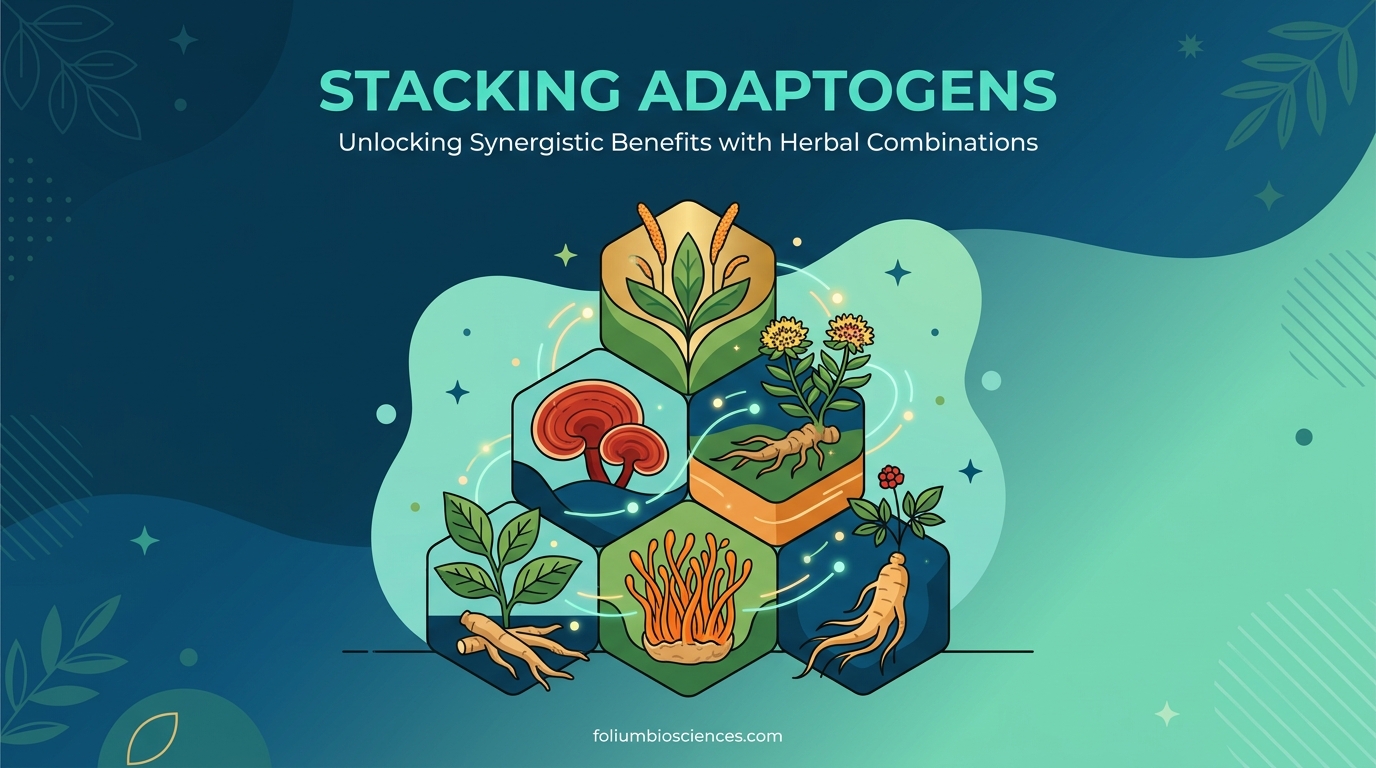
Combining multiple adaptogens into a single supplement routine has become increasingly popular among people seeking natural ways to manage stress and support cognitive function. If you have been wondering whether stacking adaptogens like ashwagandha and lion’s mane is safe and effective, this guide will give you the evidence-based answers you need.
In my experience researching herbal supplements, I have found that understanding how different adaptogens work together can make the difference between a beneficial routine and one that causes unwanted effects. This article covers everything from the science behind each herb to practical dosing strategies that work in real life.
By the end of this guide, you will know exactly how to combine these two powerful adaptogens safely, what dosages to start with, when to take them for best results, and what warning signs to watch for along the way.
Table of Contents
What Is Adaptogen Stacking?
Adaptogen stacking refers to the practice of combining two or more adaptogenic herbs to create synergistic effects that support your body’s stress response system more comprehensively than using any single herb alone. Think of it as building a personalized herbal protocol that addresses multiple aspects of your health simultaneously.
The concept comes from traditional herbal medicine, where practitioners often combined complementary herbs to enhance therapeutic effects. Modern research supports this approach. Studies show that certain combinations can produce additive or synergistic benefits while keeping individual doses lower and reducing the risk of side effects.
When you stack adaptogens strategically, you are essentially creating a custom formula that targets your specific wellness goals. For stress and cognitive support, combining an herb that calms the nervous system with one that sharpens mental clarity makes intuitive sense. This is exactly what happens when you pair ashwagandha with lion’s mane.
How Ashwagandha Works
Ashwagandha (Withania somnifera) is a powerful adaptogenic herb that has been used in Ayurvedic medicine for over 3,000 years. Its primary active compounds are called withanolides, which belong to a group of naturally occurring steroids found in the plant’s root.
These withanolides work primarily through your hypothalamic-pituitary-adrenal (HPA) axis, the body’s central stress response system. When you experience stress, your HPA axis triggers cortisol release. Chronically elevated cortisol can lead to anxiety, poor sleep, weight gain, and cognitive fog. Ashwagandha helps regulate this response by modulating cortisol production and supporting healthy HPA axis function.
Beyond stress relief, ashwagandha supports GABA receptor activity in the brain. GABA is your primary inhibitory neurotransmitter, essentially the chemical that tells your nervous system to calm down. By enhancing GABA signaling, ashwagandha promotes relaxation without causing drowsiness or sedation.
Research also indicates that ashwagandha may support thyroid function by promoting the conversion of T4 to the more active T3 hormone. This can contribute to better energy levels and metabolic health. Additionally, studies have shown improvements in sleep quality, muscle strength, and even testosterone levels in men who supplement with ashwagandha consistently.
How Lion’s Mane Works
Lion’s mane (Hericium erinaceus) is a medicinal mushroom that stands out among adaptogens because of its unique ability to support brain health and cognitive function. Unlike other adaptogens that primarily target stress hormones, lion’s mane works directly on your nervous system to promote neuroplasticity and nerve growth.
The key bioactive compounds in lion’s mane are hericenones and erinacines. These molecules have the remarkable ability to stimulate nerve growth factor (NGF) production in the brain. NGF is essential for the growth, maintenance, and survival of neurons. Higher NGF levels support the formation of new neural connections, which underlies learning, memory formation, and cognitive flexibility.
Lion’s mane also contains powerful antioxidant and anti-inflammatory compounds that protect brain cells from oxidative stress. Chronic inflammation and oxidative damage are major contributors to cognitive decline, so this protective effect is significant for long-term brain health.
Studies have demonstrated that regular lion’s mane supplementation can improve mild cognitive impairment, reduce symptoms of anxiety and depression, and enhance overall mental clarity. Many users report feeling more focused, present, and mentally sharp after several weeks of consistent use. The effects tend to build gradually rather than producing immediate stimulation.
Can You Safely Combine Ashwagandha and Lion’s Mane?
Yes, you can safely combine ashwagandha and lion’s mane. These two adaptogens work through completely different mechanisms and target different aspects of your physiology, which means they complement each other without competing for the same pathways or creating dangerous interactions.
Ashwagandha primarily influences your endocrine system and stress hormone regulation, while lion’s mane acts on your nervous system and cognitive function. This complementary action is what makes the combination so effective. You are essentially addressing stress from two angles simultaneously: calming the hormonal stress response while supporting the neurological systems that help you think clearly under pressure.
Forum discussions and user reports consistently describe this as one of the most well-tolerated adaptogen combinations. As one experienced user noted, “You have one of the simplest, likely most effective and very much evidence-based stacks I have seen.” The combination has become a favorite among biohackers and wellness enthusiasts for good reason.
That said, safety depends on proper dosing, timing, and individual factors. While the combination itself is generally safe, taking too much of either herb or mixing them with certain medications can create problems. The following sections cover exactly how to use this combination correctly.
Benefits of Combining Ashwagandha and Lion’s Mane
The ashwagandha and lion’s mane combination creates a unique synergy that addresses both the physiological and cognitive aspects of stress. Here is what you can expect when you stack these two adaptogens properly.
Enhanced Stress Resilience
Ashwagandha works on the hormonal side of stress by regulating cortisol levels. When your cortisol stays within a healthy range, you feel calmer and more balanced throughout the day. Lion’s mane complements this by supporting the neural pathways that help you process stress mentally. Together, they create a more complete stress management system than either herb provides alone.
Improved Mental Clarity and Focus
Many people find that ashwagandha alone can make them feel too relaxed or even slightly drowsy. Lion’s mane counteracts this by promoting alertness and cognitive sharpness. The result is a calm, focused state that many describe as “flow” – relaxed but mentally present and able to concentrate for extended periods.
Better Sleep Quality
By calming the stress response during the day, this combination can indirectly improve sleep quality at night. Lower evening cortisol levels mean easier sleep onset and more restorative sleep cycles. Lion’s mane may also contribute through its effects on nervous system regeneration that occurs during sleep.
Mood Support
Both herbs have demonstrated benefits for mood regulation. Ashwagandha helps by reducing cortisol-related anxiety, while lion’s mane supports the neural pathways involved in emotional processing. Users often report feeling more emotionally stable and resilient when taking both together.
Neuroprotection
The antioxidant and anti-inflammatory properties of both herbs combine to provide comprehensive protection for brain cells. This may have long-term benefits for cognitive aging and neurological health, though more research is needed to confirm these effects over decades of use.
Recommended Dosage for Stacking
Getting the dosage right is crucial when stacking adaptogens. Taking too much can push your cortisol too low or cause digestive discomfort. Taking too little may not produce noticeable benefits. Here are the evidence-based recommendations for combining these two herbs.
Ashwagandha Dosage
For standardized root extract containing 5% withanolides, the typical dosage range is 300-600 mg per day. When you are combining it with lion’s mane, start at the lower end of this range (300 mg) to assess your tolerance. You can increase to 600 mg if needed after two weeks.
For KSM-66 or Sensoril extracts, which are more concentrated, follow the manufacturer’s recommendations. These usually range from 225-600 mg daily depending on the specific extract and your goals. Again, start low when stacking.
Whole root powder requires higher doses, typically 1,000-6,000 mg per day. However, standardized extracts are preferred for stacking because they provide consistent levels of active compounds.
Lion’s Mane Dosage
For lion’s mane fruiting body extract, a standard dosage is 500-3,000 mg per day. When combining with ashwagandha, 500-1,000 mg daily is usually sufficient for most people. Some users report benefits with as little as 250 mg of a concentrated extract.
If you are using a whole mushroom powder rather than an extract, you may need higher doses to achieve equivalent levels of hericenones and erinacines. Look for products that specify beta-glucan content or extraction ratios to ensure potency.
Starting Protocol
Begin with half the recommended dose of each herb for the first week. This gives your body time to adjust and helps you identify any sensitivity or side effects early. In week two, increase to the full starting dose if you are tolerating the combination well.
A practical starting stack is 300 mg ashwagandha extract plus 500 mg lion’s mane extract taken once daily. After two weeks, you can increase to twice daily if desired benefits are not apparent.
Best Timing and When to Take Each
Timing matters when stacking adaptogens. Taking them at the wrong time of day or with the wrong foods can reduce effectiveness or cause unwanted effects.
Morning vs Evening
The optimal timing depends on your goals and how you respond to each herb. Many people find that taking the combination in the morning works best for all-day stress management and cognitive support. This allows the effects to build throughout the day when you need them most.
However, if you find that lion’s mane makes you feel too alert or ashwagandha makes you sleepy, you can split the doses. Take lion’s mane in the morning for focus and ashwagandha in the evening for relaxation and sleep support.
For most users, taking both together in the morning with breakfast provides a good balance. The ashwagandha helps you stay calm during the day’s stressors, while lion’s mane supports mental performance when you need it.
With or Without Food
Both herbs absorb better with food, particularly foods containing some fat. Take your stack with a meal or at least a snack that includes healthy fats like nuts, avocado, or olive oil. This improves bioavailability and reduces the chance of stomach upset.
Avoid taking ashwagandha on an empty stomach if you are sensitive, as it can cause mild digestive discomfort in some people. Lion’s mane is generally gentler on the stomach but still benefits from food for optimal absorption.
Consistency Matters
Adaptogens work best when taken consistently over time. The benefits build gradually as your body adapts to the herbs. Taking your stack at the same time each day helps establish a routine and ensures steady levels of active compounds in your system.
Most people notice initial benefits within 2-4 weeks, with full effects developing over 6-8 weeks of consistent use. Do not expect immediate results like you might get from stimulants or sedatives.
Safety Considerations and Contraindications
While the ashwagandha and lion’s mane combination is generally safe, there are important considerations to keep in mind. Understanding what never to mix with these herbs can prevent potentially dangerous interactions.
Medications to Avoid Mixing with Ashwagandha
Never combine ashwagandha with sedative medications including benzodiazepines, barbiturates, or sleep aids. The combination can cause excessive drowsiness and impaired coordination. Ashwagandha may also interact with thyroid medications by enhancing their effects, potentially leading to hyperthyroidism symptoms.
Blood pressure medications can interact with ashwagandha since the herb may lower blood pressure on its own. Diabetes medications may also interact because ashwagandha can affect blood sugar levels. If you take any prescription medications, consult your healthcare provider before adding ashwagandha.
Substances to Avoid Mixing with Lion’s Mane
Lion’s Mane has fewer known drug interactions than ashwagandha, but caution is still warranted. Avoid combining it with other blood-thinning supplements or medications like warfarin, as the mushroom may have mild anticoagulant effects.
People with mushroom allergies should approach lion’s mane cautiously. While it is generally well-tolerated, those with severe allergies to other fungi may experience reactions. Start with a small dose to test tolerance.
Signs of Excessive Cortisol Suppression
One concern raised frequently in forums is the risk of lowering cortisol too much. If you experience persistent fatigue, lack of motivation, difficulty waking up, or feeling “flat” emotionally, you may be suppressing cortisol excessively.
These symptoms indicate you should reduce your dosage or take a break from the stack. Cortisol is necessary for energy and motivation. The goal is balance, not elimination.
Quality and Sourcing Considerations
Supplement quality varies enormously in the adaptogen market. Look for products that specify withanolide content for ashwagandha and beta-glucan content for lion’s mane. Third-party testing for heavy metals and contaminants is essential, especially for mushrooms that absorb toxins from their growing medium.
Choose organic products when possible, as conventional farming may leave pesticide residues. Extracts generally provide more consistent dosing than whole herb powders.
Who Should Avoid This Combination
Certain populations should exercise extra caution or avoid this combination entirely. Understanding these contraindications helps you make an informed decision about whether this stack is right for you.
Pregnancy and Breastfeeding
Pregnant or breastfeeding women should avoid ashwagandha. There is insufficient safety data for these populations, and the herb may have hormonal effects that could impact pregnancy. Lion’s mane has limited pregnancy data as well, so caution is warranted.
Autoimmune Conditions
Because ashwagandha may stimulate immune function, people with autoimmune diseases like rheumatoid arthritis, lupus, or multiple sclerosis should consult their doctor before use. Lion’s mane also has immune-modulating properties that could theoretically affect autoimmune conditions.
Upcoming Surgery
Stop taking both herbs at least two weeks before any scheduled surgery. Ashwagandha may interact with anesthesia and other medications used during surgery. Lion’s mane may affect blood clotting. Always inform your surgeon about any supplements you take regularly.
PCOS and Hormonal Conditions
For women with PCOS, ashwagandha may actually be beneficial due to its effects on cortisol and potentially testosterone levels. However, because it influences hormones, working with a healthcare provider who understands your specific hormonal profile is important. Some women with PCOS report improvements in symptoms, while others need to monitor closely.
If you have any thyroid condition, monitor your symptoms carefully when starting ashwagandha. The herb can influence thyroid hormone conversion, which may require medication adjustments.
Children and Adolescents
These supplements have not been adequately studied in children. The developing endocrine and nervous systems may respond differently to adaptogens than adult systems. Avoid use in anyone under 18 unless specifically recommended by a pediatric healthcare provider.
Other Effective Adaptogen Combinations
If you want to expand your adaptogen stack beyond ashwagandha and lion’s mane, several other combinations work well for specific goals. Here are evidence-based pairings to consider.
Rhodiola and Ashwagandha
This combination provides both energizing and calming effects. Rhodiola boosts energy and reduces fatigue, while ashwagandha keeps stress hormones in check. Take rhodiola in the morning and ashwagandha in the evening for a balanced approach to energy and recovery.
Lion’s Mane and Cordyceps
For cognitive performance plus physical energy, pair lion’s mane with cordyceps. Cordyceps supports oxygen utilization and ATP production, making it ideal for athletes or anyone needing sustained physical and mental energy.
Holy Basil and Ashwagandha
Both herbs target stress but through slightly different mechanisms. Holy basil (tulsi) works more on mental stress and emotional balance, while ashwagandha focuses on physical stress and cortisol. Together they provide comprehensive stress support.
Reishi and Lion’s Mane
For deep calm and nervous system support, combine reishi with lion’s mane. Reishi is one of the most calming adaptogens and supports sleep quality. Lion’s mane adds cognitive benefits without the stimulating effects that might interfere with relaxation.
Magnesium with Your Stack
Many people ask whether they can add magnesium to an ashwagandha and lion’s mane stack. The answer is yes. Magnesium complements both herbs beautifully, supporting nervous system function, muscle relaxation, and sleep quality. Magnesium glycinate or threonate work particularly well for cognitive benefits.
How to Cycle Adaptogens Safely
Long-term continuous use of strong adaptogens like ashwagandha may lead to tolerance or hormonal adaptation. Cycling – taking scheduled breaks from supplementation – helps maintain effectiveness and allows your body to reset.
Recommended Cycling Protocol
A common approach is to take adaptogens for 8-12 weeks, then take a 2-4 week break. This gives your HPA axis and nervous system time to function without supplemental support, preventing downregulation of your natural stress response systems.
Some users prefer a more conservative approach: 4 weeks on, 1 week off. This shorter cycle may be better if you are using higher doses or are particularly sensitive to hormonal changes.
Signs You Should Take a Break
Pay attention to your body’s signals. If you notice diminishing benefits after several months of use, this suggests you may have developed tolerance. Other signs include unusual fatigue, emotional flatness, or digestive changes.
When you resume after a break, start with a lower dose than you were using before. You may find you need less to achieve the same effects.
Transitioning Off Adaptogens
When it is time for a break, do not stop cold turkey if you have been using high doses for months. Taper down over a week or two to allow your body to adjust. Reduce your daily dose by 25% every few days until you are off completely.
During off periods, support your stress response naturally with adequate sleep, regular exercise, mindfulness practices, and a nutrient-dense diet. These foundational habits help maintain the benefits you gained while supplementing.
FAQ
Can ashwagandha and lion’s mane be taken at the same time?
Yes, ashwagandha and lion’s mane can be taken at the same time safely. These two adaptogens work through different mechanisms and complement each other well. Ashwagandha primarily regulates cortisol and calms the nervous system, while lion’s mane supports cognitive function and neuroplasticity. Taking them together creates a synergistic effect that addresses both stress and mental clarity simultaneously.
What should never be mixed with ashwagandha?
Never mix ashwagandha with sedative medications including benzodiazepines, barbiturates, or sleep aids, as this can cause excessive drowsiness. Avoid combining with thyroid medications without medical supervision, since ashwagandha may enhance their effects. Blood pressure medications and diabetes medications may also interact with ashwagandha. Always consult your healthcare provider if you take prescription medications.
What should you not mix lion’s mane with?
Avoid mixing lion’s mane with blood-thinning medications like warfarin, as the mushroom may have mild anticoagulant effects. People with mushroom allergies should approach lion’s mane cautiously and start with small doses to test tolerance. Lion’s mane has fewer known drug interactions than many other supplements, but consulting a healthcare provider is wise if you take prescription medications regularly.
Is it okay to take ashwagandha if you have PCOS?
Ashwagandha may actually benefit women with PCOS due to its effects on cortisol and potentially testosterone levels. However, because it influences hormones, working with a healthcare provider who understands your specific hormonal profile is important. Some women with PCOS report improvements in symptoms like stress and energy, while others need to monitor their response closely. Individual results vary significantly.
How long does it take to feel the effects of stacking adaptogens?
Most people notice initial benefits from stacking ashwagandha and lion’s mane within 2-4 weeks of consistent daily use. Full effects typically develop over 6-8 weeks as your body adapts to the herbs. Unlike stimulants or sedatives, adaptogens work gradually. Do not expect immediate results. Consistency with timing and dosage matters more than taking large amounts occasionally.
Should I cycle ashwagandha and lion’s mane?
Yes, cycling is recommended for long-term use. A common protocol is 8-12 weeks on followed by 2-4 weeks off. This prevents tolerance and allows your body to reset its natural stress response systems. Some users prefer shorter cycles of 4 weeks on, 1 week off. Watch for signs like diminishing benefits, unusual fatigue, or emotional flatness as signals to take a break.
Conclusion
Stacking adaptogens like ashwagandha and lion’s mane can be a safe and effective way to support your body’s stress response while enhancing cognitive function. These two herbs work through complementary mechanisms that address both the hormonal and neurological aspects of stress management.
The key to success is starting with conservative doses, being consistent with timing, and paying attention to how your body responds. Remember that adaptogens work gradually. Give the combination at least 4-6 weeks before evaluating its effectiveness for you.
If you are taking any medications or have existing health conditions, consult with a healthcare provider before starting any new supplement regimen. With proper dosing and awareness of contraindications, the ashwagandha and lion’s mane stack represents one of the most well-tolerated and evidence-based adaptogen combinations available.
Consider cycling your use every few months to maintain effectiveness and prevent tolerance. And most importantly, view these supplements as tools to support a healthy lifestyle that includes adequate sleep, regular movement, and stress management practices. No supplement can replace these fundamentals.