
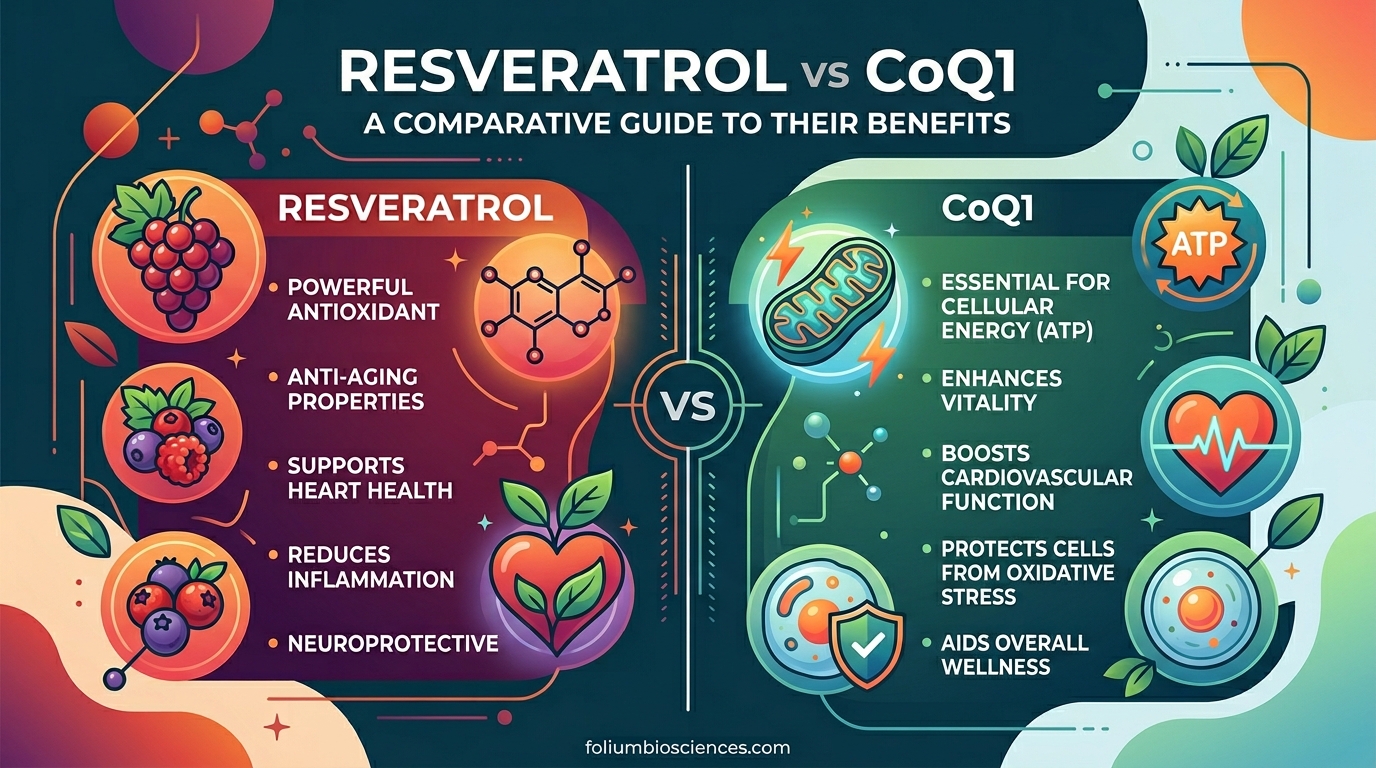
If you have ever stood in the supplement aisle staring at rows of antioxidants wondering which one actually does something, you are not alone. The resveratrol vs CoQ10 debate is one of the most common questions I hear from people trying to get real value from their supplement routine. Both compounds have strong reputations in the anti-aging and heart health space, but they work in completely different ways and carry very different price tags.
I have spent months reviewing the clinical research, reading through forum discussions, and comparing what science actually says versus what marketing claims promise. The short answer is that both antioxidants have legitimate science behind them, but they are not interchangeable. One is better for cellular energy and heart support, while the other targets longevity pathways and metabolic health. The real question is which one matches your specific health goals, and whether either justifies the monthly cost.
This guide breaks down everything you need to know about resveratrol vs CoQ10 so you can make an informed decision. I will cover how each one works, what the research actually shows, whether you can take them together, and most importantly, which one gives you the most bang for your buck in 2026.
Table of Contents
What Is Resveratrol?
Resveratrol is a naturally occurring polyphenol compound found in the skin of red grapes, blueberries, peanuts, and dark chocolate. It gained widespread attention in the early 2000s when researchers linked it to the “French Paradox” — the observation that French populations had lower rates of heart disease despite diets high in saturated fat, potentially due to red wine consumption.
As a supplement, resveratrol is typically extracted from Japanese knotweed (Polygonum cuspidatum) because this plant contains much higher concentrations than grapes or wine ever could. The active form you want to look for is trans-resveratrol, which is the biologically active isomer that your body can actually use. The cis-resveratrol form is far less effective.
What makes resveratrol interesting from a longevity perspective is its ability to activate sirtuin enzymes, particularly SIRT1. Sirtuins are sometimes called “longevity proteins” because they regulate cellular stress responses, DNA repair, and metabolic function. This is the same pathway that calorie restriction activates, which is why resveratrol has been studied so heavily in aging research.
How Resveratrol Works in the Body
Resveratrol operates through several mechanisms, but the most studied is sirtuin activation. When resveratrol activates SIRT1, it triggers a cascade of cellular responses that mimic the effects of fasting or calorie restriction. This includes improved mitochondrial function, reduced inflammation, and enhanced DNA repair.
The concept behind this is called xenohormesis — the idea that plants produce stress compounds like resveratrol when they are under environmental stress, and when we consume those compounds, our bodies receive a signal to activate our own defense mechanisms. It is essentially a molecular warning system that tells your cells to prepare for hard times.
Beyond sirtuin activation, resveratrol also acts as a direct antioxidant, neutralizing free radicals before they damage cells. It has documented anti-inflammatory properties and appears to improve insulin sensitivity, making it relevant for metabolic health as well.
One significant limitation of resveratrol is its bioavailability. Oral bioavailability is quite low because the compound is rapidly metabolized by the liver and gut. This means that even if you take a high dose, only a small fraction reaches your bloodstream in its active form. Researchers have been working on formulations that improve absorption, including combining it with fats or using micronized particles.
Natural Sources of Resveratrol
If you want resveratrol from food, here are the best sources with approximate concentrations:
- Red wine: 0.2 to 2.0 mg per 5 oz glass (varies widely by grape variety and region)
- Red grapes: 0.15 to 0.75 mg per cup of grape skins
- Blueberries: 0.04 to 0.18 mg per cup
- Peanuts: 0.02 to 0.15 mg per ounce
- Dark chocolate (cacao): 0.02 to 0.05 mg per ounce
To put those numbers in perspective, most clinical studies use doses of 150 to 1,000 mg per day. You would need to drink hundreds of glasses of red wine to reach those levels, which is obviously not practical or safe. This is why supplementation is the only realistic way to get therapeutic doses of resveratrol.
What Is CoQ10 (Coenzyme Q10)?
Coenzyme Q10, commonly called CoQ10, is a fat-soluble compound that your body actually produces naturally. It is found in virtually every cell, with the highest concentrations in organs that demand the most energy — your heart, liver, and kidneys. CoQ10 exists in two forms: ubiquinone (the oxidized form) and ubiquinol (the reduced, active antioxidant form).
Unlike resveratrol, which your body cannot produce and must obtain from external sources, your cells synthesize CoQ10 using the same metabolic pathway that produces cholesterol. This is an important detail because statin medications, which block cholesterol production, also block CoQ10 production. This is why many doctors recommend CoQ10 supplementation for patients taking statins.
CoQ10 levels naturally decline as you age. A typical 25-year-old has optimal CoQ10 production, but by age 50, levels can drop by 25 to 30 percent. By age 80, production may be less than half of what it was in youth. This age-related decline is one of the main reasons CoQ10 has become such a popular supplement among older adults.
How CoQ10 Works in the Body
CoQ10 has a dual role in your cells. Its primary function is in the mitochondria — the “power plants” of your cells — where it serves as an essential component of the electron transport chain. This is the series of reactions that produces ATP, the energy currency your cells use for literally everything they do.
Without adequate CoQ10, your mitochondria cannot efficiently convert nutrients into usable energy. This is why CoQ10 deficiency often shows up as fatigue, muscle weakness, and exercise intolerance. Your heart muscle, which never stops working, is especially dependent on adequate CoQ10 levels.
The second role of CoQ10 is as a powerful antioxidant, particularly within lipid (fat) membranes. It protects cell membranes from oxidative damage, works synergistically with vitamin E to regenerate its antioxidant capacity, and helps protect LDL cholesterol from oxidation, which is a key step in the development of atherosclerosis.
Natural Sources of CoQ10
CoQ10 is present in many foods, but the amounts are modest compared to what you would get from a supplement:
- Organ meats (heart, liver, kidney): 2 to 3 mg per 3 oz serving
- Fatty fish (sardines, mackerel): 0.5 to 1.5 mg per 3 oz serving
- Beef: 1.0 to 1.5 mg per 3 oz serving
- Pork: 0.5 to 1.0 mg per 3 oz serving
- Vegetable oils (soybean, canola): 0.5 to 1.0 mg per tablespoon
- Nuts and seeds: 0.2 to 0.5 mg per ounce
Again, typical therapeutic doses range from 100 to 300 mg per day. Dietary sources alone rarely provide enough to significantly raise blood levels, especially for people over 40 whose natural production is already declining.
Resveratrol vs CoQ10: Health Benefits Compared
This is where the comparison gets interesting. Both resveratrol and CoQ10 are antioxidants, but their health benefits overlap only partially because they target different cellular pathways. Here is how they stack up across the most important health categories.
Heart Health
CoQ10 has the stronger evidence base when it comes to cardiovascular health. Multiple clinical trials have shown that CoQ10 supplementation can improve outcomes in people with heart failure. A landmark study published in the Journal of the American College of Cardiology found that CoQ10 supplementation reduced major adverse cardiovascular events by 43 percent in heart failure patients over a two-year period.
CoQ10 also shows consistent benefits for people taking statin medications. Statins reduce CoQ10 production as a side effect of blocking cholesterol synthesis, and many users experience muscle pain and weakness as a result. Supplementing with CoQ10 can help restore levels and reduce these muscle-related side effects.
Resveratrol has shown promise for cardiovascular health as well, but the evidence is more preliminary. Some studies suggest it can help lower blood pressure, reduce LDL cholesterol oxidation, and improve endothelial function (the lining of your blood vessels). However, most of this research has been in animal models or small human trials. The clinical evidence is not yet as robust as what we have for CoQ10.
Winner for heart health: CoQ10 — stronger clinical evidence, especially for heart failure and statin users.
Anti-Aging and Longevity
This category is where resveratrol really shines. The sirtuin activation pathway that resveratrol targets is directly linked to longevity in animal studies. Research from Dr. David Sinclair’s lab at Harvard has shown that resveratrol can extend lifespan in yeast, worms, flies, and fish through SIRT1 activation.
Human longevity data is obviously harder to come by, since you cannot run a 50-year controlled trial. But the biomarkers look promising. Resveratrol has been shown to reduce markers of inflammation, improve mitochondrial function, and enhance cellular stress resistance — all hallmarks of healthy aging.
CoQ10 supports healthy aging through a different mechanism. By maintaining mitochondrial energy production and protecting cells from oxidative damage, CoQ10 helps your cells function more efficiently as you get older. The benefit is real but more indirect when it comes to longevity specifically.
Winner for anti-aging and longevity: Resveratrol — more direct targeting of known longevity pathways.
Blood Sugar and Metabolic Health
InsideTracker’s analysis highlighted compelling data on resveratrol and blood glucose. Some studies have documented reductions of up to 35 mg/dL in fasting blood glucose levels with resveratrol supplementation. This is a meaningful change, especially for people with prediabetes or metabolic syndrome.
Resveratrol appears to improve insulin sensitivity, which means your cells respond better to insulin and can more efficiently move glucose out of the bloodstream. This is partly through SIRT1 activation and partly through its anti-inflammatory effects on metabolic tissues.
CoQ10 has shown more modest effects on blood sugar. Some meta-analyses have found small improvements in HbA1c and fasting glucose in people with type 2 diabetes who take CoQ10, but the effects are generally smaller than what has been observed with resveratrol in similar populations.
Winner for blood sugar and metabolic health: Resveratrol — stronger evidence for glucose reduction and insulin sensitivity.
Brain Health and Cognitive Function
Both compounds show neuroprotective potential, but through different mechanisms. Resveratrol can cross the blood-brain barrier, which gives it direct access to brain tissue. Studies have suggested it may help protect against neurodegenerative diseases by reducing brain inflammation and clearing amyloid plaques in animal models.
CoQ10 supports brain health primarily through mitochondrial energy production. Your brain consumes roughly 20 percent of your body’s total energy despite being only about 2 percent of your body weight. Maintaining adequate CoQ10 levels helps ensure your brain cells have the energy they need to function optimally.
The clinical evidence for cognitive benefits is limited for both supplements in humans. Small trials have shown some improvements in memory and processing speed, but larger, longer studies are needed before strong claims can be made.
Winner for brain health: Tie — both show potential through different mechanisms, but human evidence is still emerging for both.
Skin Health
Reddit discussions from communities like r/30PlusSkinCare reveal significant interest in using both resveratrol and CoQ10 topically for skin. Both compounds are popular ingredients in anti-aging serums and moisturizers.
Resveratrol applied topically may help protect skin from UV damage and reduce hyperpigmentation. CoQ10 in skincare has been shown to reduce wrinkle depth and improve skin elasticity in some small studies. Both have antioxidant properties that protect collagen and elastin from degradation.
Oral supplementation may provide some skin benefits as well, though the topical route delivers higher concentrations directly to the skin. For overall skin health from the inside out, both are reasonable choices.
Can You Take Resveratrol and CoQ10 Together?
Yes, you can absolutely take resveratrol and CoQ10 together, and there is a good argument for doing so. Because they work through completely different mechanisms — resveratrol primarily through sirtuin activation and CoQ10 through mitochondrial energy production — they do not compete with each other. Instead, they may provide complementary benefits.
Think of it this way: CoQ10 helps your mitochondria produce energy more efficiently, while resveratrol activates cellular defense and repair pathways. Together, they address two fundamental aspects of cellular health at the same time.
There are no documented negative interactions between resveratrol and CoQ10. In fact, some researchers have suggested that combining antioxidants that target different pathways may produce additive or even synergistic effects. However, formal combination studies in humans are still limited.
If you decide to take both, here are some practical timing tips that can help with absorption:
- CoQ10: Take with a meal containing fat, since it is fat-soluble. Morning or lunchtime works well for most people.
- Resveratrol: Take with food as well, preferably with some dietary fat to improve bioavailability. Some evidence suggests taking it earlier in the day may be beneficial.
- Avoid taking either late at night, as CoQ10 can cause mild insomnia in some people at higher doses.
For dosage, most studies use 100 to 300 mg per day of CoQ10 and 150 to 500 mg per day of resveratrol. If you are new to either supplement, it is smart to start at the lower end and work your way up over a few weeks to assess your tolerance.
Side Effects and Safety Considerations
Both supplements are generally well-tolerated by most people, but each has its own safety profile that is worth understanding before you start taking either one.
Resveratrol Side Effects
Resveratrol is considered safe at typical supplemental doses, but some people do experience side effects, especially at higher doses above 1,000 mg per day. The most common complaints include:
- Stomach upset, nausea, or diarrhea
- Headaches
- Dizziness or lightheadedness
There are a few important drug interactions to be aware of. Because resveratrol has mild blood-thinning properties, it should not be combined with anticoagulant medications like warfarin without medical supervision. It may also interact with blood pressure medications, potentially causing blood pressure to drop too low.
People with hormone-sensitive conditions, such as estrogen-receptor-positive breast cancer, should talk to their doctor before taking resveratrol. While the evidence is mixed, resveratrol can have weak estrogenic activity in some tissues, and the caution is warranted.
CoQ10 Side Effects
CoQ10 has an excellent safety profile overall. Most people tolerate it without any issues. When side effects do occur, they tend to be mild and include:
- Mild stomach upset or nausea
- Decreased appetite
- Insomnia (especially if taken late in the day)
- Mild skin rash (rare)
The most notable interaction is with blood pressure medications. CoQ10 can lower blood pressure on its own, so combining it with antihypertensive drugs could cause blood pressure to drop too low. If you take blood pressure medication, your doctor may need to monitor your levels more closely.
On the positive side, CoQ10 has a beneficial interaction with statins. Since statins deplete CoQ10, supplementing actually helps counteract one of the most common side effects of statin therapy — muscle pain and weakness. Many cardiologists now recommend CoQ10 as a standard companion supplement for statin users.
CoQ10 may also mildly reduce the effectiveness of blood thinners like warfarin, so anyone on anticoagulant therapy should have their INR levels monitored if they start taking CoQ10.
Which Antioxidant Is Worth the Money?
Now we get to the question that matters most when comparing resveratrol vs CoQ10: which one should you actually spend your money on? The honest answer depends entirely on what you are trying to achieve.
Choose CoQ10 if:
- You are over 40 and concerned about declining energy levels
- You take a statin medication for cholesterol
- You have a family history of heart disease or existing cardiovascular concerns
- You want the supplement with the strongest clinical evidence for heart health
- You are looking for a well-studied supplement with an excellent safety profile
Choose resveratrol if:
- Your primary goal is longevity and healthy aging
- You are focused on metabolic health, blood sugar, or insulin sensitivity
- You want to target sirtuin activation pathways
- You are generally healthy and looking for a longevity-focused addition to your routine
Take both if:
- You want comprehensive antioxidant coverage targeting different cellular pathways
- You are building a supplement stack focused on healthy aging from multiple angles
- Your budget allows for two supplements without strain
From a pure cost-effectiveness standpoint, CoQ10 gives you more proven benefit per dollar spent, particularly for heart health and energy. The clinical evidence is more mature, the dosing is well-established, and the benefits for statin users are clear and measurable. Resveratrol is more speculative — the longevity science is exciting but still largely based on animal and lab studies, and human clinical data is catching up but not yet as definitive.
If I had to pick just one for most people, CoQ10 would be my recommendation. It has a clearer mechanism of action, stronger clinical evidence, and benefits that are easier to measure through standard bloodwork and energy levels. But for people specifically focused on longevity and anti-aging, resveratrol is a reasonable addition worth considering.
The best approach is to talk to your healthcare provider about your specific health profile. They can help you determine whether one, both, or neither supplement makes sense based on your medical history, current medications, and actual health goals.
FAQ
Can you take resveratrol and CoQ10 together?
Yes, resveratrol and CoQ10 can be taken together safely. They work through different mechanisms — resveratrol activates sirtuin enzymes while CoQ10 supports mitochondrial energy production — so they complement each other rather than compete. There are no documented negative interactions between the two. For best absorption, take CoQ10 with a fat-containing meal and resveratrol with food as well.
Are CoQ10 and resveratrol the same?
No, they are completely different compounds. Resveratrol is a polyphenol found in grapes, berries, and red wine that activates sirtuin enzymes linked to longevity. CoQ10 (coenzyme Q10) is a compound your body produces naturally that is essential for mitochondrial energy production and acts as an antioxidant in cell membranes. They target different cellular pathways and serve different functions in the body.
What is the downside of resveratrol?
The main downsides of resveratrol include poor bioavailability (your body absorbs only a small fraction of what you take), potential stomach upset at higher doses, possible interactions with blood thinners and blood pressure medications, and the fact that most evidence for longevity benefits comes from animal studies rather than large human clinical trials. It may also have weak estrogenic activity, so people with hormone-sensitive conditions should consult their doctor.
Which is better for anti-aging: CoQ10 or resveratrol?
Resveratrol has more direct evidence for anti-aging because it activates sirtuin enzymes (particularly SIRT1) that are linked to lifespan extension in animal studies. CoQ10 supports healthy aging by maintaining mitochondrial energy production and reducing oxidative damage, but it does not directly target longevity pathways. For anti-aging specifically, resveratrol has the stronger theoretical basis, though human longevity data is still limited for both supplements.
Does CoQ10 lower blood sugar?
CoQ10 has shown modest effects on blood sugar in some studies. Meta-analyses have found small improvements in fasting glucose and HbA1c in people with type 2 diabetes, but the effects are generally less pronounced than what has been observed with resveratrol. CoQ10 is not primarily a blood sugar supplement, and anyone looking specifically for glucose management would likely see stronger results from resveratrol.
The Bottom Line
The resveratrol vs CoQ10 comparison does not have a single winner, because they serve different purposes. CoQ10 is the better investment if you want proven heart health benefits, more energy, or you take statins. Resveratrol is the stronger choice if your focus is longevity, metabolic health, and anti-aging pathways.
For most people in 2026, CoQ10 offers more proven value per dollar spent. But for those building a comprehensive aging protocol, taking both is safe and may provide complementary benefits. Either way, talk to your doctor before adding new supplements, especially if you take prescription medications.