
If you have ever felt confused by health articles that use the terms “polyphenols” and “antioxidants” interchangeably, you are not alone. This is one of the most common sources of misunderstanding in nutrition science. After spending years researching plant compounds and how they affect human health, I can tell you that these two terms describe related but fundamentally different things.
In this guide, I will break down exactly what polyphenols and antioxidants are, how they relate to each other, and why the distinction matters for your health decisions. By the end, you will have a clear understanding that will help you evaluate supplement claims and nutrition advice with confidence.
Table of Contents
What Are Antioxidants?
Antioxidants are molecules that protect your cells from damage caused by free radicals. Free radicals are unstable molecules that form naturally during processes like digestion and metabolism, but they can also enter your body through environmental factors such as pollution, UV radiation, and cigarette smoke.
When free radicals accumulate in your body, they create a condition called oxidative stress. This oxidative stress damages cells, proteins, and DNA over time, contributing to aging and increasing the risk for chronic diseases including heart disease, cancer, and neurodegenerative conditions like Alzheimer’s.
Your body produces some antioxidants naturally, including glutathione, uric acid, and bilirubin. You also get antioxidants from foods, particularly fruits, vegetables, and whole grains. Vitamin C, vitamin E, selenium, and beta-carotene are well-known dietary antioxidants.
The key point to understand is that “antioxidant” describes a function, not a specific substance. Many different compounds can act as antioxidants, and they work through various mechanisms to neutralize free radicals and protect your cells.
What Are Polyphenols?
Polyphenols are a large family of plant compounds characterized by their chemical structure containing multiple phenolic rings. They are secondary metabolites produced by plants, serving as defense compounds against UV radiation, pathogens, and herbivores. You find polyphenols in abundance in plant-based foods including fruits, vegetables, herbs, spices, tea, coffee, red wine, and dark chocolate.
The term “polyphenol” encompasses over 8,000 different compounds, divided into several main categories including flavonoids, phenolic acids, lignans, stilbenes, and polyphenols. Each category contains numerous specific compounds with varying biological activities.
What makes polyphenols unique is that most of them function as antioxidants when you consume them. However, their benefits extend beyond this basic antioxidant activity. Research shows that polyphenols also interact with cellular signaling pathways, influence gut bacteria, and support health in ways that do not involve direct free radical neutralization.
The Key Difference Explained
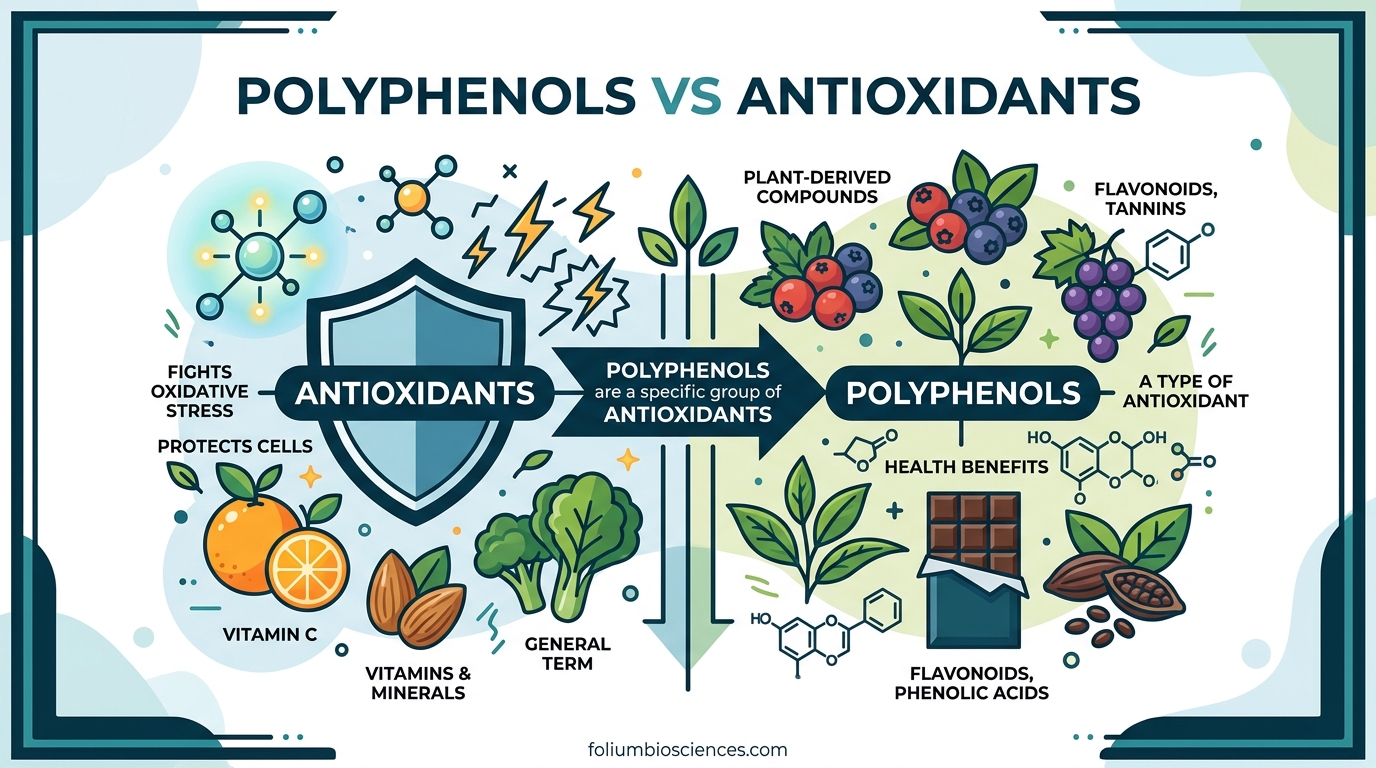
Here is the direct answer that clarifies the confusion: Polyphenols are a type of antioxidant, but not all antioxidants are polyphenols.
This relationship is straightforward once you understand the categories. Imagine you have a category called “fruit” and another called “apple.” All apples are fruit, but not all fruit are apples. Similarly, all polyphenols have antioxidant properties, but many compounds with antioxidant properties are not polyphenols.
Think about vitamin C. It absolutely functions as an antioxidant in your body, neutralizing free radicals and reducing oxidative stress. However, vitamin C is not a polyphenol because it does not have the polyphenol chemical structure. The same applies to vitamin E, glutathione, and many other antioxidant compounds.
Polyphenols represent just one subset of the many compounds that can act as antioxidants. This is why using the terms interchangeably is scientifically inaccurate, even though many health articles do so incorrectly.
Another important distinction is that “polyphenol” describes a chemical structure, while “antioxidant” describes a function. This is why the comparison sometimes feels like comparing apples to activities.
Types of Polyphenols
The polyphenol family is vast, with over 8,000 identified compounds. Scientists categorize them primarily by their chemical structure, and understanding these categories helps you recognize them in foods and supplements.
Flavonoids represent the largest group, comprising over 5,000 compounds. You find them in fruits, vegetables, tea, and red wine. Common flavonoids include quercetin in onions, catechins in green tea, and anthocyanins in berries. Flavonoids contribute to the vibrant colors of many plant foods and have been extensively studied for their health benefits.
Phenolic acids constitute the second major group, found in seeds, fruits, and vegetables. Chlorogenic acid in coffee and gallic acid in tea are common examples. These compounds contribute to the astringent taste of many foods and beverages.
Lignans appear in flaxseeds, sesame seeds, whole grains, and certain vegetables. They have attracted research attention for their potential hormone-modulating effects and role in supporting cardiovascular health.
Stilbenes, while less abundant in the human diet, include resveratrol from red wine and grapes. This compound gained widespread attention for its association with the French Paradox and potential health benefits.
Polyphenolic amides represent another category, with capsaicin from chili peppers being a familiar example. Each category offers distinct biological activities and contributes to the overall health benefits of plant-based foods.
How Polyphenols Work in Your Body
When you consume polyphenol-rich foods, these compounds travel through your digestive system where the magic begins. However, the process is more complex than simple absorption. Most polyphenols are bound to fibers in plant foods, which means your gut bacteria must break down these bonds before absorption can occur.
Once absorbed, polyphenols circulate in your bloodstream, reaching various tissues throughout your body. Here they demonstrate what researchers call “beyond antioxidant” activities, meaning their benefits extend beyond simply neutralizing free radicals.
Polyphenols influence cellular signaling pathways, essentially telling genes when to increase or decrease production of inflammatory compounds and other molecules. This modulating effect helps explain why polyphenols can reduce inflammation systemically, rather than just acting as direct antioxidants.
Perhaps most fascinating is the interaction between polyphenols and your gut microbiome. Certain polyphenols serve as prebiotics, feeding beneficial bacteria like Lactobacillus and Bifidobacterium species. These bacteria convert polyphenols into smaller metabolites that often have enhanced biological activity compared to the original compounds.
Research indicates that polyphenol metabolites can cross the blood-brain barrier, potentially supporting cognitive function and protecting neurons from damage. This neuroprotective potential has generated significant interest in the role of polyphenols in preventing age-related cognitive decline.
Health Benefits of Polyphenols
The health benefits of polyphenols extend well beyond their antioxidant properties, though these effects remain impressive. Studies link regular polyphenol consumption to reduced risks of chronic diseases, improved markers of cardiovascular health, and better blood sugar regulation.
Cardiovascular benefits emerge consistently across research studies. Polyphenols support endothelial function, helping blood vessels relax and maintain healthy blood pressure. They also reduce LDL cholesterol oxidation, a key step in the development of atherosclerosis. The anti-inflammatory properties of polyphenols contribute to these protective effects on the heart and circulatory system.
Cognitive health represents another promising area of polyphenol research. Studies suggest that polyphenols from sources like blueberries, green tea, and olive oil may support memory and protect against neurodegenerative diseases. The anti-inflammatory and antioxidant effects combine with the ability to promote brain-derived neurotrophic factor (BDNF), a protein essential for neuron health.
Gut health benefits deserve special attention because the microbiome connection is so powerful. Polyphenols act as prebiotics, promoting the growth of beneficial bacteria while potentially inhibiting harmful species. This prebiotic effect may explain why polyphenol-rich diets associate with reduced risk of inflammatory bowel disease and improved overall digestive health.
Blood sugar regulation also improves with consistent polyphenol intake. These compounds slow carbohydrate digestion, reducing blood sugar spikes after meals. They also improve insulin sensitivity in cells throughout the body, which helps maintain stable energy levels and reduces cravings.
Some research suggests polyphenol benefits for erectile function, particularly from sources like pomegranate and cocoa flavonoids. While more research is needed, the mechanism involves improved blood flow through endothelial support and reduced oxidative stress in blood vessels.
Food Sources of Polyphenols
Getting adequate polyphenols from food is straightforward once you know which foods are richest in these compounds. Plant-based foods provide the vast majority of dietary polyphenols, with certain categories standing out for their exceptional content.
Berries contain extraordinarily high polyphenol levels, particularly blackberries, blueberries, strawberries, and raspberries. These colorful fruits provide anthocyanins and flavonols that contribute to their vibrant colors and potent health benefits. A single cup of blackberries provides over 500 milligrams of polyphenols.
Dark chocolate and cocoa products offer impressive polyphenol content, with darker varieties providing more. Choose chocolate with 70 percent or higher cacao content to maximize polyphenol intake. A typical 40-gram serving of dark chocolate can provide around 200 milligrams of polyphenols.
Green tea contains catechins, a subclass of flavonoids with particularly strong biological activity. The brewing method matters for preserving these compounds, as water temperature and steeping time affect polyphenol extraction. Drinking green tea without milk maximizes absorption of these beneficial compounds.
Extra virgin olive oil represents one of the most concentrated polyphenol sources in the typical diet. Compounds like hydroxytyrosol, oleuropein, and oleocanthal contribute to both the flavor and health benefits of high-quality olive oil. Research shows that regular consumption of quality olive oil supports cardiovascular health through these polyphenol effects.
Herbs and spices provide extremely concentrated sources of polyphenols. Oregano, thyme, rosemary, and sage contain remarkable concentrations per gram. Adding these herbs to dishes not only enhances flavor but also significantly boosts polyphenol intake. cloves, cinnamon, and black pepper also rank among the highest polyphenol-density foods.
Other notable sources include red wine in moderation, coffee, black tea, pomegranate, artichokes, and legumes like lentils and chickpeas. Building your diet around these foods creates a natural polyphenol-rich eating pattern that supports long-term health.
Maximizing Polyphenol Absorption
Getting polyphenols from foods is one thing, but ensuring your body actually absorbs and uses them requires some attention to how you prepare and consume these foods. Several factors influence polyphenol bioavailability, and understanding them helps you get maximum benefit.
Fat improves polyphenol absorption significantly. Many polyphenols are fat-soluble, meaning they require dietary fat for optimal uptake. This is why consuming vegetables with olive oil, eating dark chocolate after a meal containing fats, or drinking green tea with food enhances polyphenol absorption compared to consuming them on an empty stomach.
Breaking down plant cell walls through cooking, chopping, or blending increases polyphenol availability. While cooking can destroy some sensitive polyphenols, it also releases compounds bound within cell walls, making them more accessible. The heat breaks down complex structures that would otherwise pass through your digestive system undigested.
Gut bacteria play a crucial role because they produce the enzymes needed to separate polyphenols from their fiber carriers. A healthy microbiome with diverse beneficial bacteria improves polyphenol conversion and absorption. Supporting gut health through probiotics, prebiotics, and fermented foods enhances your ability to benefit from polyphenol-rich foods.
Food processing affects polyphenol content substantially. Juicing removes the fiber and dramatically reduces polyphenol content, since most of these compounds remain in the pulp and skin. Freezing preserves polyphenols well, while drying can concentrate them if no heat is used during processing.
Consider incorporating a variety of polyphenol sources rather than relying on a few foods. Different polyphenols have different biological activities, and variety ensures you receive the full spectrum of benefits that plant compounds offer.
Considerations and Limitations
Honesty requires acknowledging that polyphenols are not a magic solution, and the research has important limitations you should understand. While the benefits are real, realistic expectations matter when evaluating polyphenol supplementation or claims.
Bioavailability presents a significant challenge. Research indicates that achievable tissue concentrations of polyphenols are only around 2 to 4 percent of those of endogenous antioxidants like glutathione, uric acid, and bilirubin that your body produces naturally. This means that while dietary polyphenols certainly contribute to antioxidant defenses, they work alongside your body’s own antioxidant systems rather than replacing them.
Most polyphenols require activation by gut bacteria, meaning individual microbiome differences dramatically affect how much benefit you receive from identical foods. Some people convert polyphenols to active metabolites efficiently while others do not, explaining why research findings vary substantially between individuals.
Supplement considerations deserve careful attention. Polyphenol supplements exist, but research on their effectiveness remains mixed. The synergy found in whole foods likely exceeds anything available through isolated compounds, and food matrices appear to influence bioavailability in ways that supplements cannot replicate. If you consider supplements, look for products with published research on the specific extract and dosage.
Medication interactions are possible with high-dose polyphenol supplements. Polyphenols can affect how certain drugs are metabolized and absorbed. If you take medications, consult your healthcare provider before starting any new supplement regimen.
The research landscape continues evolving, with many studies conducted in laboratories or using animal models. Human clinical trials remain limited for many specific polyphenol benefits, so maintaining balanced expectations based on current evidence represents the most honest approach.
Frequently Asked Questions
Are polyphenols and antioxidants the same thing?
No, they are not the same. Polyphenols are a type of antioxidant, but not all antioxidants are polyphenols. Antioxidant is a functional description meaning a compound that neutralizes free radicals. Polyphenol is a structural description referring to a specific chemical family with multiple phenolic rings. Many compounds like vitamin C and vitamin E function as antioxidants without being polyphenols.
What foods are the richest in polyphenols?
The richest sources include dark berries like blackberries and blueberries, dark chocolate with 70%+ cacao content, green tea, extra virgin olive oil, herbs and spices like oregano and cloves, red wine in moderation, coffee, and pomegranate. Building your diet around these foods naturally increases polyphenol intake.
What is the most powerful antioxidant?
The body produces several endogenous antioxidants that work at much higher concentrations than dietary polyphenols, including glutathione, uric acid, and bilirubin. Among dietary antioxidants, no single compound can be called the most powerful since different antioxidants work through different mechanisms. A diverse diet with multiple antioxidant sources provides better protection than any single compound.
What is the disadvantage of polyphenols?
The main disadvantages involve bioavailability limitations, as polyphenol tissue concentrations are relatively low compared to endogenous antioxidants. They also require gut bacteria for activation, meaning individual microbiome differences affect benefits significantly. High-dose supplements may interact with medications, and the research on isolated polyphenol supplements remains less convincing than whole-food sources.
Do polyphenols help with ED?
Some research suggests polyphenol-rich foods like pomegranate and cocoa flavonoids may support erectile function through improved blood flow and reduced oxidative stress in blood vessels. However, the evidence remains preliminary, and polyphenol-rich foods should complement rather than replace medical treatments for erectile dysfunction.
Is apple cider vinegar a polyphenol?
Apple cider vinegar contains some phenolic compounds from the apples used to make it, but it is not considered a significant source of polyphenols. The fermentation process and dilution during production mean polyphenol content is minimal compared to whole apples or other polyphenol-rich foods.
Conclusion
Polyphenols vs antioxidants is not a matter of one being better than the other. Instead, understanding the relationship helps you make informed decisions about nutrition and health. Polyphenols represent one subset of the many compounds that function as antioxidants in your body.
The key takeaway is that a diverse, plant-rich diet provides the best approach to gaining antioxidant and polyphenol benefits. Focus on colorful fruits and vegetables, quality olive oil, dark chocolate, green tea, and herbs and spices to naturally increase your polyphenol intake. This whole-food approach ensures you receive the full spectrum of these beneficial compounds working together in ways that supplements cannot replicate.
Remember that polyphenols work best as part of an overall healthy lifestyle that includes regular physical activity, stress management, and adequate sleep. Your body produces its own powerful antioxidant systems, and polyphenol-rich foods support rather than replace these natural defenses.