
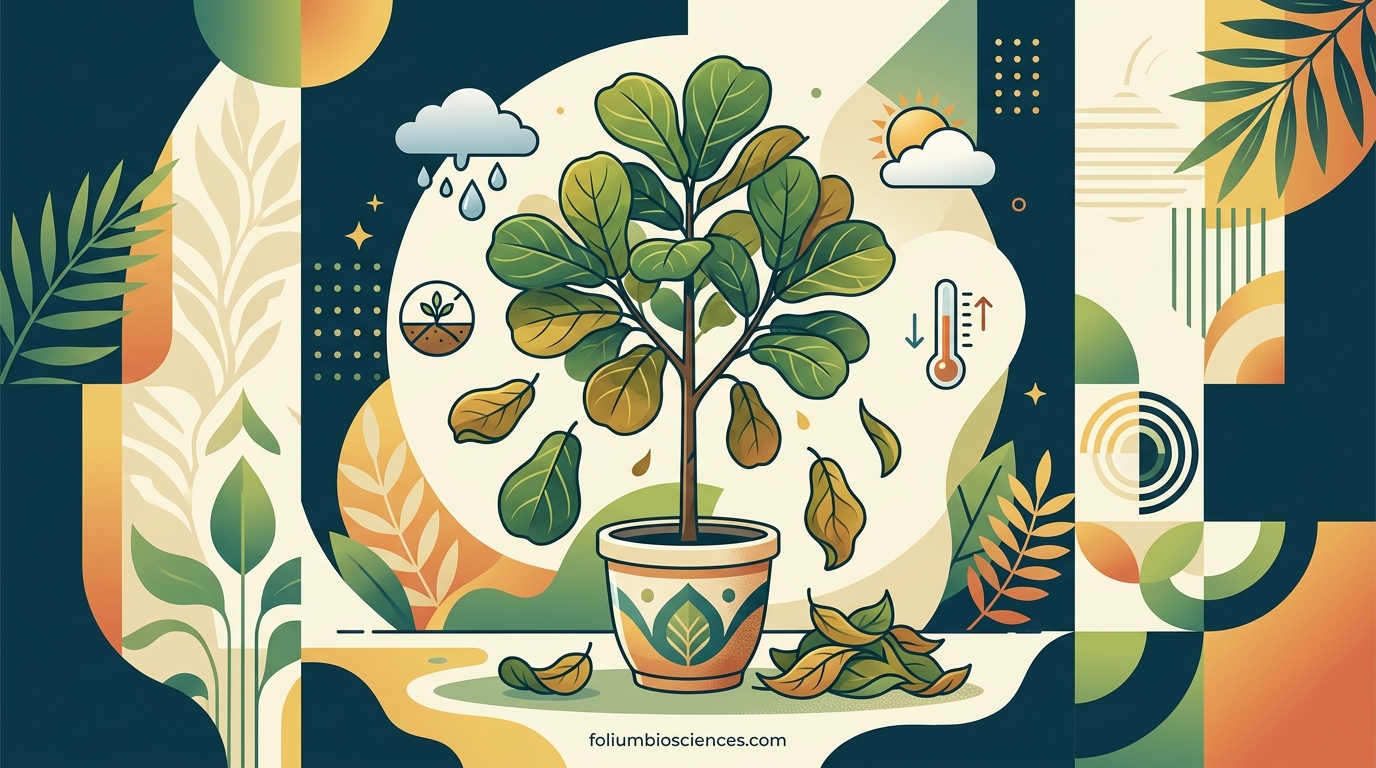
Fiddle leaf figs thrive in temperatures between 65 and 75 degrees Fahrenheit, and when they experience sudden changes in their environment, they respond by dropping leaves. This reaction, known as plant shock, is your fiddle leaf fig’s survival mechanism kicking in.
In this guide, I will show you exactly why your fiddle leaf fig is dropping leaves from shock, how to distinguish it from other problems like overwatering, and the specific steps you need to take to bring your plant back to health. Our team has helped hundreds of fiddle leaf fig owners troubleshoot leaf drop issues, and we have learned what works and what does not.
Whether your plant is reacting to a recent move, seasonal temperature changes, or a repotting session, understanding the root cause is the first step toward recovery.
Table of Contents
What Is Fiddle Leaf Fig Shock and Why Does It Cause Leaf Drop?
Plant shock occurs when your fiddle leaf fig experiences sudden environmental stress that disrupts its ability to absorb water and nutrients. The plant sheds leaves as a defense mechanism to conserve energy and resources for survival.
Think of it this way: when conditions change rapidly, your plant cannot process water efficiently through its roots. Rather than risk the entire plant dying from dehydration or nutrient deficiency, it sacrifices leaves to protect the stem and root system.
Fiddle leaf figs are particularly sensitive to change because they originate from the warm, stable climate of West African rainforests. In their natural habitat, temperature, humidity, and light remain relatively constant year-round. Your home environment, with its heating systems, air conditioning, and seasonal shifts, presents challenges these plants are not naturally equipped to handle.
Common Causes of Fiddle Leaf Fig Shock
Understanding what triggers shock helps you prevent it from happening in the first place. Here are the most common culprits behind fiddle leaf fig dropping leaves shock.
Temperature Stress and Environmental Changes
Temperature fluctuations are the leading cause of shock in fiddle leaf figs. These plants prefer steady warmth and react poorly to cold drafts, sudden temperature drops, or exposure to heating vents.
If you place your fiddle leaf fig near an air conditioning unit during summer months, the cold air can trigger immediate leaf drop. Similarly, positioning it too close to a radiator or heating vent in winter creates hot, dry conditions that stress the plant.
Doorways and drafty windows present another risk. When outside temperatures drop below 60 degrees Fahrenheit, even brief exposure can shock your plant. I have seen fiddle leaf figs drop five to six leaves within days of being placed near a drafty entrance.
Keep your plant away from areas with temperature swings greater than 10 degrees throughout the day. Stable temperatures between 65 and 75 degrees Fahrenheit provide the ideal environment for your fiddle leaf fig to thrive.
Transplant and Repotting Shock
Repotting is necessary for healthy growth, but it always stresses your fiddle leaf fig temporarily. When you disturb the root system, even gently, the plant must reestablish its connection to the soil before it can absorb water effectively.
This disruption causes transplant shock, which typically manifests as drooping leaves followed by leaf drop within one to two weeks of repotting. The severity depends on how much root disturbance occurred and whether the plant was already stressed.
If you repotted during the active growing season in spring or summer, recovery usually happens faster. Repotting in fall or winter, when the plant is naturally dormant, extends the shock period and increases the risk of permanent damage.
After repotting, expect your fiddle leaf fig to drop two to four leaves during the adjustment period. This is normal and does not mean you did anything wrong. The key is providing consistent care while the roots settle into their new home.
Relocation and Moving Stress
Bringing a new fiddle leaf fig home from the nursery is one of the most common shock triggers. These plants are grown in greenhouse conditions with perfect humidity, temperature, and light. Your home environment represents a dramatic change.
Moving your plant to a different room, even within the same house, can trigger shock. Light intensity, temperature, and air circulation all vary between spaces, and your fiddle leaf fig notices these changes immediately.
Users on gardening forums consistently report losing five to six leaves within the first week after bringing a fiddle leaf fig home. This initial drop is simply the plant adjusting to its new surroundings.
If you must move your plant, do it gradually when possible. Shift it closer to the new location over several days rather than making one dramatic change.
Overwatering vs Underwatering: How to Tell the Difference
Watering problems often mimic shock symptoms, and getting the diagnosis wrong can make things worse. Here is how to distinguish between overwatering, underwatering, and true environmental shock.
Signs of Overwatering
Overwatered fiddle leaf figs develop yellow leaves that drop from the bottom up. The yellowing often spreads from the leaf center outward, and you might notice dark brown or black spots developing where excess moisture has caused cell damage.
Check the soil moisture with your finger inserted two inches deep. If it feels wet or soggy several days after watering, you are overwatering. The pot might also feel unusually heavy, and you may detect a musty odor indicating root rot has begun.
Root rot, caused by constantly wet soil, is a serious consequence of overwatering. When roots suffocate and die, they cannot deliver water to the leaves, which causes the same drooping and dropping you see with shock. However, the treatment differs significantly, so accurate diagnosis matters.
Signs of Underwatering
Underwatered fiddle leaf figs develop crispy, brown edges on leaves that start from the tips and work inward. The leaves feel dry and papery rather than soft and pliable.
Bottom leaves drop first with underwatering because the plant prioritizes keeping newer growth alive. You might notice the leaves drooping dramatically before they fall off.
The soil will feel dry throughout the pot, and it might pull away from the edges of the container. In severe cases, the soil becomes hydrophobic and actually repels water when you try to water it.
Bottom leaf drop is sometimes normal aging rather than a problem. Older leaves naturally yellow and drop after several months. However, if multiple leaves drop simultaneously or the pattern spreads upward, you likely have an issue.
Quick Comparison: Overwatering vs Underwatering
| Symptom | Overwatering | Underwatering |
|---|---|---|
| Leaf color | Yellow from center | Brown from edges |
| Texture | Soft, mushy spots | Crispy, dry edges |
| Drop pattern | Bottom up, center out | Bottom up, edges in |
| Soil condition | Wet, soggy, smelly | Dry, pulling from pot |
| Timing | Days after watering | Weeks without water |
True shock usually involves leaf drop without the distinct yellowing or browning patterns of watering problems. Leaves might look perfectly healthy before falling off. Additionally, shock symptoms appear after an environmental change, whereas watering issues develop gradually.
How to Save Your Fiddle Leaf Fig From Shock
If you have identified shock as the cause of your fiddle leaf fig dropping leaves, follow these steps to stabilize your plant and encourage recovery.
Step 1: Stabilize the Environment
First, eliminate whatever triggered the shock. Move your plant away from AC vents, heating sources, and drafty areas immediately. Find a spot with bright, indirect light where temperatures remain consistently between 65 and 75 degrees Fahrenheit.
East-facing windows typically provide ideal light conditions. Avoid south-facing windows in summer, where direct sun can scorch leaves and add heat stress to already shocked plants.
Once you place your fiddle leaf fig in its new spot, resist the urge to move it again. Every relocation extends the recovery period.
Step 2: Check and Adjust Watering
Even if shock is the primary cause, improper watering can compound the problem. Insert your finger two inches into the soil to check moisture levels.
If the soil is dry, water thoroughly until water drains from the bottom holes. This ensures the entire root ball receives moisture. If the soil is wet, hold off on watering and check again in a few days.
Going forward, water only when the top two inches of soil feel dry. This usually translates to once every seven to ten days, but always check rather than following a rigid schedule.
Step 3: Increase Humidity
Shocked plants benefit from higher humidity, which reduces stress on remaining leaves and helps prevent further drop. Fiddle leaf figs prefer humidity levels between 30 and 65 percent.
If your home air is dry, especially in winter when heating runs constantly, use a humidity tray or place a small humidifier nearby. Misting the leaves daily also provides temporary relief, though it is less effective than consistent humidity management.
Grouping plants together creates a microclimate with naturally higher humidity. If you have other houseplants, position your shocked fiddle leaf fig among them during recovery.
Step 4: Avoid Fertilizer and Pruning
During shock recovery, your plant needs to focus its energy on root health and leaf retention. Adding fertilizer forces growth when the plant is not ready, potentially causing more stress.
Wait at least one month after the last leaf drops before resuming fertilizer. When you do start again, use a diluted balanced fertilizer at half strength.
Similarly, avoid pruning during recovery. Those drooping leaves might look unsightly, but if they are still attached, the plant is still using them. Wait until new growth appears before removing damaged foliage.
Recovery Timeline: When Will Your Plant Bounce Back?
One of the most frustrating aspects of fiddle leaf fig shock is the waiting game. Unlike pests or watering issues that respond quickly to treatment, shock recovery requires patience.
Week 1 to 2: The acute phase. Your plant may continue dropping leaves during this period as it adjusts to stabilized conditions. This is normal and does not mean your interventions are failing. Keep the environment consistent and avoid any further changes.
Week 3 to 4: Stabilization begins. Leaf drop should slow dramatically or stop entirely. The remaining leaves should look perkier and less droopy. This is a good sign that your fiddle leaf fig is adapting.
Week 5 to 8: Recovery signs appear. Look for new growth at the stem tips. New leaves emerge rolled up and slowly unfurl over several days. This is the best indicator that your plant has moved past the shock phase.
Month 3 and beyond: Full recovery. Your fiddle leaf fig should have several new leaves and resumed normal growth patterns. At this point, you can resume regular fertilizing and pruning schedules.
If you do not see new growth after two months, reassess your care. Check that light levels are adequate, temperatures remain stable, and you are not over or underwatering. Sometimes what appears to be shock is actually an ongoing care issue.
Signs Your Fiddle Leaf Fig Is Recovering
Watch for these positive indicators during the recovery period:
- Remaining leaves stand upright instead of drooping
- Leaf drop has completely stopped
- New leaf buds appear at stem tips
- Stem remains firm and green, not soft or brown
- Soil dries at a normal rate between waterings
Even if your fiddle leaf fig loses all its leaves, recovery is possible as long as the stem remains firm and green. I have seen bare sticks sprout new growth after three months of consistent care. Do not give up on a leafless plant until the stem turns brown and brittle.
How to Prevent Future Shock Episodes
Prevention is always easier than recovery. Here is how to minimize shock risk for your fiddle leaf fig.
Acclimate New Plants Gradually
When you bring a new fiddle leaf fig home, place it in a spot with similar conditions to the nursery for the first week. If the plant came from a bright greenhouse, avoid immediately putting it in a dark corner.
After one week, gradually move it to its permanent location over several days. This slow transition gives the plant time to adjust without triggering shock.
Make Changes Incrementally
Whether adjusting light exposure, humidity, or temperature, make changes gradually. If you want to move your plant to a brighter spot, shift it closer over a week rather than all at once.
Seasonal transitions require extra attention. As winter approaches and you turn on heating, monitor your plant closely for early signs of stress. The same applies when summer air conditioning starts running.
Time Repotting Carefully
Repot fiddle leaf figs in spring or early summer when they are actively growing. Avoid repotting in fall or winter when the plant is dormant and less able to recover from root disturbance.
When repotting, handle roots gently and use a pot only one size larger than the current container. Too much extra soil holds excess moisture and increases shock risk.
Maintain Consistent Care
Fiddle leaf figs thrive on consistency. Water on a schedule based on soil dryness rather than calendar days. Keep humidity levels stable, and avoid moving the plant unnecessarily.
Users on gardening forums consistently praise moisture meters for preventing both overwatering and underwatering. These inexpensive tools remove the guesswork from watering decisions.
Frequently Asked Questions
How do I get my fiddle leaf fig to stop dropping leaves?
To stop leaf drop, first identify the cause. Check for drafts or temperature changes and move your plant to a stable location between 65-75F. Ensure you are watering only when the top 2 inches of soil are dry. Increase humidity to 40-60% and avoid moving or repotting until the plant stabilizes. Most shock-related leaf drop resolves within 2-4 weeks of environmental stabilization.
Can a fiddle leaf fig come back after losing all leaves?
Yes, a fiddle leaf fig can recover even after losing all leaves if the stem remains firm and green. As long as the root system is healthy and the stem has not turned brown or mushy, new growth can emerge from dormant buds. Recovery typically takes 6-12 weeks, and you should see new leaf buds forming at the stem tips. Maintain consistent watering and stable temperatures during this period.
How to bring a fiddle leaf fig back to life?
First, assess whether the stem is still firm and green. If so, place the plant in bright indirect light with temperatures between 65-75F. Water only when the top 2 inches of soil are dry, and increase humidity around the plant. Remove any dead or mushy roots if root rot is present. Avoid fertilizer until new growth appears. With consistent care, most plants show recovery signs within 4-8 weeks.
What does an overwatered fiddle leaf fig look like?
Overwatered fiddle leaf figs develop yellow leaves starting from the center, often accompanied by dark brown or black spots. The leaves feel soft and mushy rather than crispy. The soil remains wet for days after watering and may develop a musty odor. Root rot may cause the plant to become unstable in its pot. Bottom leaves typically drop first, and the yellowing spreads upward.
How long does fiddle leaf fig shock last?
Fiddle leaf fig shock typically lasts 2-4 weeks for minor cases and up to 8-12 weeks for severe shock. During the first two weeks, leaf drop may continue even after you stabilize the environment. By week 3-4, the plant should stop dropping leaves and begin perking up. New growth usually appears around weeks 5-8, indicating full recovery is underway. Patience and consistent care are essential during this period.
Should I remove dropped leaves from the soil?
Yes, remove dropped leaves from the soil surface promptly. Decomposing leaves can harbor fungus and bacteria that may spread to healthy plant tissue. They can also attract pests like fungus gnats. However, do not remove leaves that are still attached to the plant, even if they look damaged. The plant continues to absorb nutrients from them until they naturally detach.
Conclusion
Fiddle leaf fig dropping leaves from shock is a common but manageable problem. By understanding that leaf drop is your plant’s survival response to environmental changes, you can take the right steps to help it recover.
Remember the fundamentals: maintain temperatures between 65 and 75 degrees Fahrenheit, provide consistent watering based on soil dryness, and avoid unnecessary changes during recovery. Most fiddle leaf figs bounce back within two months if you give them stable conditions and patient care.
If you are dealing with fiddle leaf fig shock right now, start by stabilizing your plant’s environment today. Check for drafts, assess your watering habits, and resist the urge to make further changes. Your plant needs time to adjust, but with the right care, those beautiful leaves will return.