
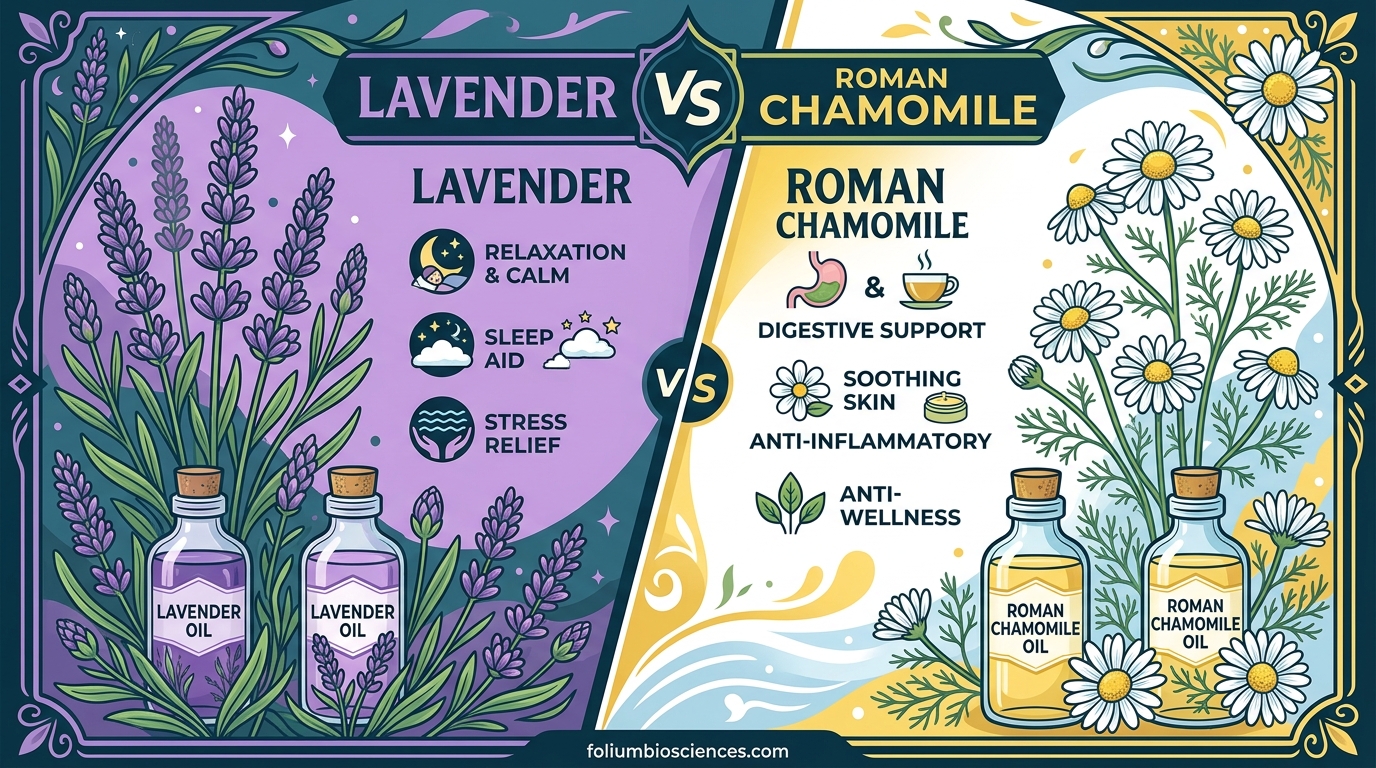
Introduction: Finding Your Perfect Sleep Companion
If you have ever struggled to fall asleep after a long, stressful day, you are not alone. Millions of people search for natural ways to improve their sleep quality, and aromatherapy offers a gentle, effective solution. Two of the most beloved essential oils for sleep are lavender and Roman chamomile. But how do you choose between them? And more importantly, how do you combine them in your diffuser for maximum benefit?
This comprehensive guide explores the science behind these calming oils, compares their sleep-promoting properties, and provides specific diffuser blend recipes you can use tonight. Whether you are new to aromatherapy or looking to optimize your bedtime routine, you will find practical, evidence-based advice to help you achieve deeper, more restorative sleep.
Table of Contents
What is Lavender? Nature’s Sleep Aid
Lavender (Lavandula angustifolia) has been used for centuries as a natural remedy for anxiety, restlessness, and insomnia. Native to the Mediterranean region, this fragrant herb is now cultivated worldwide for its essential oil, which is extracted through steam distillation of the flowers.
The sleep-promoting properties of lavender are largely attributed to two key active compounds: linalool and linalyl acetate. These compounds interact with the GABAergic system in the brain, which is responsible for calming nervous system activity. Studies have shown that inhalation of linalool can reduce cortisol levels (the stress hormone) and promote relaxation without causing drowsiness or next-day grogginess.
Research published in the Journal of Alternative and Complementary Medicine found that participants who slept in a room diffused with lavender essential oil experienced increased deep sleep (slow-wave sleep) and reported feeling more refreshed the following morning. Another study from the University of Southampton demonstrated that lavender aromatherapy reduced anxiety scores in patients preparing for surgery, suggesting potent anxiolytic effects that translate to better sleep onset.
Key Benefits of Lavender for Sleep
- Reduces sleep latency (time to fall asleep)
- Increases deep sleep duration
- Decreases anxiety and racing thoughts
- Linalool and linalyl acetate modulate GABA receptors
- No grogginess or dependency with regular use
What is Roman Chamomile? The Gentle Sedative
Roman chamomile (Chamaemelum nobile) is a perennial herb native to Western Europe and North Africa. Unlike its German counterpart, Roman chamomile produces a sweet, apple-like fragrance that many find deeply comforting. The essential oil is extracted from the flowers through steam distillation and has been used since ancient Egyptian times for its medicinal properties.
The sleep-promoting effects of Roman chamomile are primarily linked to two compounds: apigenin and bisabolol. Apigenin is a flavonoid that binds to GABA-A receptors in the brain, producing a mild sedative effect similar to some prescription sleep aids but without the associated risks. Bisabolol, on the other hand, demonstrates anti-inflammatory and calming properties that can help quiet a restless mind.
A 2015 study published in the Journal of Agricultural and Food Chemistry found that Roman chamomile extract significantly reduced sleep latency and increased total sleep time in animal models. Human studies have corroborated these findings, with participants reporting improvements in both sleep quality and daytime functioning after using chamomile supplements or aromatherapy.
Key Benefits of Roman Chamomile for Sleep
- Apigenin content provides mild sedative effect
- Bisabolol reduces mental chatter and worry
- Anti-inflammatory properties support restful sleep
- Sweet, comforting aroma ideal for bedtime
- Particularly effective for stress-related insomnia
Key Differences: Lavender vs Roman Chamomile
While both essential oils promote relaxation and better sleep, they work through different mechanisms and offer distinct benefits. Understanding these differences will help you choose the right oil or blend for your specific sleep challenges.
Aroma Profile
Lavender offers a fresh, floral, slightly herbaceous scent that many describe as clean and balancing. Roman chamomile, conversely, produces a sweet, apple-like, and somewhat fruity aroma that feels warm and nurturing. Personal preference plays a significant role here, as you are more likely to enjoy and benefit from an oil you find pleasant.
Primary Mechanisms
Lavender primarily acts on the GABAergic system through linalool and linalyl acetate, directly reducing neuronal excitability. Roman chamomile works through apigenin binding to benzodiazepine sites on GABA-A receptors and bisabolol’s anti-inflammatory pathways. Both ultimately promote calmness, but chamomile may be more effective for racing thoughts and worry-based insomnia.
Best For
Lavender tends to be more effective for people who have difficulty staying asleep or achieving deep sleep. Its effects on sleep architecture are particularly well-documented. Roman chamomile excels at quieting an overactive mind and is often preferred by those whose sleep difficulties stem from anxiety, overthinking, or stress.
Comparison Table: Lavender vs Roman Chamomile
| Property | Lavender | Roman Chamomile |
|---|---|---|
| Active Compounds | Linalool, Linalyl Acetate | Apigenin, Bisabolol |
| Primary Mechanism | GABA modulation | Benzodiazepine receptor binding |
| Aroma | Fresh, floral, herbaceous | Sweet, apple-like, fruity |
| Best For | Deep sleep, sleep maintenance | Sleep onset, anxiety relief |
| Cortisol Reduction | Yes, significant | Moderate |
| Anti-inflammatory | Moderate | Strong |
| Sedative Effect | Mild to moderate | Mild to moderate |
Best Diffuser Blends for Sleep
Now that you understand the unique properties of each oil, let us explore specific diffuser blend recipes you can use to maximize your sleep benefits. These recipes use standard drop ratios suitable for a typical 100-200ml diffuser. Always start with the lower end of recommended drops and adjust to your preference.
Classic Calming Blend
This foundational blend combines the sleep-promoting properties of both oils for a balanced, effective result.
- 3 drops lavender essential oil
- 2 drops Roman chamomile essential oil
This combination is perfect for beginners and works well for general sleep improvement. The lavender provides grounding depth while the chamomile adds a gentle, soothing sweetness.
Deep Sleep Enhancement Blend
For those struggling with shallow sleep or frequent awakenings, this blend emphasizes lavender’s deep sleep-promoting properties.
- 4 drops lavender essential oil
- 1 drop Roman chamomile essential oil
- 1 drop cedarwood essential oil (optional, enhances grounding)
Anxiety Relief Blend
If an overactive mind is your primary sleep obstacle, this chamomile-forward blend may be more effective.
- 2 drops Roman chamomile essential oil
- 2 drops lavender essential oil
- 1 drop bergamot essential oil (enhances mood stabilization)
Stress-Free Sleep Blend
For particularly stressful days or when you need maximum relaxation, try this richer formulation.
- 2 drops lavender essential oil
- 2 drops Roman chamomile essential oil
- 1 drop frankincense essential oil (promotes deep breathing)
- 1 drop marjoram essential oil (muscle relaxation)
Gentle Sleep Blend for Sensitive Individuals
If you are new to aromatherapy or particularly sensitive to scents, start with this milder blend.
- 2 drops lavender essential oil
- 1 drop Roman chamomile essential oil
You can gradually increase to 3 drops of each as your tolerance develops. Many users find that after a few weeks of regular use, they can smell the blend more clearly and appreciate its full benefits.
How to Use: Application Methods for Better Sleep
To maximize the sleep-promoting benefits of your diffuser blends, consider these application guidelines.
Timing Your Diffusion
Begin diffusing your blend 30-60 minutes before your intended bedtime. This allows the compounds to build up in your system and signals to your body that it is time to wind down. Continue diffusing while you fall asleep, or use a timer function to turn off after 1-2 hours.
Diffuser Size Matters
For a standard 100-200ml diffuser, use 4-8 total drops of essential oils per session. Larger diffusers (300ml+) may accommodate 8-12 drops, while smaller personal diffusers may only need 2-4 drops. Always check your diffuser manufacturer’s recommendations.
Room Considerations
Bedroom size affects dilution. For small bedrooms (under 100 square feet), use fewer drops. For larger spaces (over 200 square feet), you may need to increase drops slightly or position the diffuser closer to your bed. Ensure adequate ventilation without creating drafts.
Complementary Methods
- Pillow Spray: Mix 10 drops lavender and 5 drops Roman chamomile with 2 tablespoons of water in a spray bottle
- Roller Bottle: Dilute 5 drops total essential oils in 1 teaspoon carrier oil for topical application on wrists or temples
- Bath Addition: Add 5-8 drops of your blend to warm bathwater 20 minutes before bed
Safety and Precautions
While lavender and Roman chamomile are generally considered safe for aromatherapy, certain precautions ensure positive experiences.
General Safety Guidelines
- Always dilute essential oils before topical application (1-2% dilution is standard for body use)
- Keep essential oils away from eyes, ears, and mucous membranes
- Do not ingest essential oils unless under the guidance of a qualified healthcare professional
- Perform a patch test before first-time topical use
- Store essential oils away from heat and direct sunlight
Specific Considerations
- Pregnancy: Consult your healthcare provider before using any essential oils, particularly during the first trimester
- Children: Use lower concentrations and consult a pediatrician for children under 6
- Pets: Some animals are sensitive to essential oils; ensure adequate ventilation and consider pet safety
- Asthma or Respiratory Conditions: Start with shorter diffusion times (15-30 minutes) and monitor for any adverse reactions
When to Avoid
Discontinue use if you experience headache, nausea, dizziness, or respiratory irritation. These symptoms may indicate sensitivity or overuse. Some individuals may be allergic to chamomile, particularly those with sensitivities to plants in the Asteraceae family.
FAQ
Q: Which essential oil is better for sleep, lavender or Roman chamomile?
A: Both are excellent for sleep, but they work differently. Lavender is more effective for improving sleep architecture and increasing deep sleep, while Roman chamomile excels at calming anxiety and racing thoughts. For most people, a blend of both provides optimal results.
Q: Can I use lavender and Roman chamomile together in a diffuser?
A: Absolutely. Combining these two oils creates a synergistic effect that enhances their individual sleep-promoting properties. A good starting ratio is 3 drops lavender to 2 drops Roman chamomile.
Q: How many drops of essential oil should I use in my diffuser for sleep?
A: For a standard 100-200ml diffuser, 4-8 total drops of essential oils is appropriate for sleep aromatherapy. Start with 4-5 drops and adjust based on your sensitivity and room size.
Q: How long before bed should I start diffusing?
A: Begin diffusing 30-60 minutes before your intended bedtime to allow the compounds to take effect. You can continue diffusing through the night or use a timer to turn off after 1-2 hours.
Q: Is Roman chamomile safe for everyone?
A: Roman chamomile is generally safe for most adults. However, those with allergies to plants in the Asteraceae family (ragweed, chrysanthemums, marigolds) should use caution. Consult a healthcare provider if you are pregnant, nursing, or have specific health concerns.
Q: Can I use these blends if I have asthma?
A: Many people with asthma find aromatherapy helpful for sleep. Start with shorter diffusion sessions (15-30 minutes) in a well-ventilated room and discontinue if you experience any respiratory discomfort.
Conclusion
Both lavender and Roman chamomile offer proven, gentle support for better sleep. Lavender’s linalool and linalyl acetate work to increase deep sleep and reduce sleep latency, while Roman chamomile’s apigenin and bisabolol calm anxious thoughts and promote relaxation. The best approach is often to combine them, allowing their synergistic effects to address multiple aspects of sleep difficulty.
Start with the classic blend of 3 drops lavender and 2 drops Roman chamomile, then experiment to find your perfect ratio. Remember that consistency matters more than quantity. Regular use of a quality diffuser blend, combined with good sleep hygiene practices, can transform your bedtime routine and help you wake refreshed.
Sweet dreams await.