
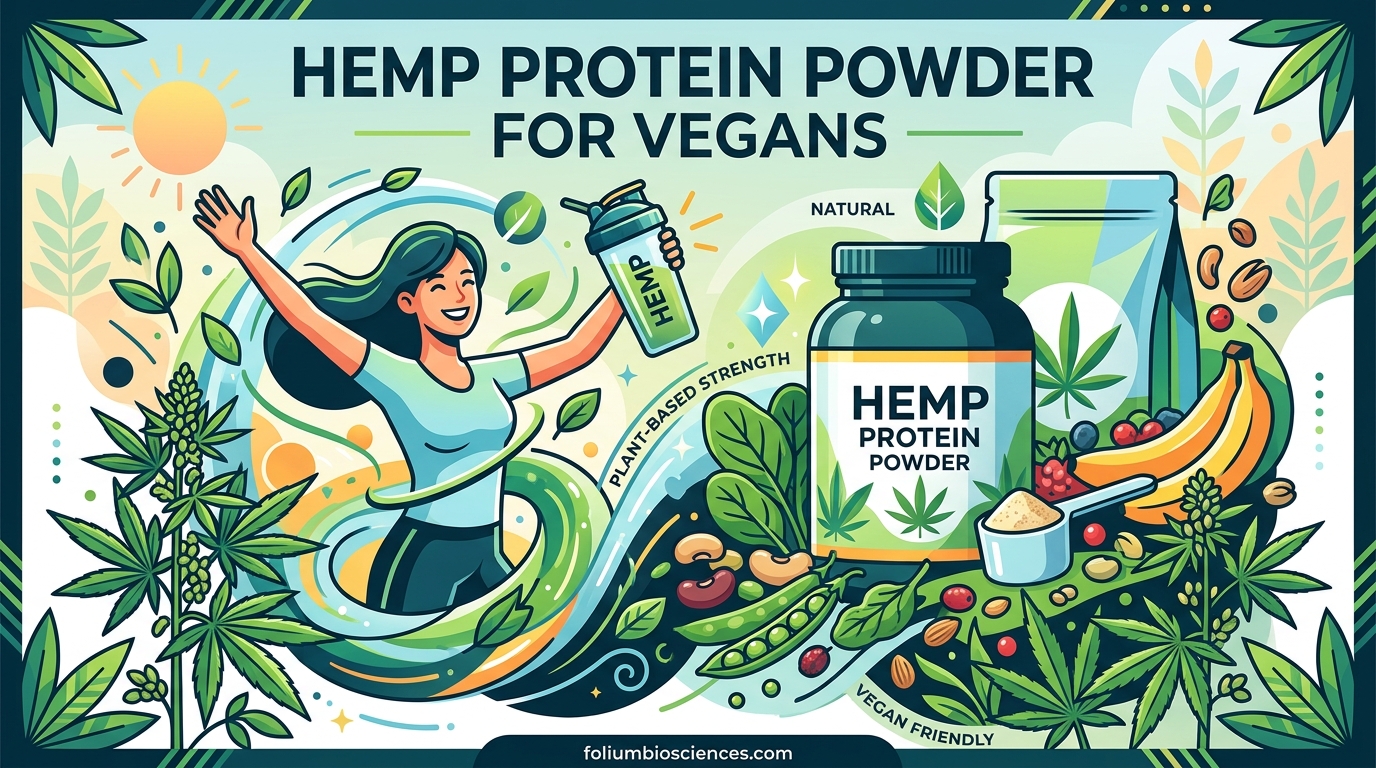
Hemp protein powder for vegans has become one of the most talked-about plant-based supplements in 2026. The question on everyone’s mind is simple: Can hemp protein stand alone as a complete protein source, or do you need to blend it with pea protein to get all the amino acids your body needs?
The short answer is yes, hemp protein is technically a complete protein. It contains all nine essential amino acids that your body cannot produce on its own. However, the story gets more interesting when you look at the amounts of each amino acid, particularly lysine. I have spent months researching plant-based proteins and testing different powders to understand what actually works for vegan athletes and everyday health enthusiasts.
This guide breaks down everything you need to know about hemp protein powder, its amino acid profile, how it compares to pea protein, and whether you can rely on it as your sole protein source. By the end, you will understand exactly what hemp protein offers and how to use it effectively.
Table of Contents
What Is Hemp Protein Powder?
Hemp protein powder comes from the seeds of the Cannabis sativa plant. Do not worry, these seeds contain only trace amounts of THC, the compound responsible for marijuana’s psychoactive effects. The seeds are cold-pressed to extract the oil, and the remaining seed cake is ground into a fine protein-rich powder.
Unlike many other plant proteins, hemp protein undergoes minimal processing. The cold-press method preserves the natural nutrients, including essential fatty acids, fiber, and minerals. Most hemp protein powders contain 10 to 15 grams of protein per 30-gram serving, along with 7 to 8 grams of fiber. This makes it one of the most fiber-rich protein supplements available.
The protein in hemp consists mainly of two types of globular proteins called edestin and albumin. These proteins are highly digestible and closely resemble proteins found in the human body, which explains why hemp protein absorbs so efficiently.
What Is a Complete Protein?
A complete protein contains all nine essential amino acids in sufficient quantities to support human health. Essential amino acids include histidine, isoleucine, leucine, lysine, methionine, phenylalanine, threonine, tryptophan, and valine. Your body cannot synthesize these on its own, so you must obtain them from food.
For vegans and vegetarians, complete protein sources matter because most plant foods lack one or more essential amino acids. Animal proteins like meat, eggs, and dairy naturally contain all nine. Among plant sources, only soy, quinoa, buckwheat, chia seeds, and hemp are considered complete proteins.
However, being a complete protein does not automatically mean a food provides optimal amounts of each amino acid. The quality of a protein depends on the proportions of essential amino acids relative to human needs. Scientists measure this using the Protein Digestibility Corrected Amino Acid Score, or PDCAAS, which compares a protein’s amino acid profile to a reference standard.
Is Hemp Protein a Complete Protein?
Yes, hemp protein qualifies as a complete protein because it contains all nine essential amino acids. Research consistently shows that hemp seeds provide adequate amounts of eight essential amino acids, with lysine present in slightly lower concentrations than some other complete proteins.
The protein composition of hemp seeds is approximately 65% edestin and 35% albumin. Both are highly bioavailable globular proteins that your body recognizes and utilizes efficiently. This unique protein structure sets hemp apart from other plant-based options and contributes to its excellent digestibility.
While some sources debate whether hemp is truly complete due to its lysine content, nutritional science generally accepts it as a complete protein. The key is understanding that complete does not mean perfect. Hemp provides all essential amino acids, but some in modest amounts that may benefit from dietary variety.
Hemp Protein Amino Acid Profile
Hemp protein delivers a robust amino acid profile that supports muscle recovery, immune function, and overall health. The branched-chain amino acids (BCAAs) leucine, isoleucine, and valine appear in significant quantities, making hemp suitable for post-workout recovery.
Leucine stands out as particularly important for muscle protein synthesis. While hemp contains less leucine than whey or pea protein, it still provides enough to trigger muscle-building pathways when consumed in adequate amounts. The arginine content in hemp protein also supports blood flow and nitric oxide production.
Here is what a typical 30-gram serving of hemp protein powder contains in terms of essential amino acids: approximately 380 milligrams of histidine, 500 milligrams of isoleucine, 890 milligrams of leucine, 570 milligrams of lysine, 290 milligrams of methionine, 620 milligrams of phenylalanine, 530 milligrams of threonine, 180 milligrams of tryptophan, and 620 milligrams of valine. These values vary by brand and processing method.
The Lysine Question: Does It Matter?
Lysine represents the most contentious amino acid when discussing hemp protein completeness. Some nutritional databases list hemp as lysine-deficient, which technically would make it incomplete. However, recent analysis shows hemp seeds contain enough lysine to meet requirements when consumed as part of a varied diet.
The confusion stems from outdated data and varying definitions of sufficiency. While hemp contains less lysine per gram than soy or pea protein, the amount present meets minimum thresholds for completeness. Lysine plays crucial roles in calcium absorption, collagen formation, and immune function, so ensuring adequate intake matters.
If you rely heavily on hemp protein as your primary protein source, consider complementing it with lysine-rich foods like legumes, quinoa, or pumpkin seeds. This strategy ensures optimal amino acid balance without requiring protein powder blends. Most vegans eating a diverse diet naturally achieve this balance throughout the day.
Hemp Protein vs Pea Protein: Head-to-Head Comparison
Pea protein has dominated the vegan protein market for years, but hemp protein offers distinct advantages worth considering. Understanding the differences helps you choose the right protein for your specific goals and dietary needs.
Protein Content: Pea protein typically delivers 20 to 25 grams of protein per serving, while hemp provides 10 to 15 grams. This difference matters for athletes with high protein requirements who need concentrated sources.
Amino Acid Profile: Both proteins are complete, but pea protein contains higher levels of lysine and leucine. Hemp protein offers more methionine and cysteine, along with higher arginine levels that support cardiovascular health.
Digestibility: Both proteins score well on digestibility, with hemp at 91% to 98% and pea protein around 89% to 95%. Hemp gains an edge because it contains no oligosaccharides or trypsin inhibitors that can cause gas and bloating in sensitive individuals.
Fiber Content: Hemp protein contains 7 to 8 grams of fiber per serving, while pea protein typically has 1 to 2 grams. This makes hemp superior for digestive health and satiety.
Omega Fatty Acids: Hemp protein provides omega-3 and omega-6 fatty acids in an ideal 3:1 ratio. Pea protein contains virtually no fat. The gamma-linolenic acid (GLA) in hemp offers anti-inflammatory benefits that pea cannot match.
Mineral Content: Hemp protein delivers significant magnesium, iron, zinc, and manganese. Pea protein contains iron but lacks the broad mineral profile of hemp.
Taste and Texture: Pea protein has a neutral taste that blends easily. Hemp protein carries an earthy, nutty flavor that some love and others find challenging. The gritty texture of hemp takes getting used to but works well in smoothies.
Price: Pea protein generally costs less per gram of protein due to higher protein concentration. Hemp protein costs more but delivers additional nutritional benefits beyond protein.
Digestibility: How Well Does Your Body Absorb Hemp Protein?
Digestibility determines how much protein your body actually uses from what you consume. Hemp protein ranks among the most digestible plant proteins available, with studies showing 91% to 98% digestibility depending on processing methods.
The high digestibility stems from hemp’s unique protein composition. Edestin and albumin are both globular proteins that dissolve easily and resist denaturation during digestion. Unlike many plant proteins that require extensive breakdown, hemp proteins are readily absorbed in the small intestine.
Importantly, hemp protein contains no trypsin inhibitors. These compounds found in soy, peas, and other legumes interfere with protein digestion by blocking digestive enzymes. The absence of oligosaccharides also means less gas and bloating compared to other plant proteins.
For people with sensitive digestive systems, hemp protein often proves easier to tolerate than pea, soy, or rice proteins. The fiber content actually supports gut health by feeding beneficial bacteria, though it may cause temporary adjustment symptoms if you are not used to high fiber intake.
Benefits of Hemp Protein Powder Beyond Protein
Hemp protein offers nutritional advantages that extend far beyond its amino acid content. These additional benefits make it a standout choice for overall health optimization.
High Fiber Content
With 7 to 8 grams of fiber per serving, hemp protein powder rivals dedicated fiber supplements. This fiber supports digestive regularity, feeds gut microbiota, and promotes feelings of fullness that aid weight management. The combination of protein and fiber creates lasting satiety that helps control appetite.
Omega-3 and Omega-6 Balance
Hemp seeds provide essential fatty acids in a 3:1 ratio of omega-6 to omega-3, considered optimal for human health. The omega-3 alpha-linolenic acid (ALA) supports heart health, brain function, and reduced inflammation. Most Western diets contain excessive omega-6, making hemp’s balanced profile particularly valuable.
Gamma-Linolenic Acid (GLA)
Hemp is one of the few food sources of GLA, an omega-6 fatty acid with potent anti-inflammatory properties. GLA supports hormone balance, skin health, and immune function. Research suggests GLA may help with conditions like eczema, rheumatoid arthritis, and premenstrual syndrome.
Rich Mineral Content
Hemp protein delivers significant amounts of magnesium, iron, zinc, manganese, and phosphorus. A single serving can provide 50% or more of your daily magnesium needs, supporting muscle function, energy production, and bone health. The iron content benefits vegans who may struggle to meet requirements through diet alone.
Antioxidant Properties
Hemp seeds contain unique compounds called lignanamides that demonstrate antioxidant and anti-inflammatory activity in research studies. These compounds may protect against cellular damage and support cardiovascular health. The combination of protein, healthy fats, minerals, and antioxidants makes hemp protein a true superfood.
How to Use Hemp Protein Powder
Integrating hemp protein into your daily routine is straightforward once you understand its unique properties. The earthy flavor and gritty texture require some adjustment, but many people grow to love the natural taste.
Recommended Dosage: Most adults benefit from 20 to 30 grams of hemp protein powder daily, providing 7 to 15 grams of actual protein. Athletes and those with higher protein needs may use 40 to 60 grams daily, split across multiple servings.
Smoothies and Shakes: Blend hemp protein with banana, berries, nut butter, and plant milk for a nutrient-dense smoothie. The fiber and healthy fats create a creamy texture and sustained energy release. Add cacao powder to mask the earthy flavor if desired.
Baking Applications: Substitute hemp protein for 10% to 25% of flour in muffins, pancakes, and energy bars. The protein adds structure while the fiber improves texture. Reduce liquid slightly since hemp protein absorbs moisture.
Oatmeal and Yogurt: Stir hemp protein into oatmeal, chia pudding, or coconut yogurt for a protein boost. The nutty flavor complements these foods naturally. Top with berries and seeds for a complete breakfast.
Timing Considerations: Take hemp protein post-workout to support muscle recovery, or incorporate it into breakfast to start the day with sustained energy. The fiber content makes it less ideal immediately before intense exercise.
Side Effects and Precautions
Hemp protein is generally safe for most people, but certain considerations apply. Understanding these helps you use hemp protein effectively while avoiding potential issues.
THC Content and Drug Testing
Hemp seeds contain negligible THC, typically less than 0.3% by weight. Drug tests screen for cannabinoid metabolites produced from marijuana, not the trace amounts in hemp seeds. Consuming hemp protein will not cause a positive drug test result. However, extremely sensitive tests might detect trace cannabinoids, so competitive athletes should check their sport’s specific regulations.
Digestive Adjustments
The high fiber content can cause bloating, gas, or loose stools if you are not accustomed to fiber-rich foods. Start with half servings and gradually increase over one to two weeks. Drink plenty of water to help fiber move through your digestive system comfortably.
Arginine and Herpes Considerations
Hemp protein is rich in arginine, an amino acid that supports immune function but may trigger herpes outbreaks in susceptible individuals. The herpes virus requires arginine to replicate. If you experience frequent cold sores or genital herpes, monitor your symptoms when adding hemp protein to your diet. Lysine supplements can help balance arginine’s effects.
Medication Interactions
Hemp protein may have mild blood pressure-lowering effects due to its arginine content and omega fatty acids. If you take blood pressure medication, monitor your levels when adding hemp protein. The high fiber could theoretically affect absorption of certain medications, so take medications at least two hours before or after hemp protein.
Tirzepatide and Protein Supplementation
People taking tirzepatide for diabetes or weight management can safely use protein powder. In fact, adequate protein intake becomes even more important on GLP-1 medications to preserve muscle mass during weight loss. Hemp protein provides a gentle, fiber-rich option that aligns well with the slower digestion these medications cause.
Frequently Asked Questions
Is hemp protein considered a complete protein?
Yes, hemp protein is considered a complete protein because it contains all nine essential amino acids. While it contains slightly lower amounts of lysine compared to some other complete proteins, it meets the threshold for completeness. The protein composition includes 65% edestin and 35% albumin, both highly bioavailable globular proteins.
Which is better, hemp protein or pea protein?
Neither is objectively better, they serve different needs. Pea protein offers higher protein concentration (20-25g per serving) and more lysine. Hemp protein provides fiber (7-8g per serving), omega fatty acids, minerals, and easier digestibility. Many people benefit from rotating both or choosing based on specific goals. Athletes needing maximum protein density may prefer pea, while those prioritizing digestive health and omega fats may prefer hemp.
Are there any vegan protein powders without pea protein?
Yes, several vegan protein powders do not contain pea protein. Hemp protein stands alone as a complete protein source. Other options include soy protein, pumpkin seed protein, sunflower seed protein, brown rice protein, sacha inchi protein, and chia protein. Note that rice and pumpkin proteins are not complete on their own and may need combining with other sources.
Does hemp protein contain all amino acids?
Yes, hemp protein contains all 20 amino acids, including all nine essential amino acids and eleven non-essential amino acids. The essential amino acids present are histidine, isoleucine, leucine, lysine, methionine, phenylalanine, threonine, tryptophan, and valine. It also contains significant amounts of arginine, glutamic acid, and other conditionally essential amino acids.
Is hemp protein good for building muscle?
Hemp protein supports muscle building when consumed in adequate amounts. It contains branched-chain amino acids (BCAAs) including leucine, which triggers muscle protein synthesis. While it has less leucine per gram than whey or pea protein, consuming larger servings or combining with other protein sources achieves similar results. The high digestibility (91-98%) ensures efficient amino acid absorption for muscle recovery and growth.
Can hemp protein show up on a drug test?
No, hemp protein will not cause a positive drug test. Hemp seeds contain only trace amounts of THC (less than 0.3%), and drug tests screen for cannabinoid metabolites produced from marijuana consumption, not hemp foods. The tiny amounts in hemp protein are metabolized differently and fall well below detection thresholds. However, competitive athletes should verify their specific sport’s regulations regarding cannabinoids.
How much hemp protein powder should I take daily?
Most adults benefit from 20-30 grams of hemp protein powder daily, providing 7-15 grams of actual protein. Athletes and those with higher protein needs may use 40-60 grams daily, split across multiple servings. A standard serving is 3 tablespoons (30 grams). Adjust based on your total daily protein needs, which range from 0.8 grams per kilogram of body weight for sedentary adults to 1.6-2.0 grams per kilogram for athletes.
Is hemp protein easier to digest than whey?
Hemp protein digestibility (91-98%) approaches that of whey protein, though whey remains slightly more bioavailable for most people. However, hemp protein often proves easier to digest for those with dairy sensitivities, lactose intolerance, or inflammatory responses to whey. Hemp contains no trypsin inhibitors or oligosaccharides that cause digestive issues in other plant proteins. Its globular protein structure (edestin and albumin) is readily recognized and utilized by the body.
Conclusion: Hemp Protein Powder for Vegans
Hemp protein powder for vegans delivers on its promise as a complete protein without requiring pea protein. It contains all nine essential amino acids in sufficient quantities to support health and fitness goals. While it offers slightly less lysine than some alternatives, the overall amino acid profile meets criteria for completeness.
The real value of hemp protein extends beyond amino acids. The combination of protein, fiber, omega fatty acids, minerals, and antioxidants creates a nutritional package unmatched by most other protein powders. For vegans seeking a standalone protein source that supports digestive health, cardiovascular function, and muscle recovery, hemp protein stands as an excellent choice.
Consider your individual needs when choosing between hemp and pea protein. Athletes requiring maximum protein density may prefer pea, while those prioritizing overall wellness and digestive health often find hemp more suitable. Many people benefit from keeping both on hand and rotating based on daily requirements. Hemp protein powder for vegans is it a complete protein without pea protein? The answer is a definitive yes, backed by science and centuries of traditional use.