
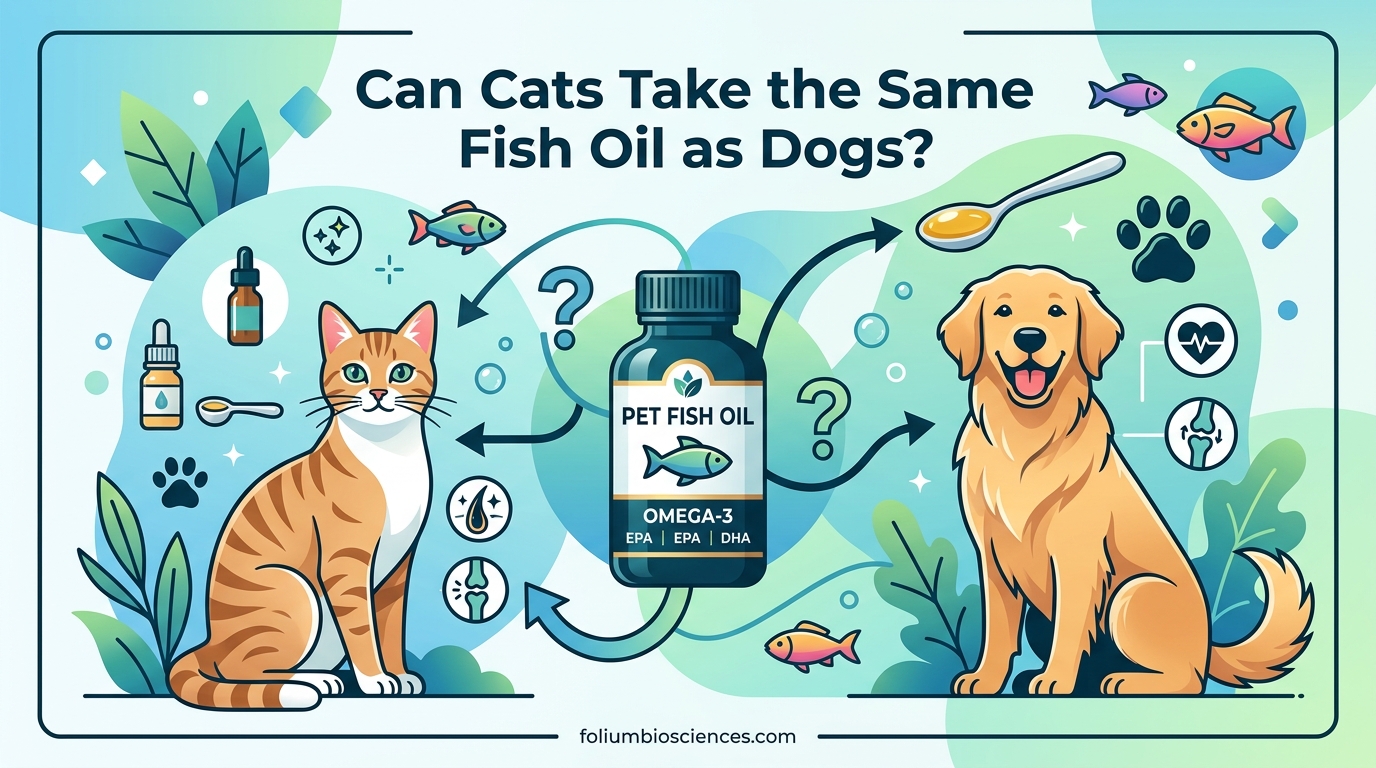
No, cats and dogs should not receive the same fish oil dosage. While both species can benefit from omega-3 supplementation, the dosing differs significantly due to differences in metabolism, body weight ratios, and how each animal processes these fatty acids. Giving your dog the same fish oil dose as your cat could lead to gastrointestinal upset or, with prolonged use, more serious complications from vitamin E depletion.
As a pet owner who has researched this extensively and consulted with veterinarians, I understand how confusing it can be when you are trying to do right by your animals. The supplement aisle has dozens of products labeled for dogs, for cats, or for both, and the dosing instructions often seem arbitrary or contradictory. This guide breaks down exactly why the dosing differs, what the correct amounts are based on your pet’s weight, and how to choose a safe, effective fish oil supplement for your furry family members.
Table of Contents
What Are Omega-3 Fatty Acids and Why Do Pets Need Them?
Omega-3 fatty acids are polyunsaturated fats that play essential roles in your pet’s immune system, inflammatory response, brain function, and cell membrane structure. The two most important omega-3s for dogs and cats are eicosapentaenoic acid (EPA) and docosahexaenoic acid (DHA), both of which are found abundantly in fish oil.
EPA vs DHA: The Key Players
EPA and DHA serve slightly different functions in your pet’s body. EPA is primarily involved in reducing inflammation throughout the body, which makes it particularly valuable for pets dealing with arthritis, skin allergies, or chronic inflammatory conditions. DHA, on the other hand, supports brain development and cognitive function, making it especially important for puppies and kittens, as well as senior pets experiencing cognitive decline.
When you purchase a fish oil supplement, you will see the EPA and DHA amounts listed separately on the label. Our team has found that looking for products with clear EPA and DHA percentages rather than just total fish oil content gives you a much better picture of what you are actually getting for your pet.
The Omega-6 to Omega-3 Ratio Problem
Commercial pet foods typically contain high levels of omega-6 fatty acids from plant oils like corn, soy, and sunflower oil. These omega-6s are not inherently bad, but when they dominate the diet, they promote inflammation. Omega-3s from fish oil work in opposition, helping to reduce inflammatory responses.
The ideal ratio of omega-6 to omega-3 in a pet’s diet is somewhere between 5:1 and 10:1, but many commercial foods deliver ratios closer to 20:1 or higher. This imbalance means that even pets eating complete and balanced diets can benefit from fish oil supplementation to restore healthier inflammatory balance.
Can Cats and Dogs Share the Same Fish Oil?
The short answer is that cats and dogs should not receive the same fish oil dosage, even when using the same supplement. The reasons go beyond simple size differences and involve fundamental metabolic differences between the species.
Why Cats Process Fish Oil Differently
Cats are obligate carnivores with metabolic pathways that differ substantially from dogs. One of the most important differences relates to an enzyme called delta-6 desaturase, which both species use to convert alpha-linolenic acid (ALA) into usable EPA and DHA. While dogs have limited conversion efficiency, cats have significantly reduced delta-6 desaturase activity, meaning they struggle even more to produce EPA and DHA from plant-based omega-3 sources.
This metabolic difference is why cats depend more heavily on direct sources of EPA and DHA from animal sources, typically fish or fish oil. However, it also means that cats are more sensitive to dosing errors and may experience adverse effects at doses that dogs tolerate well.
The Metabolic Conversion Issue
Both species have some ability to convert plant-based ALA into EPA and DHA, but neither does this efficiently. Studies suggest dogs convert only about 8-10% of dietary ALA to EPA and less than 1% to DHA. Cats are even less efficient, with some research indicating conversion rates below 5% for EPA.
This is why supplementation with pre-formed EPA and DHA from fish oil is more effective than relying on plant sources like flaxseed oil, which contain only ALA. When choosing supplements for either species, look for products that list actual EPA and DHA content rather than just total fish oil or omega-3 content.
Fish Oil Dosing for Dogs: Weight-Based Guidelines
Veterinary recommendations for fish oil dosing in dogs are typically expressed in milligrams of EPA and DHA per kilogram of body weight. This approach allows for precise dosing regardless of your dog’s size.
General Wellness Dosing
For healthy dogs maintaining normal health, the general recommendation from veterinary nutritionists is approximately 40 mg/kg of body weight of EPA daily, combined with 25-30 mg/kg of body weight of DHA. To put this into practical terms:
A 25-pound (11 kg) dog would need approximately 440 mg of EPA and 275-330 mg of DHA per day, which might be found in a single 1000 mg fish oil softgel depending on the concentration.
A 50-pound (23 kg) dog would need roughly 920 mg of EPA and 575-690 mg of DHA daily.
A 75-pound (34 kg) dog would need approximately 1360 mg of EPA and 850-1020 mg of DHA per day.
These amounts represent the combined EPA and DHA, not total fish oil. Many supplement labels list only total fish oil content, which can be misleading since the actual EPA and DHA might be 30-50% of that amount.
Therapeutic Dosing for Specific Conditions
When fish oil is used to address specific health conditions like arthritis, atopic dermatitis, or kidney disease, veterinarians may recommend higher therapeutic doses. In these cases, dosing can range from 100-125 mg/kg of combined EPA and DHA daily.
Our team has seen that dogs with arthritis often show noticeable improvement in mobility within 4-8 weeks of starting appropriate fish oil supplementation. However, reaching these therapeutic levels typically requires careful calculation or using concentrated products specifically designed for pets.
It is important to note that therapeutic dosing should only be implemented under veterinary supervision, particularly for dogs with underlying health conditions or those taking other medications.
Fish Oil Dosing for Cats: Weight-Based Guidelines
Dosing for cats requires more caution and is typically lower than for dogs on a per-kilogram basis. The veterinary guidance for cats is less standardized than for dogs, largely because cats have been less studied in clinical trials.
Why Cat Dosing Is Lower
The lower dosing recommendations for cats stem from several factors. Cats have different dietary requirements and metabolic rates than dogs. They are also more prone to certain adverse effects from excessive omega-3 intake, including gastrointestinal upset and, with long-term high dosing, vitamin E depletion.
Many veterinary nutritionists recommend using approximately half the dose for cats that you would use for dogs of equivalent body weight, erring on the side of caution until more research is available.
General Wellness Dosing
For healthy adult cats, a general guideline is approximately 20-30 mg/kg of combined EPA and DHA daily. For an average 10-pound (4.5 kg) cat, this translates to roughly 90-135 mg of combined EPA and DHA per day.
A 12-pound (5.4 kg) cat might need around 110-160 mg of combined EPA and DHA daily.
These lower amounts are one reason finding a quality cat-specific fish oil supplement can be challenging, as many human or dog products deliver doses that are too high for feline family members.
Senior and Special Needs Cats
Senior cats or those with specific health conditions may benefit from carefully adjusted dosing, but this should always be discussed with your veterinarian. Cats with kidney disease, for example, may have different omega-3 requirements, and the benefits versus risks need professional evaluation.
Our team has found that many cat owners report improvements in coat quality and skin condition with even modest fish oil supplementation, but these benefits typically appear with consistent long-term use rather than high-dose short-term supplementation.
Benefits of Fish Oil for Cats and Dogs
Both species can experience significant health benefits from appropriate fish oil supplementation, particularly when dealing with inflammatory conditions or dietary deficiencies.
Joint Health and Mobility
Omega-3 fatty acids help reduce the production of inflammatory prostaglandins and cytokines that contribute to joint pain and cartilage breakdown. For pets with arthritis, this can mean reduced stiffness, improved willingness to exercise, and better quality of life without additional medications.
Studies in dogs with osteoarthritis have shown measurable improvements in weight-bearing and mobility scores after 8-12 weeks of fish oil supplementation at therapeutic doses. Similar benefits have been observed in cats, though the research is more limited.
Skin and Coat Condition
One of the most visible benefits of fish oil supplementation is improved skin and coat health. Omega-3s help maintain skin hydration, reduce flaking and dandruff, and promote a glossy, healthy coat. For pets with chronic skin conditions or allergies, this can mean less itching and fewer hot spots.
Pet owners in online forums frequently share that their cats showed reduced itching within 3-4 weeks of starting fish oil, with coat quality continuing to improve over 2-3 months of consistent supplementation.
Heart Health
Fish oil supports cardiovascular health by helping to maintain normal heart rhythm, reducing blood triglyceride levels, and supporting healthy blood vessel function. Research in dogs has shown that omega-3 supplementation may reduce the risk of certain arrhythmias and support overall heart function.
For cats, omega-3s may help support heart muscle function, though the evidence base is smaller than for dogs. Cats with hypertrophic cardiomyopathy or other heart conditions may benefit from veterinary-guided supplementation.
Kidney Function Support
Omega-3 fatty acids have anti-inflammatory effects that may benefit pets with kidney disease by reducing inflammation in renal tissues. Some studies suggest that fish oil supplementation may slow the progression of kidney disease in dogs and cats, though this is typically most effective in early stages.
Our team recommends discussing kidney-specific dosing with your veterinarian, as the optimal amounts may differ from general wellness recommendations.
Safety Considerations and Potential Side Effects
While fish oil is generally safe for dogs and cats when used appropriately, there are important safety considerations that every pet owner should understand before starting supplementation.
Vitamin E Depletion Risk
One of the most significant concerns with long-term high-dose fish oil supplementation is vitamin E depletion. Fish oil is high in polyunsaturated fats, which increase the body’s need for vitamin E as an antioxidant to protect cell membranes from oxidative damage.
Without adequate vitamin E, pets can develop symptoms including muscle weakness, reproductive issues, and neurological problems. Many quality fish oil supplements include vitamin E to counteract this effect, but it is worth checking the label and discussing with your veterinarian whether additional vitamin E supplementation is needed.
Gastrointestinal Upset
The most common side effect of fish oil supplementation in both cats and dogs is gastrointestinal upset, particularly when starting a new supplement or when doses are too high. Symptoms may include loose stools, diarrhea, gas, or reduced appetite.
If your pet experiences GI upset when starting fish oil, our team recommends reducing the dose by half and gradually increasing over 1-2 weeks to allow the digestive system to adapt. Giving fish oil with food can also help reduce these symptoms.
Blood Thinning Effects
Fish oil has mild antiplatelet effects, meaning it can slow blood clotting. While this is generally beneficial for cardiovascular health, it can be a concern for pets scheduled for surgery or those with bleeding disorders.
Most veterinarians recommend discontinuing fish oil supplementation 5-7 days before any surgical procedure. If your pet has a bleeding disorder or will be having surgery, discuss fish oil use with your veterinarian beforehand.
Signs of Overdose
While serious overdose is rare, extremely high doses of fish oil over prolonged periods can lead to more serious symptoms including lethargy, bad breath, hair loss, delayed wound healing, and immune system suppression. These effects are typically seen only with doses many times higher than recommended therapeutic doses.
Following dosing guidelines and consulting with your veterinarian before starting any supplement regimen significantly reduces the risk of adverse effects.
Human Fish Oil vs Pet-Specific Supplements: What Is the Difference?
A common question among pet owners is whether human fish oil supplements can be safely given to cats and dogs. The answer involves understanding several important differences.
Triglyceride vs Ethyl-Ester Forms
Fish oil supplements come in two primary chemical forms: triglyceride and ethyl-ester. In the natural state, fish oil exists as triglycerides. When processed for supplements, some products are converted to ethyl-ester form, which is more concentrated but may be less well absorbed.
Research suggests that the triglyceride form of fish oil is better absorbed by both humans and animals. Many pet-specific supplements use the triglyceride form or emulsified formulas designed for better absorption in dogs and cats.
Human supplements may use either form, and labels do not always specify which is being used. For pets, particularly cats who can be more sensitive to formula differences, pet-specific products may offer advantages in terms of palatability and absorption.
Added Ingredients to Avoid
Some human fish oil supplements contain ingredients that are problematic for pets. These may include xylitol, an artificial sweetener that is toxic to dogs; certain flavorings or additives that may be unappealing or harmful to cats; or high doses of vitamin D that may not be appropriate for all pets.
Always read ingredient labels carefully before giving any human supplement to your pet, and when in doubt, choose a product specifically formulated for cats or dogs.
Purity and Testing Standards
Quality fish oil supplements, whether human or pet-specific, should undergo third-party testing for heavy metals, PCBs, dioxins, and other contaminants. Look for products that have been tested by organizations like USP, NSF, or similar independent verification programs.
Pet-specific supplements may undergo additional testing for safety in animals, but this is not always clearly labeled. Our team has found that transparency about testing and sourcing is one of the best indicators of a quality supplement, regardless of whether it is marketed for humans or pets.
How to Choose a Quality Fish Oil Supplement
With so many fish oil options available, selecting the right supplement for your pet can feel overwhelming. Here are the key factors our team considers most important.
What to Look For on Labels
Look past the total fish oil amount and focus on the actual EPA and DHA content per serving. A product might contain 1000 mg of fish oil but only 300 mg of EPA and DHA combined, meaning you would need to give more capsules to reach therapeutic levels.
Choose products that clearly list EPA and DHA amounts, and check the concentration percentage. Higher concentrate products (50-60% EPA and DHA combined) offer better value and require fewer softgels per dose.
Third-Party Testing
Third-party testing by independent laboratories provides assurance that the product contains what the label claims and is free from harmful contaminants. Look for certifications from USP, NSF International, or similar organizations.
Some companies also publish certificates of analysis (COA) for their products, showing actual test results for potency and purity. This level of transparency is a positive sign of a quality manufacturer.
Storage and Freshness
Fish oil is prone to oxidation, which can reduce potency and create harmful byproducts. Choose products in dark bottles or blister packs that protect against light and air exposure.
Store supplements according to label directions, typically in a cool, dark place. Refrigeration can help extend freshness for liquid products. Discard any product that smells rancid or has an off odor, as this indicates oxidation.
When to Consult Your Veterinarian
While this guide provides general information about fish oil supplementation, there are situations where professional veterinary guidance is essential.
Pre-Existing Conditions
pets with health conditions including pancreatic disease, diabetes, or history of bladder stones should only receive fish oil under veterinary supervision. Dosing adjustments may be necessary, and some conditions may make supplementation inappropriate.
For pets with cancer, the role of omega-3 supplementation is complex and debated in veterinary oncology. Some oncologists recommend it, while others advise against high doses during certain treatment protocols.
Medication Interactions
Fish oil can interact with certain medications, including non-steroidal anti-inflammatory drugs (NSAIDs), blood thinners, and some chemotherapy agents. If your pet is taking any medications, discuss potential interactions with your veterinarian before starting fish oil.
This is particularly important for dogs taking NSAIDs for arthritis pain, as the combination may increase the risk of gastrointestinal bleeding in some cases.
Signs Your Pet Needs Professional Guidance
Consult your veterinarian if your pet experiences any adverse effects from fish oil supplementation, including persistent diarrhea, vomiting, or loss of appetite. Also seek guidance if your pet has a sudden change in condition that you believe might be related to supplementation.
For pets with serious health conditions, working with a veterinarian to develop a comprehensive supplement plan ensures that all aspects of your pet’s health are considered and monitored appropriately.
Frequently Asked Questions
Is dog fish oil safe for cats?
Dog fish oil can be given to cats if the dose is appropriately adjusted, but it should not be given at the same amount. Cats require approximately half the dose of dogs per kilogram of body weight. Using a cat-specific product is generally safer because the concentrations and added ingredients are formulated with feline needs in mind.
How much fish oil can a cat have per day?
For a typical 10-pound adult cat, approximately 90-135 mg of combined EPA and DHA per day is a general wellness dose. This translates to roughly 20-30 mg per kilogram of body weight. Always start with the lower end of the range and consult your veterinarian for personalized recommendations.
How much omega-3 should my dog have per day?
For general wellness, dogs typically need about 40 mg/kg of EPA and 25-30 mg/kg of DHA daily. A 25-pound dog would need approximately 440 mg EPA and 275-330 mg DHA per day. For therapeutic use in conditions like arthritis, doses may increase to 100-125 mg/kg of combined EPA and DHA.
Is 1000 mg of fish oil too much for a dog?
For a large dog over 50 pounds, 1000 mg of fish oil may be appropriate depending on the EPA and DHA content. For a small dog under 20 pounds, 1000 mg would likely be excessive. The key is the actual EPA and DHA content, not total fish oil weight. Always calculate based on mg/kg of the specific fatty acids.
Can too much omega-3 be bad for dogs?
Yes, excessive omega-3 supplementation in dogs can cause gastrointestinal upset, vitamin E depletion leading to neurological symptoms, impaired wound healing, and increased bleeding risk. Long-term high-dose supplementation should only be done under veterinary supervision.
Can too much omega-3 be bad for cats?
Cats are more sensitive to excessive omega-3 dosing than dogs. Too much can cause vitamin E depletion, gastrointestinal upset, and with prolonged use, more serious complications. Cats should receive approximately half the dose per kilogram that dogs receive, and supplementation should be discussed with a veterinarian.
What is the veterinarian recommended omega-3 for dogs?
Veterinarians typically recommend fish oil supplements that provide concentrated EPA and DHA, preferably in triglyceride form. Products specifically formulated for dogs or veterinary therapeutic diets are often recommended because the concentrations and dosing guidelines are tailored to canine needs. Look for third-party tested products with clear EPA and DHA labeling.
Is human fish oil safe for cats and dogs?
Human fish oil can be given to cats and dogs in appropriate doses, but there are concerns to consider. Some human products contain xylitol, which is toxic to dogs. Additionally, the concentration and form may not be ideal for pets. If using human products, calculate doses carefully based on EPA and DHA content, and choose products without harmful additives.
Conclusion
Understanding the differences in fish oil dosing between cats and dogs is essential for keeping your pets safe while maximizing the health benefits of omega-3 supplementation. The key takeaway is that these species should not receive the same doses due to fundamental metabolic differences, and dosing should always be based on EPA and DHA content rather than total fish oil amount.
For dogs, general wellness dosing starts at approximately 40 mg/kg EPA and 25-30 mg/kg DHA daily, with therapeutic doses potentially reaching 100-125 mg/kg for specific conditions. For cats, the general guideline is roughly half that amount at 20-30 mg/kg of combined EPA and DHA daily, though more research is needed to establish definitive feline recommendations.
Whether you choose a pet-specific supplement or a human product, always check the actual EPA and DHA content, look for third-party testing, and introduce supplementation gradually to minimize gastrointestinal upset. Our team recommends discussing any new supplement regimen with your veterinarian, particularly if your pet has existing health conditions or takes other medications.
With appropriate dosing and a quality product, fish oil supplementation can be a valuable addition to your pet’s health routine, supporting joint mobility, skin and coat condition, heart health, and overall wellbeing for years to come.