
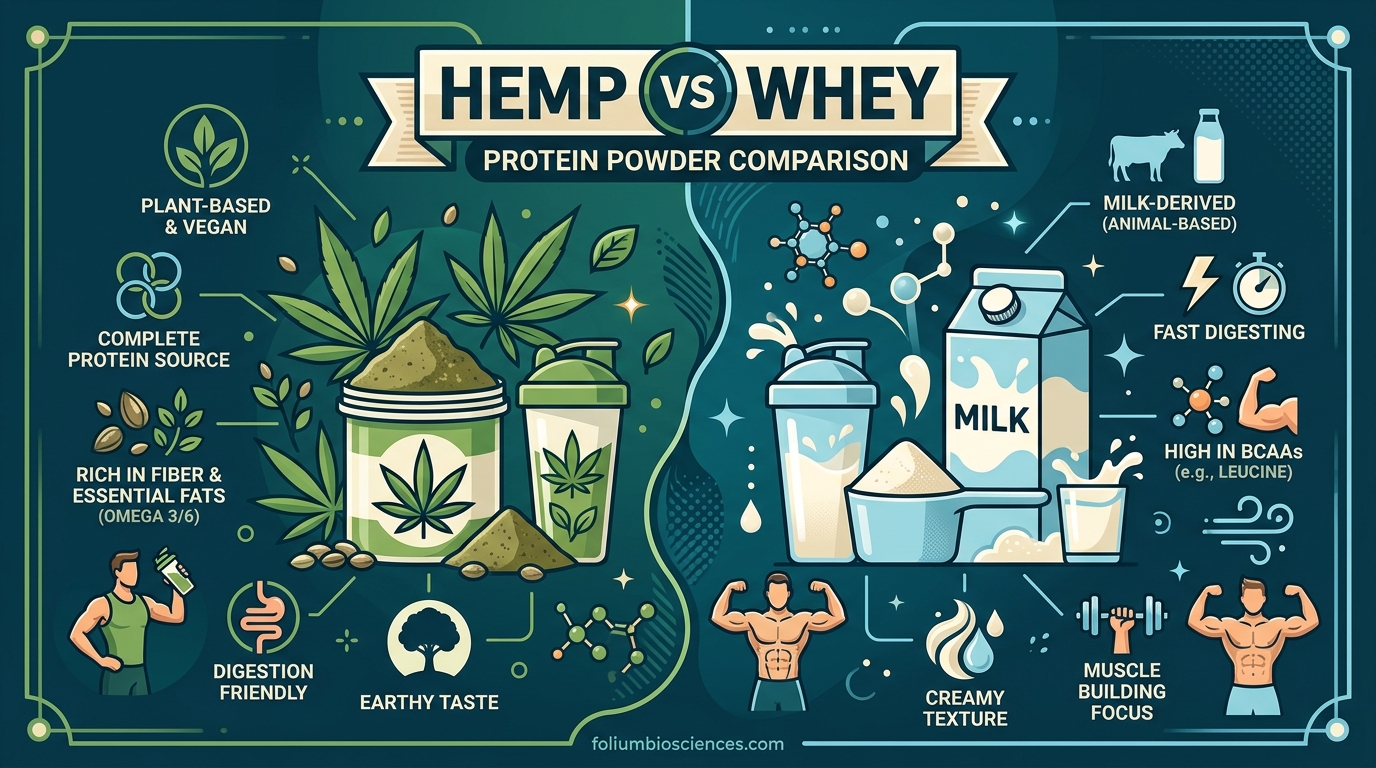
After an intense workout, your muscles need the right fuel to repair and grow stronger. Choosing between hemp protein powder and whey protein can significantly impact your recovery results. This comprehensive guide breaks down the science, benefits, and differences to help you make an informed decision based on your fitness goals, dietary preferences, and body tolerance.
Table of Contents
Understanding Post-Workout Protein Needs
Post-workout recovery is critical for muscle growth, strength gains, and overall athletic performance. When you exercise, you create microscopic damage to muscle fibers, and protein consumption after training helps trigger muscle protein synthesis (MPS), the process by which your body repairs and rebuilds these tissues.
The anabolic window, once thought to be a strict 30-60 minute timeframe post-exercise, is now understood to be more flexible. However, consuming quality protein after workouts remains essential for optimizing recovery and supporting your fitness goals.
Two popular protein sources dominate the supplement market: hemp protein powder, a plant-based option gaining traction among health-conscious consumers, and whey protein, the gold standard in sports nutrition. Each offers distinct nutritional profiles, digestion rates, and benefits that make them better suited for different individuals and goals.
What Is Hemp Protein Powder?
Hemp protein powder is derived from Cannabis sativa seeds, the same plant species as marijuana but bred specifically for industrial and nutritional purposes. Unlike its psychoactive relative, hemp seeds contain negligible amounts of THC (the compound that produces a “high”).
The protein is extracted by cold-pressing the seeds to separate the oil from the solids, then processing the remaining hemp cake into a fine powder. This method preserves the nutritional integrity of the seeds, including their omega-3 and omega-6 fatty acid profile.
Hemp protein is considered an incomplete protein because it lacks sufficient amounts of certain essential amino acids, particularly lysine and leucine. However, it offers unique advantages: approximately 25% protein by weight, high fiber content (around 15-20%), and a complete nutritional package including magnesium, iron, and zinc.
For those following plant-based diets, vegan lifestyles, or those with dairy allergies, hemp protein provides an alternative to animal-derived supplements. It is also naturally lactose-free and generally well-tolerated by individuals with sensitive digestive systems.
What Is Whey Protein Powder?
Whey protein is a byproduct of cheese manufacturing, created when milk coagulates during the cheesemaking process. The liquid that separates from the curds is whey, and it contains high-quality protein along with lactose and minerals.
Whey protein is classified into several types based on processing:
- Whey Protein Concentrate (WPC): Contains 70-80% protein with some lactose and fat. More economical but may cause issues for lactose-sensitive individuals.
- Whey Protein Isolate (WPI): Processed to remove most lactose and fat, resulting in 90-95% protein content. Better tolerated by those with mild lactose sensitivity.
- Whey Protein Hydrolysate (WPH): Pre-digested for faster absorption. Often found in medical protein supplements and specialized sports nutrition products.
Whey is a complete protein containing all nine essential amino acids in favorable proportions. It is particularly rich in leucine, the amino acid considered most critical for triggering muscle protein synthesis. Research extensively supports w’s high biological value score, making it the benchmark against which other proteins are measured.
Nutritional Comparison: Hemp vs Whey Protein
Understanding the nutritional differences between these two protein sources helps clarify their respective strengths and limitations. Below is a detailed comparison based on a standard 30-gram serving of each protein type.
| Nutrient (per 30g serving) | Hemp Protein | Whey Protein Isolate |
|---|---|---|
| Protein Content | 8-10g | 25-27g |
| Calories | 110-120 | 100-120 |
| Fat | 4-5g | 0.5-1g |
| Carbohydrates | 12-15g | 1-2g |
| Fiber | 7-8g | 0g |
| Sugar | 1-2g | 1-2g |
| Lactose | 0g | 0.5-2g (isolate is lower) |
| Leucine Content | 1.4-1.6g | 2.5-3g |
| PDCAAS Score | 0.50-0.60 | 1.00 |
The most significant difference is protein content per serving: whey isolate delivers nearly three times the protein of hemp protein powder in the same serving size. This makes whey more efficient for those prioritizing maximum protein intake for muscle building purposes.
Hemp protein’s advantage lies in its fiber content, which supports digestive health and provides a more satiating effect. The omega-3 fatty acids in hemp also contribute to its anti-inflammatory properties, which may complement post-workout recovery.
Protein Quality and Amino Acid Profile
Protein quality is measured by several metrics, with PDCAAS (Protein Digestibility Corrected Amino Acid Score) being the most widely recognized standard used by food scientists and nutritionists. The score ranges from 0 to 1.0, with 1.0 representing the highest quality protein.
What Is Leucine and Why Does It Matter?
Leucine is the most anabolic amino acid, serving as the primary trigger for muscle protein synthesis. It activates the mTOR pathway, which literally “turns on” the muscle-building process. Research indicates that approximately 2-3 grams of leucine post-workout optimally stimulates MPS. Whey protein naturally contains about 2.5-3g leucine per serving, while hemp provides only 1.4-1.6g, meaning you’d need to consume significantly more hemp protein to achieve the same MPS stimulation.
Amino Acid Breakdown
Whey protein contains all nine essential amino acids in proportions closely matching human requirements, earning it the classification of complete protein. It is particularly abundant in branched-chain amino acids (BCAAs): leucine, isoleucine, and valine, which directly fuel muscle repair.
Hemp protein is also considered a complete protein source but falls short in lysine, an essential amino acid important for calcium absorption, muscle maintenance, and collagen formation. This limitation means hemp protein cannot support maximum muscle protein synthesis as effectively as whey.
Understanding PDCAAS Scores
The PDCAAS (Protein Digestibility Corrected Amino Acid Score) measures protein quality based on amino acid requirements and human digestive capacity. Whey protein achieves a near-perfect score of 1.00, while hemp protein scores approximately 0.50-0.60. This means whey protein provides superior amino acid availability for muscle tissue synthesis compared to hemp protein.
For athletes and bodybuilders focused purely on maximizing muscle growth, w’s high PDCAAS score and complete amino acid profile make it the objectively superior choice from a protein quality standpoint.
Digestion and Absorption Rates
How quickly your body processes protein directly affects when amino acids become available for muscle repair. This is where whey and hemp differ substantially.
Whey Protein Absorption
Whey protein is renowned for its rapid digestion and absorption. Liquid whey protein leaves the stomach within 30 minutes of consumption, with amino acids appearing in the bloodstream within 60 minutes. This makes it ideal for post-workout timing when you want to rapidly deliver nutrients to muscle tissue.
The fast absorption rate of whey means amino acid levels peak quickly and then decline, creating a pronounced “spike” in blood amino acids. While this rapidly elevates MPS, the effect is relatively short-lived compared to slower-digesting proteins.
Hemp Protein Absorption
Hemp protein digests more slowly due to its fiber content, which slows gastric emptying and extends the digestive process. While this means a less dramatic amino acid spike, hemp provides a more gradual, sustained release of amino acids over 2-4 hours.
The fiber in hemp protein also supports digestive health by feeding beneficial gut bacteria and promoting regular bowel movements. For some individuals, the slower digestion may help maintain satiety longer, which can be beneficial for weight management goals.
For post-workout recovery, the quick delivery of amino acids from whey gives it a clear advantage when timing matters. However, hemp’s sustained release may offer benefits in situations where prolonged amino acid availability is desired, such as before sleep or between meals.
Post-Workout Recovery Benefits
When evaluating which protein is better for post-workout recovery, several factors come into play: muscle protein synthesis stimulation, recovery speed, anti-inflammatory properties, and overall research support.
Muscle Protein Synthesis
Multiple studies demonstrate that whey protein triggers greater muscle protein synthesis than plant-based proteins, including hemp. A 2013 study published in the Journal of Nutrition found that whey protein stimulated MPS more effectively than soy protein, and hemp would likely show even lower MPS stimulation given its lower leucine content.
The leucine threshold hypothesis suggests that consuming 2.5-3g of leucine post-workout maximally stimulates MPS. A standard serving of whey protein easily meets this threshold, while you’d need to consume roughly double the amount of hemp protein to approach similar leucine intake, adding significant calories and carbohydrates.
Recovery Speed
For athletes training multiple times per day or with limited time between sessions, w’s rapid absorption provides faster recovery support. Consuming whey within the post-workout period helps:
- Reduce muscle protein breakdown
- Replenish glycogen stores
- Decrease exercise-induced muscle damage markers
- Support immune function during intense training
Anti-Inflammatory Properties
Hemp protein offers unique anti-inflammatory advantages through its omega-3 fatty acid content (alpha-linolenic acid) and gamma-linolenic acid (GLA). Chronic inflammation can impair recovery and muscle growth, and the balanced omega-3 to omega-6 ratio in hemp may help modulate inflammation responses.
Some athletes report that hemp protein causes less perceived inflammation and soreness between workouts compared to dairy-based proteins, though controlled research specifically comparing these effects remains limited.
Side Effects and Tolerability
Individual tolerance plays a crucial role in protein supplement selection. Both hemp and whey are generally well-tolerated, but each carries potential drawbacks for specific populations.
Whey Protein Considerations
Whey Advantages
- Extensively studied safety profile
- Excellent taste and mixability
- Cost-effective protein per gram
- Wide availability and variety
Whey Disadvantages
- Contains lactose (may bother sensitive individuals)
- Not suitable for vegans or dairy-free diets
- May cause bloating or digestive distress
- Potential for acne in some individuals
Hemp Protein Considerations
Hemp Advantages
- Completely lactose-free
- Suitable for vegan/plant-based diets
- High fiber supports digestion
- Contains beneficial omega fatty acids
Hemp Disadvantages
- Lower protein content per serving
- Lower leucine for MPS
- Earthy, nutty taste may require adjustment
- May taste gritty when mixed
For individuals with lactose intolerance, dairy allergies, or those following vegan diets, hemp protein provides a viable alternative despite its lower protein density. Many users tolerate hemp well when whey causes digestive discomfort, and the fiber content may actually support gut health.
Cost, Taste, and Mixability
Cost Comparison
On a per-pound basis, whey protein concentrate is generally the most economical option, while whey isolate costs more but delivers higher protein content. Hemp protein typically falls in a similar price range to whey isolate, but because you need more hemp powder to achieve comparable protein intake, the cost per gram of protein is actually higher with hemp.
Taste and Texture
Whey protein powders are engineered for excellent taste, with countless flavor options from chocolate and vanilla to more exotic varieties. They mix easily in shakers or blenders, creating smooth, creamy beverages.
Hemp protein has a distinct earthy, nutty flavor that some describe as similar to raw sesame seeds or sunflower seeds. This taste can be polarizing, and many users prefer to blend hemp protein into smoothies with strong-flavored fruits, cacao, or peanut butter to mask the natural taste. Hemp also tends to be slightly grittier than whey, though high-quality brands have improved texture significantly.
Mixability
Whey protein dissolves readily in both hot and cold liquids, making it versatile for shakes, oatmeal, baking, and more. Hemp protein may leave a slightly gritty texture and doesn’t dissolve as completely, but shaking vigorously or using a blender can improve the consistency.
Who Should Choose Hemp vs Whey Protein?
Both proteins have legitimate use cases, and the “better” choice depends entirely on your individual circumstances, goals, and dietary restrictions.
Choose Whey Protein If:
- Your primary goal is maximizing muscle growth and strength
- You train intensely and need rapid post-workout recovery
- You’re not lactose intolerant and tolerate dairy well
- You want the most protein per serving and per dollar
- You prefer smooth texture and appealing flavors
- You’re following a bodybuilding or strength-focused program
Choose Hemp Protein If:
- You follow a vegan or plant-based diet
- You have lactose intolerance or dairy allergies
- You prioritize fiber intake and digestive health
- You want anti-inflammatory benefits from omega-3s
- You’re seeking a more sustainable, eco-friendly option
- You prefer whole-food, minimally processed supplements
Consider Combining Both
Some athletes and fitness enthusiasts use both proteins strategically: whey immediately post-workout for rapid amino acid delivery, and hemp at other times (such as before bed or with meals) for sustained release and fiber benefits. This approach leverages the strengths of each protein type while mitigating individual weaknesses.
Environmental Impact and Sustainability
For environmentally conscious consumers, sustainability may influence protein source selection. Hemp protein generally has a lower environmental footprint compared to dairy-derived whey.
Hemp protein sustainability advantages:
- Hemp requires minimal pesticides and herbicides to cultivate successfully
- The crop improves soil health through phytoremediation
- Hemp sequesters carbon dioxide during growth
- It requires significantly less water than dairy production
- Entire plant can be utilized, creating zero waste
Whey protein considerations:
- Dairy farming has higher water and land requirements
- Greenhouse gas emissions from dairy cattle are substantial
- However, whey is a byproduct of cheese production, utilizing what would otherwise be waste
While the environmental impact of protein production matters to many consumers, it’s worth noting that both protein sources have legitimate environmental arguments. Choosing local products and responsibly sourced ingredients can further reduce your environmental footprint regardless of protein type.
Optimal Timing Recommendations
While both proteins can support post-workout recovery, timing and dosing recommendations differ based on their absorption characteristics.
For Whey Protein
Consume 20-40 grams of whey protein within 1-2 hours post-workout for optimal muscle protein synthesis stimulation. The leucine content of this amount (2.5-3g) exceeds the threshold needed to maximally activate MPS. Some athletes also benefit from pre-workout protein consumption to provide amino acids during training.
For Hemp Protein
If using hemp protein post-workout, consider consuming 40-60 grams to approximate the leucine content of a standard whey serving. However, this significantly increases calorie and carbohydrate intake. For this reason, hemp protein may be better suited for meal-time consumption rather than specifically post-workout, where rapid amino acid delivery is advantageous.
Regardless of protein source, total daily protein intake matters most for recovery and muscle building. The Academy of Nutrition and Dietetics suggests athletes consume 1.2-2.0 grams of protein per kilogram of body weight daily, divided across multiple meals.
Frequently Asked Questions
Is hemp protein as effective as whey protein?
For muscle building and rapid post-workout recovery, whey protein is more effective due to its higher leucine content (2.5-3g per serving versus approximately 1.5g in hemp) and complete amino acid profile. This results in superior stimulation of muscle protein synthesis. However, hemp protein remains a valuable option for those with dietary restrictions or who prioritize other factors like fiber intake, anti-inflammatory properties, or plant-based nutrition.
Which protein is best for recovery after a workout?
Whey protein is generally the better choice for post-workout recovery due to its faster absorption (30-60 minutes versus 1-2 hours for hemp), higher leucine content for triggering muscle protein synthesis, and more extensive research supporting its effectiveness for muscle repair. The rapid delivery of amino acids to muscle tissue following exercise is well-documented with whey protein supplementation.
Why do some doctors recommend against whey protein?
Some doctors recommend against whey protein for patients with lactose intolerance (whey contains lactose unless highly purified), those with dairy allergies, individuals with kidney or liver disease who need to limit protein intake, or those following a vegan diet. Some healthcare providers also express concern about excessive protein supplementation in otherwise healthy individuals, preferring whole food protein sources when possible.
Can I combine hemp and whey protein?
Yes, combining hemp and whey protein can be beneficial, leveraging the rapid amino acid delivery of whey with the fiber and anti-inflammatory benefits of hemp. This combination can be particularly useful for athletes who want plant-based nutrition without sacrificing post-workout recovery efficiency. Many protein supplement companies now offer blended products containing both dairy and plant proteins.
Does hemp protein have any drug interactions?
Hemp protein is generally safe and has no known significant drug interactions. However, individuals taking blood thinners (like warfarin) should be aware that hemp seeds contain vitamin K, which can affect coagulation. Additionally, those taking medications for blood pressure should note that hemp seeds contain gamma-linolenic acid, which may theoretically interact with some antihypertensive medications. Always consult your healthcare provider about supplement interactions.
Conclusion: Making Your Choice
When it comes to post-workout recovery, whey protein offers clear advantages in protein quality, leucine content, and absorption speed, making it the more effective choice for athletes primarily focused on muscle building and rapid recovery. The extensive research supporting whey protein’s benefits for muscle protein synthesis is difficult to match.
However, hemp protein remains a respectable option with unique benefits: it provides plant-based nutrition for vegans and those with dairy restrictions, offers superior fiber content for digestive health, and delivers anti-inflammatory omega-3 fatty acids. For those with specific dietary philosophies or tolerances, hemp protein can certainly support an active lifestyle, though you may need to consume larger quantities to meet protein goals.
Ultimately, the best protein supplement is one that aligns with your dietary preferences, training goals, and body tolerance while supporting consistent use over time. Consider your priorities, experiment with both options if possible, and listen to your body to determine which protein serves your post-workout recovery needs most effectively.