
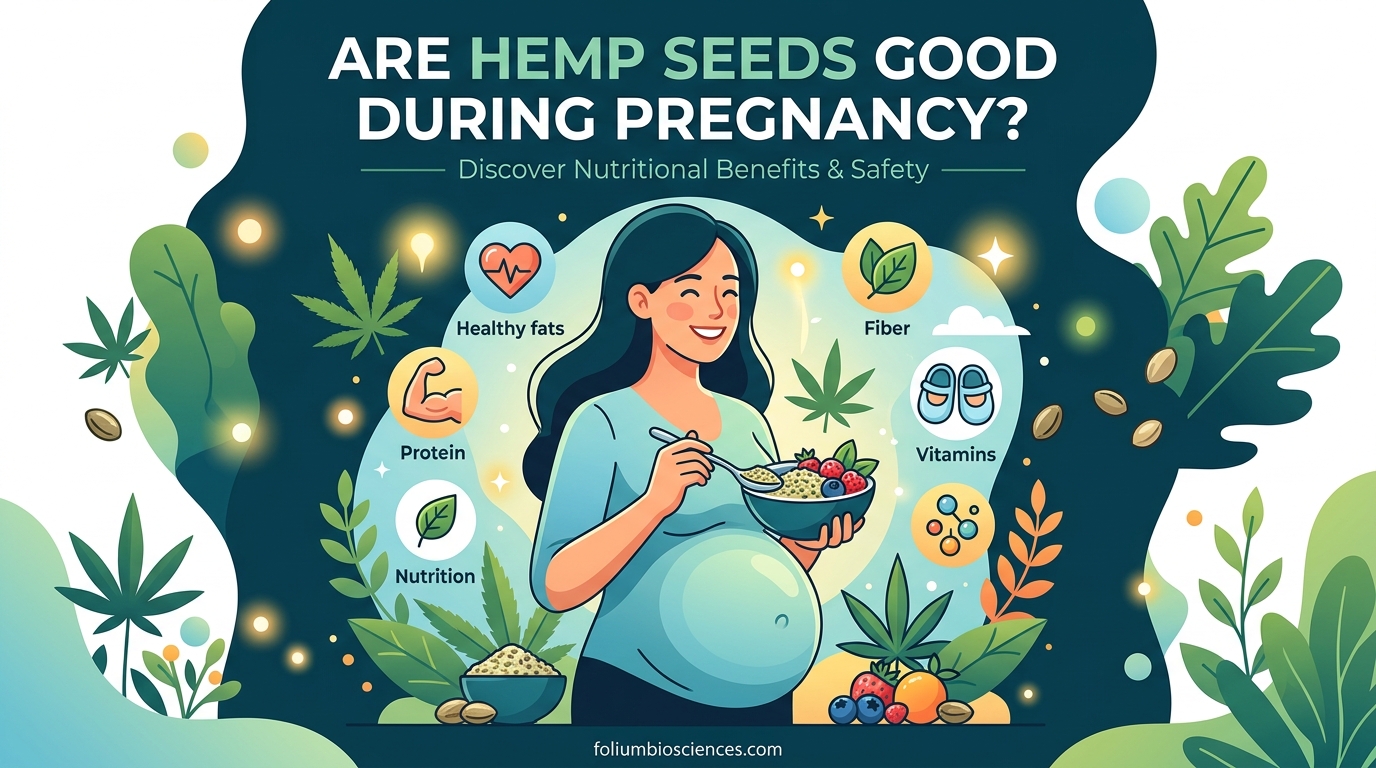
Are hemp seeds good during pregnancy? The short answer is yes. Hemp seeds are generally considered safe and beneficial during pregnancy when consumed as part of a balanced diet. The FDA has completed its evaluation of hemp seeds and raised no objections to their consumption during pregnancy or breastfeeding.
This guide examines what the research actually says about eating hemp seeds while pregnant. I will walk you through the nutritional benefits, safety considerations, and practical ways to incorporate these tiny powerhouses into your prenatal nutrition plan.
Many expecting mothers have questions about hemp seeds and pregnancy. The confusion often stems from the connection between hemp and cannabis. Understanding the difference is key to making informed decisions about your diet during this critical time.
Table of Contents
Are Hemp Seeds Safe During Pregnancy?
Yes, hemp seeds are safe during pregnancy according to current research and FDA guidance. The Food and Drug Administration completed its evaluation of hemp seeds and had no objections to their use by pregnant or breastfeeding women.
This safety assessment differs significantly from the FDA’s stance on CBD and THC products. The agency strongly advises against using CBD, THC, and marijuana during pregnancy due to potential risks to fetal brain development. Hemp seeds contain neither CBD nor meaningful amounts of THC.
Understanding the Hemp vs Marijuana Confusion
Hemp seeds come from the Cannabis sativa plant, which creates understandable confusion. However, hemp and marijuana are different varieties of the same plant species. Hemp contains only trace amounts of THC (less than 0.3%), while marijuana contains significant THC levels that produce psychoactive effects.
The hemp seeds you buy at grocery stores are thoroughly processed and tested. They contain no detectable THC in standard testing. The seeds themselves are the edible part of the plant and do not contact the flowering parts where cannabinoids like THC and CBD concentrate.
Will Hemp Seeds Make You Fail a Drug Test?
This is one of the most common concerns among pregnant women considering hemp seeds. The answer is no, eating hemp seeds will not cause you to fail a drug test. Standard drug tests screen for THC metabolites, and hemp seeds contain amounts far below detection thresholds.
The minuscule trace amounts that might theoretically exist come from contact with other plant parts during processing. These levels are so low that consuming realistic amounts of hemp seeds cannot produce a positive drug test result. You would need to consume an impossible quantity to reach detection levels.
That said, if you face mandatory drug testing during pregnancy and remain concerned, discuss hemp seed consumption with your healthcare provider. They can provide personalized guidance based on your specific situation and testing requirements.
What Are Hemp Seeds (And What Makes Them Different)
Hemp seeds are the edible seeds harvested from the hemp plant, Cannabis sativa L. They have a mild, nutty flavor and a soft texture that works well in many foods. You might also see them labeled as “hemp hearts,” which refers to shelled hemp seeds with the outer husk removed.
These small seeds pack impressive nutritional density. Each serving provides complete protein, essential fatty acids, fiber, and key minerals that support both maternal and fetal health. Unlike many plant proteins, hemp seeds contain all nine essential amino acids your body cannot produce on its own.
The distinction between hemp seeds and hemp-derived products matters enormously for pregnant women. Hemp seed oil, hemp protein powder, and whole hemp seeds are food products. CBD oil, THC extracts, and cannabis products are entirely different substances with different safety profiles during pregnancy.
Nutritional Benefits of Hemp Seeds for Pregnant Women
Hemp seeds offer specific nutritional advantages that align with prenatal needs. During pregnancy, your body requires increased amounts of protein, iron, healthy fats, and certain minerals. Hemp seeds deliver these nutrients in a plant-based, easy-to-digest format.
Complete Plant Protein
Protein needs increase significantly during pregnancy to support fetal growth and maternal tissue expansion. Hemp seeds provide about 10 grams of protein per 3-tablespoon serving. More importantly, they contain all nine essential amino acids, making them a complete protein source rare in the plant kingdom.
This complete protein profile supports the development of fetal muscles, organs, and tissues. For vegetarian or vegan pregnant women, hemp seeds offer a valuable protein source that rivals animal products in amino acid completeness.
Essential Fatty Acids for Brain Development
The omega-3 and omega-6 fatty acids in hemp seeds play critical roles in fetal development. Alpha-linolenic acid (ALA), a type of omega-3 found in hemp seeds, converts to DHA and EPA in the body. These compounds support fetal brain development, eye formation, and nervous system growth.
Hemp seeds provide an optimal ratio of omega-6 to omega-3 fatty acids, approximately 3:1. This balance matters because excessive omega-6 intake relative to omega-3 can promote inflammation. The natural ratio in hemp seeds supports anti-inflammatory processes that benefit both mother and baby.
Iron for Preventing Anemia
Iron deficiency anemia affects many pregnant women, particularly in the second and third trimesters. Hemp seeds contain about 2.4 mg of iron per serving, contributing to your daily iron needs. While not as iron-dense as red meat, the iron in hemp seeds comes with fiber and healthy fats that enhance absorption.
Combining hemp seeds with vitamin C-rich foods further improves iron absorption. Try adding them to smoothies with berries or orange juice for maximum benefit.
Magnesium and Zinc Support
Magnesium plays essential roles in muscle function, nerve transmission, and blood pressure regulation during pregnancy. Hemp seeds provide approximately 210 mg of magnesium per serving, covering over half the recommended daily intake for pregnant women.
Zinc supports immune function, cell division, and DNA synthesis. Adequate zinc intake becomes particularly important during pregnancy for proper fetal growth. Hemp seeds contribute approximately 3 mg of zinc per serving, supporting these critical processes.
Fiber for Digestive Health
Pregnancy often brings digestive challenges including constipation. The fiber content in hemp seeds (about 1 gram per serving) supports healthy digestion and regular bowel movements. The combination of soluble and insoluble fiber promotes gut health while helping maintain steady blood sugar levels.
First Trimester Considerations
The first trimester brings unique nutritional needs and challenges. Many women experience food aversions, nausea, and heightened sensitivity to smells and textures during these early weeks. Hemp seeds can work well during this phase due to their mild flavor and small size.
The protein and healthy fats in hemp seeds help stabilize blood sugar, which may reduce morning sickness severity for some women. Their neutral taste means they blend easily into foods without triggering taste aversions that often develop in early pregnancy.
During the first trimester, focus on small, frequent meals. Adding a tablespoon of hemp seeds to yogurt, oatmeal, or smoothies provides concentrated nutrition without overwhelming a sensitive stomach. The B-vitamins naturally present in hemp seeds also support early fetal nervous system development when neural tube formation occurs.
If you experience severe nausea or food aversions that limit your diet significantly, consult your healthcare provider. They may recommend prenatal vitamins to ensure you meet nutritional requirements during this critical developmental window.
How Much Hemp Seeds Should You Eat During Pregnancy?
Moderation guides safe hemp seed consumption during pregnancy. Most nutritionists recommend 2-3 tablespoons (approximately 30 grams) daily as a reasonable serving size. This amount provides substantial nutritional benefits without excessive calorie intake.
Start with smaller amounts if you are new to hemp seeds. Try 1 tablespoon daily for the first week to assess your tolerance. Some people experience mild digestive adjustment when first adding hemp seeds to their diet due to the fiber and fat content.
Easy Ways to Incorporate Hemp Seeds
Sprinkle hemp seeds on oatmeal, yogurt, or cereal for a protein boost. Blend them into smoothies where they add creaminess without strong flavor. Mix them into homemade energy balls or granola bars for portable snacks.
You can also add hemp seeds to salads, sprinkle them over roasted vegetables, or mix them into pancake or muffin batter. Their mild flavor rarely overpowers other ingredients, making them versatile for many recipes.
Store hemp seeds in the refrigerator or freezer to prevent the healthy fats from going rancid. The oils in hemp seeds are sensitive to heat and light, so proper storage maintains freshness and nutritional quality.
Hemp Seeds vs Chia Seeds vs Flax Seeds: Which Is Best?
Pregnant women often wonder which seeds offer the best nutritional profile. Each seed type brings unique benefits, and rotating between them provides the broadest nutritional coverage.
Hemp seeds lead in protein content with about 10 grams per serving, compared to 5 grams in chia seeds and 4 grams in flax seeds. They also provide the most complete amino acid profile of the three options.
Chia seeds contain more fiber (10 grams versus 1 gram in hemp seeds) and expand when wet, creating a gel that aids digestion. They also provide more calcium, which supports fetal bone development.
Flax seeds offer the highest lignan content, plant compounds with antioxidant properties. However, whole flax seeds pass through the digestive system undigested. You must grind flax seeds to access their nutritional benefits, while hemp seeds require no preparation.
For omega-3 content, flax seeds contain the most alpha-linolenic acid, followed by chia seeds, then hemp seeds. However, hemp seeds provide the best omega-6 to omega-3 ratio, which supports anti-inflammatory processes.
Consider using a combination of these seeds rather than choosing just one. Each brings complementary benefits that support different aspects of prenatal health.
Potential Side Effects and Cautions
While generally safe, hemp seeds may cause issues for some pregnant women. Understanding potential concerns helps you make informed decisions about incorporating them into your diet.
Allergy Considerations
Hemp seed allergies exist, though they remain relatively rare. If you have allergies to other seeds or nuts, introduce hemp seeds cautiously. Start with a small amount and watch for reactions including itching, swelling, hives, or breathing difficulties.
Cross-reactivity between hemp and other seeds or nuts is possible but not well-documented. Consult an allergist if you have severe food allergies and want to try hemp seeds during pregnancy.
Digestive Effects
The fiber and fat content in hemp seeds can cause digestive discomfort if you consume too much too quickly. Gas, bloating, or loose stools may occur, particularly if your diet previously lacked fiber.
Increase your intake gradually and drink plenty of water. The healthy fats in hemp seeds can also have a mild laxative effect, which may actually benefit pregnant women experiencing constipation.
Medication Interactions
The omega-3 fatty acids in hemp seeds have mild blood-thinning properties. If you take blood-thinning medications or have a bleeding disorder, discuss hemp seed consumption with your healthcare provider. The amounts typically consumed in food rarely cause issues, but medical guidance ensures safety.
When to Avoid Hemp Seeds
Discontinue hemp seeds if you experience any allergic reaction or persistent digestive upset. Women with certain digestive conditions like inflammatory bowel disease may need to limit high-fiber foods during flares.
If your healthcare provider has placed you on a restricted diet for pregnancy complications like gestational diabetes or preeclampsia, follow their specific guidance about seed consumption.
How to Add Hemp Seeds to Your Pregnancy Diet
Integrating hemp seeds into your daily routine takes minimal effort. Their mild flavor and soft texture make them easy to add to foods you already enjoy.
For breakfast, sprinkle 2 tablespoons over oatmeal or Greek yogurt with berries. The protein helps balance the meal and keeps you satisfied longer. Blend them into smoothies with banana, spinach, and almond milk for a nutrient-dense drink.
At lunch, add hemp seeds to salads or grain bowls. They provide crunch and protein that transforms a simple salad into a more complete meal. Mix them into hummus or spread them on avocado toast.
For snacks, combine hemp seeds with nuts and dried fruit for a trail mix. You can also blend them into homemade energy balls with dates, oats, and nut butter. These portable snacks provide sustained energy between meals.
At dinner, use hemp seeds as a topping for roasted vegetables, stir-fries, or soups. They add protein without competing with other flavors in the dish.
Frequently Asked Questions
Are hemp seeds okay when pregnant?
Yes, hemp seeds are generally considered safe during pregnancy. The FDA has evaluated hemp seeds and raised no objections to their consumption by pregnant or breastfeeding women. They contain no THC or CBD, the compounds of concern in cannabis products.
Can a pregnant lady eat hemp seeds?
Yes, pregnant women can safely eat hemp seeds as part of a balanced diet. They provide valuable nutrients including complete protein, omega-3 fatty acids, iron, magnesium, and zinc that support maternal and fetal health. A serving of 2-3 tablespoons daily is generally considered appropriate.
Which seeds should be avoided in early pregnancy?
Most seeds are safe during pregnancy, including hemp, chia, flax, pumpkin, and sunflower seeds. However, avoid seeds that show signs of mold or rancidity. Raw sprouts grown from seeds should be avoided due to bacterial contamination risk. Always check with your healthcare provider if you have specific concerns about particular seeds.
Can I take hemp while pregnant?
It depends on what you mean by hemp. Hemp seeds and hemp foods are safe during pregnancy. However, hemp-derived CBD products and any products containing THC should be avoided during pregnancy as the FDA strongly advises against them due to potential risks to fetal development.
Will hemp seeds make me fail a drug test during pregnancy?
No, eating hemp seeds will not cause you to fail a drug test. Drug tests screen for THC metabolites, and hemp seeds contain only trace amounts far below detection thresholds. The FDA has confirmed that hemp seeds from approved sources pose no risk for positive drug tests.
Is hemp seeds good for pregnancy?
Yes, hemp seeds offer several benefits during pregnancy. They provide complete plant protein, essential fatty acids for fetal brain development, iron to prevent anemia, magnesium for muscle function, and fiber for digestive health. These nutrients support both maternal health and optimal fetal growth.
Conclusion
Are hemp seeds good during pregnancy? Based on current research and FDA evaluation, the answer is yes. Hemp seeds provide safe, valuable nutrition for expecting mothers without the risks associated with CBD or THC products.
The complete protein, essential fatty acids, iron, magnesium, and zinc in hemp seeds support the unique nutritional demands of pregnancy. Their mild flavor and versatility make them easy to incorporate into your daily diet.
Remember that hemp seeds differ fundamentally from cannabis-derived products. They contain no psychoactive compounds and will not affect drug tests. As with any dietary change during pregnancy, discuss hemp seed consumption with your healthcare provider, especially if you have allergies or take medications.
Adding 2-3 tablespoons of hemp seeds to your daily routine offers a simple way to boost nutrition during this important time. Whether sprinkled on breakfast, blended into smoothies, or added to snacks, these small seeds deliver significant benefits for you and your growing baby.