
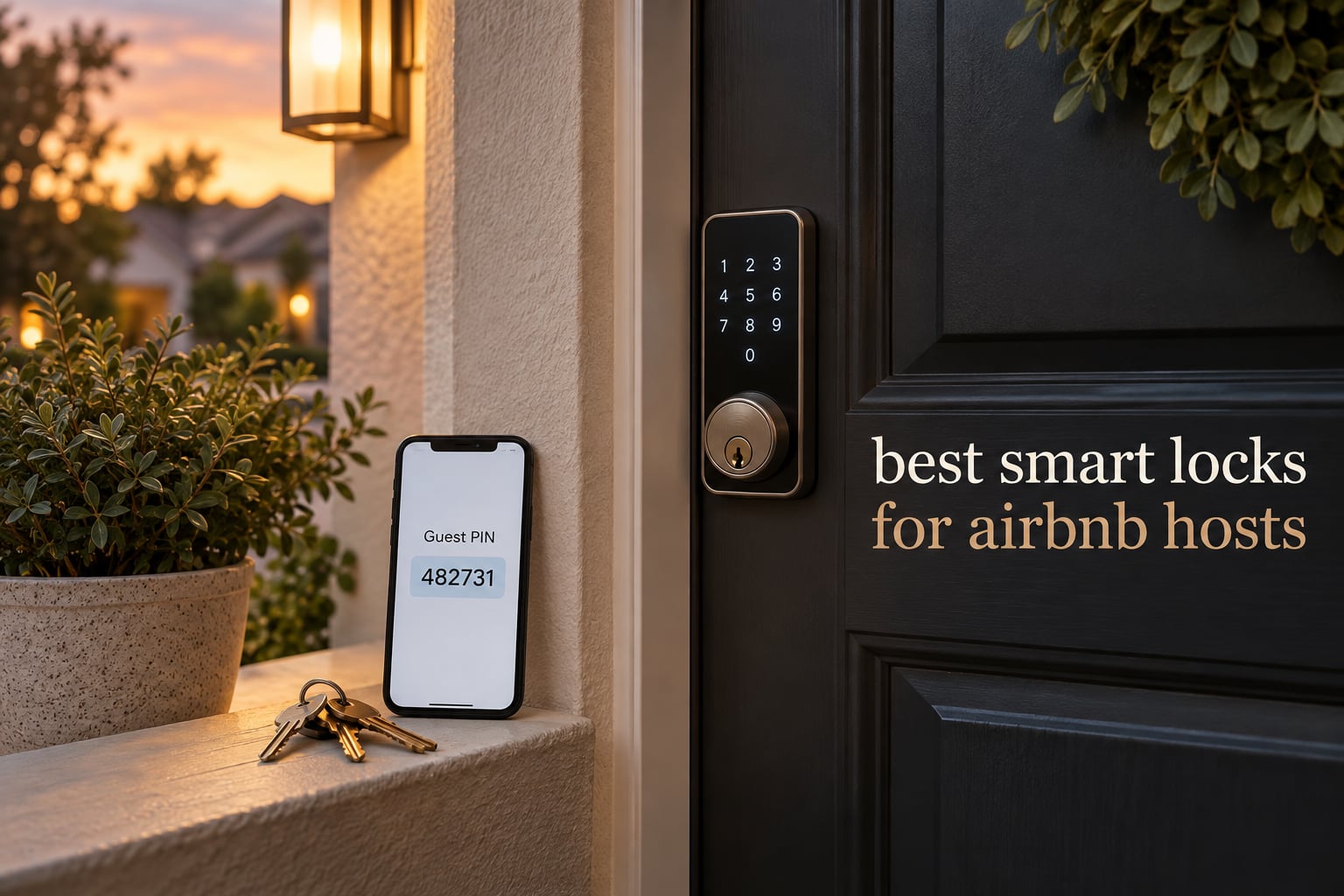
The best smart locks for Airbnb hosts are keypad deadbolts that create a time-limited PIN for every reservation, then expire it automatically at checkout. That single feature removes the two problems that cost hosts the most time: guests locked out after losing a key, and physical keys or lockboxes left unsecured between stays.
We spent weeks comparing twelve connected deadbolts on the criteria hosts actually care about: built-in Wi-Fi or a required hub, code scheduling depth, whether the keypad still works when the network drops, and a physical key that still opens the door when the batteries die. Every lock below ships with a key override, and every one of them handles guest arrival without an app download.
What separates a good rental lock from a mediocre one is rarely the fingerprint reader. It is the boring stuff: how many codes the lock holds, whether codes can be scheduled rather than manually reprogrammed, how early the low-battery warning arrives, and whether the interior unit fits the door without shoving the frame out of alignment. We weighted those heavily.
If you are still choosing hardware in general, our guides to the best smart locks for front doors and the best smart locks with fingerprint and app access cover the fit and sensor questions in more depth.
Top 3 Smart Locks for Airbnb Hosts in 2026
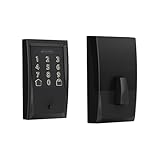
Schlage Encode Smart WiFi Deadbolt
- Built-in Wi-Fi
- up to 100 access codes
- lock history
- physical backup key
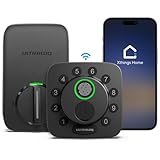
ULTRALOQ Bolt SE
- Seven unlock methods
- 50 fingerprints
- Matter over Thread
- 18 month battery claim

August Smart Lock Pro + Connect
- Retrofit over existing deadbolt
- DoorSense sensor
- Apple HomeKit support
The Schlage Encode takes the top slot because it does the host job without extra hardware: Wi-Fi is built in, it holds up to 100 codes, it logs every entry, and it still opens with a physical key when the batteries are dead. Hosts running a single unit will not outgrow it.
The ULTRALOQ Bolt SE is our value pick. It pairs built-in Wi-Fi with a fingerprint reader and Matter over Thread support, and the review volume behind it is substantial enough that you will find plenty of long-term owner feedback.
The August Smart Lock Pro is the premium retrofit. It mounts over the deadbolt you already own, so the exterior hardware and keyway stay exactly as they are, which matters in condos and historic buildings where exterior changes are restricted.
Quick Picks by Host Situation in 2026
- Best overall for a single unit: the Schlage Encode Smart WiFi Deadbolt, for built-in Wi-Fi, 100-code capacity and a key override.
- Best when the exterior lock cannot change: the August Smart Lock Pro + Connect Hub, which retrofits over the existing deadbolt.
- Best when the door is fully exposed to weather: the ULTRALOQ Bolt SE, with an IP65-rated zinc alloy body and a BHMA certification.
- Best for fingerprint-first arrival: the eufy Smart Lock C220, with a self-learning reader and a roughly eight-month battery claim from eight AA cells.
- Best all-in-one set: the Philips WiFi Keypad Deadbolt with Handle, which ships with a matching lever set so nothing else needs buying.
- Best without a bridge or hub: the eufy Smart Lock C210, a keypad deadbolt with Wi-Fi inside the unit and no separate hardware.
- Best for a simple secondary unit: the Sifely Keypad Smart Lock with knob, which stores guest codes and installs with a screwdriver.
Every one of these still requires you to measure the door first. Backset and thickness decide whether the lock physically fits, and a misfit is the most common complaint we see in the reviews.
All 12 Smart Locks Compared Side by Side in 2026
| Product | Specifications | Action |
|---|---|---|
| Schlage Encode Smart WiFi Deadbolt |
|
Check Latest Price |
| ULTRALOQ Bolt SE |
|
Check Latest Price |
 Sifely Smart Lock with Handle Sifely Smart Lock with Handle |
|
Check Latest Price |
| August Smart Lock Pro + Connect Hub |
|
Check Latest Price |
 eufy Smart Lock C220 eufy Smart Lock C220 |
|
Check Latest Price |
 eufy Smart Lock C210 eufy Smart Lock C210 |
|
Check Latest Price |
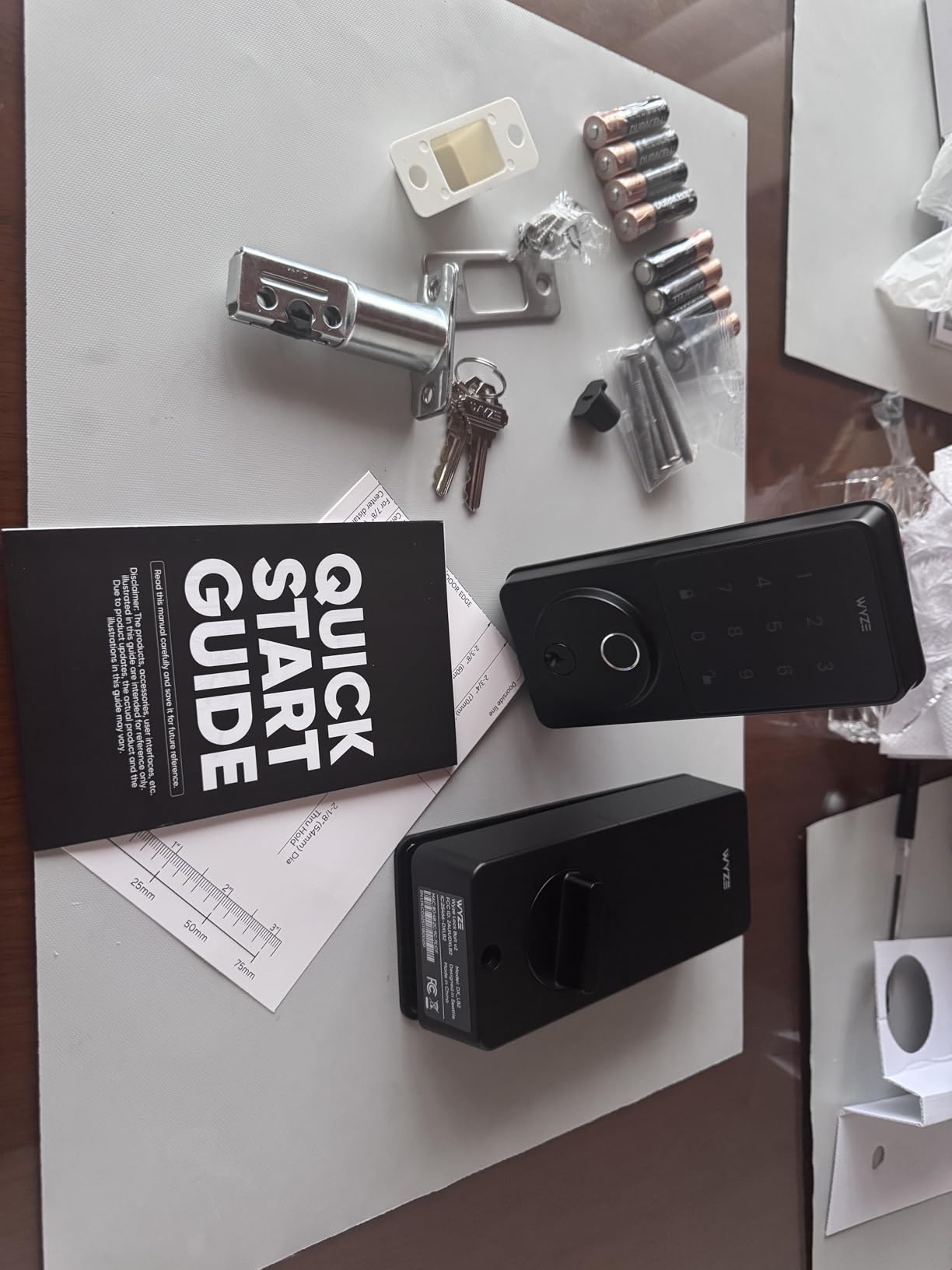
 Wyze Auto-Lock Bolt v2 Wyze Auto-Lock Bolt v2 |
|
Check Latest Price |
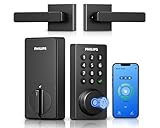 Philips WiFi Keypad Deadbolt with Handle Philips WiFi Keypad Deadbolt with Handle |
|
Check Latest Price |
 Schlage Encode Plus Schlage Encode Plus |
|
Check Latest Price |
 Philips Wi-Fi Smart Deadbolt Philips Wi-Fi Smart Deadbolt |
|
Check Latest Price |
 August Smart Lock 3rd Generation August Smart Lock 3rd Generation |
|
Check Latest Price |
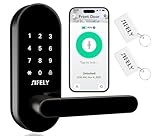 Sifely Keypad Smart Lock with Knob Sifely Keypad Smart Lock with Knob |
|
Check Latest Price |
Two columns in that list decide most purchases. The first is whether the lock needs a separate bridge or hub, because a bridge is another device to mount, power and maintain inside a rental. The second is whether the physical key is included, because it is the only backup that works with a flat battery.
1. Schlage Encode Smart WiFi Deadbolt – Best Overall for Single-Unit Hosts
Schlage Encode Smart WiFi Deadbolt Lock with Century Trim, Matte Black
Built-in Wi-Fi
BHMA certified
4 AA batteries, up to 6 months
0.9 x 3 x 5 inches, 3.4 lb
Pros
- Built-in Wi-Fi removes the need for a bridge
- Up to 100 access codes with lock history
- Customizable alarm for door movement and forced entry
- Fingerprint-resistant touchscreen
- Screwdriver-only install with no hardwiring
- Physical backup key included
Cons
- Battery life runs shorter than the stated six months on high-traffic doors
- Fits only doors 1-3/8 to 1-3/4 inch thick with specific backsets
- Interior unit is bulky next to slimmer competitors
- Warranty applies only to qualifying seller purchases
This is the lock I would put on a single rental and forget about. The Schlage Encode Smart WiFi Deadbolt talks to your router directly through built-in Wi-Fi, so there is no bridge to mount inside a hallway closet, and the Schlage Home app handles everything from the phone you already carry.
Code capacity is the number that matters for hosting. It manages up to 100 access codes, and the lock history plus customizable notifications tell you who came through the door and when. With a recurring code for your cleaner and a temporary code per guest, you are not reprogramming hardware between stays.
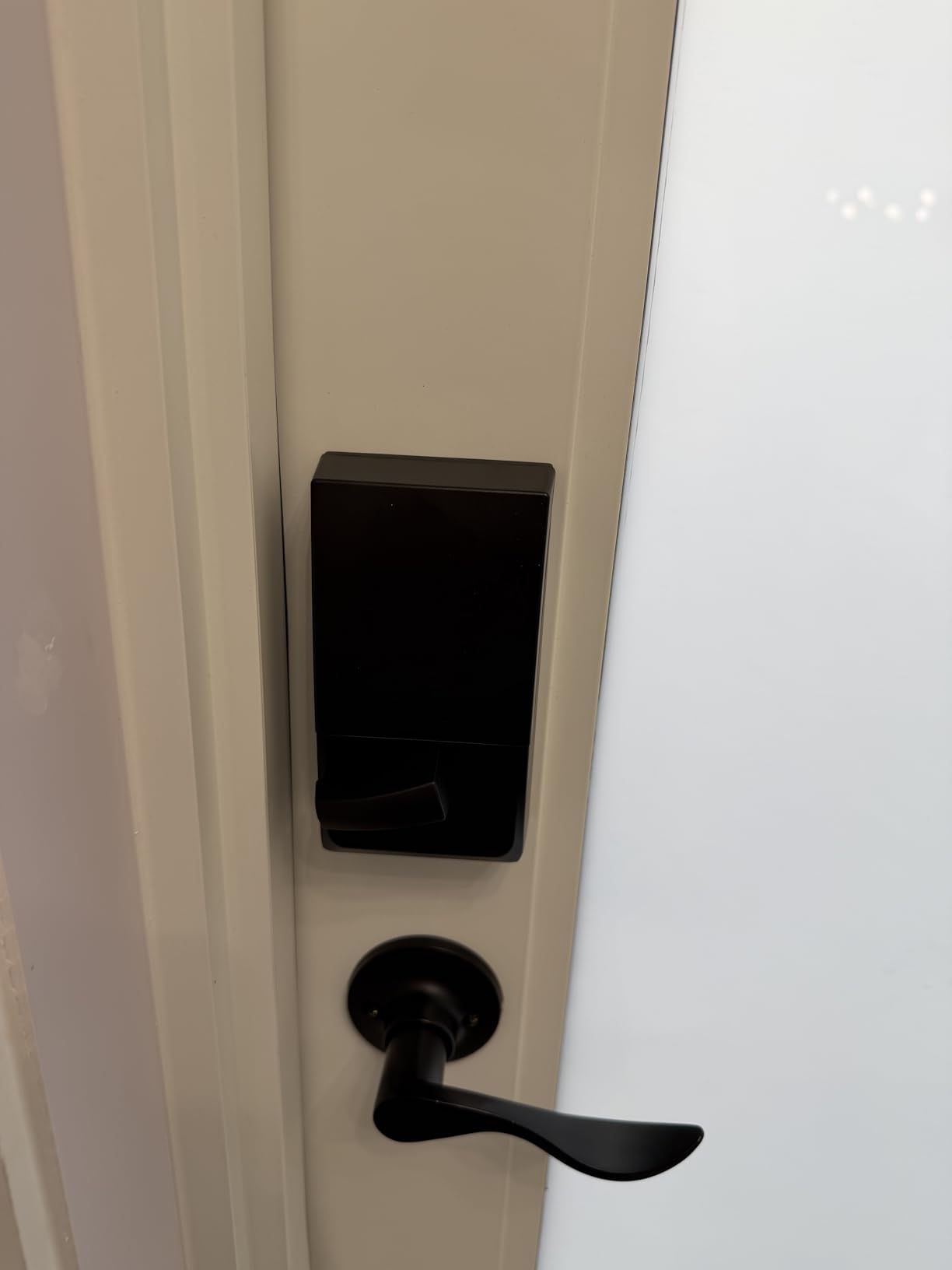
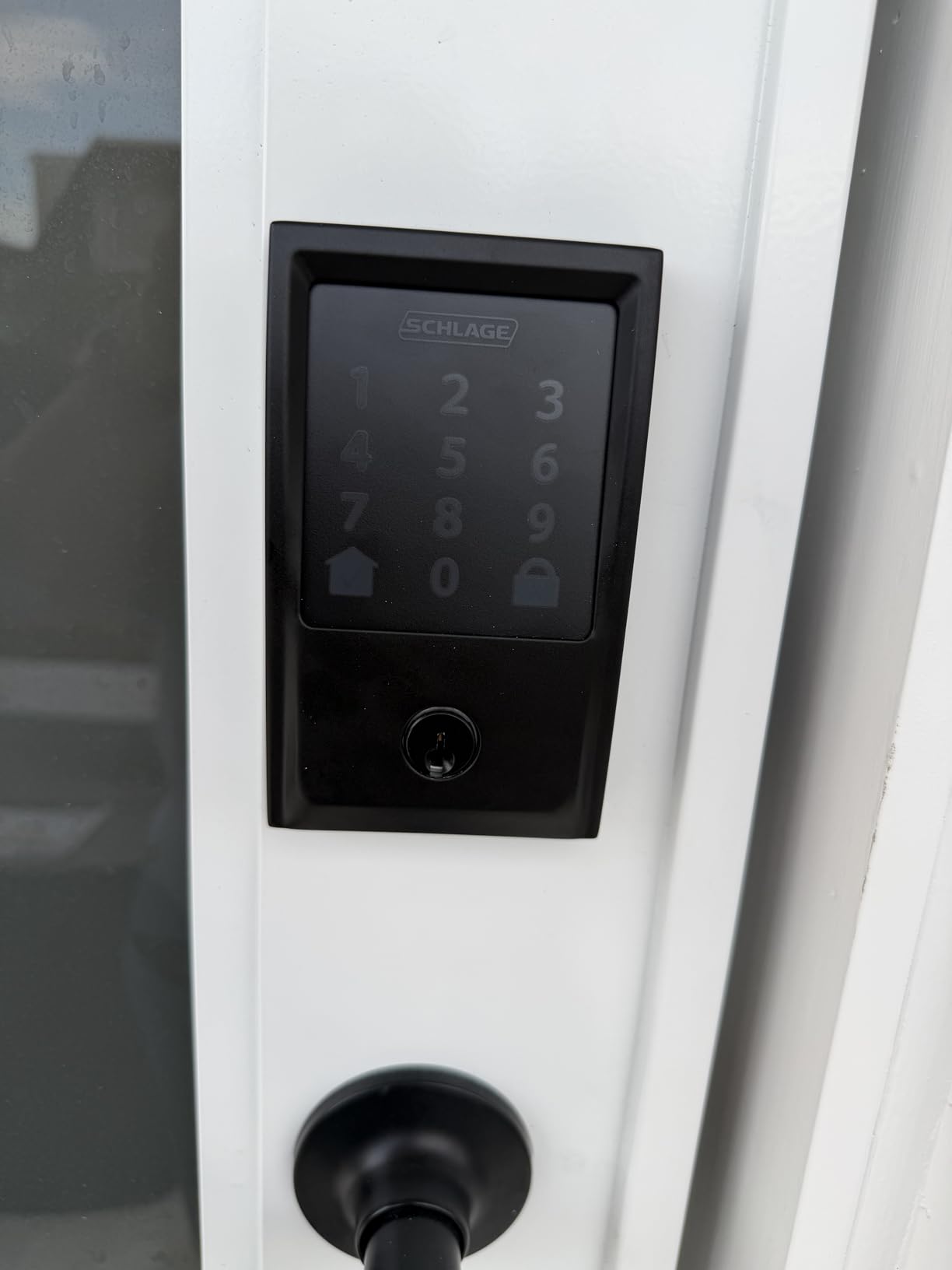
The security side is where this lock earns its reputation. It carries a BHMA certification, an encrypted connection, a fingerprint-resistant touchscreen, and a customizable alarm for both door movement and forced entry attempts. The keypad stays usable with a code even when the app and the network are not.
Installation is screwdriver-only with no hardwiring, using the Snap n Stay design. It fits standard doors between 1-3/8 and 1-3/4 inch thick. The interior unit is the one complaint that comes up repeatedly: it is noticeably bulkier than slim retrofit units, which matters on a door with a tight reveal against the frame.
How it holds up for daily turnovers
Reviews describe easy installation, steady Wi-Fi behaviour, and dependable auto-lock timing, with the auto-lock delay selectable or fully disabled. The most common operational note is that battery life falls short of the stated six months on doors that open many times a day, which is exactly what a rental door does.
That is manageable if you put a battery reminder in your turnover checklist rather than waiting for the alert. The low-battery indicator and phone notifications give you a window, but only if you act on it before a guest arrives at midnight.
Where it falls short
The warranty is a limited lifetime mechanical and finish warranty plus a limited three-year electronics warranty, and it is valid only on purchases from qualifying sellers. If you buy through a third-party marketplace, read that clause before you rely on it for a multi-year rental.
There is also no fingerprint reader here. That is a deliberate trade: hosts who want a keypad-only front door get a simpler, sturdier lock, and anyone who wants biometric entry should look at the fingerprint models further down.
2. ULTRALOQ Bolt SE – Best Value for Fingerprint Plus Matter
ULTRALOQ Bolt SE Wi-Fi Smart Lock, Matter Over Thread, App Remote Access
7 unlock methods
Fingerprint for up to 50 prints
18 month battery claim
2.95 x 1 x 2.95 inches
Pros
- Seven unlock methods including fingerprint
- passcodes
- app
- web portal
- eKeys
- voice and two keys
- Built-in Wi-Fi means no hub for app-based remote control
- Matter over Thread support for Apple Home and other ecosystems
- Self-healing Thread mesh reroutes connections
- ANSI/BHMA certified with IP65 weather-resistant zinc alloy body
- Ten-minute DIY installation
Cons
- Matter over Thread features need a separate Thread Border Router hub
- Built-in Wi-Fi is limited to 2.4 GHz networks
- No door sensor included so open or closed state is not detected
- Electronic warranty is limited to 18 months
The ULTRALOQ Bolt SE is the one I keep coming back to when a host tells me the Schlage route is more hardware than they want on a side unit. You get a fingerprint reader, built-in Wi-Fi and Matter support in a single deadbolt, and the review volume behind it is large enough that you will find plenty of long-term owner feedback.
Seven unlock methods is more than most hosts will ever use: fingerprint for up to 50 prints, passcodes for up to 50 entries, the smartphone app, a web portal, shareable eKeys, voice control, and two mechanical keys. For a rental that means a fingerprint for your cleaner, a keypad code for each guest, and a key in your hidden backup box.
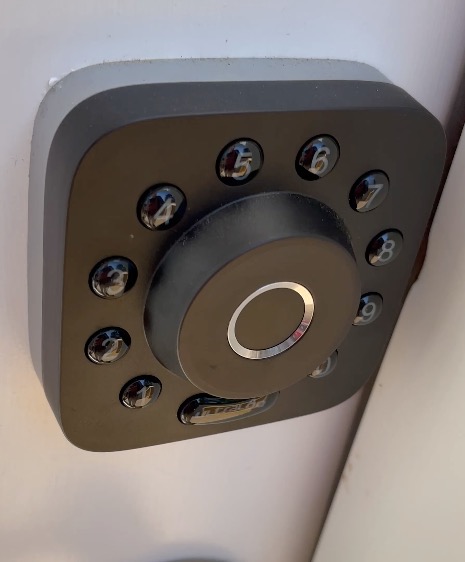
The IP65-rated zinc alloy body is the detail that matters for exterior doors, and the ANSI/BHMA certification is a genuine credential rather than marketing language. Claimed battery life runs to 18 months thanks to Thread’s low-energy mesh, though real turnover patterns will pull that number down.
For hosts who already run a Matter or Apple Home setup, the Thread path is the interesting part. The self-healing mesh reroutes connections automatically, which is exactly the behaviour you want in a rental where the router is in a different building or a weak spot.
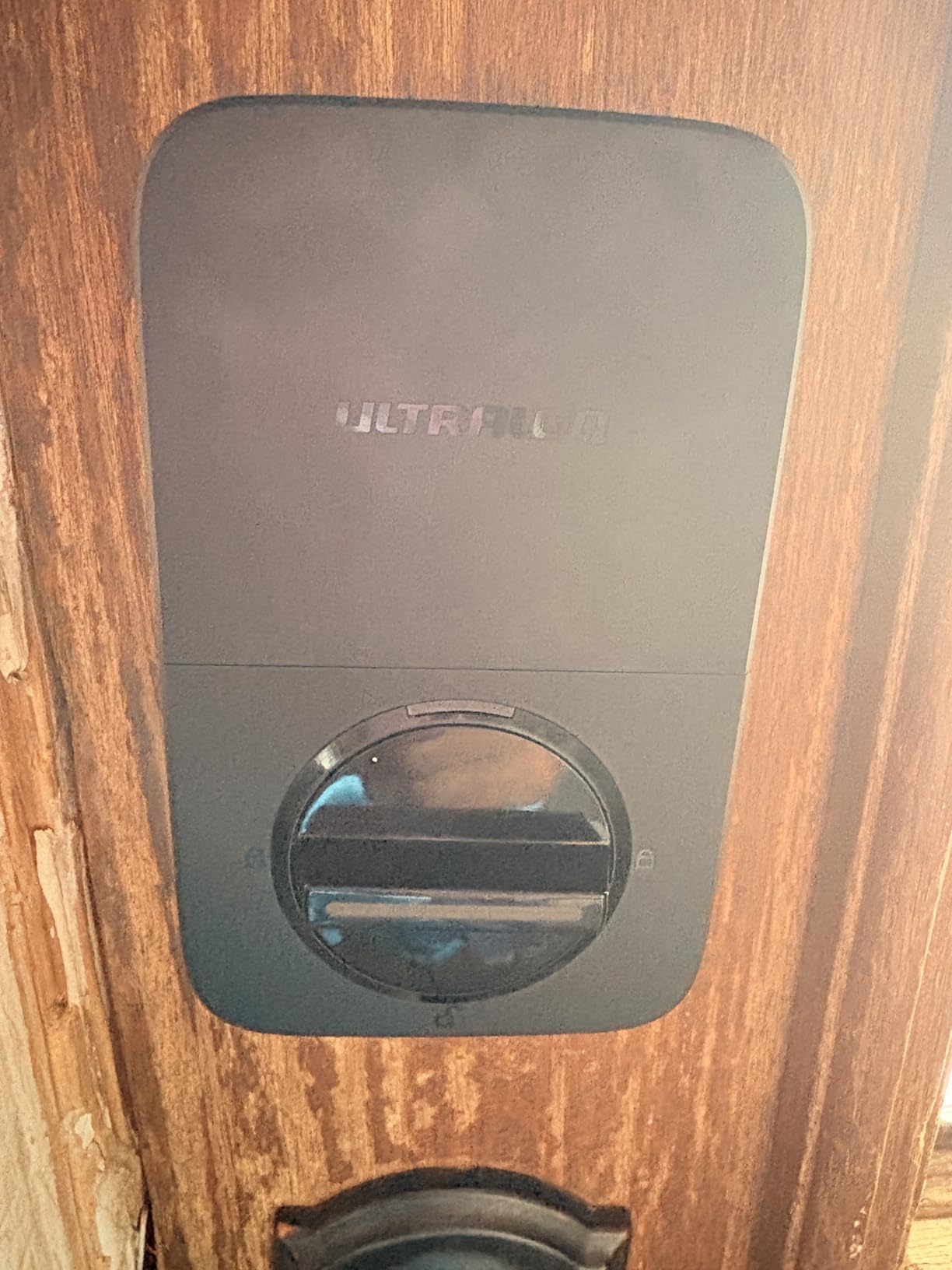
Where the Matter support helps and where it adds a box
Matter over Thread features require a separate Thread Border Router. If you do not already run one at the property, you have just traded a bridge for a different bridge. If you do, the lock joins your existing Apple Home or other Matter-compatible app alongside your other devices.
App-based remote control works regardless through the built-in Wi-Fi, which is 2.4 GHz only. Keep the router within about 70 feet and reduce obstacles between them, and check that signal before you commit to this lock.
What to know before buying
There is no door sensor, so the lock cannot tell you whether the door is actually closed. With auto-lock on a timer, that can mean the bolt throws while the door stands open. If you run short-term rentals, you either teach guests to pull the door shut or you accept the extra support call.
The warranty covers the mechanical side for life and electronics for 18 months, which is shorter than the Schlage electronics coverage. Buyers who value the fingerprint reader and the ecosystem flexibility will find that an easy trade.
3. Sifely Smart Lock with Handle and Keypad – Best for Families and Groups
Fingerprint Smart Door Lock with Handle & Keypad – No More Lost Keys, Keyless Entry & Remote Access for Home, Kids, Airbnb & Rental Property, DIY Install, Alexa & Google Compatible
Fingerprint, keypad, fob and key
Bluetooth app control
Optional Wi-Fi gateway
7 x 3 x 1.12 inches
Pros
- Multiple entry methods including fingerprint
- keypad
- app
- key fob and physical key
- Temporary PIN generation through the app is built for short-term rental check-ins
- Reversible handle fits either door handing without extra drilling on most standard doors
- Auto-lock with adjustable delay plus an inside privacy button
- Physical backup key protects against battery failure
- Works with Alexa and Google Assistant through the optional gateway
Cons
- Remote access and voice control need the separate Sifely Wi-Fi Gateway
- Front touchscreen keypad can be slow to wake or unresponsive
- Some owners report fingerprint recognition reliability issues over time
- Not rekeyable so backup keys must be tracked separately
The Sifely Smart Lock with Handle is the pick when a booking involves more than one adult and you would rather not hand out codes. It includes a fingerprint reader, a keypad, app access, a key fob and card, and a physical key, so a group arriving separately can all get in without texting each other the code.
Its guest handling is genuinely rental-oriented. You generate access codes from the app or the web portal, and the app keeps an access log showing who came through the door and when. That log is the feature that answers the question hosts ask most: was that the guest or someone else?
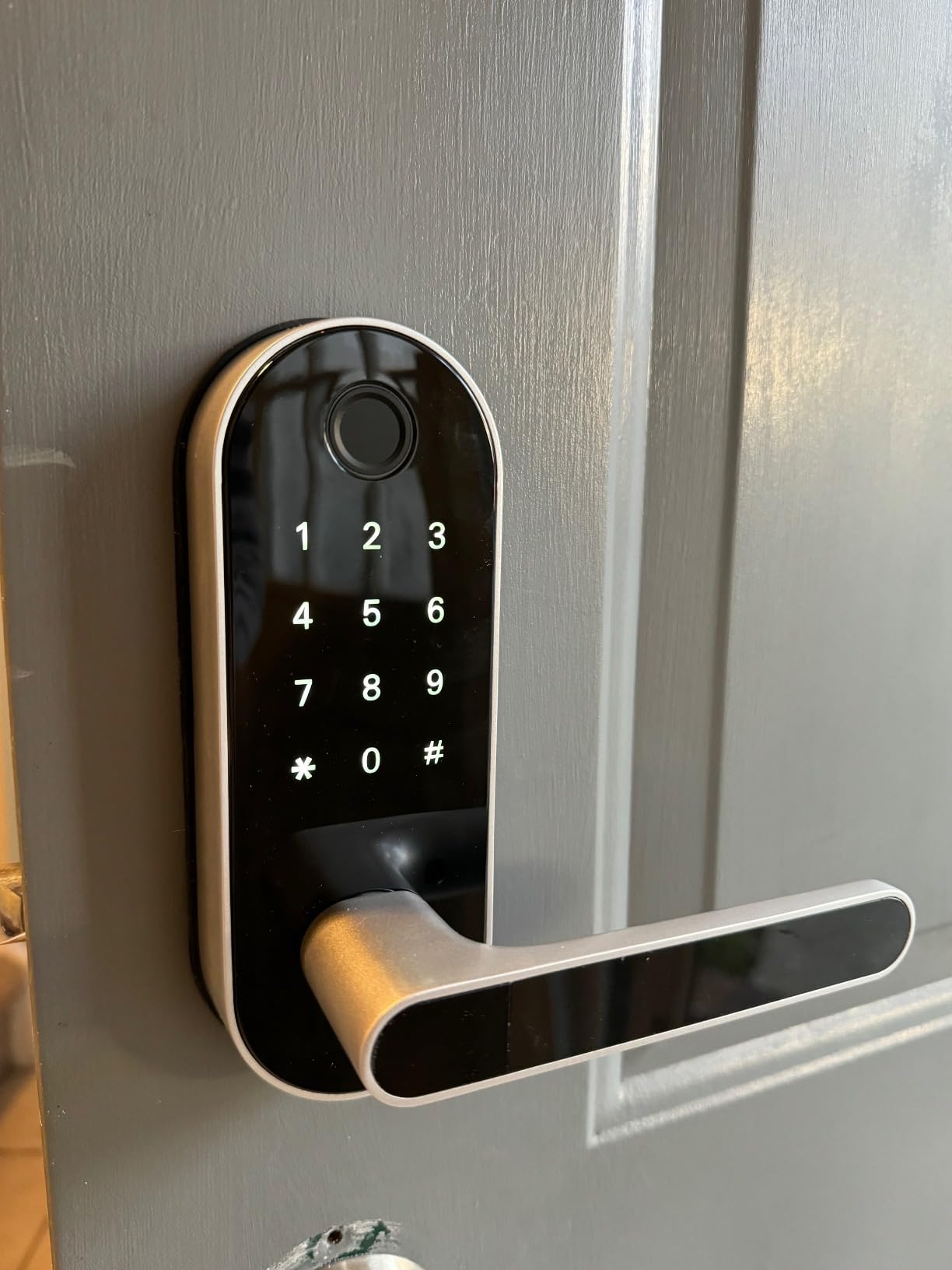
The reversible handle is a real convenience for rental work. It fits either door handing with no extra drilling on most standard doors, which removes one of the two ways a lock can be returned without being installed correctly.
Inside, an auto-lock with an adjustable delay handles the door closing itself, and a privacy button disables electronic entry from the interior. That last detail matters if you rent to longer stays where you may need to be able to leave with the door locked behind you.
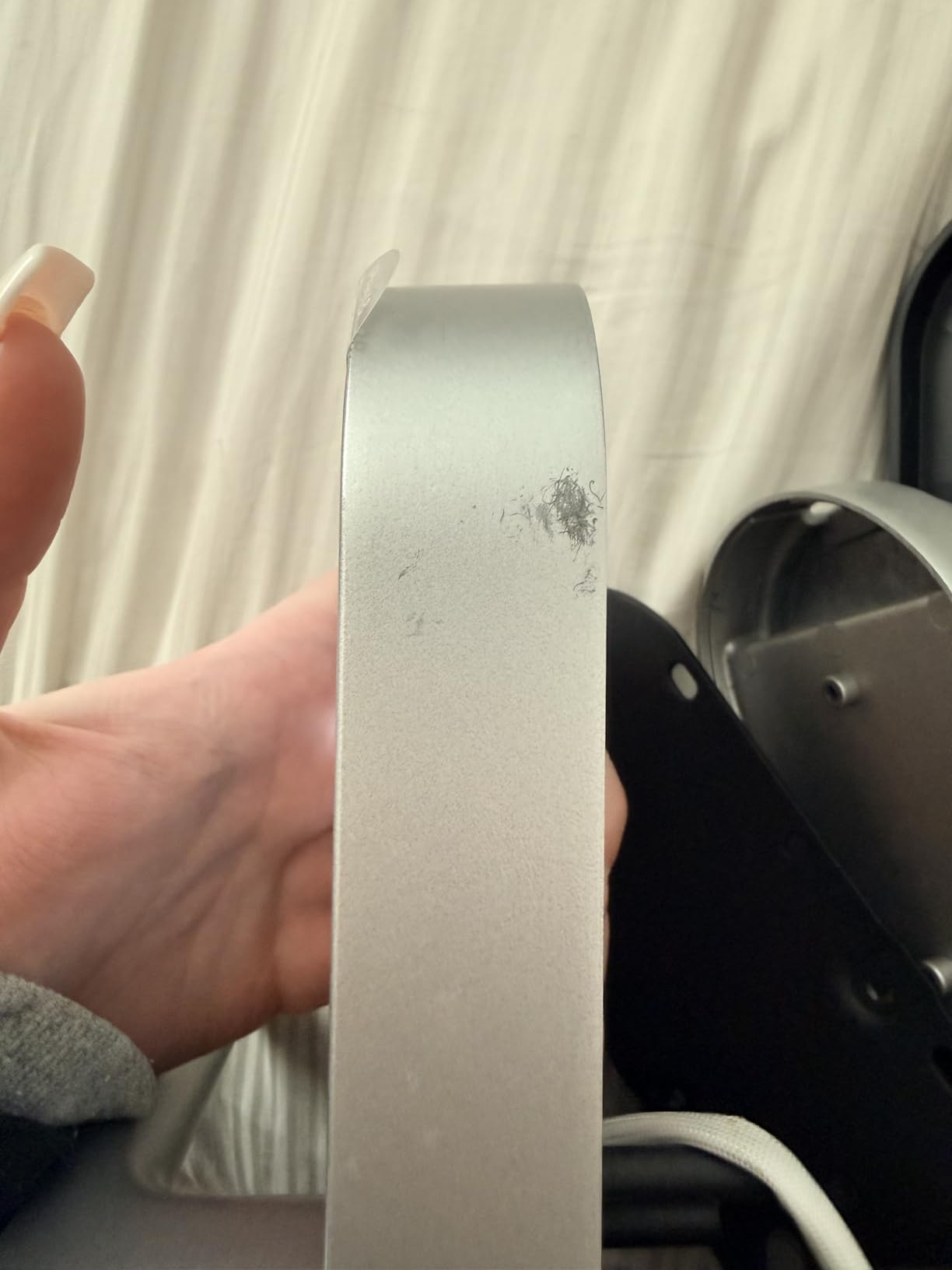
Before you buy this for a rental
Remote access from away from the property requires the separate Sifely Wi-Fi Gateway. Near the door, Bluetooth app control works on its own, so if you mostly want codes and an access log the gateway is optional; if you want to unlock remotely for a locked-out guest, budget for the extra device.
Weather resistance assumes the unit is fully exposed to open air, and some owners report water ingress on heavily exposed installs. For a covered porch or an interior door between a carriage house and a main house, that is a non-issue. For an uncovered exterior entry, consider a cover or a different body.
What the reviews flag
The touchscreen keypad is the most repeated complaint: it can be slow to wake and occasionally unresponsive, and the in-app voice speaker is quiet enough to be hard to hear. Fingerprint recognition also loses reliability over time for some owners.
The lock is not rekeyable, so the supplied keys have to be tracked and stored properly. Keep one in the hidden lockbox and one off-site, because that physical layer is what saves you at 10pm when the electronics fail.
4. August Smart Lock Pro + Connect Hub – Best Retrofit with Door Sensing
August Home Smart Lock Pro + Connect Hub – Wi-Fi Smart Lock for Keyless Entry – Works with Alexa, Google Assistant, and more – Silver
Retrofits onto existing deadbolt
Includes Connect bridge and DoorSense
4 AA batteries included
13.92 ounces
Pros
- Retrofits onto an existing deadbolt so the lock
- key and keyway stay in place
- Bundle includes the Connect Wi-Fi bridge and a DoorSense sensor
- Auto-Lock and Auto-Unlock remove the need to touch the door
- Integrates with Alexa
- Apple HomeKit
- SmartThings and Vera
- Compact interior unit avoids blocking the door frame
- Activity log shows who entered and when
Cons
- Requires the separate Connect bridge which sits on top of the existing deadbolt
- Battery-operated and needs periodic AA replacements
- Door must be properly calibrated for Auto-Unlock to work reliably
- One-year manufacturer warranty is shorter than some competitors
The August Smart Lock Pro is the answer when you cannot change the outside of the door. It mounts on the interior side over your existing deadbolt, so the exterior cylinder, the key and the look of the door all stay exactly as they are. Condo boards, HOAs and historic properties tend to require precisely that.
This bundle includes the August Connect Wi-Fi Bridge and a DoorSense sensor, which is the difference between an August that works and one that does not. The bridge is what makes away-from-home control possible, and DoorSense is what lets the lock know whether the door is actually closed before it throws the bolt.
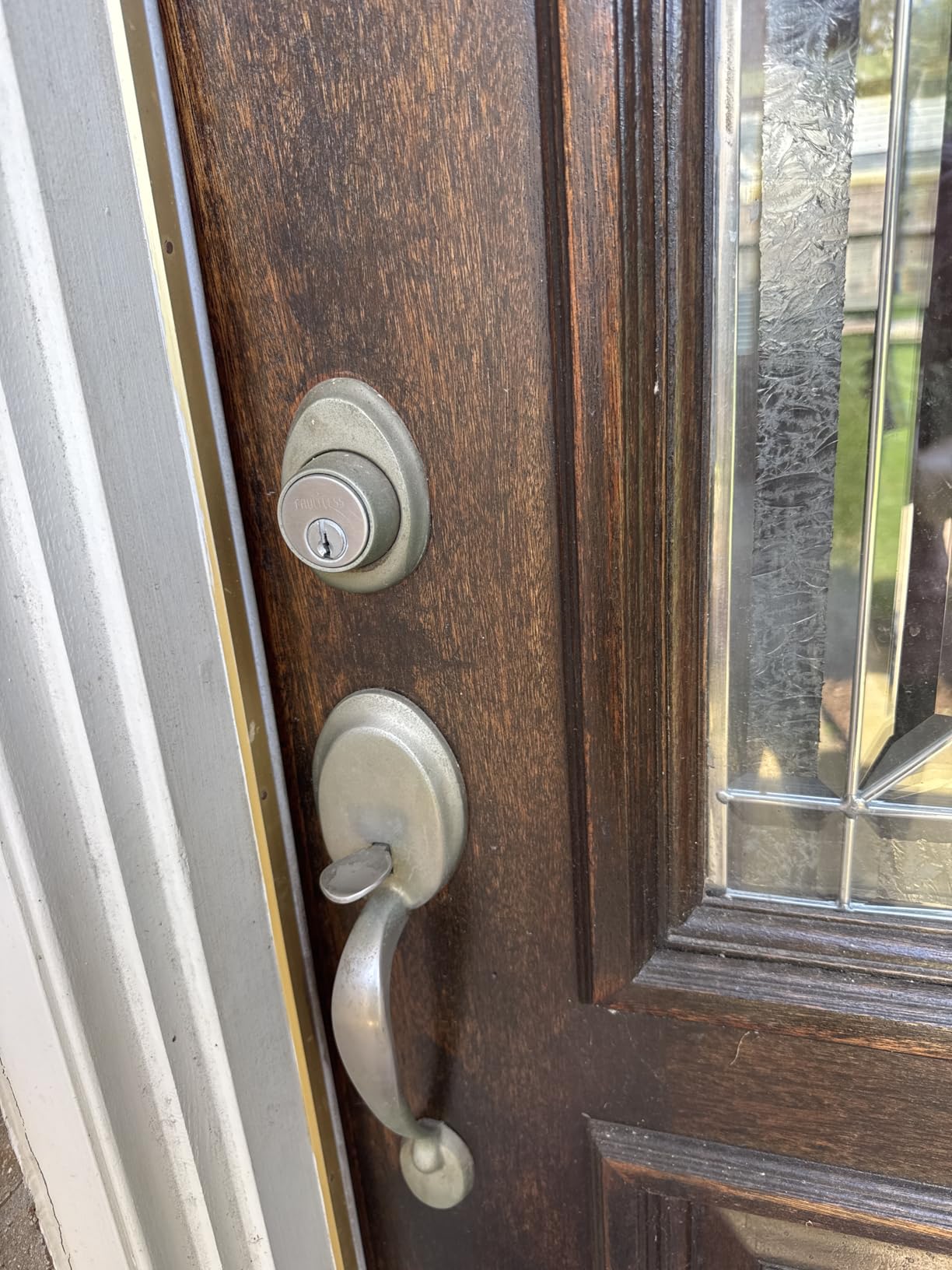
Auto-Lock and Auto-Unlock remove the physical handling of the door entirely. Auto-Unlock is the feature guests notice most: the door opens as they approach with the phone in hand, which is the closest thing to a contactless arrival you can get from a retrofit.
The interior unit is compact at 3.4 x 2.22 x 3.4 inches and weighs 13.92 ounces, so it is far less intrusive on the door frame than a full deadbolt body. It integrates with Alexa, Apple HomeKit, SmartThings and Vera, and the activity log records who entered and when.
What the DoorSense sensor actually does for a rental
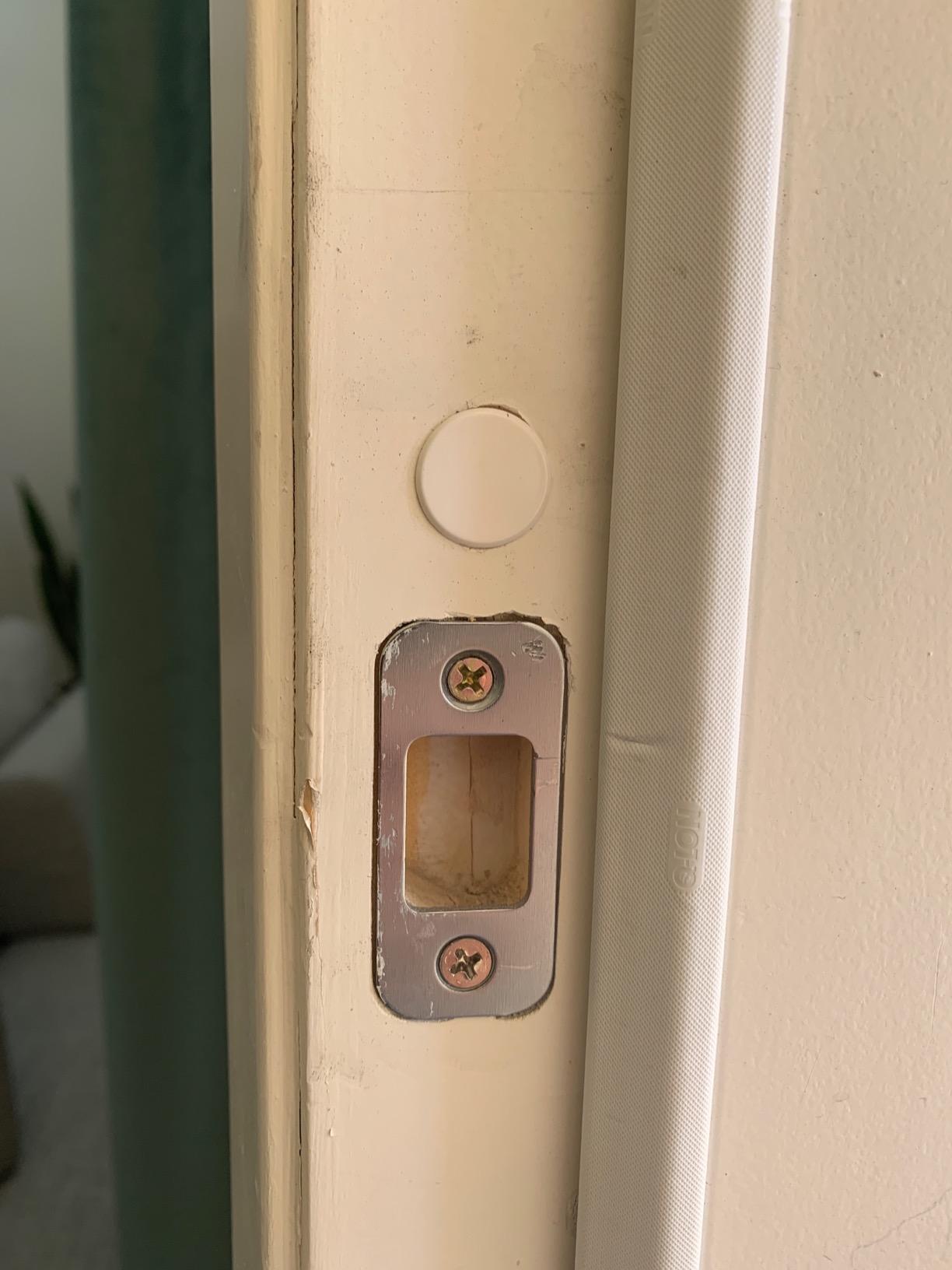
DoorSense reports whether the door is open or ajar, which lets the lock hold off on locking until the door is shut. On a rental, that converts one of the most common guest complaints, the door that will not latch because it was pulled closed too firmly, into a non-event.
Auto-Unlock is the part that needs calibration. Reviewers repeatedly note that the door must be set up properly for it to behave, and that the lock has to learn the door’s swing. Budget a quiet ten minutes at installation rather than assuming it works from the box.
Where hosts get disappointed
The bridge is the main cost. It sits on top of the existing deadbolt, it needs power, and it is another device to maintain inside a property you do not live in. Anyone hoping to avoid extra hardware should read the next section instead.
The one-year manufacturer warranty is shorter than the coverage on some competitors, and battery life is described as shorter than hoped by several owners. Four AA batteries power the unit, and periodic replacement is part of the ongoing cost of ownership.
5. eufy Smart Lock C220 – Best for Fast Fingerprint Entry
eufy Security Smart Lock C220, Fingerprint Keyless Entry Door Lock
Fingerprint under 1 second
8 AA for about 8 months
IP53, BHMA Grade 3
7.67 x 4.49 x 4.41 inches
Pros
- Six unlock methods including sub-one-second fingerprint
- app
- keypad
- physical key
- Apple Watch and voice
- Self-learning AI fingerprint recognition improves accuracy with each touch
- Built-in Wi-Fi allows remote control without a separate bridge
- Roughly eight months of battery life from eight AA batteries
- Fits most standard deadbolts and bores under 54mm with a no-drill install
Cons
- Battery life varies with how often the lock is used
- Full routine integration is limited to the eufy Security app ecosystem
- Wi-Fi only with no Matter or Z-Wave option
The eufy Smart Lock C220 is a strong fingerprint option for a rental door, and on a rental that matters more than it sounds. A guest carrying luggage and a child does not want to press a fingerprint sensor twice while standing in the dark, and a sub-one-second read is the difference between a smooth arrival and a support text.
Six unlock methods cover every realistic case: fingerprint, the eufy Security app, the keypad, a physical key, an Apple Watch, and voice assistants. The physical key is what protects you when the eight AA batteries finally go flat, and two keys are included in the box.
The self-learning AI is the part reviewers single out most. Rather than rejecting the same finger over and over, recognition gets more precise with each touch, which means fewer failed scans in the first few days of a stay while a new guest registers their print.
What the certifications tell you
BHMA Grade 3 certification after more than 100,000 lock cycles, IP53 water resistance, and an operating range from -22F to 158F. That is a real credential for a door exposed to a northern winter, and it is the honest number to quote rather than a weatherproofing adjective.
Grade 3 is below the top security tier, so for a door that is genuinely exposed on an isolated property, weigh it against a higher-grade body. For a covered entry or an interior rental door, the trade for a fingerprint reader and eight months of battery is usually worth making.
How it fits and what it costs you in flexibility
It fits most standard deadbolts and bores under 54mm once you remove the spacer, and installation is rated at about 15 minutes with no drilling. Two keys and eight AA batteries come in the box, which is one of the more complete kits in this roundup.
The ecosystem limit is real. Full routine integration only works inside the eufy Security app, and there is no Matter or Z-Wave option, so if you already run a mixed-brand smart home you are locking yourself into one app for the front door.
6. eufy Smart Lock C210 – Keypad Entry with Built-in Wi-Fi and No Bridge
eufy Security Smart Lock C210, Keyless Entry Door Lock, Built-in Wi-Fi
Keypad, app, key, Apple Watch and voice
Built-in Wi-Fi, no bridge required
4 AA batteries included
671.5 g
Pros
- Built-in Wi-Fi removes the need for a separate bridge
- Five unlock paths covering app
- keypad
- physical key
- Apple Watch and voice assistants
- BHMA certified after more than 100000 lock cycles
- 15-minute no-drill installation compatible with most standard US deadbolts
- Access management
- real-time notifications and event history in the app
- Pairs with eufy doorbells for combined routines
Cons
- No fingerprint reader
- this model is keypad and app based
- Battery-powered operation requires periodic AA replacements
- Full routine integration is limited to the eufy ecosystem
Sometimes the correct answer for a rental door is a plain keypad deadbolt with Wi-Fi inside it and nothing else. The eufy Smart Lock C210 is that lock. There is no fingerprint reader, no separate bridge, and no handle to buy separately, which makes it the least complicated install in this roundup.
Five unlock paths cover the essentials: the eufy Security app, the keypad, a physical key, an Apple Watch, and Alexa or Google Assistant. The keypad is what guests will actually use, and generating a new code per reservation takes seconds in the app.
Access management, real-time notifications and event history are all in the same app, so you can see when the door was opened without opening a separate dashboard. If you already run an eufy doorbell, both can sit in the same routine and the same app.
Where the simplicity pays off
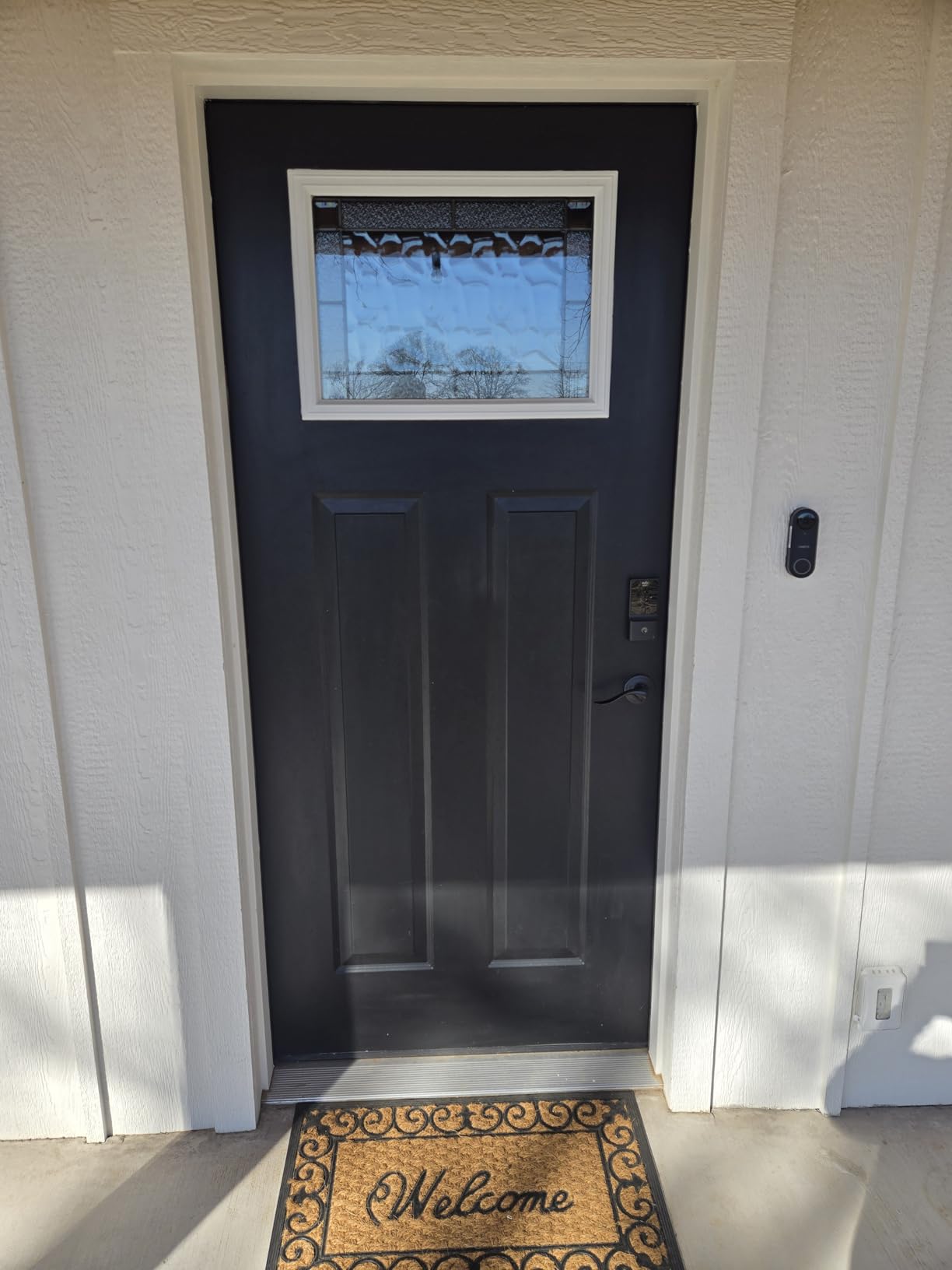
Four AA batteries are included, the install is rated at about 15 minutes without drilling, and it fits most standard US deadbolts. Reviews describe fast app setup, clear notifications and straightforward installation, which is what you want when a cleaner is turning the unit over every other day.
With no fingerprint reader, the front face is smaller and easier to wipe down between stays. For a high-turnover rental that is a genuine advantage, because fingerprints collect on the sensor area and the keypad stays the only surface guests touch.
What you give up
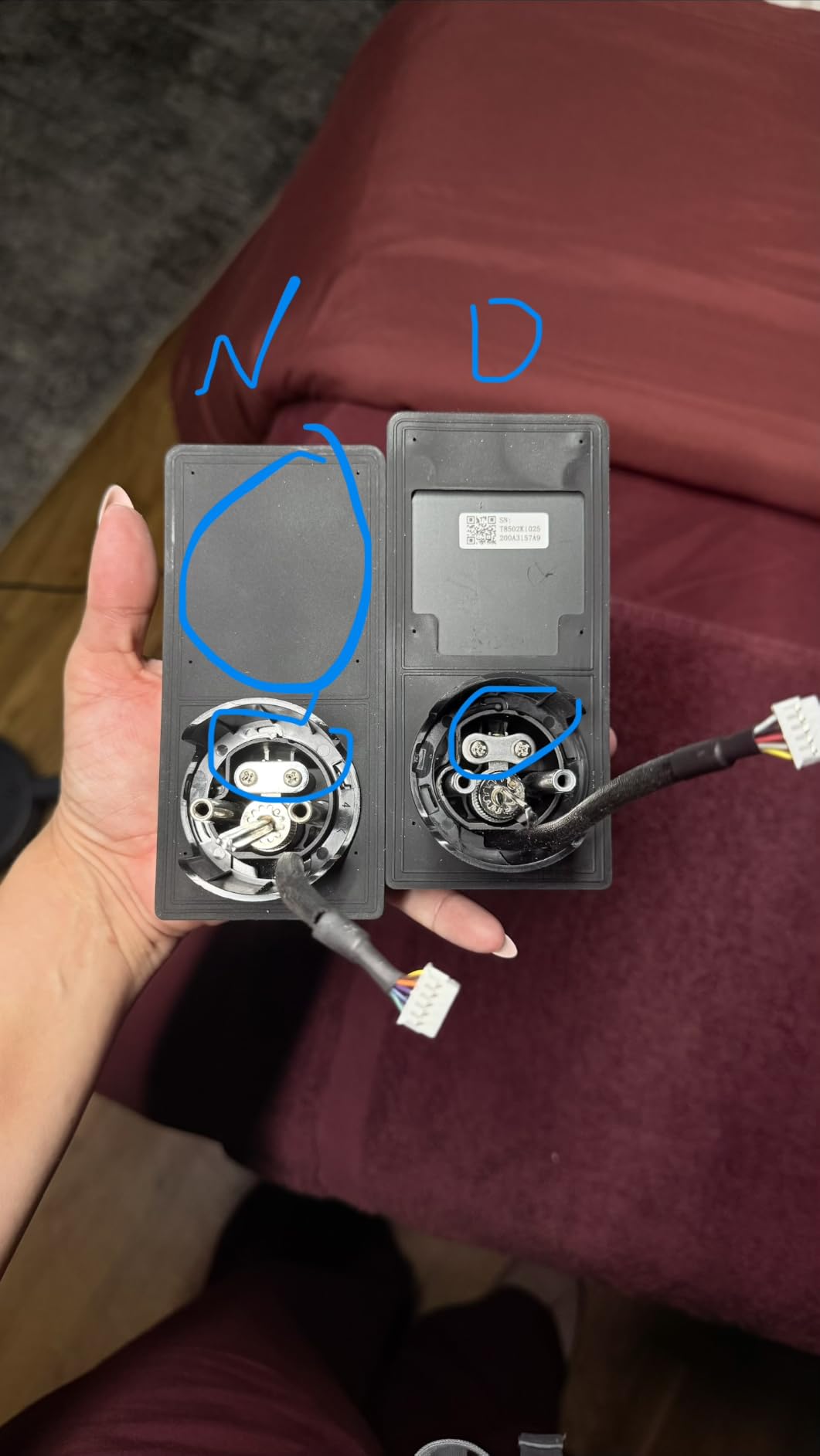
No biometric entry means every arrival needs a typed code, and mistyped codes are one of the documented reasons locks enter a protective lockout state after repeated failed attempts. Set expectations in your check-in message and keep a physical backup plan.
Routine integration stays inside the eufy ecosystem, and battery changes remain a recurring task. The product listing dimensions are also inconsistent with a physical deadbolt, so measure your own door rather than trusting the listed figures.
7. Wyze Auto-Lock Bolt v2 – Best for Wyze Doorbell Setups
Wyze Auto-Lock Bolt v2, Fingerprint Keyless Entry Smart Lock, AI Learning Scanner with Wi-Fi Front Door Lock Deadbolt, Auto-Lock, 8 Months Battery, BHMA2, IP53, Anti-Peep Keypad, Backup Keys
Fingerprint in 0.5 seconds
8 AA for about 8 months
USB-C emergency power port
7.09 x 2.93 x 1.41 inches
Pros
- Fingerprint unlock in roughly half a second on scratch and smudge-resistant tempered glass
- AI learning scanner adapts to each user over time
- Built-in Wi-Fi gives remote control through the app with no extra hub
- Eight AA batteries deliver roughly eight months plus a USB-C port for power bank backup
- Auto-lock timer with customizable delay plus physical backup keys
- Unlocks directly from a paired Wyze Video Doorbell live feed
Cons
- Keypad beeps are quiet and can be hard to hear
- Keypad does not backlight on approach which makes entry in the dark awkward
- No door sensor so auto-lock can fire while the door is open
- Fingerprint performance is occasionally hit or miss
The Wyze Auto-Lock Bolt v2 carries the highest average rating in this group, and the reason is simple: it does the basic host job quietly and quickly. Fingerprint reads take roughly half a second on a scratch and smudge-resistant tempered glass panel, the auto-lock timer is quiet, and physical backup keys are included so you always have a way in.
The feature that changes how you run a rental is unlocking from a paired Wyze Video Doorbell live feed. When a guest calls saying they cannot get in, you can see who is at the door before you decide to send anyone out. That single screen prevents a lot of unnecessary dispatches.
Eight AA batteries give roughly eight months of use, and there is a USB-C port on the interior unit for emergency power from a power bank. That is a second layer of battery insurance on top of the physical key, which matters if a guest is arriving within minutes of a low-battery alert.
The two things that will annoy a guest
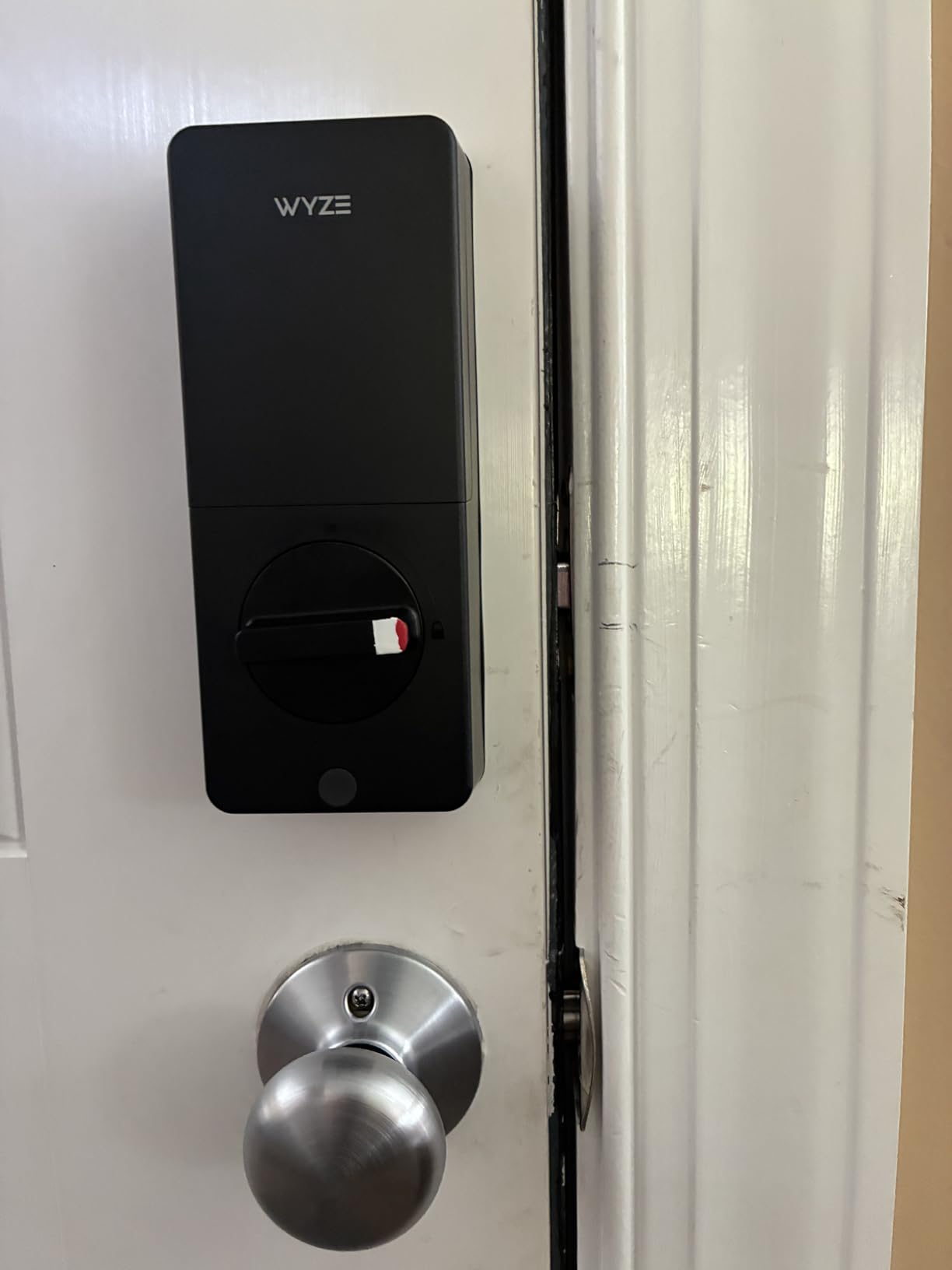
The keypad does not backlight on approach, so a guest arriving in the dark has to feel their way to the first button. The beep is also quiet enough to be hard to hear, which is worth mentioning in your check-in instructions. Neither is dangerous, but both create the feeling that something is broken.
Fingerprint performance is described as occasionally hit or miss, even with the AI learning scanner. If you register a guest print as a convenience, do not treat it as the only way in.
The auto-lock caveat you must plan around
There is no door sensor, so auto-lock can fire on its timer while the door is still open and then need a manual unlock to recover. On a high-turnover rental with guests who are careless about pulling the door shut, that produces avoidable support contacts.
The lock is experienced at its best inside the Wyze ecosystem, paired with a Wyze Video Doorbell. Outside that pairing, you still get the app and keypad, just fewer of the integrated routines.
8. Philips WiFi Keypad Deadbolt with Handle – Best All-In-One Set
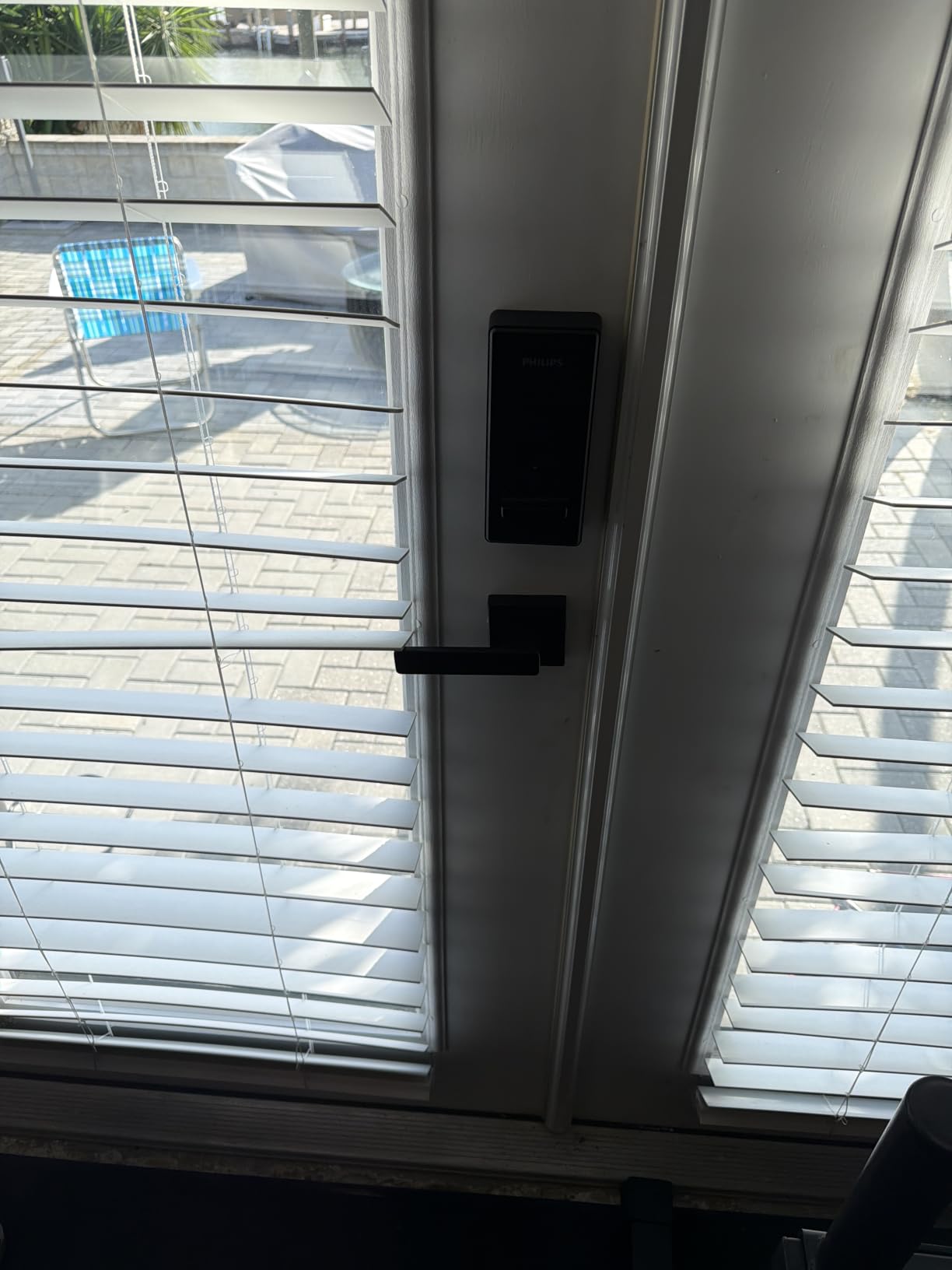
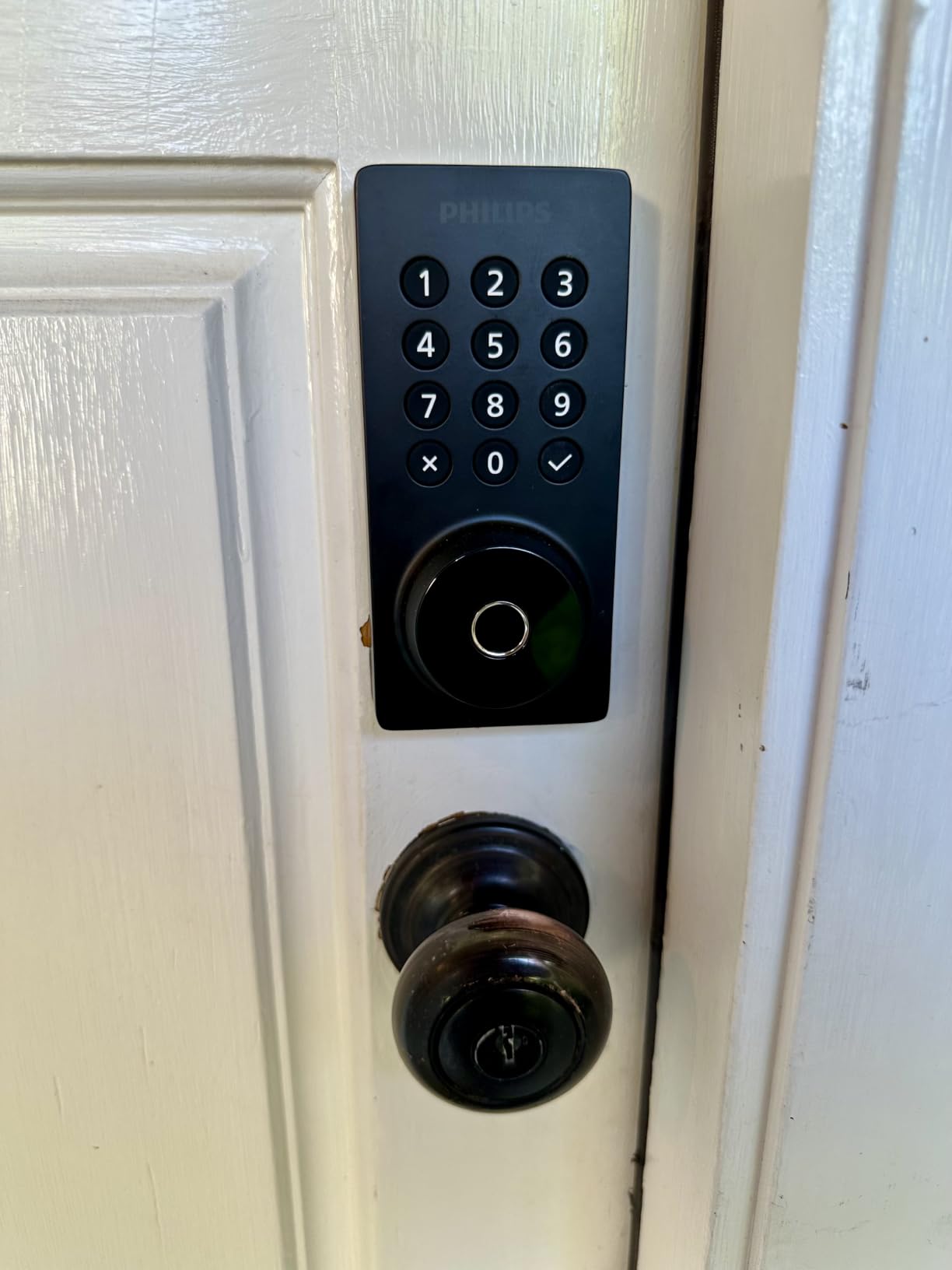
Philips WiFi Keypad Deadbolt with Handle, Built-in WiFi, APP Remote Control
Matching lever set included
Four passcode types
Fingerprint in 0.3 seconds
6 x 2.2 x 1.5 inches
Pros
- Connects directly to 2.4 GHz Wi-Fi with no separate hub or bridge
- Fingerprint unlock in 0.3 seconds with storage for multiple prints
- Four passcode types including permanent
- one-time
- periodic and recurring
- Matching door lever set included so no extra hardware purchase is needed
- Auto-lock configurable from 0 to 180 seconds
- Back-lit keypad with anti-peeping password support
Cons
- Must be within about 33 ft of the router for a reliable connection
- 2.4 GHz network only
- Batteries are not included
- Auto-lock is off by default and must be turned on manually
- Designed for right-opening doors by default
The Philips WiFi Keypad Deadbolt with Handle solves a small problem that costs hosts real money: the missing front handle. It ships with a matching lever set, so a full front door set arrives in one box and you are not hunting for a compatible handle at a hardware store after the deadbolt shows up.
The passcode structure is the strongest part for hosting. Four types are supported, permanent, one-time, periodic and recurring, which covers a fixed cleaning schedule, a single maintenance visit, and a guest stay without any manual reprogramming between bookings.
Fingerprint reads take about 0.3 seconds and the keypad is back-lit, with anti-peeping password support for codes you do not want observed. Auto-lock is configurable from 0 to 180 seconds, so you can set it long enough that a guest carrying bags can get the door fully closed.
Before you install: two things that catch hosts out
Auto-lock is off by default and has to be turned on manually in the app. Hosts often assume it is running from the first day and discover otherwise mid-stay. Set it during installation, not after your first lockout call.
The lock must sit within about 33 feet of the router on a 2.4 GHz network, which is a tighter range than most built-in Wi-Fi locks. In a rental where the router sits in the main house and the guest cottage door is outside that radius, this is the wrong lock.
Details worth knowing before checkout
Batteries are not included, and only 1.5V alkaline cells are recommended. Claimed battery life runs to about six months with an intelligent low-battery alert, so add the same turnover reminder you would use for any other lock in this roundup.
The unit is designed for right-opening doors by default, and left-opening doors need a reset during setup. It fits doors between 1-3/8 and 1-3/4 inch thick with a screwdriver install, so measure thickness and backset before committing.
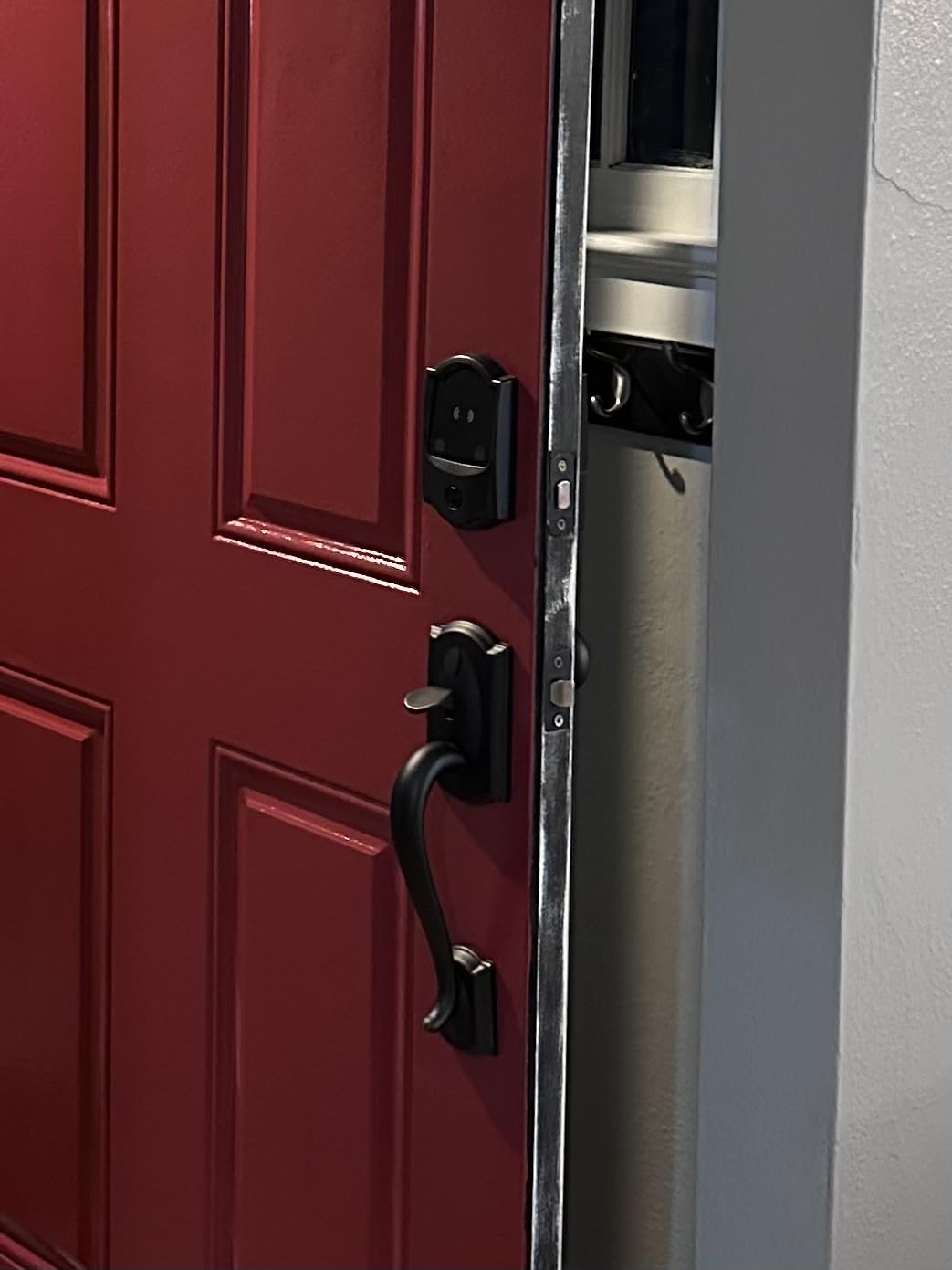
9. Schlage Encode Plus – Best for Apple Home Key Guests
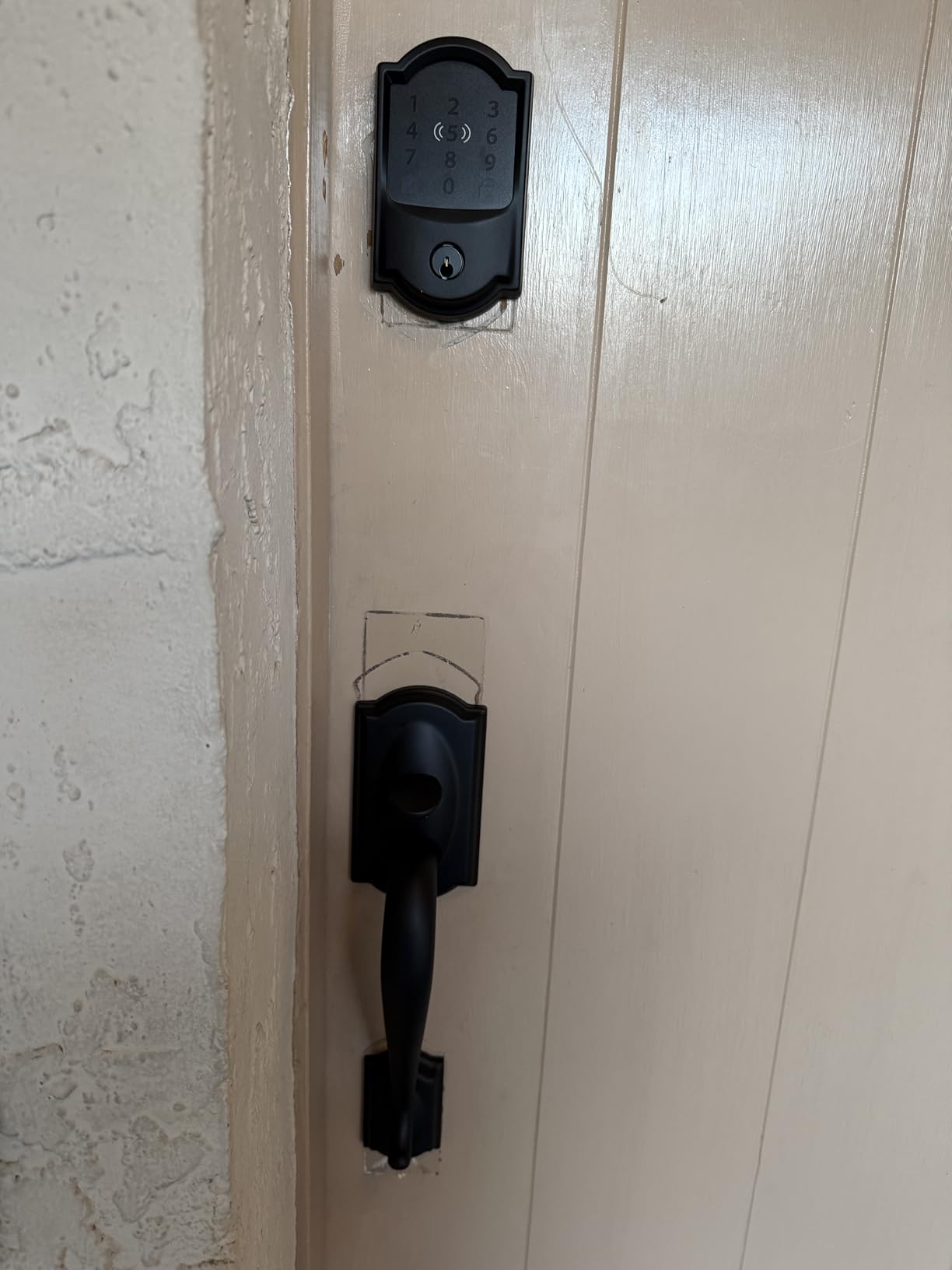
Schlage Encode Plus Smart WiFi Deadbolt Lock, Tap to Unlock, Satin Nickel
Apple Home Key tap to unlock
100 access codes
2.4 GHz Wi-Fi only
0.9 x 3 x 5 inches
Pros
- Apple Home Key tap to unlock with iPhone and Apple Watch plus Thread support
- Retains a standard Schlage key cylinder that can be rekeyed to match existing locks
- Manages up to 100 access codes including recurring and temporary codes
- Screwdriver-only installation lining up with standard deadbolt holes
- Customizable alarm for door movement and forced entry
- Real-time notifications when the deadbolt locks or unlocks
Cons
- Battery life reported nearer three months than the claimed six
- 2.4 GHz Wi-Fi only
- Apple Home Key pairing process is buggy and may need removing and re-adding
- HomeKit does not support temporary or recurring access codes
- Black-on-black keypad numerals until the panel wakes
The Schlage Encode Plus is the most polarizing lock in this roundup, and the reason is entirely about how you run it. If your guests use iPhones and you are happy to live entirely inside Apple Home, tap-to-unlock is genuinely delightful and the Schlage app becomes optional.
For a rental, the rekeyable Schlage cylinder is the underrated feature. You can match it to your other doors, which means one key still opens the lockbox, the front door and the interior doors during a maintenance visit.
It manages up to 100 access codes, including always-on, recurring and temporary codes, and sends real-time phone notifications whenever the deadbolt is locked or unlocked. That notification feed is the single most useful thing in a turnover workflow.
Why the rating sits where it does
Battery life is reported closer to three months in practice rather than the claimed six, which on a high-turnover rental means a battery task roughly every eight weeks. The Wi-Fi radio is 2.4 GHz only, and some routers cannot be reconfigured to disable 5 GHz, which blocks installation outright.
Apple Home Key pairing is described as buggy and poorly documented, and the sequence may require removing the lock and adding it again. Reviewers also point out that HomeKit does not support temporary or recurring access codes, so a guest code generated in the Schlage app behaves differently inside HomeKit.
Who this suits and who it frustrates
This is a good fit for a single Apple household lock where a family member arrives with an iPhone and taps through without touching a keypad. It suits you best if you are comfortable debugging a pairing flow once and then leaving it alone.
It frustrates mixed-ecosystem homes, and it frustrates anyone who depends on scheduled guest codes inside HomeKit. A smaller set of owners report electronic failures within months and frustration with warranty support, so for a remote property you should hold a spare lock or a locksmith contact on file.
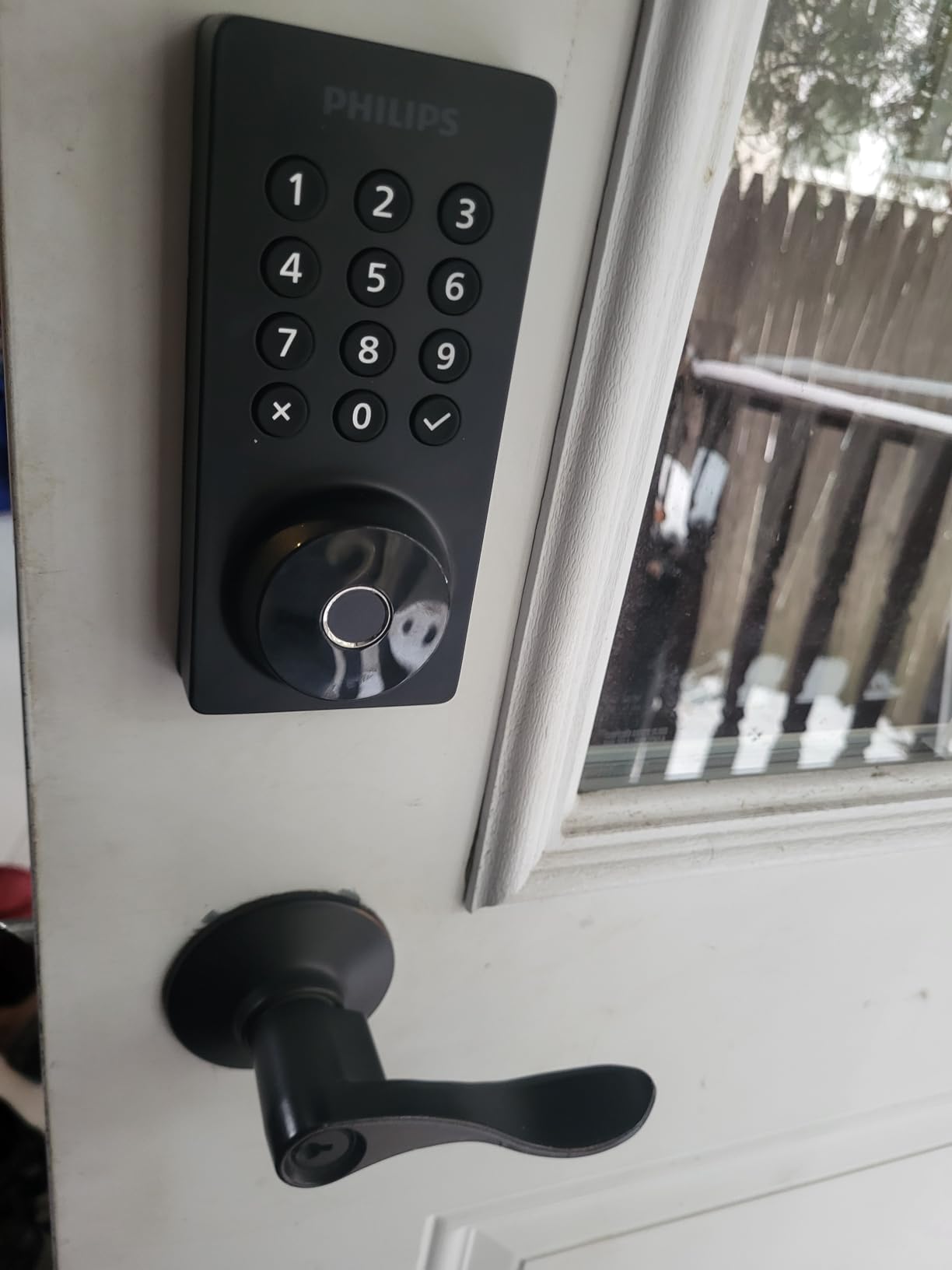
10. Philips Wi-Fi Smart Deadbolt – Best for Code Scheduling and Away Mode
Philips Wi-Fi Smart Deadbolt Lock, Keyless Entry Door Locks for Front Door
Up to 100 passcodes
Built-in Wi-Fi, no hub
Away Mode
6 x 2 x 1.5 inches, 1.4 lb
Pros
- Five unlock options including app
- passcode
- fingerprint
- physical key and voice assistant
- Built-in Wi-Fi enables remote lock and unlock with no extra hub
- Up to 100 custom passcodes with unlimited one-time or scheduled guest codes
- Real-time alerts and a full access history of who entered and when
- Auto-lock configurable from 10 to 180 seconds
- Screwdriver-only installation for doors 1-3/8 to 2 inch thick
Cons
- Batteries are not included
- 2.4 GHz Wi-Fi only and the lock should sit within about 65 ft of the router
- No door sensor so the lock cannot report whether the door is open
- Use AA alkaline LR6 batteries only for reliable operation
The Philips Wi-Fi Smart Deadbolt is the most code-first lock here. It holds up to 100 custom passcodes with unlimited one-time or scheduled guest codes, and reviewers single out that scheduling as the reason the lock works for families and renters.
Five unlock options cover fingerprint, passcode, the app, a physical key, and voice assistants through Alexa or Google Assistant. A cleaning team, a maintenance contractor and each guest can each hold a distinct credential that expires on its own schedule.
Real-time alerts and a full access history sit in the same app. Auto-lock runs on a configurable 10 to 180 second delay, and an Away Mode disables every unlock method except the master code while you are not renting the property out.
How code scheduling changes your turnover
Scheduled guest codes are the feature that removes the single most common host task. Over a year of high turnover, that is hundreds of manual edits you no longer make.
Unlimited one-time codes cover the awkward cases: a maintenance contractor visiting once, a dog walker with a fixed weekly slot, or a guest who shares the code with someone you would rather not issue a credential to.
Practical limits to plan around
Batteries are not included, and the manufacturer specifies AA alkaline LR6 cells only. The network is 2.4 GHz with the lock kept within about 65 feet of the router, so check signal strength at the door before you buy.
There is no door sensor, so the lock cannot report whether the door is open, and voice control requires you to sign into your own Google or Alexa account first. Installation is a screwdriver job for doors between 1-3/8 and 2 inch thick.
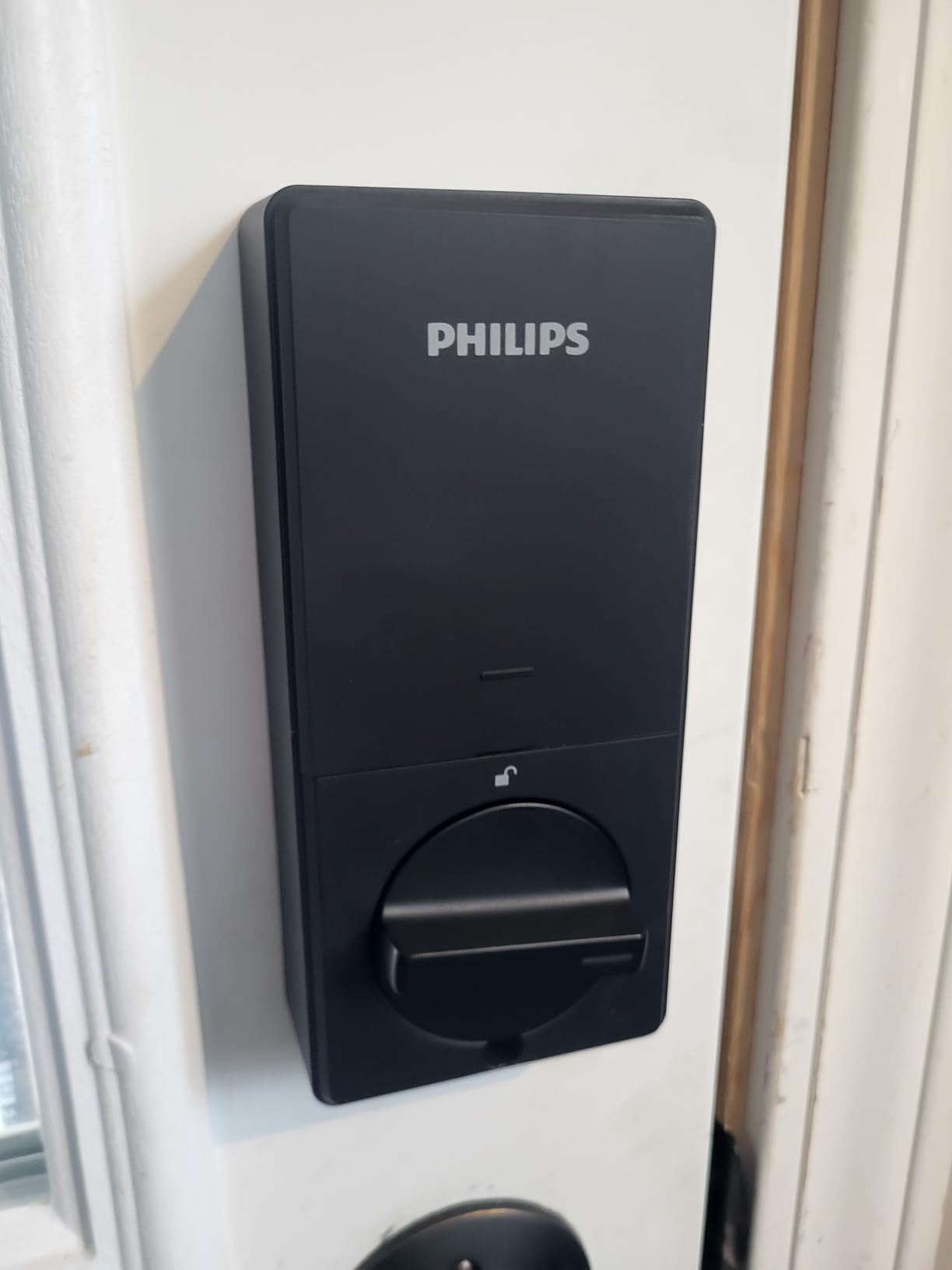
11. August Smart Lock 3rd Generation – Best for Keeping Your Existing Deadbolt
August Home Smart Lock, 3rd Generation – Silver
Interior retrofit on existing deadbolt
DoorSense sensor
4 AA batteries
1.63 x 2.6 x 4.8 inches
Pros
- Keeps the existing outside deadbolt and keyed entry unchanged
- Quick install reported at roughly 10 minutes on standard single-cylinder deadbolts
- Auto-Lock with DoorSense secures the door and avoids trying to lock an open door
- App and Apple Watch control plus real-time lock status and ajar alerts
- Users report long battery life
- Works with Alexa and Google Assistant
Cons
- Away-from-home features require a separate August Connect Wi-Fi bridge or doorbell camera
- Auto-Unlock can be unreliable when the phone is pocketed
- App only separates Owner and Guest users and guests cannot use Auto-Unlock
- Third generation removed the lock and unlock sounds
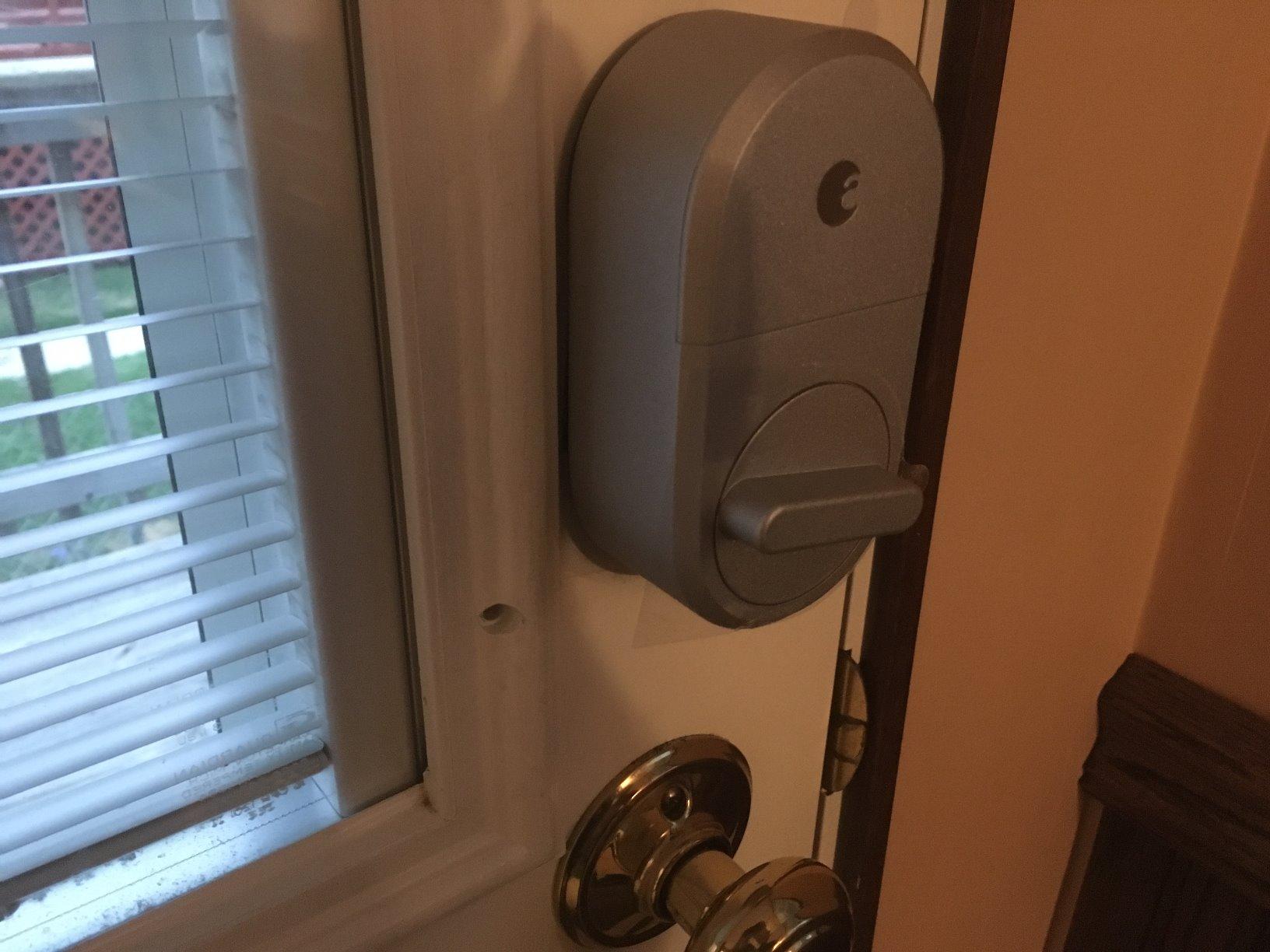
The August Smart Lock 3rd Generation replaces only the interior thumbturn, which is the least invasive upgrade available on an existing door. Guests still turn a physical key on the outside, the exterior lock looks untouched, and you gain app and Apple Watch control the moment you walk up.
Auto-Lock with DoorSense is the feature that makes it worth fitting in a rental. The lock knows whether the door has closed before it throws, so the door that will not latch because a guest pulled it hard simply does not happen.
Install is reported at about 10 minutes on standard single-cylinder deadbolts, and the included adapter and mounting hardware cover most residential doors. At 1.63 x 2.6 x 4.8 inches and 13.92 ounces, it is barely visible from the hallway.
What guests actually notice
Guests still use a key on the outside, so there is no code to mistype and no fingerprint to fail. The arrival experience is a key turn, which is exactly the reliability level most guests prefer and the reason this design keeps working after years of turnover.
For the host, the app shows real-time lock status and open or ajar alerts, and multiple owners report long battery life from four AA cells. It works with Alexa and Google Assistant for status checks and locking.
Where it falls short for remote hosting
Away-from-home features require a separate August Connect Wi-Fi bridge or a compatible doorbell camera, so this is not a standalone remote-access product. The Pro bundle earlier in this roundup is the version that includes the bridge in the box.
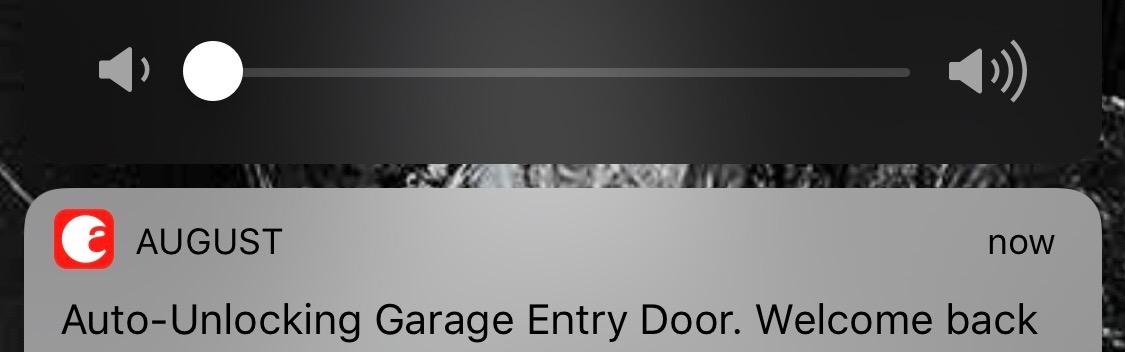
Auto-Unlock can be unreliable when the phone is in a pocket rather than held in the hand, and the app only distinguishes Owner from Guest accounts, with guests unable to use Auto-Unlock at all. The third generation also removed the lock and unlock sounds earlier models produced, and some Android users report Bluetooth connectivity issues in the app.
12. Sifely Keypad Smart Lock with Knob – Simplest Install for Basic Units
Keyless Entry Keypad Smart Door Lock with Handle & Knob – Digital Deadbolt for Front, Bedroom, Office & Interior Doors, App Control for Airbnb, Guests & Kids, Easy DIY Install (No Fingerprint)
Five unlock methods
Stores guest codes
Screwdriver install, no drilling
3 x 1.22 x 7 inches
Pros
- Multiple entry methods including keypad
- app
- physical key
- fob and knob
- Supports stored codes for kids
- guests and short-term rental tenants
- App provides access records and unlock history with shareable remote access
- Installs in minutes with a screwdriver and no drilling or wiring
- Compatible with Alexa or Google via a gateway for voice control
Cons
- This variant is the No WiFi version so remote app access depends on an added gateway
- No fingerprint reader so entry relies on keypad codes
- key
- fob or knob
- Not specified as weather-resistant for exposed exterior installs
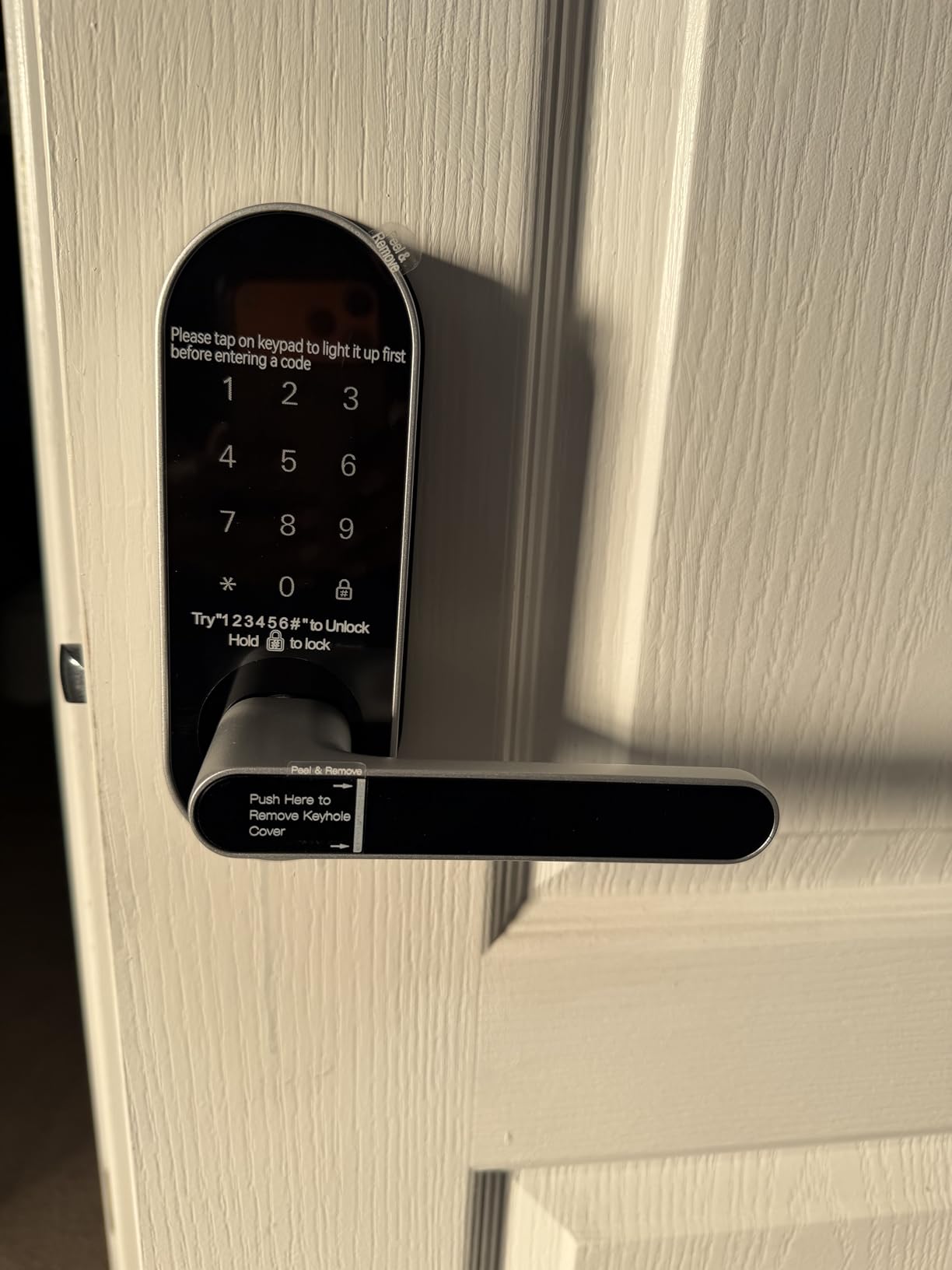
The Sifely Keypad Smart Lock is the pick when you are outfitting a simple unit, a back cottage or an interior door and you need stored codes more than you need remote unlocking. It takes codes for kids, guests and short-term tenants, and it installs with a screwdriver and no drilling or wiring.
Five unlock methods are available: keypad, app, physical key, fob, and the interior knob. The app keeps access records and an unlock history, and you can share remote access with guests, which is more than most locks at this level of the market offer.
With 75 percent of its reviews at five stars, owner satisfaction is high, and the recurring themes are installation simplicity and the flexibility of the stored codes. For a door where a fingerprint reader would add little, that is the right set of features.
What you give up without the extra features
This is the No WiFi variant, so remote app access and voice control depend on adding a gateway. If the door is your primary guest entrance and you plan to unlock remotely for a locked-out guest at 10pm, factor that extra device into the decision.
There is no fingerprint reader, so every entry is a typed code, a fob, a key, or the interior knob. And it is not specified as weather-resistant for full exterior exposure, so treat it as a door under cover unless you add protection.
Where the single-box install pays off
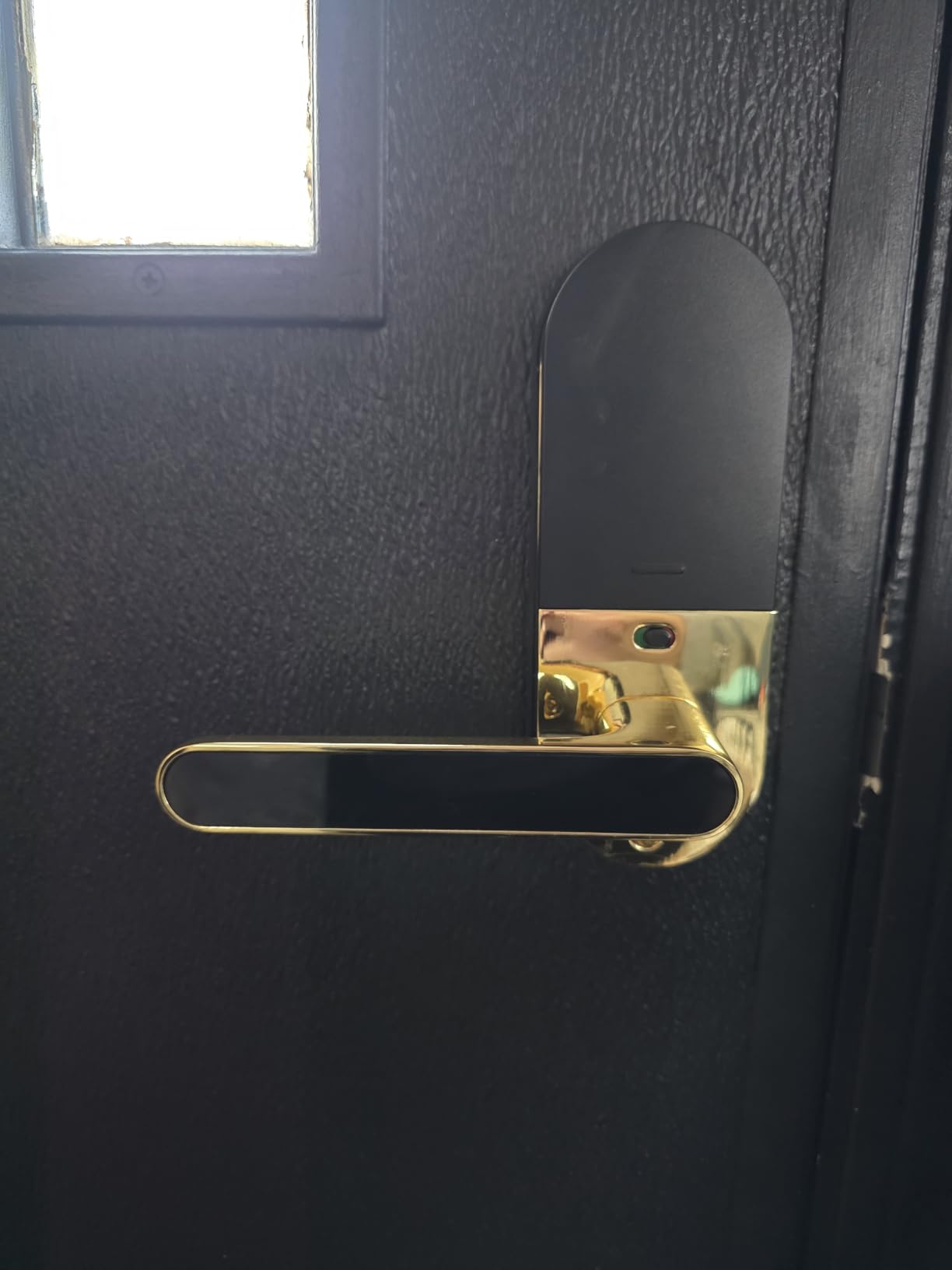
The absence of a bridge or hub keeps the install to one device and a screwdriver, and the door is usable the same day it arrives. For a first rental or a side property, that low friction can be worth more than biometric entry.
It fits most standard US deadbolts, and the finish and connectivity variants cover black and silver in both WiFi and No WiFi versions, so you can match hardware across a mixed portfolio without ordering a different model for every door.
How to Choose a Smart Lock for Airbnb Hosts
Door compatibility comes first, before any feature comparison. A lock that does not fit is not a cheaper lock, it is a return, and most of the fit complaints in the reviews trace back to a measurement nobody took.
Measure the door thickness, the backset from the edge of the door to the centre of the keyhole or deadbolt cylinder, and the width of the door. Most locks in this roundup fit doors between 1-3/8 and 1-3/4 inch thick, with a few reaching 2 inch. If your door falls outside that range, do not force it.
Decide next whether the exterior can change. If a condo board, HOA or heritage rule restricts exterior hardware, your choice narrows immediately to retrofit units that mount on the interior over the existing deadbolt.
Connectivity is the next fork. Built-in Wi-Fi locks need a 2.4 GHz network within a stated distance, typically 33 to 70 feet, and most of them will not join a 5 GHz-only router. Hub-based and bridge-based locks add hardware but can be more reliable in buildings where the router is far from the door.
Offline entry matters more than hosts expect. Every lock here still accepts a keypad code or a physical key without the network, so a Wi-Fi outage degrades convenience rather than access. Locks that also report door position are the ones worth paying up for.
Code scheduling is what saves you the most time. One-time, recurring and scheduled passcodes mean you create a guest credential at reservation time and it expires on its own. Look for capacity of at least 50 codes, and for a lock history that shows who entered and when.
Budget for maintenance as part of the purchase. Most locks here run on four to eight AA batteries, so a turnover-check reminder and a spare battery in the unit’s drawer are the cheapest insurance available to a host.
Our broader comparison of fingerprint door locks for homes goes deeper on the biometric options if you are still weighing reader speed against keypad-only reliability.
Lockout Prevention: The Host Protocol
Every lockout call happens at the worst possible moment. A written protocol, agreed before the first booking, is the difference between a two-minute fix and an emergency locksmith visit.
- Keep two physical keys, in two different places. One in a concealed lockbox, one stored off-site. Hosts describe the hidden spare as non-negotiable, and it is the layer that works with flat batteries.
- Check batteries at every turnover. Treat it as a three-step checklist item, not a response to a warning alert. Claimed battery life ranges widely across this roundup, and a door that opens dozens of times a day drains faster than the stated figure.
- Know how to clear keypad lockout mode. Repeated wrong entries freeze the keypad on several locks in this roundup. Having the manual entry sequence ready saves a call in the middle of the night.
- Verify auto-lock behaviour during the first stay. Locks without a door sensor can throw the bolt while a door is still open. Watch one full arrival and departure, then adjust the delay or disable auto-lock.
- Keep a locksmith contact and spare hardware on file. Some owners report electronic failures within months on specific models. Knowing which part to replace removes the diagnostic step.
Airbnb documents its own device integration and supported lock behaviour on airbnb.com, including the connect-your-lock page and its help centre article on lock statuses. Check those pages for the current supported list and regional availability, because eligibility changes over time.
Frequently Asked Questions
What smart lock does Airbnb recommend?
Airbnb does not endorse a single brand. It publishes a device integration page and a supported smart lock list on airbnb.com, where eligible hosts can connect a lock so reservation codes create and expire automatically. Treat that list as the authority and confirm your region and lock before purchasing.
What is the best lock to use for Airbnb?
For a single rental, the Schlage Encode Smart WiFi Deadbolt is the strongest default: built-in Wi-Fi with no bridge, up to 100 access codes, lock history and a physical backup key. For multi-door portfolios or restricted exterior hardware, choose by door type and unit count instead.
Which smart locks integrate with Airbnb?
Integration depends on your property management software and region rather than on one brand. Locks with open APIs, built-in Wi-Fi and scheduled passcodes, including Schlage, Yale, August, Kwikset, igloohome, Nuki, Lockly and RemoteLock models, are the ones most often paired with reservation-synced code automation.
Can Yale smart locks be used with Airbnb?
Yes. Yale Assure Lock 2 units with the Wi-Fi module are widely used for rentals because they support scheduled codes and hub-based ecosystems. The original Yale Assure is discontinued, so confirm you are buying the current model and that your hub or network supports it.
Do Airbnb smart locks need Wi-Fi?
Not to open the door. Every lock in this roundup accepts a keypad code or physical key offline. Wi-Fi is what lets you create codes from your phone, view entry history, receive battery alerts and unlock remotely for a guest standing outside at night.
What are the downsides of using a smart lock?
The real drawbacks are batteries, electronics and support. Batteries need regular checks, a flat battery during a stay means an emergency visit, some locks need a bridge or hub mounted on site, and a minority of owners report electronic failures within months of use.
How long do smart lock batteries last on a rental?
Claimed figures in this roundup run from about six months to 18 months, but high-traffic doors drain faster than the stated figure, and owners report real-world figures closer to three to four months on frequently used locks. Check batteries at every turnover rather than waiting for an alert.
What is the best smart lock if I manage multiple rentals?
Above roughly five listings, move from standalone locks to a central access platform with property management software integration, so codes generate and expire from one dashboard. Below that, a standalone lock with built-in Wi-Fi and scheduled passcodes is simpler and cheaper to run.
Final Verdict for Airbnb Hosts in 2026
For most hosts running one or two units, the Schlage Encode Smart WiFi Deadbolt is the default. It has built-in Wi-Fi, a hundred-code capacity, a full lock history, and a physical key that works when nothing else does, which is the whole brief for an Airbnb smart lock.
Choose the August Smart Lock Pro when the exterior door cannot change, the ULTRALOQ Bolt SE when a fingerprint reader and Matter support matter more than brand pedigree, and the Philips Wi-Fi Smart Deadbolt when scheduled guest codes and Away Mode are the features you will lean on daily.
Whichever you pick, the lock is only half of the system. Measure the door first, keep two physical keys in two separate places, and check batteries at every turnover. Those three habits eliminate the majority of the lockout calls that make hosts blame the lock instead of the setup.