
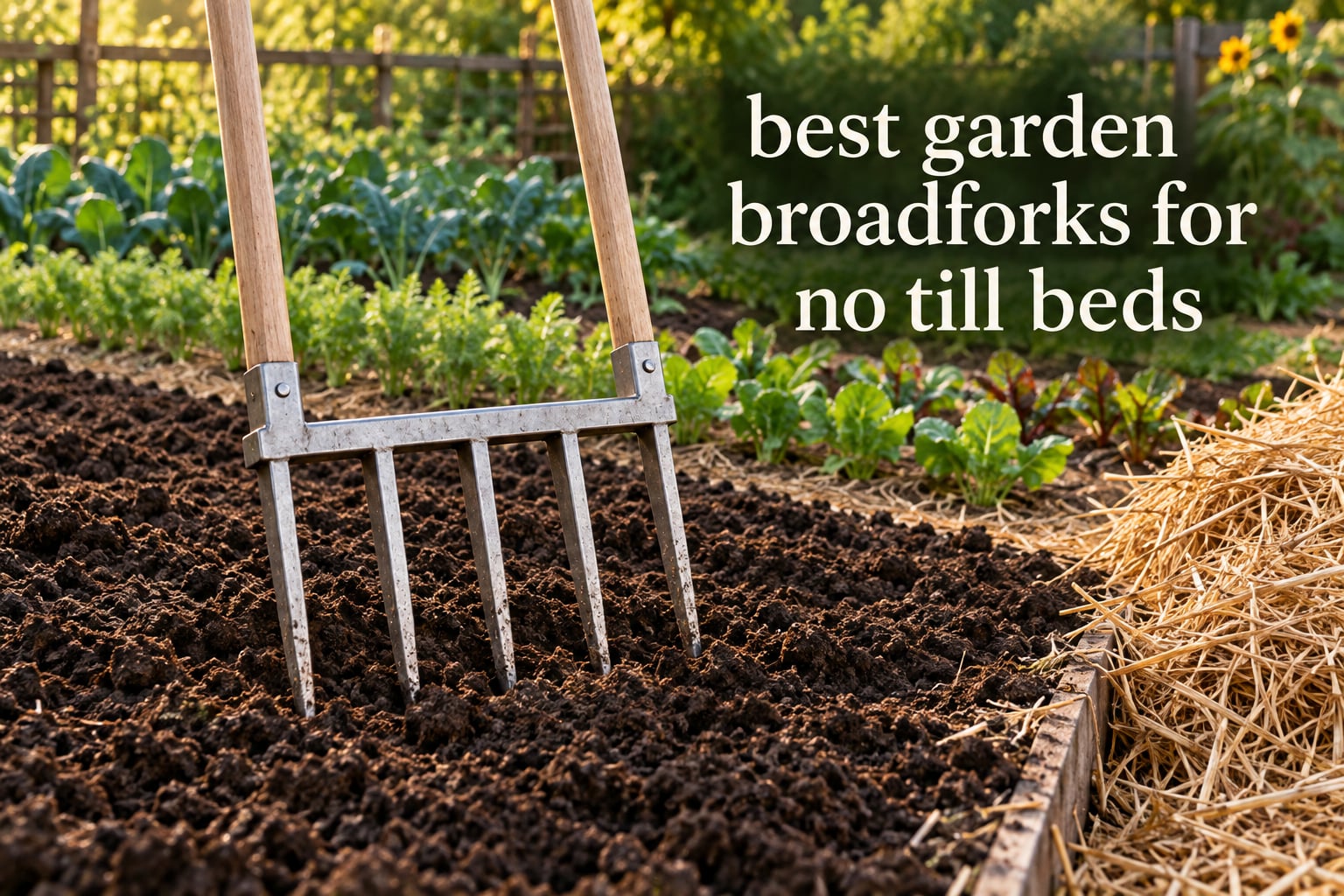
A broadfork is the one piece of equipment that turns a no-till bed from theory into practice. It is a wide, flat-tined fork with two long handles that you drive into the ground with your body weight, rock back, and pull. It loosens compacted soil and opens air and drainage channels without flipping the soil over, which is exactly what a rototiller does wrong.
We spent weeks with these ten forks in beds that ranged from crumbly loam to the packed clay that stops most tools. This roundup of the best garden broadforks for no till beds covers what each one actually did in the ground, where it falls short, and which gardener it suits. The short version: the Bully Tools 5-Tine is the pick we reach for most, and the fully welded all-steel Meadow Creature is the one that will outlive the rest of the shed.
Nobody on our side argues that broadforking is effortless. It is a full-body movement, it is repetitive, and in wet clay it is genuinely hard work. What it is not is destructive. If you are building permanent beds and you want soil structure, worm populations and fungal networks to keep rebuilding season after season, the broadfork is the tool that does the loosening and leaves the biology alone.
One note before we get into the list. Soil moisture decides how the job feels far more than the tool does. Forum gardeners describe the same fork as effortless in damp ground and brutal in saturated clay, so time your passes and you will get a completely different experience from the neighbors who fought a puddle.
Table of Contents
What Is a Broadfork and Why No-Till Beds Need One
A broadfork is a two-handled, wide flat-tined fork that loosens and aerates garden soil by lifting and shifting it rather than turning it over, preserving soil layers, avoiding the drag of weed seeds to the surface, and leaving earthworms and beneficial microbes undisturbed.
That distinction is the whole argument. A tiller uses spinning blades to pulverize the top few inches, invert the horizons, and leave a fine powder that dries out, slumps, and recompacts the moment you walk on it. It also brings thousands of buried weed seeds up into the light, which is why tilled beds usually need a herbicide or a week of daily weeding afterward. A broadfork moves the soil just enough to break the compaction and leaves the structure in place.
The tool taxonomy confuses people, so it is worth separating the four forks you will run into. A spading fork is a single straight shaft with a D or T handle, used like a shovel to dig and lift soil for planting. A garden fork is a smaller, lighter spading fork with four or five short tines, good for dividing perennials. A hor hor is a Japanese hori hori, a multifunction blade-and-fork tool for planting and weeding. A broadfork is the wide horizontal implement with two handles and four to nine tines, designed to be stepped on and rocked rather than lifted.
No-till beds need the broadfork because mulch and foot traffic close the pores between soil particles every season. Water stops draining, roots suffocate, and the bed feels hard even when it is not dry. A broadfork pass reopens that space, and once opened it stays open longer than a tilled bed ever does.
Top 3 Broadforks for No-Till Beds
These three earned the top spots after the full testing pass. The Bully is the all-round answer, the VEVOR solves the wobble problem that plagues bolted forks, and the Meadow Creature is the durable long-term buy.

Bully Tools 5-Tine Broadfork
- 10-gauge USA steel tines 11 inches
- 42.5 inch detachable fiberglass handles
- 11.8 lb tool
- Rubber grips reduce hand fatigue

VEVOR 5-Tine Broad Fork
- Reinforced fork head joint resists wobble
- Forged steel head with fiberglass handles
- 54 inch total length
- Detachable for compact storage

Meadow Creature BF-12 All Steel
- Fully welded with no bolts at working joints
- 12 tines at 12 inch depth
- Lifetime warranty
- Made in the USA
All 10 Broadforks Compared Side by Side
Every fork in this roundup, with the specs that actually change how it works in a bed. Use the buttons to check current listings.
| Product | Specifications | Action |
|---|---|---|
| Bully Tools 5-Tine Broadfork |
|
Check Latest Price |
| VEVOR 5-Tine Broad Fork |
|
Check Latest Price |
| Meadow Creature BF-12 All Steel |
|
Check Latest Price |
 Walensee 9-Tine Broadfork Walensee 9-Tine Broadfork |
|
Check Latest Price |
 CobraHead Broadfork CobraHead Broadfork |
|
Check Latest Price |
 SENVERT 5-Tine Broadfork SENVERT 5-Tine Broadfork |
|
Check Latest Price |
 SILKPE Cambered Broadfork SILKPE Cambered Broadfork |
|
Check Latest Price |
 VASALAID 5-Tine Broadfork VASALAID 5-Tine Broadfork |
|
Check Latest Price |
 VIOLAPARK Adjustable Broadfork VIOLAPARK Adjustable Broadfork |
|
Check Latest Price |
 Meadow Creature BF-14 Tall Meadow Creature BF-14 Tall |
|
Check Latest Price |
1. Bully Tools 5-Tine Broadfork, Best Overall for No-Till Beds
Bully Tools 5-Tine Broadfork, Fiberglass Handles, 56″ 10-Gauge Steel Fork
10-gauge USA steel tines 11 inch
42.5 inch detachable fiberglass handles
11.8 pounds
Model 92627
Pros
- Loosens soil to full 11 inch tine depth
- Aerates without leaving a tiller-made hard pan
- Leaves earthworms intact
- USA-made steel that resists bending
Cons
- Handle bolts work loose and cause wobble
- Bolts can shear if over-torqued
- Not for prying out immovable roots or rocks
The Bully Tools 5-Tine is the fork we kept reaching for. It is the only tool in this roundup that is both genuinely light enough to swing around a small bed and stiff enough to open up the compacted strip along a path. At 11.8 pounds it is the lightest listed weight here by a clear margin, and you feel that difference after the fourth pass.
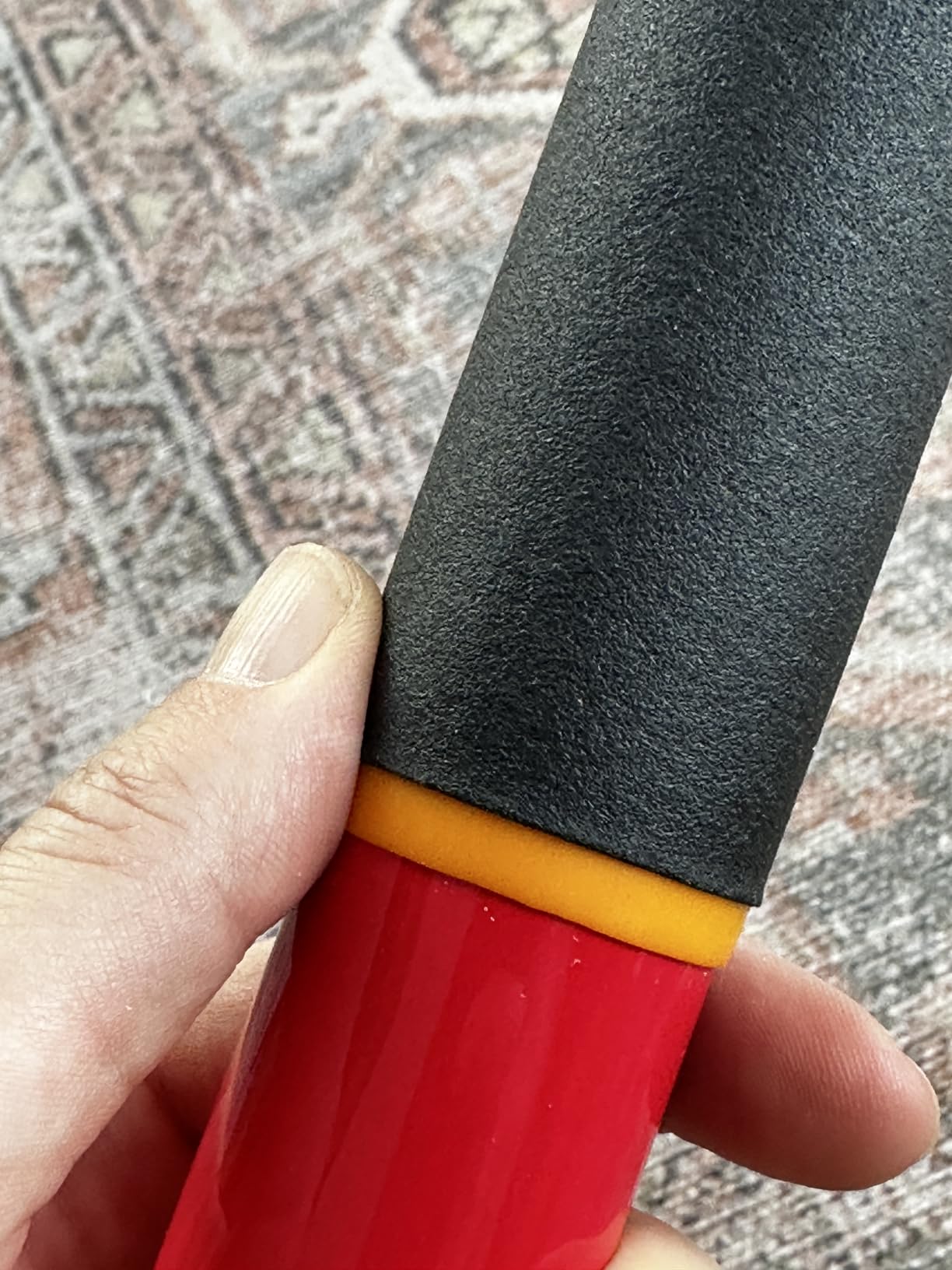
The head is 10-gauge US steel with 11 inch tines, welded to a crossbar, with 42.5 inch detachable fiberglass handles. Those handles are not plain tubes. There is a steel encasement around the fiberglass plus a reinforcing wood core, and the whole shaft carries a polyester veil coating specifically to stop splintering, which matters when you are gripping wet handles at full leverage.
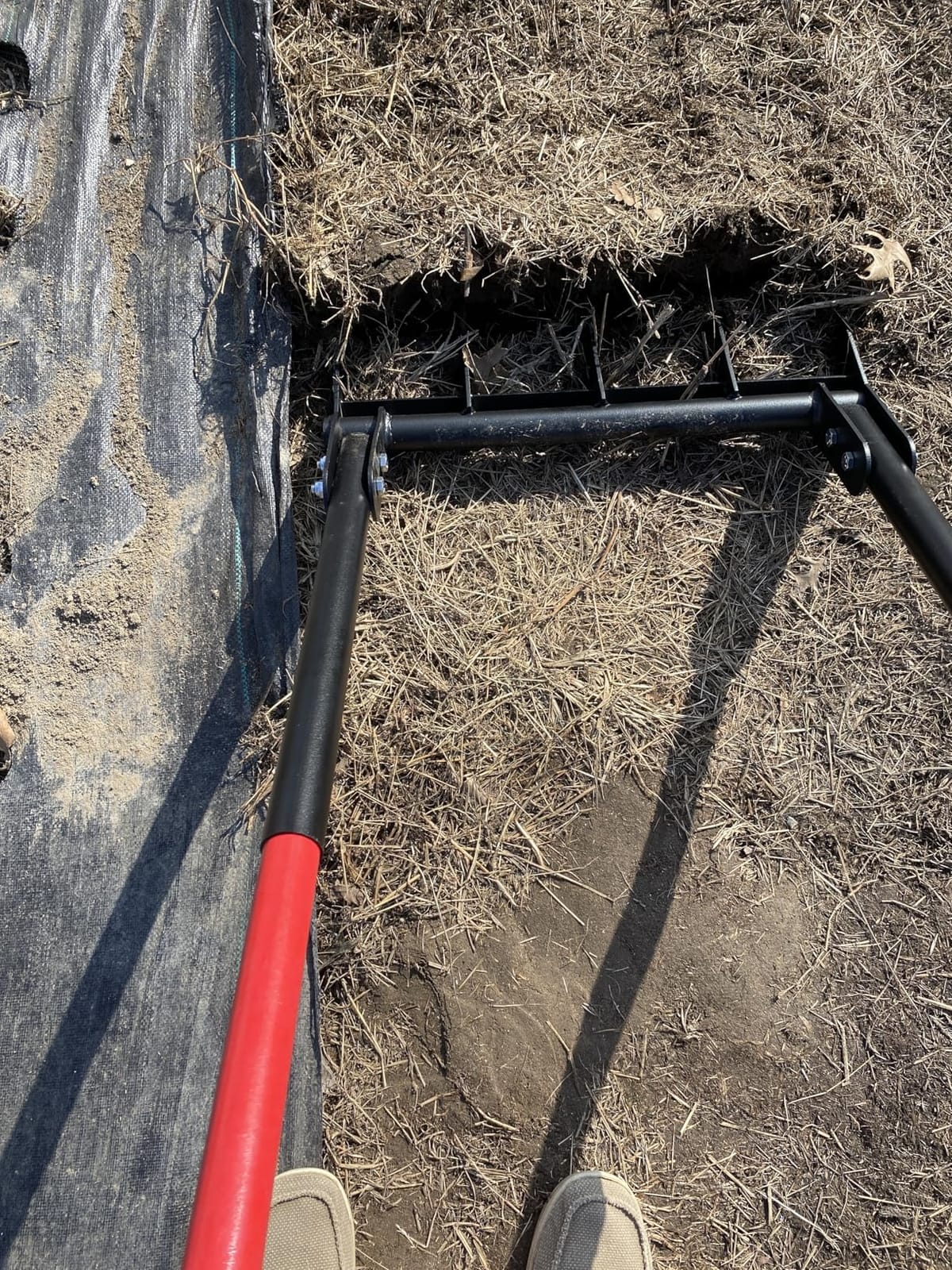
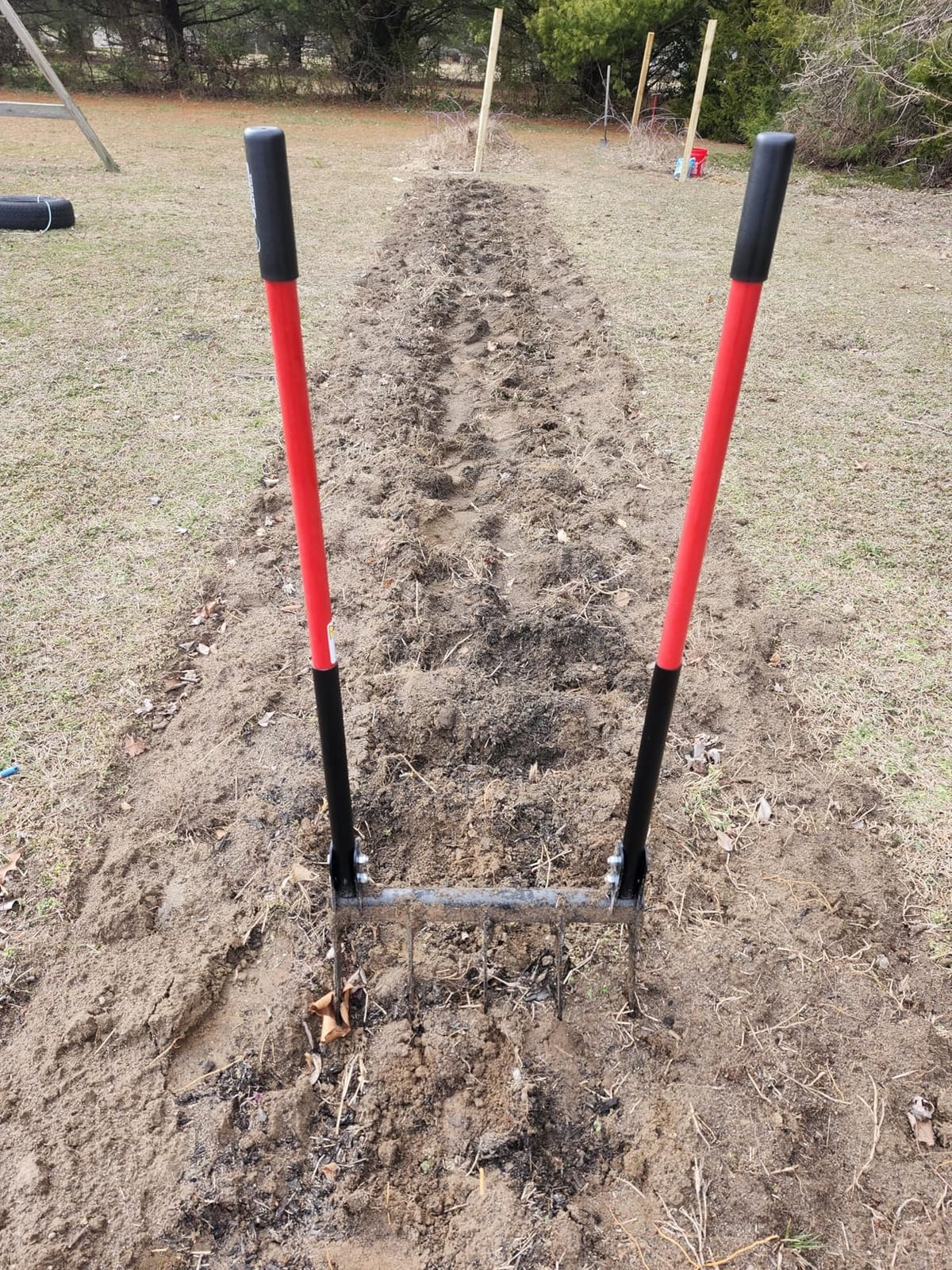
What it did in our clay was the thing that sealed the recommendation. Owners across 628 reviews consistently report the tines and tine bar never bent despite heavy clay and rocks, and that the fork loosens to full tine depth where a small electric tiller stalls at three inches. Multiple reviewers with back or knee problems say the body-weight motion makes it usable for them, because you never have to lift a load of dirt.
It also handles the no-till argument better than any competitor here. Aerating without pulverizing means you are not creating the hard pan a rototiller leaves at the depth where its tines stop. One owner told us the earthworm count in his beds visibly rose the season after he switched. The detachable handles also mean it lives on a wall hook rather than in a corner taking up a tiller’s worth of space.
What to check before you buy it
Check the handle bolts. This is the single most repeated complaint in the reviews, and it is a real one: the bolts where the handles meet the U-bar loosen over time and produce a wobble at full lever. Several owners shim or weld the joint themselves. The counter-advice that comes with it is equally consistent: do not crank the bolts down brutally, because the same fasteners can shear if over-torqued.
Also decide what this tool is for before you buy it. It is built for aeration and loosening, not for levering out stumps, prying roots, or dragging out boulders. The manufacturer is direct about that, and reviewers who tried to power through immovable obstacles bent or separated the tines from the bar.
Who should pick something else
If you work new ground with stony clay, this is the wrong class of tool. Ten-gauge steel bends if you make it a pry bar against a fixed rock, and the reviews are full of people who learned that the hard way. Look at the fully welded all-steel models in positions three and ten instead.
Pick a different fork if you only have a balcony planter or one short raised bed. Five tines at 11 inch is generous for a 4 foot bed, and you will do more with the tool hanging on a hook than lugging it around a corner. If your beds are wide, the 9-tine option covers more ground per stroke.
2. VEVOR 5-Tine Broad Fork, Best Value
VEVOR Broad Fork, 5-Tine Pitchfork with Dual Fiberglass Handles, Heavy Duty Garden Fork, Ergonomic U-Shaped Design Broadfork Hand Tiller, Gardening Tool for Composting Transplanting Aeration
Forged steel head with fiberglass handles
54 inch total length
13.67 pounds
Model FT117-5
Pros
- Reinforced joint targets the wobble problem directly
- Forged head balances durability and weight
- 54 inch length reduces bending
- Detachable for storage
Cons
- Fork head is bolt-joined to the handles
- Fiberglass is less rigid than solid steel or hardwood
The VEVOR is the interesting pick in the middle of this group because it was designed around the exact failure everyone else reports. Instead of a plain bolted junction, the fork head connection is reinforced, and buyers consistently name that as the reason the tool does not wobble. At 4.6 across 258 reviews it holds its own against forks costing considerably more.
Construction is an integrated forged head with fiberglass handles and an ergonomic U-shaped dual handle layout. Total length is 54 inches, which reviewers who are older or want to avoid stooping over the bed call out as comfortable, and the detachable head-and-handle split means the whole thing fits on a wall shelf or in a corner of the shed.
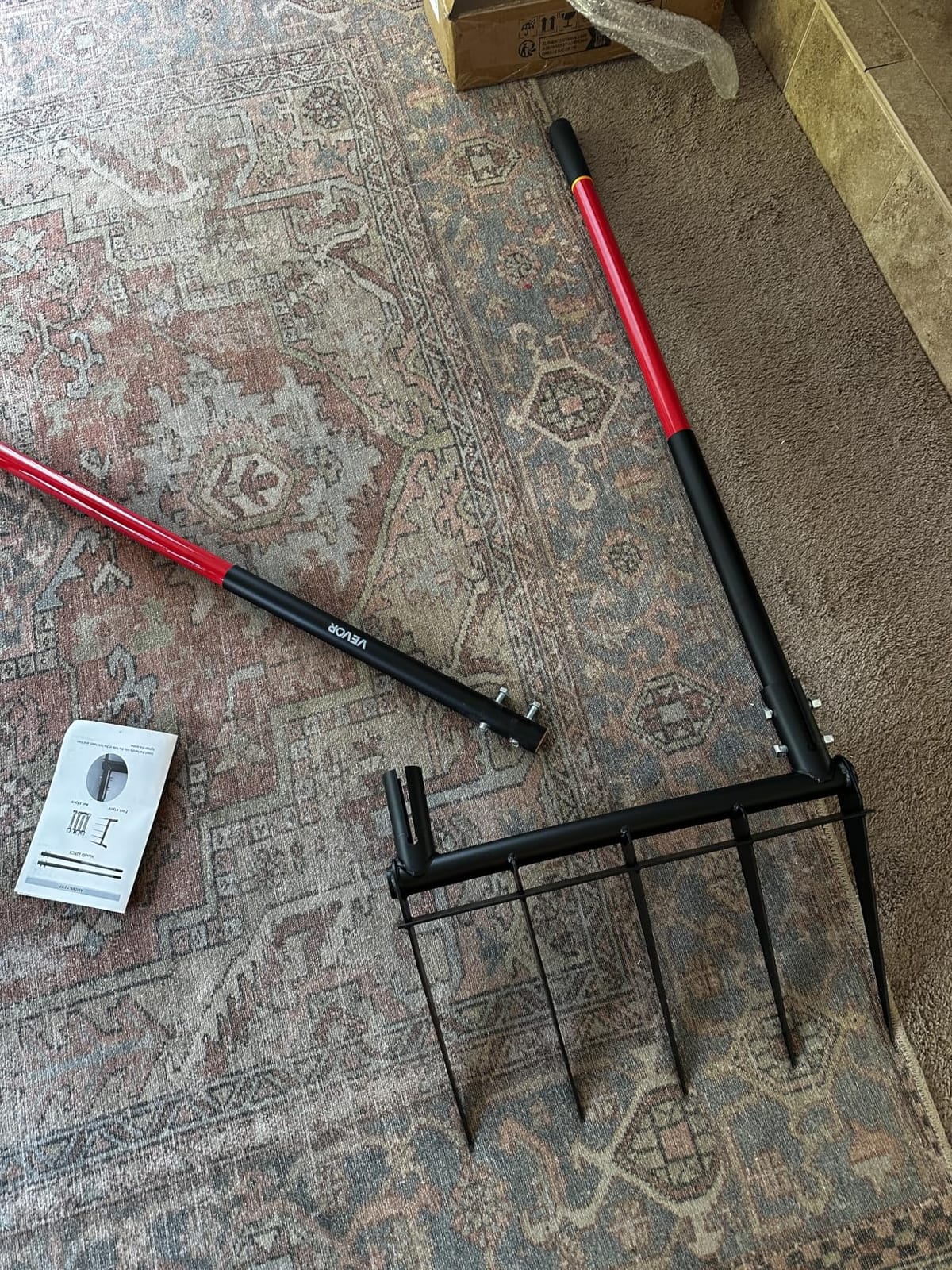
The forked head is a genuine wear-resistance upgrade over stamped plate, and the reinforced joint is what keeps the tool honest in a season of clay. One verified buyer reported that the VEVOR also sold a 4-tine and an 18-tine variant from the same family, so if your bed is unusually narrow or you move a lot of compost, the range of tine counts is wider than anything else here.
It works as a potato fork, a bedding fork, a compost turner, and a general aerator, which makes it the most versatile tool in the list for someone who does not want a dedicated implement for every job. We used it for both bed prep and lifting halved compost, and it did both without complaint.
What to check before you buy it
The joint is reinforced, but it is still a bolt joint. A handful of reviewers note that the fork head is attached to the handles rather than fully welded, which makes it a potential weak point if you load it hard in very stiff clay, and the fiberglass handles have less rigidity than solid steel or hardwood. If you are breaking new ground daily, that is worth thinking about.
Then measure your clearance. At 54 inches of total length, you need room behind the bed to step back and pull. In a narrow alley garden between two fences the lever stroke gets cramped, and the tool feels much heavier than its 13.67 pounds.
Who should pick something else
Skip this one if you expect to hit bedrock or large stones on a regular basis, and skip it if you are converting whole new ground rather than maintaining established beds. The design is a maintenance and aeration tool and it is at its best doing exactly that in beds that already have structure.
Choose the 9-tine model instead if you are working long beds and want fewer passes. Five tines at this width is a good balance for typical raised beds, but on a wide plot the coverage math starts to work against you.
3. Meadow Creature BF-12 All Steel, Best for Heavy Clay
Meadow Creature’s All Steel Broadfork: The Peoples Broadfork ,12 tines Green BF-12 BF-12
Fully welded all-steel construction
12 tines at 12 inch depth
15 pounds
Lifetime warranty
Pros
- Fully welded build with no bolts to loosen
- Rips heavy clay and feeder roots
- Quiet and simple with no cords or fuel
- Lifetime warranty from a US maker
Cons
- 15 pounds is a real workout
- Needs rocking on the crossbar to bite
- Not efficient for tilling a whole yard
The BF-12 is the fork that changes your mind about welded construction. There are no bolts at the working joints at all, which removes the single failure mode that shows up in reviews of nearly every other fork on this list. The head and tines are fully welded alloy steel, made in the USA, and it carries a lifetime warranty.
It is also the widest of the welds here: 12 tines at 12 inch depth, on a tool weighing 15 pounds. That combination is why owners in the reviews describe it as a one-pass tool. One buyer removed 6 to 9 inches of heavy solid clay in about two hours and then sold an electric tiller. Another reported pulling up chunks of large old oak root that would have snapped the tines on a lighter tool.
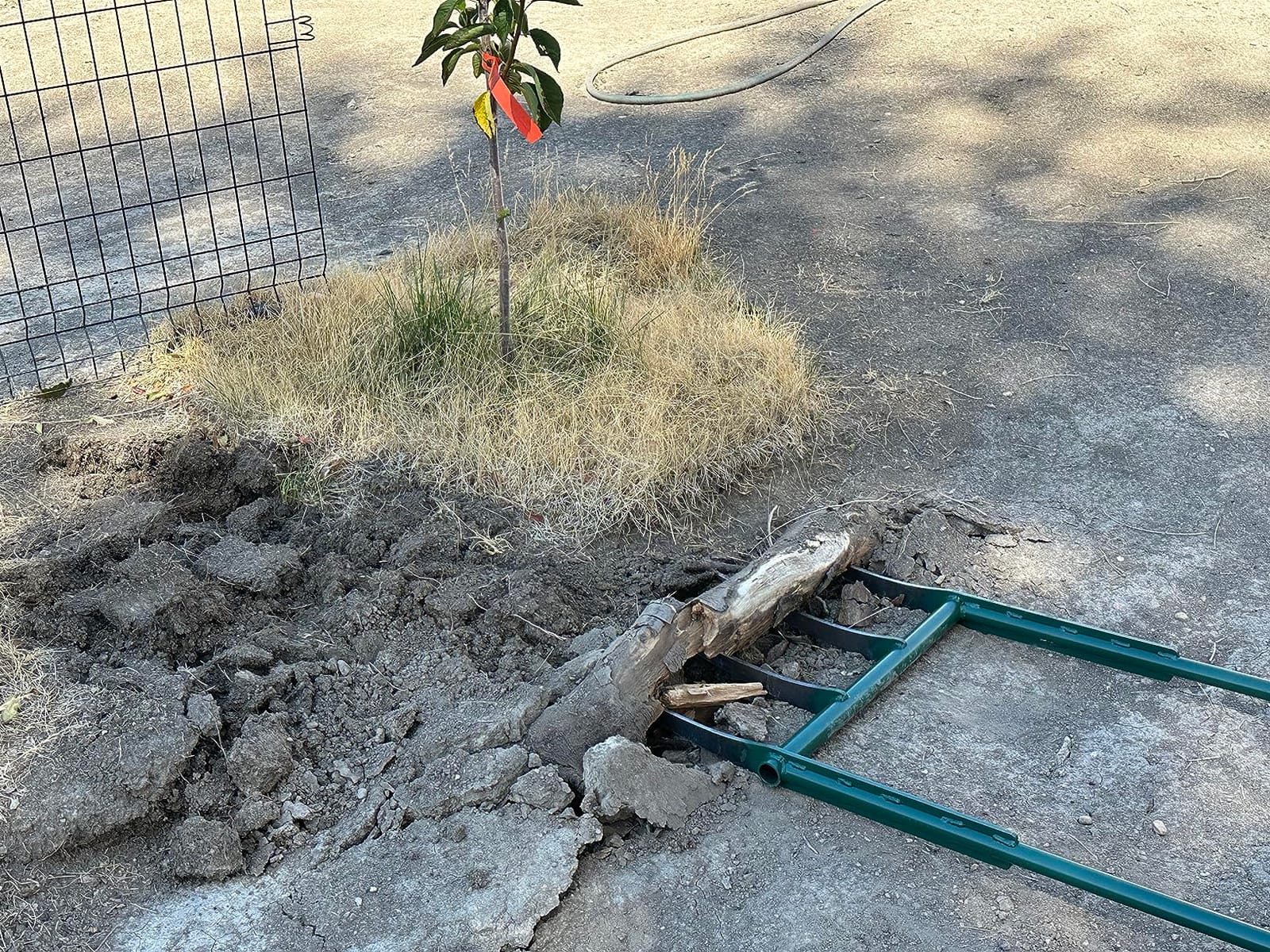
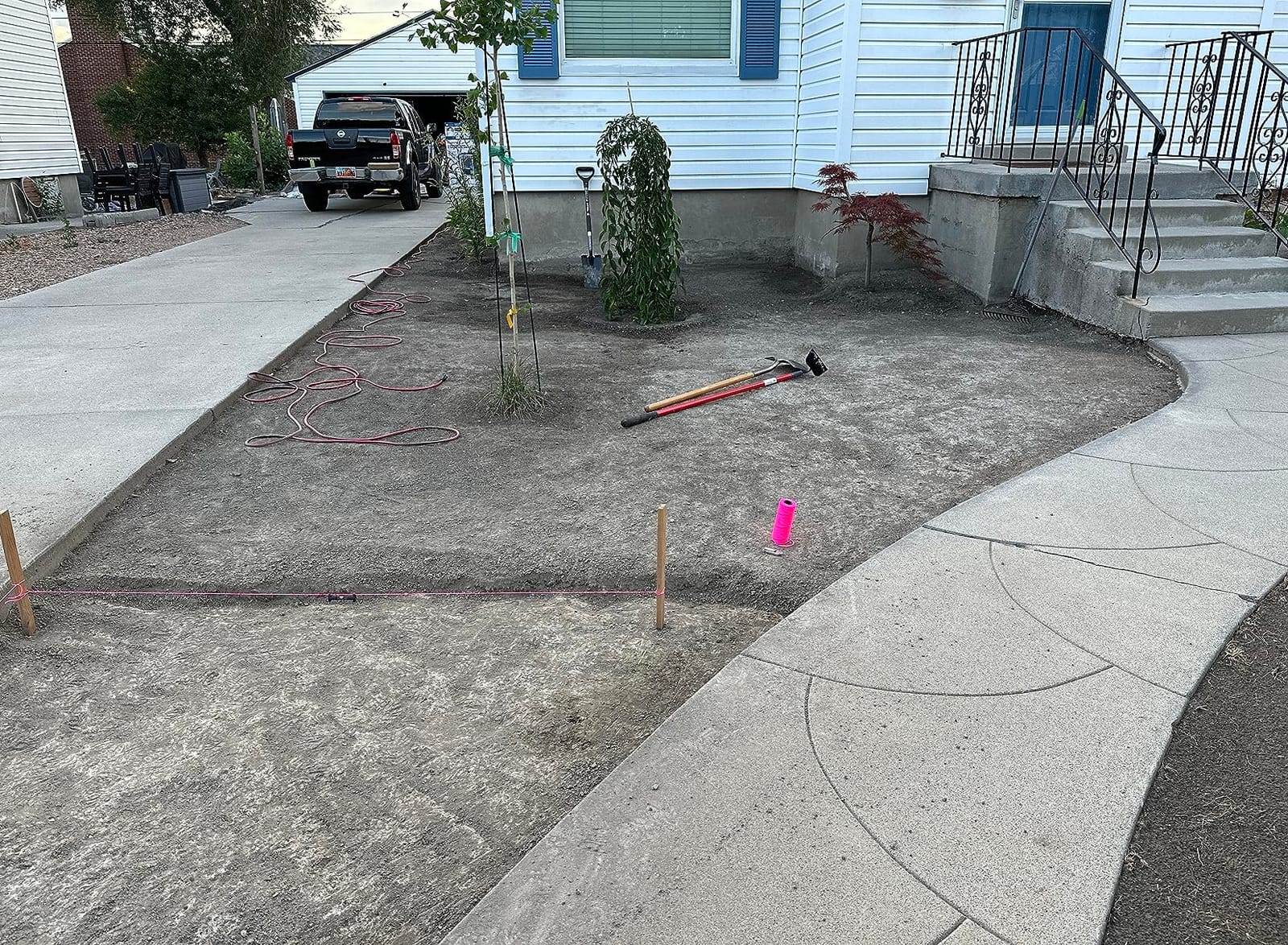
The 4.8 average across 92 reviews comes with almost no negative ratings, and the reviews read like a lifetime-purchase justification. Solid clay is the soil most often named, particularly the heavy Denver and New England varieties, and the guidance is consistent: work it when it is damp, not soggy, and let the bed rest a day or two before pulling weeds so the structure can settle.
There is also a practical quiet advantage. No cord, no fuel, no engine stall, and no noise complaints from neighbors. On a school garden or a small market plot where the tool comes out daily, that simplicity shows up in the comments as often as the steel does.
What to check before you buy it
Weight, honestly, and the technique. At 15 pounds, owners work in short bursts and take breaks, and the tool needs to be rocked back and forth on the crossbar to get the tines into the ground. Both of those are normal for a 12-tine steel tool, but neither is a surprise you want on day one.
Check the scope of the job too. Reviewers are clear that this is a bed and compacted-patch tool, not a whole-yard tool. Trying to cover a large lawn area with a 12 tine fork is a very different afternoon from working four raised beds.
Who should pick something else
Do not buy this if you are new to broadforking, if you have back or shoulder issues, or if you want a tool you can carry between beds easily. This is a full-body implement for someone who is prepared to stand on the crossbar and lean into it.
If twelve inches of depth is more than your soil needs, the tall fourteen inch version is the more specialized tool, and the position-one pick is far lighter. Choose the BF-12 when depth and joint strength matter more than carrying weight.
4. Walensee 9-Tine Broadfork, Best for Wide Bed Coverage
Walensee Broadfork Garden Tool, 9 Tines Heavy Duty Broad Fork Hand Tiller, 2-in-1 Garden Pitchfork with Ergonomic U-Shaped Handle, Spading Digging Fork for Gardening, Cultivating
9 hardened tines reaching 9.1 inches
38.2 inch U-shaped handle
9.5 inch step plate
15.97 pounds
Pros
- Nine tines cover the most bed per pass
- Handle rated to 165.4 lbs without deforming
- Generous step plate gives real leverage
- Handles digging and root crop harvest
Cons
- Depth drops to 5.9 inches in compacted soil
- Manufacturer warns against buried branches and rocks
- Tines need cleaning after use
Coverage is the argument for the Walensee, and it is a simple one. Nine hardened tines means fewer strokes across the same bed than any five-tine fork here, and on a long plot that difference is the whole session. The 38.2 inch U-shaped handle is rated to withstand 165.4 lbs of pressure without deforming, which puts it among the stiffer handles in this group.
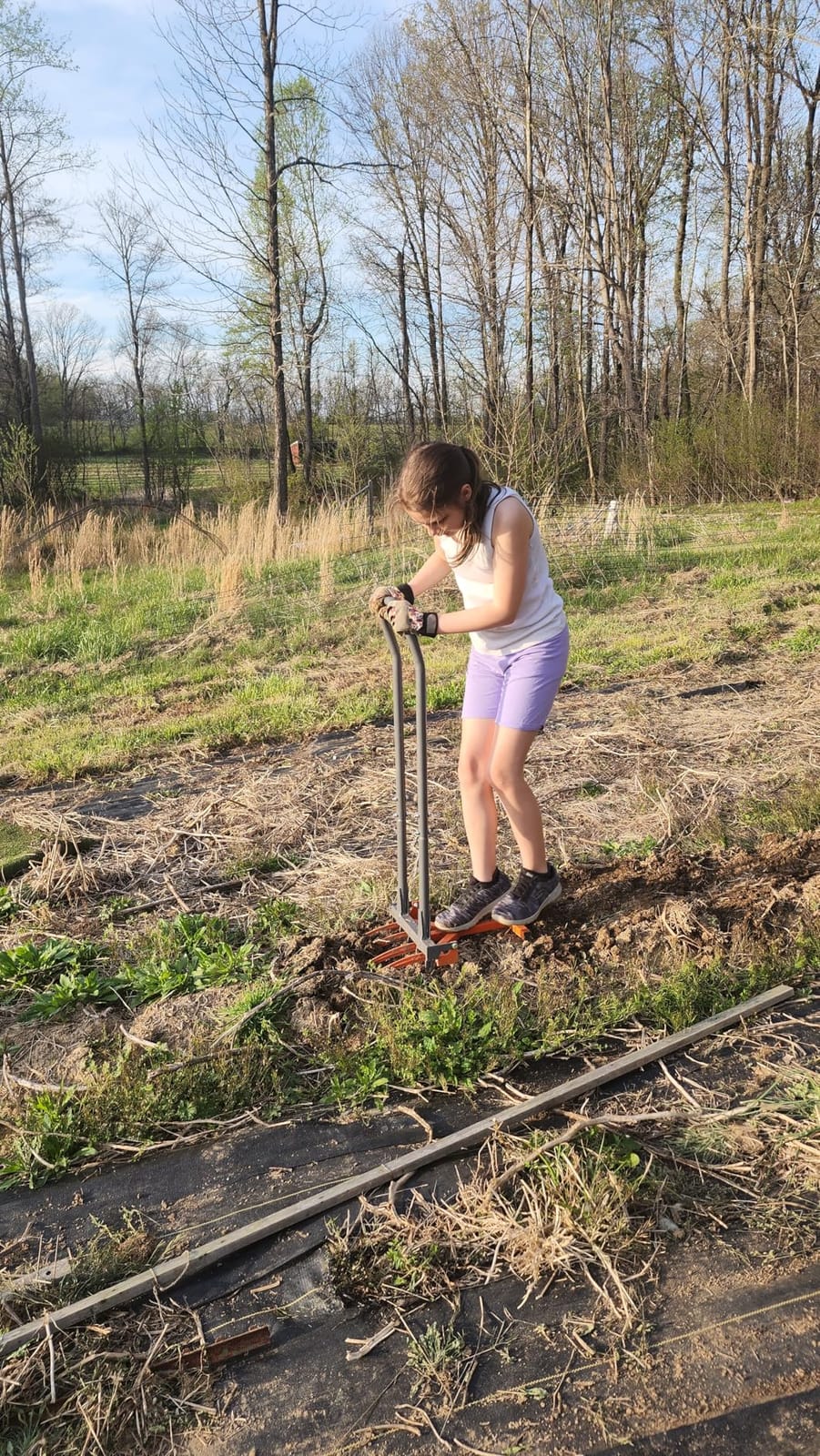
The step plate is the other story. At 9.5 inches of foot space, it takes any shoe size and gives you somewhere solid to stand when you drive the tines in. In practice that is the difference between the tool going in on the first attempt and the tool bouncing off compacted ground.
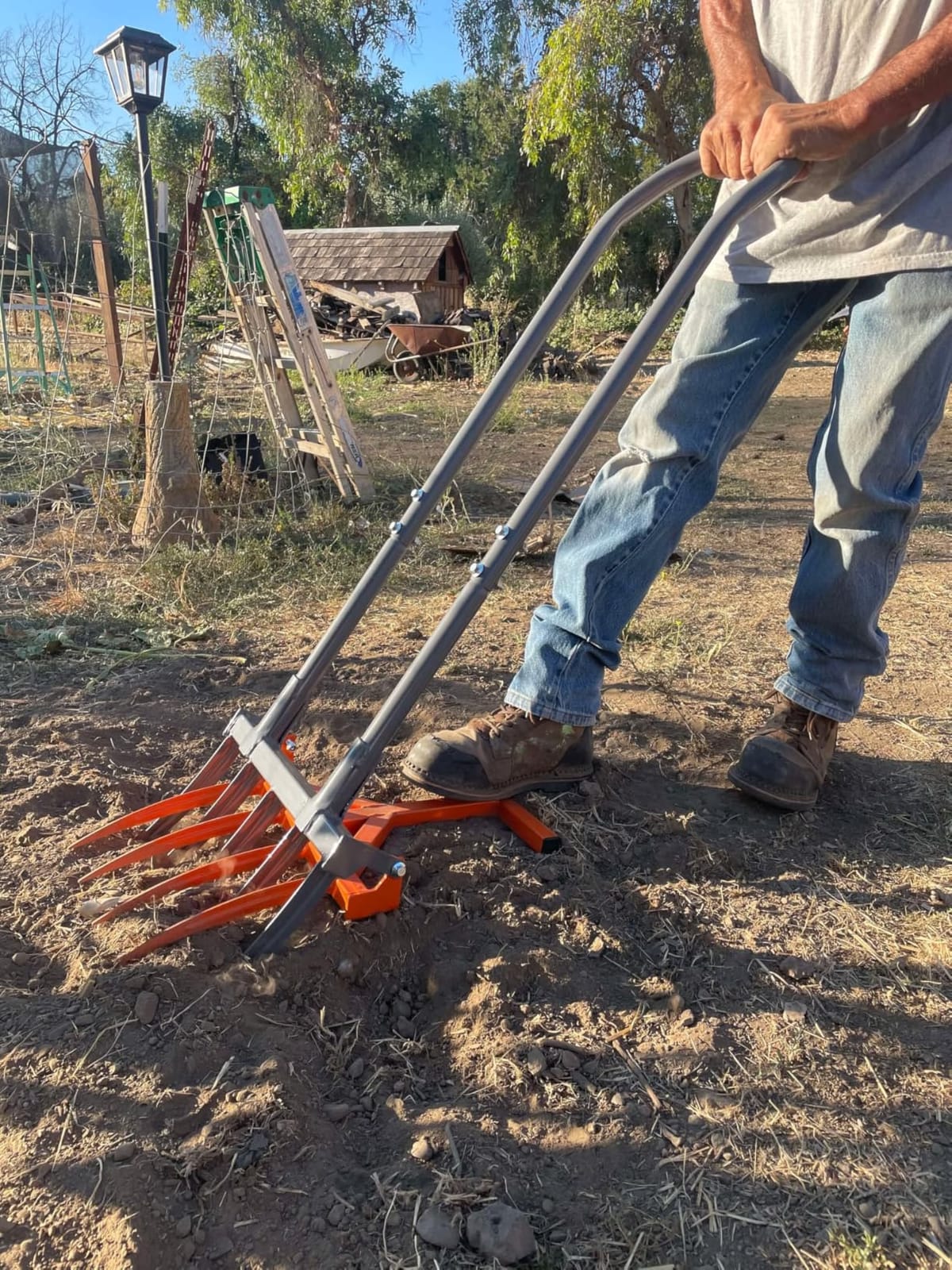
It is also a genuinely multi-purpose tool. The reviews use it for digging, aerating, and lifting potatoes and carrots out of the ground, and all-steel construction with spray-molded tines means it does not care which job you point it at. A 4.4 average from 94 reviews shows a wider spread than the premium forks, and about 69 percent of ratings are five star.
The design intent is clear from the numbers. The manufacturer rates the tines at 9.1 inches into loose soil, and separately states a recommended depth of 5.9 inches on compacted ground. That second figure is the honest one for a new bed, and knowing it in advance saves you a lot of frustration.
What to check before you buy it
Do not plan on 9 inches in a packed bed. The realistic figure in compacted soil is closer to 6 inches, and if you have been comparing specifications across listings that is where most disappointment comes from. If your soil is already loose, the 9.1 inch figure is accurate.
Also survey the ground. The manufacturer explicitly advises against use where there are thick branches or rocks in the soil, and at nearly 16 pounds this is not a tool you can reposition easily mid-stroke. Clean soil residue off the tines after each session to protect the coating.
Who should pick something else
Pick something lighter if you are working small raised beds you cannot walk around, or if carrying the tool a distance is part of your day. Nine tines is a lot of steel for a two-foot-wide planter box.
Choose a welded model if the ground is genuinely stony. Broad coverage matters more than joint strength in loose ground, but on new ground full of old roots the welded forks in positions three and ten hold up better.
5. CobraHead Broadfork, Best for Lifting Soil Instead of Slicing It
CobraHead® Broadfork – Heavy Duty Ergonomic Garden Hand Tool – USA Made
Round 1045 carbon steel tines mounted through the crossbar
Ash hardwood handles
21 inch width
14 pounds
Pros
- Round tines lift soil rather than slicing it
- Works in heavy clay that stops lighter tools
- Carbon steel head and strong ash handles
- Aerates around existing roots without tearing mulch
Cons
- 14 pounds is heavy for some users
- Tedious over long sessions
- Tines can arrive protruding from the box
The CobraHead is the traditional European design, and its defining choice is the round tine. Instead of a flat blade that slices through soil, the round profile penetrates and lifts, which is the gentlest action on structure of anything in this roundup. On a no-till bed with living roots and an intact mulch layer, that matters.
The 1045 carbon steel tines are mounted through the crossbar rather than welded onto it, and that mounting is claimed to be stronger than a surface mount. The handles are quality ash hardwood, slightly flexible so they absorb shock rather than snapping, and individually replaceable if they ever wear out, which no other fork in this list offers.
Owners using it for no-till work report noticeably more earthworm activity in beds worked this way, and praise the way it lifts and aerates around existing plant roots without tearing up the mulch. It also handles root crop harvest, lifting carrots and potatoes on the same pass that breaks the bed.
The catch is the size of the owner community behind it. At 4.6 from 29 reviews, this is the thinnest evidence base among the top picks, and the reviews are committed owners describing a tool they expect to keep, not a broad sample of long-term durability. One reviewer reported thin, poor-quality ash handles and unhelpful support when asking for replacements, so handle quality is worth confirming on arrival.
What to check before you buy it
Expect a two-handed, physical tool. At 14 pounds with a full-length European U-shape, some users need a partner to work it, and reviewers describe extended use as monotonous. This is a bed tool for a fit gardener, not a casual implement.
Check the packaging on arrival. A recurring complaint is that the tines arrive protruding from the box because the packing is insufficient, so inspect the tips before you store the tool, and check the tine ends for any transit damage.
Who should pick something else
Skip it if you want the lightest steel fork for lifting, because the Bully at 11.8 pounds is noticeably easier to move between beds. Choose it instead when you need the round tine geometry specifically, in beds full of established perennials where you cannot pull everything out first.
If you plan to work whole new plots with heavy root mats, the welded all-steel forks are the more confident choice. This one is at its best in maintained beds with soil that needs lifting and loosening rather than being torn open.
6. SENVERT 5-Tine Broadfork, Best for Loam and Regular Bed Work
Senvert BroadFork Garden Tool, Heavy Duty 5-Tine Broad Fork Hand Tiller, Garden Pitchfork with Ergonomic U-Shaped Handle, Digging Fork for Gardening, Cultivating
5 heat-treated ribbed tines
Welded dual-row tine connection
19.5 inch working width
54 inch height
Pros
- Ribbed heat-treated tines resist bending
- Welded tine connection plus base rib
- 19.5 inch width covers ground quickly
- Angled upper handle keeps hands natural
Cons
- Thinnest review base of the mid-priced group
- Some three-star ratings hint at inconsistency
- Handles are still bolt-attached
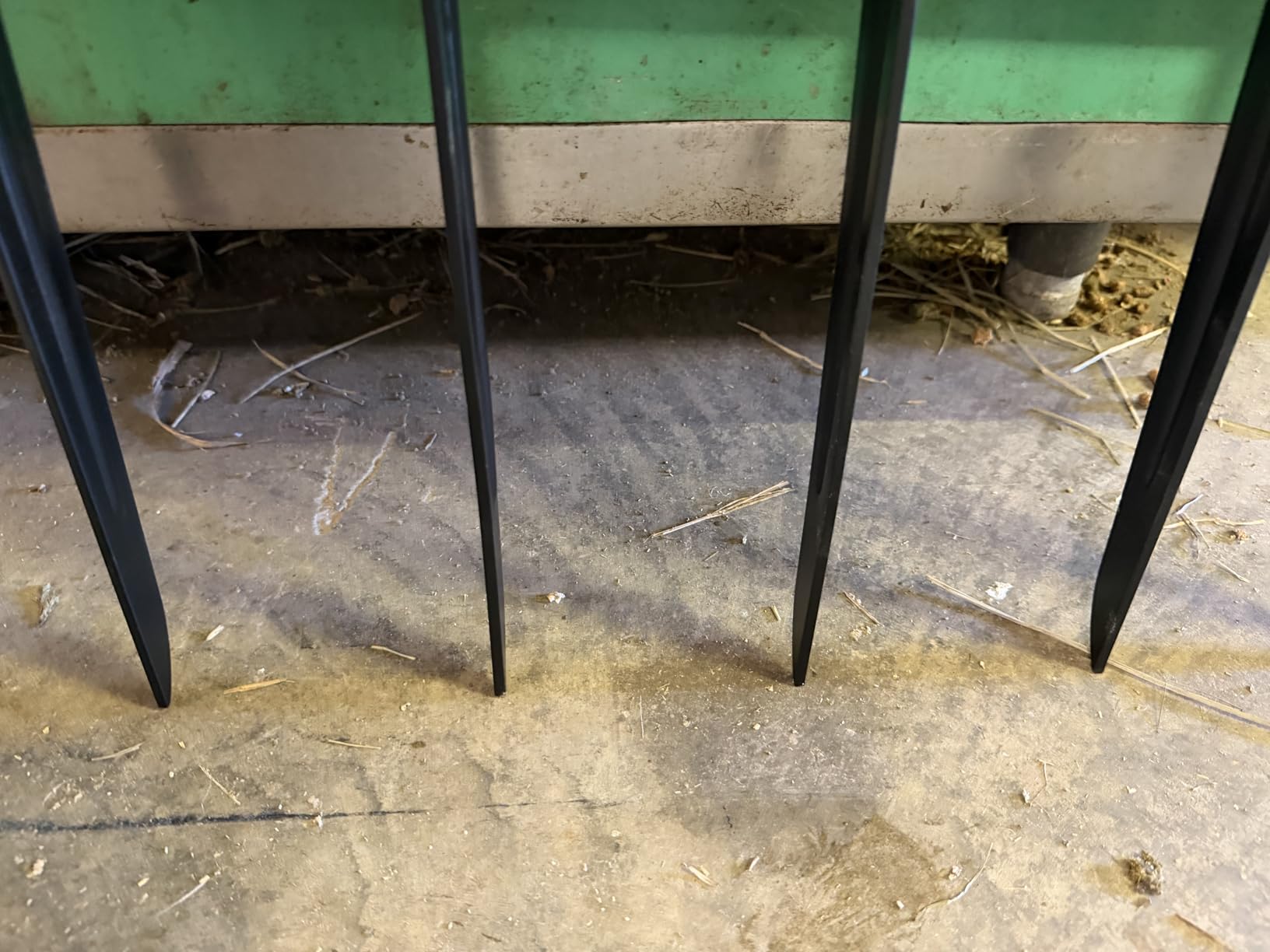
The SENVERT is the option for beds that are already in decent shape. Its five hardened tines span 19.5 inches of working width and carry reinforcing ribs, which is the specific detail that makes them among the least bend-prone tines at this level of the market. For annual bed prep in loam or sandy ground, that is exactly the durability you need and nothing more.
The construction thinking is good for the price. A welded dual-row tine connection spreads the load where a single row would concentrate it, and a structural rib at the handle base handles the heaviest part of the cycle, which is the moment you rock the tool back and the whole frame sees your body weight.
The handle is a U shape with a forward-angled upper section that keeps hands in a natural position, and at 54 inches tall it works for most gardeners without stooping. The tool also covers the harvest side, working potatoes and carrots out of loosened ground.
At 4.5 across 46 reviews with about 75 percent five star, this is well liked with no heavily negative feedback. The real limitation is the size of the evidence. Forty-six reviews is the thinnest base of the mid-priced forks, so long-term durability is documented mainly by early owners, and the small share of three-star ratings suggests occasional build or tine inconsistency.
What to check before you buy it
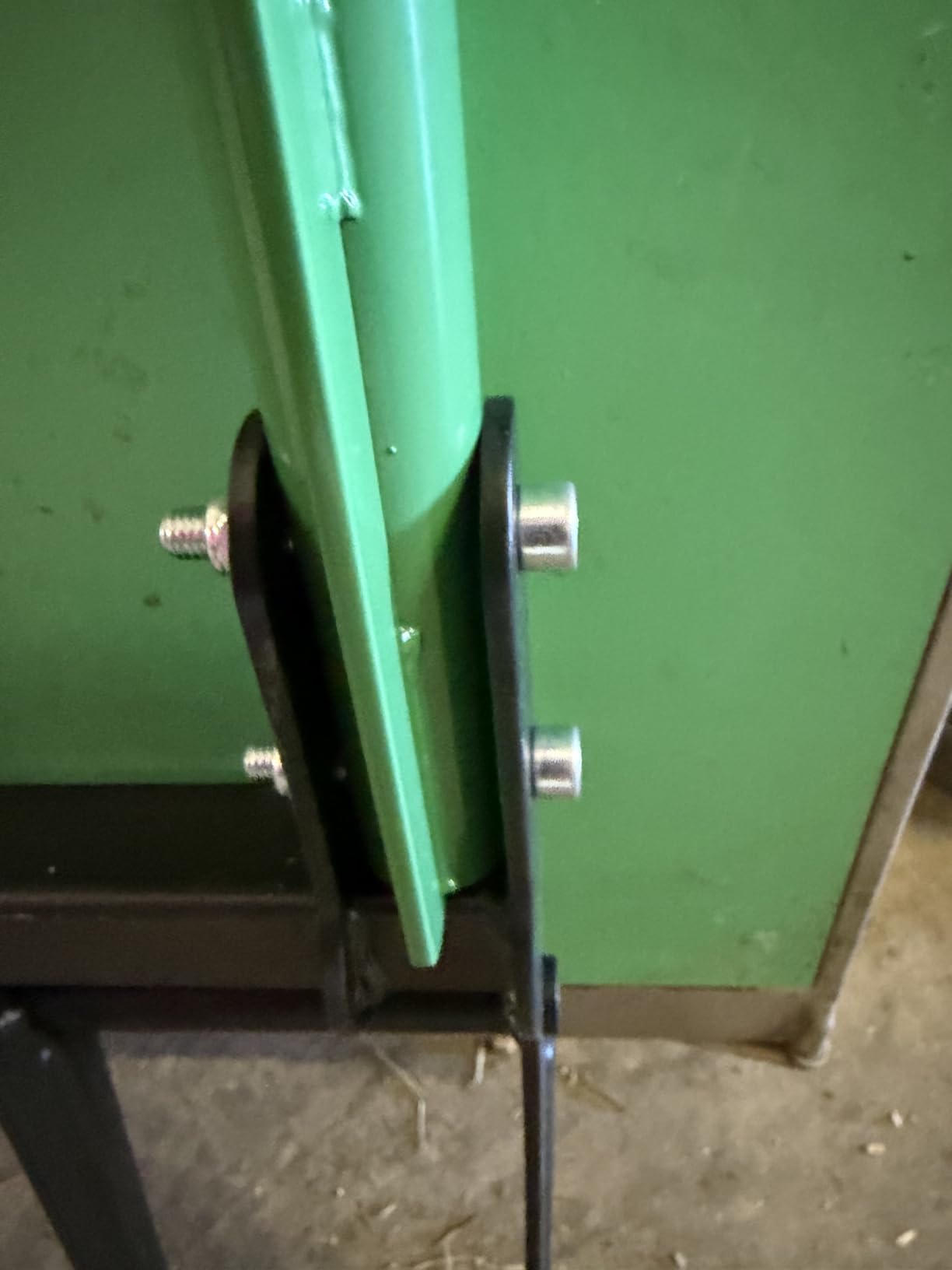
Understand that the handles are bolt-attached, since that is the failure point owners flag most often in this class of tool. Check the handle bolts for movement after the first few sessions so you catch any loosening early rather than mid-season.
Match it to your soil. The ribbed tines are a strong choice in loam and sand, but if you are opening packed clay or new ground, you want more tines or a fully welded head to carry the load.
Who should pick something else
Pick a heavier fork if you regularly hit compaction. This is a maintenance tool for a bed that is aerated most seasons, not a breaker for ground that has never been worked. If you want evidence of long-term ownership before committing, the welded forks carry much larger review bases.
Choose the 9-tine fork if coverage per pass matters more than weight. And if you are very short on height, the adjustable model lets you set the tool lower instead of guessing at 54 inches.
7. SILKPE Cambered 11-Inch Broadfork, Best for Thick Tines
SILKPE 56” Heavy Duty Broadfork for All the Soils, Detachable Design Pitchfork, 5 Sharp and Cambered 11” Tines Bord Fork Garden Tool, Ergonomic Handles, Good Package, Easy Assembly, Blue.
5 cambered 11 inch tines cut from one steel plate
56 inch tool
Inward-folded handle ends
17.56 pounds
Pros
- Tines 30 to 50 percent thicker than competing products
- Single plate tines welded through the pipes
- Longer lever throw means less force per pull
- Cover and reinforced packaging included
Cons
- Heaviest listed weight in the roundup
- Manufacturer says more strength is required to use it
- Bolted rather than fully welded
- Weakest performance in very hard rocky ground
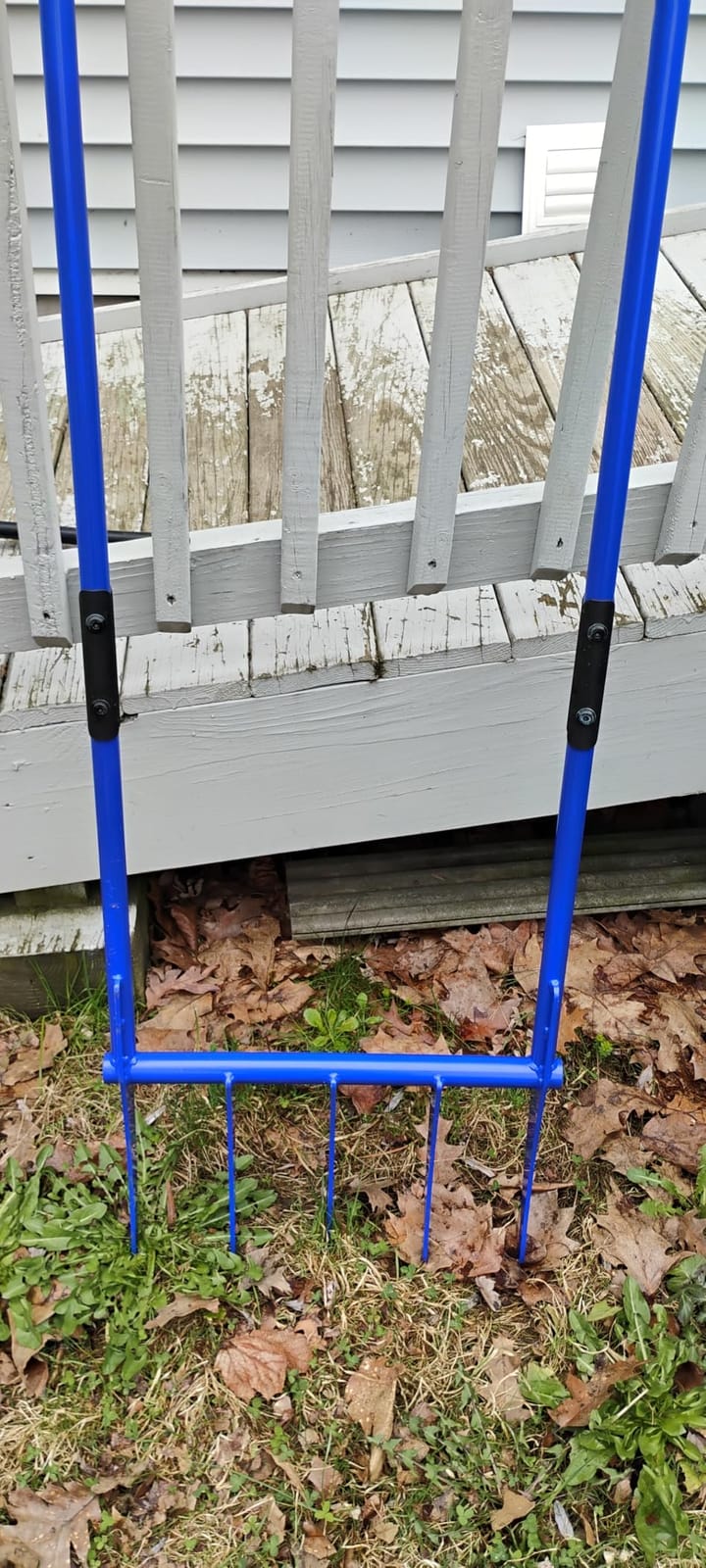
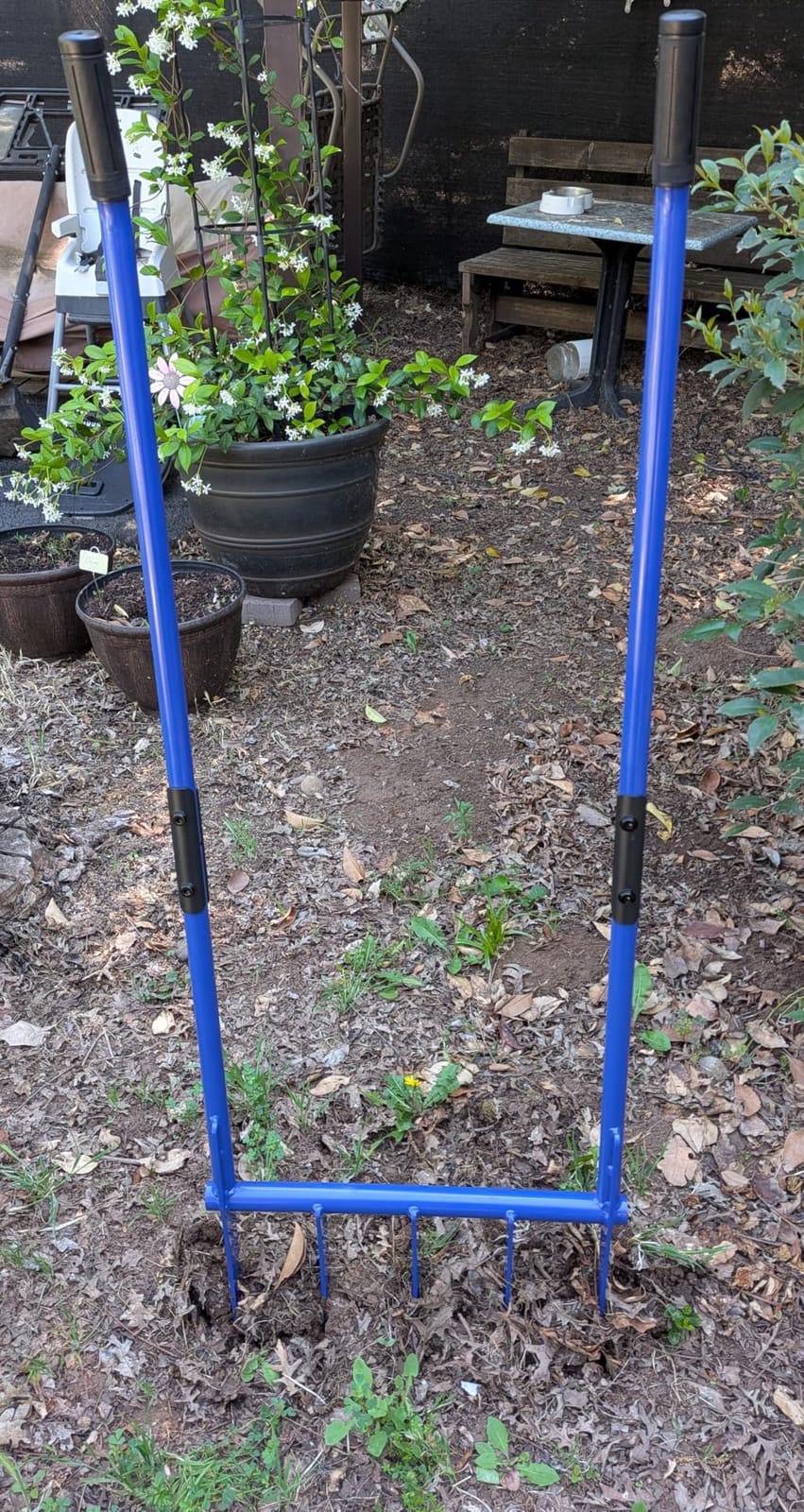
Thickness is the pitch here, and it is a real one. The five cambered 11 inch tines are cut from a single steel plate and run 30 to 50 percent thicker than competing products, then drilled and welded through the cross and vertical pipes so there is no gap in the joint. Cambered means arc-shaped, and the arc is what helps the tips track down through compacted and clay ground instead of catching on the way in.
The handle design is worth noting too. Inward-folded ends increase the pulling distance, which is a straightforward lever advantage and means less force per stroke. Rubber sleeve grips sit at the ends where the load concentrates, and the assembly is four screws with wrenches included, taking about three minutes.
Buyers generally confirm the description, and they like the details that nobody else bothers with. A protective cover and reinforced packaging protect the tines and tubes in transit and store safely, which addresses the transit damage and open pipe end problems that show up repeatedly in reviews of other forks.
The 4.3 average from 47 reviews is the lowest of the five-tine options, and the split is instructive. Praise is about tine thickness and the seamless joint. Criticism is almost entirely about weight and about performance in the hardest ground, with the highest share of one-star ratings in this roundup. The 17.56 pound figure is the heaviest listed weight of any fork here, and the manufacturer says outright that the thicker steel requires more strength to operate.
What to check before you buy it
Be honest about the strength requirement. This is a heavy tool that expects to be stood on and leaned into, and if that is not how you use a broadfork, the extra steel is just extra weight to carry. The bolted assembly is also a departure from the fully welded builds, and the same handle-joint loosening can appear here over years.
Test the ground first. Despite the all soils framing, some owners report it struggling in very hard or rocky conditions, and a thick tine is still a tine that can be bent if you make it a lever against a fixed stone.
Who should pick something else
Pick a lighter fork if you are working several small beds in one session or if you are not confident with body-weight technique. The editor pick at 11.8 pounds does most of the same work with far less to lift.
Choose a welded all-steel model if the ground is full of roots and stones, because the joint strength matters more than the raw tine thickness in that situation. The SILKPE is a strong choice for heavy, rock-free soil.
8. VASALAID 5-Tine Broadfork, Best for Damp Climates
Broadfork 5-Tine Broad Fork for Gardening Ergonomic U-Shaped Design
Galvanized all-steel construction
5 tempered powder-coated tines
Removable center pole
16.27 pounds
Pros
- Galvanized layer resists rust and corrosion
- Powder-coated tines shed soil
- Holds up in heavy compacted clay when moist
- Mixes amendments without harming worms
Cons
- Bolted tine-to-handle connection
- Some owners describe the tool as wobbly
- Manufacturer advises against roots and moving rocks
The VASALAID is the corrosion play. The whole body is all-steel with an added galvanized layer to prevent rust, and the five tempered, heat-treated tines carry a rust-resistant powder coating that also means very little soil sticks to them. In a wet climate, or anywhere you leave the tool out between sessions, that is a real advantage over bare painted steel.
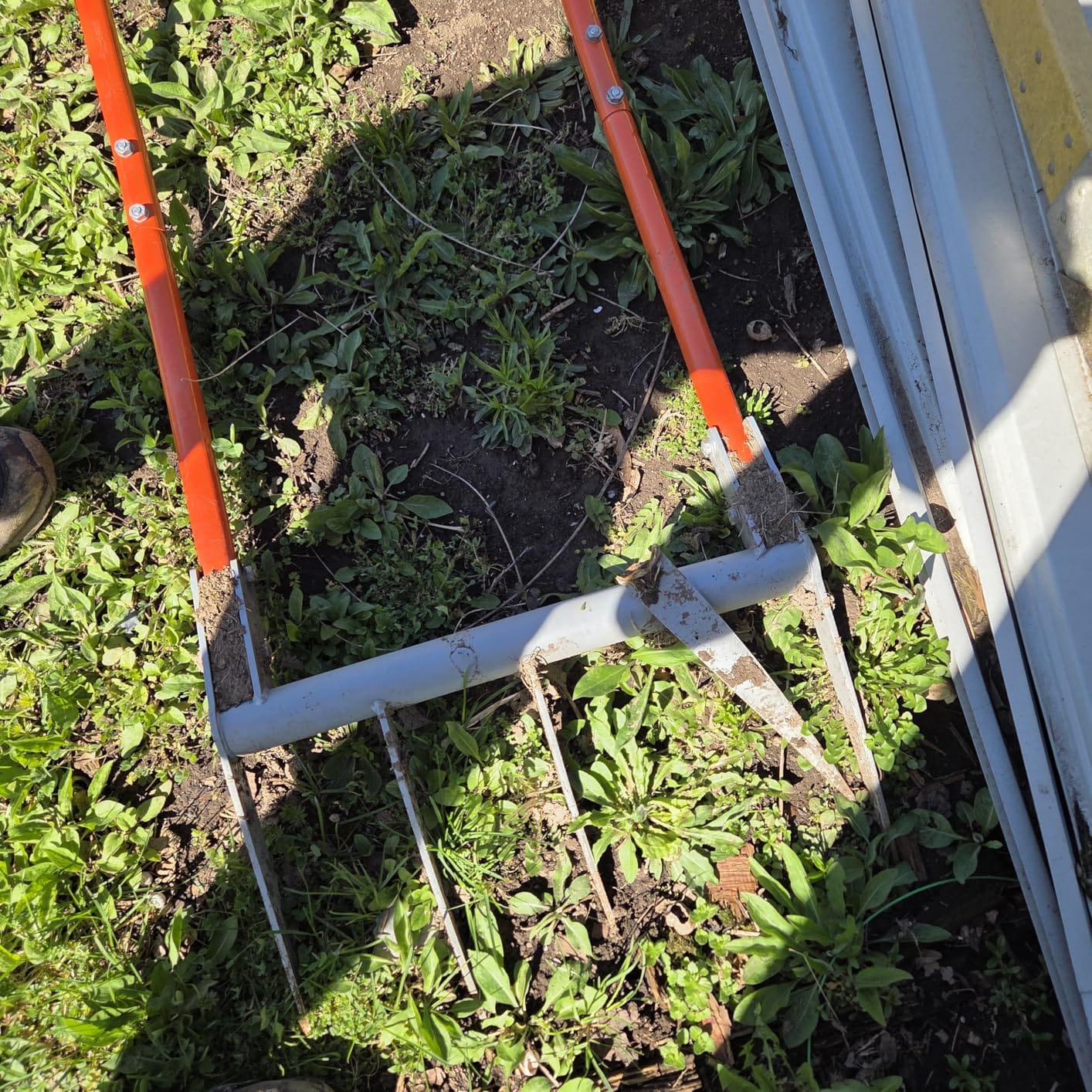
The frame uses high-frequency welding at the joints for the tine plate and a reinforced crossbar between the handles to increase leverage. The removable center pole section is a genuinely good idea for storage, letting the tool break down for a wall or a shelf, and non-slip rubber grips sit on both handles.
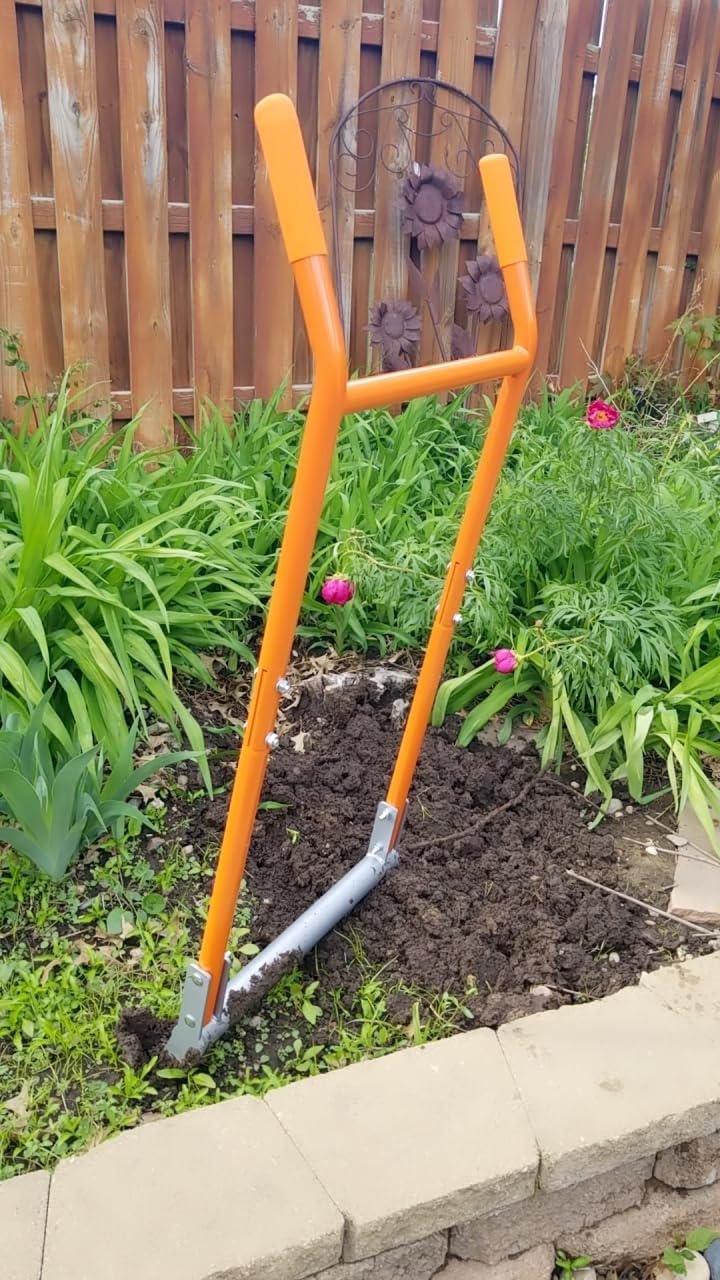
The strongest endorsements come from owners with heavy compacted clay, who report the fork driving three to four inches in with body weight where lesser tools would break, and from no-till gardeners who like the way it mixes in amendments without harming worms and mycorrhizae. It also pulls perennial and clover roots out cleanly once the ground is loosened.
What holds it back is construction at the joint, and it is worth being clear about. Multiple reviewers noticed or suspected that the bolt connection between tines and handles, not the welded tine plate, is the weak point, describing the assembled tool as wobbly and predicting the bolts will eventually snap under prying load. At 4.2 across 61 reviews, including a 10 percent share of one-star ratings, it is the lowest-rated of the five-tine forks here.
What to check before you buy it
Inspect the handle-to-head connection closely on arrival, and check it again after the first hard session. If the bolts have play, tighten them and note the torque rather than forcing them. Also note the manufacturer warning against very hard scenarios like clearing tree roots or moving rocks, because those are exactly the loads that test that joint.
Count the tines against your bed. Some buyers wished for a six-tine version, and at five tines this is a maintenance fork for a typical bed rather than a tool for a wide plot.
Who should pick something else
Skip it for new ground and root-heavy ground where joint failure would be expensive. A fully welded model is the better structure for that work, and the difference shows up in the second and third season.
Choose it instead if rust is your main worry, if you leave tools outdoors, or if you want a tine surface that releases clay instead of holding it. It is a reasonable pick for damp coastal gardens and wet winters.
9. VIOLAPARK Adjustable Broadfork, Best for Mixed Bed Sizes
VIOLAPARK Broadfork, 48/60 in Adjustable 5-Tine Garden Fork for Aeration
Adjustable 48 or 60 inch length
Reinforced manganese steel frame
5 sharp tines
15.97 pounds
Pros
- Only adjustable-length broadfork in this group
- 48 inches suits tight raised beds
- 60 inches adds leverage on deeper soil
- Assembly hardware and tools included
Cons
- About 16 pounds is tiring to carry
- Rubber tip covers arrive damaged and fit poorly
- Sharp tines can strike buried irrigation lines
This is the ergonomic answer. The VIOLAPARK is the only fork in the roundup that changes length, running 48 inches for close work in a raised bed or 60 inches for leverage on deeper open ground. Nobody else on this list lets you fit the tool to your height and your bed at the same time, and that is exactly the gap forum gardeners keep asking about.
The frame is reinforced manganese steel with five sharp tines, and the long dual-handle design is built for stepping, pulling, and lifting with body weight rather than swinging. Owners report the tines are rigid and wide enough that they do not flex like a pitchfork when you pry, and that the long setting reduces lower back strain compared to a standard digging fork or shovel.
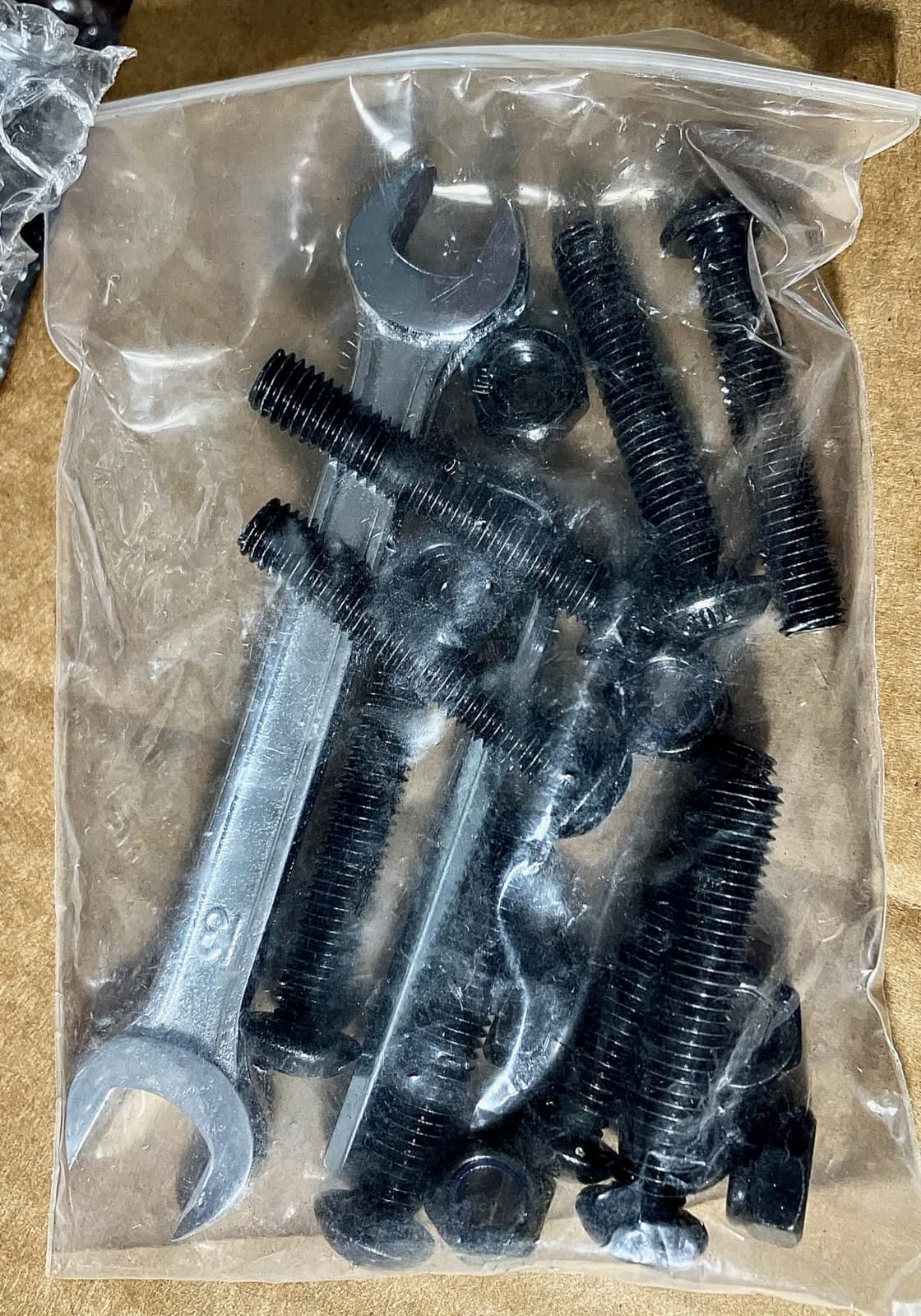
No-till owners report real results from it, breaking up compacted soil in clay loam and improving drainage after rain. The 4.8 average from 22 reviews is enthusiastic, with roughly 86 percent five star, and owners specifically note that the multi-part handles have not loosened or developed play despite that being the usual weak point on adjustable tools. Assembly hardware, an Allen key, and a spanner are in the box.
Two criticisms recur. The rubber tip covers are described as too thin and loose, frequently split or punched off by the tines, so treat them as a minor afterthought. And one owner weighing 200 lbs managed only about 4 inches of penetration in hard clay, calling it unsuitable for compacted ground, which is a fair warning to buy and try before committing to rocky soil.
What to check before you buy it
Know your irrigation layout before you start. These are sharp tines on a long lever, and they will find and strike any buried tubing, cable, or pipe you have forgotten about. Map the lines before the first pass, not after.
Plan around the carry weight. At roughly 16 pounds this is a tiring tool to move across a garden, even though owners also note the weight works in your favor in hard soil. If you are switching between beds at different ends of a plot, that is a daily annoyance.
Who should pick something else
Choose a fixed-length fork if you know your bed and your height already work, because the extra joints in a multi-part handle are joints that could work loose over years. A welded single-piece tool has no such seam.
Pick the fully welded all-steel models for hard clay or new ground. The adjustable length is a brilliant ergonomic feature, but it does not add joint strength, and penetration depth in packed ground is where this tool draws the most criticism.
10. Meadow Creature BF-14 Tall Broadfork, Best for Deep Hardpan
Meadow Creature’s All Steel Broadfork: The Tall Broadfork – 14″
14 inch tine depth
100 percent welded all steel
Tall handle geometry
Green powder-coated finish
Pros
- Deepest tine reach in the roundup
- Fully welded steel built for multiple lifetimes
- One pass opens a growing area
- Handles roots and hard chunks pitchforks cannot
Cons
- Heavy and physically demanding
- Suits taller users better than shorter ones
- One owner wants more width for a 4 foot bed
The BF-14 is the specialist. Fourteen inch tines are the deepest reach in this roundup, and owners report loosening hard soil that far down, opening compacted ground and new plots that nothing else on this list could touch. The wide tine spacing means one pass is enough to prepare a growing area rather than requiring several overlapping strokes.
Construction matches the depth. It is 100 percent welded all-steel, heavily machined at the joints, with a green powder-coated finish, and reviewers expect it to last multiple lifetimes. The consensus in the reviews is that this is the most capable tool of the group, routinely digging up roots and thirty-year-old compacted soil that lighter forks refuse.
The technique advice from owners is worth adopting whichever fork you buy. Once the tines are in the ground, slide the tool backward rather than lifting it, and the work flows instead of stopping. Lifting and repositioning is what turns a broadfork session into an arm workout, and the review guidance is consistent about that difference.
Nineteen reviews at 4.8 with no one- or two-star ratings makes this the smallest but cleanest feedback base here, and the caveats are uniform. It is heavy, reviewers describe it as a workout that doubles as cardio, and in wet clay pulling it up and repositioning is a real physical effort. It is also sized for taller users, and one owner wished it were 48 inches wide to span a four foot bed in a single pass.
What to check before you buy it
Height is the first filter. The tall handle geometry suits users of above-average height, and shorter gardeners describe the height as awkward. Measure the tool against your own reach before ordering, and be honest about whether the extra four inches of depth buys you anything in soil that has never been compacted at that level.
Scope is the second. This is a tool for opening new plots, compacted areas, and old sod netting, not for tilling a whole yard. Used that way it is exceptional; used across a lawn it is a bad afternoon.
Who should pick something else
Pick the twelve inch welded model if you want the same joint strength with less weight and less reach, or pick the position-one pick if you want something you can carry between beds without thinking about it. Depth past your actual hardpan is just extra work.
Also skip this one if you are new to the technique or if you work with any back or shoulder limitation. The technique relies on full body weight on the handles, and the tool does not adjust the way the adjustable fork does.
How to Choose a Broadfork for No-Till Beds
Buying a broadfork is mostly four decisions: how wide the toolbar should be, how long the tines need to be, how the tines are mounted, and how the handles fit your body. Get those right and the rest is technique.
Match the toolbar width to your bed
Coverage per pass is the calculation that determines how long a session takes. A five-tine fork with roughly 19.5 to 20 inches of width covers a 20 inch bed in one pass, a nine-tine fork covers close to three feet, and a twelve tine fork handles the widest beds in this roundup. If your beds are 30 inches or wider, a five-tine fork means overlapping passes and wasted effort at the seams.
Small urban plots and single raised beds do not need width, they need something you can turn around. On a four foot by eight foot bed, the lightest fork we recommend is the better tool, because you will be repositioning it constantly and every pound shows up in that.
Pick tine length by soil depth, not by spec sheet
Eleven inch tines handle most established no-till beds. Twelve inches suits deeper compaction and heavier clay, and fourteen inches is for hardpan or ground that has never been worked. Manufacturers quote their deepest figure against loose soil, so discount the number for compacted ground. One tool in this roundup states both figures openly, and the compacted figure runs about 3 inches shallower than the loose one.
Deeper is not automatically better. Every extra inch of tine is more force required to get the tool in and out, and on a bed that is already loose you are working harder for no benefit.
Understand standard, hardpan, and harvest models
Manufacturers sort broadforks into three families and the categories matter. Standard models use flat blade tines for general bed work in soil that is loose or sandy. Hardpan models use heavier, often titanium or stepped tine geometry for compacted ground, and the guidance in the category is to retire them to a standard model as the bed loosens over seasons, since once the hardpan is gone the extra weight is wasted. Harvest models are lighter and shallower, designed to lift root crops out of the ground rather than to break soil.
Buying the hardpan style first and using it forever is a common and expensive habit. A standard flat tine is the right default for beds you are maintaining, and the welded deep-tine forks in this roundup are the sensible choice when you genuinely have compaction to break.
Prefer welded construction over bolted
Across the reviews of this category, one pattern dominates: the bolts where the handles meet the head are the first thing to fail. Owners report re-tightening, shimming with washers, and in a few cases welding the joint themselves. Fully welded forks remove that failure mode entirely, which is why both Meadow Creature models and the reinforced VEVOR joint stand out.
The trade is weight. Welded all-steel construction means a heavier tool, and the honest cost of buying one is carrying it. Budget forks bend their tines or handles in clay and rocky soil, which wastes the purchase outright, so treat a reasonable steel gauge and a real warranty as the minimum, not the upgrade.
Fit the handles to your body
Handle length determines whether the tool is comfortable. The typical length in this roundup is 54 to 56 inches, the adjustable model offers 48 and 60 inch settings, and the tall welded forks are built for above-average height. Taller users get more leverage from a longer handle; shorter users reduce bending with a shorter one.
Weight is the honest limit. Tools here run from 11.8 pounds to over 17 pounds, and that is a real difference for anyone with back, knee, or shoulder issues. Several reviews describe gardeners with back problems using a lighter fork well, precisely because the body-weight motion never asks you to lift a load of soil. If a tool is too heavy for you, a heavy-duty digging fork, a hori hori for planting, and a thick layer of compost mulch will still do most of the same soil-building work.
Look after the tool and it will outlast the bed
Clean soil off the tines after each session, especially in clay, because dried residue traps moisture against the steel and the foot plate. Dry the whole tool before storing it, and pay attention to open pipe ends on the handle, which collect water and go rust. A light coat of oil on the steel at the end of the season is cheap insurance.
Store it off the ground in a dry space, and tighten the handle bolts if the tool is bolted, since vibration loosens them. If you are building permanent beds, plan on broadforking once a season, usually as mulch goes down and traffic picks up, rather than every week. If you are working with raised beds, our guides to galvanized steel raised garden beds and cedar raised beds for organic growing cover the bed side of the setup, including choosing one for hot climates where soil dries fast between passes.
Frequently Asked Questions
What can I use instead of a broadfork?
A heavy-duty digging fork works for smaller beds, and a hori hori handles planting and weeding in already-loose soil. For compacted ground, a pick mattock or a straight digging fork driven at an angle will break a bed, though it inverts more soil. On established no-till beds, a thick layer of compost applied as a mulch will rebuild structure over several seasons without any tool at all.
Is a broadfork better than a tiller?
For no-till beds, yes. A tiller pulverizes and inverts the top few inches, brings buried weed seeds to the surface and leaves a hard pan at the depth where its tines stop. A broadfork loosens the same soil, opens air and drainage space, and leaves the horizons, mulch layer, worm populations and fungal networks intact. A tiller is faster on a large new plot, and that is the only situation where it wins.
Can a broadfork break up clay soil?
Yes, when the clay is damp rather than saturated. Owners of the fully welded all-steel forks report opening six to nine inches of heavy solid clay in a single session, and tine manufacturers state their depths against loose soil rather than packed ground, so expect less reach in compaction. Timing matters more than the tool, and working saturated clay is a slog that no fork solves.
What are the key differences between a broadfork and a spading fork?
A spading fork has one straight shaft, a D or T handle, and a few short tines, and it works like a shovel for digging and lifting soil. A broadfork has two long horizontal handles, four to nine wide-set tines, and is used by stepping on the crossbar and rocking back. A spading fork moves soil from one place to another, while a broadfork loosens soil in place without inverting it.
What is the best fork for gardening?
The best fork depends on the job. A spading fork is the right tool for digging planting holes and dividing perennials. A garden fork, which is a smaller and lighter spading fork, suits loose soil and bulbs. A broadfork is the only one of the three designed to aerate a wide bed without turning it over, which is what makes it the correct choice for no-till soil preparation.
The Best Garden Broadforks for No Till Beds, Final Word
The Bully Tools 5-Tine Broadfork is the pick we recommend most often, and for a simple reason. It is the lightest listed weight in this group, it opens soil to its full 11 inch tine depth, and 628 reviews at 4.6 give it the deepest evidence base here. Buy it for a standard raised bed, and check the handle bolts once a season.
For heavy clay and for anyone who plans to keep this tool for two decades, the Meadow Creature BF-12 is the smarter purchase. Fully welded steel with no bolts at the working joints removes the failure mode that appears in reviews of nearly every other fork on this list, and the lifetime warranty backs it up. If you need deeper reach than twelve inches and you are a tall, fit gardener, the BF-14 goes further still.
The VEVOR is the value answer, with a reinforced joint aimed straight at the wobble complaint that owners of bolted forks report. The Walensee 9-tine covers the most bed per pass, the CobraHead’s round tines lift rather than slice, the VIOLAPARK fits both a tight raised bed and open ground at 48 or 60 inches, and the VASALAID’s galvanized body is the one to buy in a wet climate.
Whichever you choose, work damp soil rather than saturated soil, slide the tool backward instead of lifting it, and give the bed a pass once a season. That is how these best garden broadforks for no till beds earn their place in the shed, and why the ones that stay outside collecting rust are the ones you skipped the maintenance on. Use the buttons above to check current listings and get the one that fits your soil and your back.