
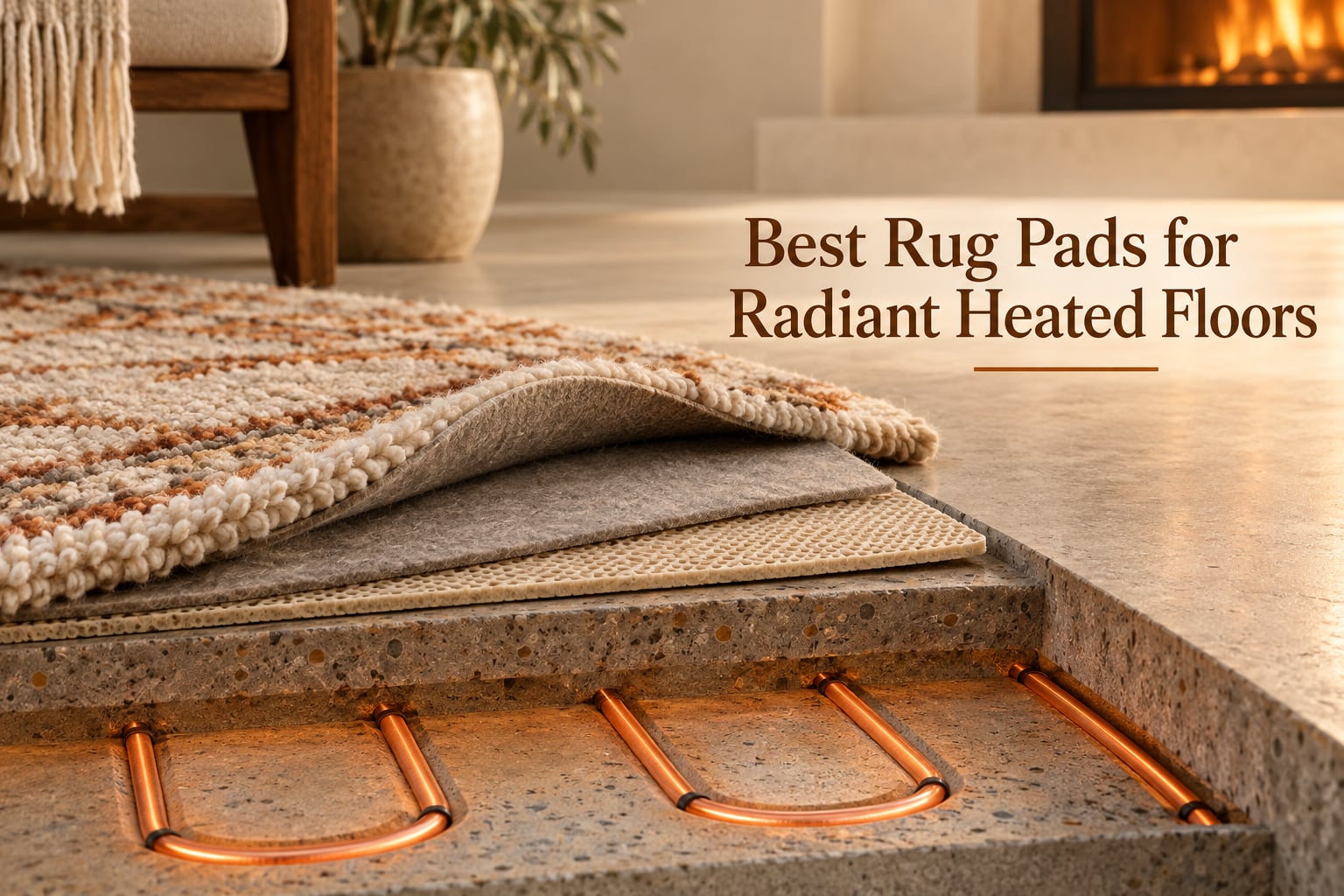
Yes, you can put a rug and a rug pad on a radiant heated floor, provided the pad is breathable felt, natural rubber or jute, contains no PVC or foam, and stays at or under about 1/4 inch thick. Get those three conditions right and the pad does its normal job of grip, cushion and floor protection while heat still moves upward into the room.
Get them wrong and the pad works against you. A dense foam or vinyl pad adds real thermal resistance to the floor assembly, so the system runs hotter and longer to hit the thermostat, and the area under the rug warms differently from the bare floor beside it. That uneven pattern is what stresses hardwood, laminate and tile over time.
That is the whole problem with searching for the best rug pads for radiant heated floors. Almost nothing on the market is sold as a radiant-heat pad, and no major manufacturer prints a radiant-heat certification on a rug pad. So the real selection question is not which pad was designed for heat. It is which pad is built from materials that pass heat through, stay stable at elevated temperature, and will not stain or off-gas on a warm floor.
We went through the category and qualified picks against that standard. The short list below is what survived, organized so you can match a pad to your system type, floor material and door clearance rather than to a marketing claim. If you are also shopping the rest of the room, our guides to farmhouse kitchen rug sets and latch hook rug kits cover the rug side of the pairing. If your heat comes from a retrofit system rather than a slab loop, our picks on radiant panel heaters for basements and radiant cove heaters cover that side of the system.
Top 3 Picks for Radiant Heated Floors in 2026

RUGPADUSA Dual Surface 8×10
- 1/8 inch felt and rubber
- Low-VOC recycled materials
- Trim to size

Slip-Stop Ultra Stop 6×9
- Open-weave natural rubber
- No foam or plastic core
- Trims with scissors
The Dual Surface pad earns the top slot on evidence volume: 13,100 ratings at 4.5 stars, more than any other pad here, on a 1/8 inch felt-and-rubber build with a low-VOC recycled face. It adds minimal resistance to the floor assembly, which is exactly what you want over heating loops.
The Slip-Stop grid is the most transparent pad to heat of the ten. Its open weave leaves gaps everywhere rather than forming a continuous film, so nothing about it works like insulation. The BAGAIL pad rounds out the top three as the value pick, with a straightforward 1/8 inch felt and natural rubber build and a review base large enough to be meaningful.
Best Rug Pads for Radiant Heated Floors at a Glance in 2026
| Product | Specifications | Action |
|---|---|---|
| RUGPADUSA Dual Surface 8×10 Felt and Rubber |
|
Check Latest Price |
| Slip-Stop Ultra Stop 6×9 Natural Rubber Grid |
|
Check Latest Price |
 BAGAIL Felt and Natural Rubber 5×7 BAGAIL Felt and Natural Rubber 5×7 |
|
Check Latest Price |
 Mohawk Home 8×10 Felt and Rubber Grip Pad Mohawk Home 8×10 Felt and Rubber Grip Pad |
|
Check Latest Price |
 RUGPADUSA RugPro 4×6 Ultra Slim RUGPADUSA RugPro 4×6 Ultra Slim |
|
Check Latest Price |
 RESARE 8×10 Felt Rug Pad RESARE 8×10 Felt Rug Pad |
|
Check Latest Price |
 Loloi Grip 1/8 inch 8×10 Loloi Grip 1/8 inch 8×10 |
|
Check Latest Price |
 BALEINE Felt and Rubber 5×7 BALEINE Felt and Rubber 5×7 |
|
Check Latest Price |
 Warmstar 8×10 Waterproof Felt Pad Warmstar 8×10 Waterproof Felt Pad |
|
Check Latest Price |
 RUGPADUSA Nature’s Grip 2×3 Jute and Rubber RUGPADUSA Nature’s Grip 2×3 Jute and Rubber |
|
Check Latest Price |
How We Qualified Pads for Radiant Heated Floors
There is no radiant-heat certification to check, so we built the criteria ourselves and applied the same four tests to every pad in the category. The first is material chemistry. The pad must be felt, natural rubber, jute or a combination of those, with no PVC or vinyl, no polyurethane foam and no synthetic rubber carrying plasticizer.
The second is thickness. Anything at or below 1/4 inch passes; anything thicker gets flagged and needs a reason. The third is grip method. We want a pad that grips the floor by friction rather than one that chemically bonds to the finish, because a bonding pad over a warm floor is the classic route to a stain that will not come out.
The fourth is evidence. Where a pad has thousands of ratings with a consistent story, we lean on that. Where a pad has a small review base, we say so plainly instead of borrowing confidence from the category average. The result is a mix: five felt-and-rubber builds, two pure-felt pads, one open-weave rubber grid, one jute and rubber pad, and one water-resistant felt pad. All ten are 1/8 inch or thinner, which is the single biggest reason they all work over heat.
1. RUGPADUSA Dual Surface 8×10 — Best Overall for Radiant Heated Floors
RUGPADUSA – Dual Surface – 8’x10′ – 1/8″ Thick – Felt + Rubber – Non-Slip Backing Rug Pad – Adds Low-Profile Comfort and Protection
1/8 inch thick
Felt and natural rubber
17 oz felt and 14 oz rubber per sq yd
8 x 10 ft
Pros
- Low-VOC recycled felt and rubber with no noticeable odor
- Reinforced rubber grips harder than plastic pads
- 1/8 inch adds cushion without a trip edge
- Trims cleanly with scissors or a box cutter
Cons
- Felt face can let a light rug creep sideways
- Listed dimensions may run slightly large
- Higher cost per square foot than most rivals
This is the pad we keep coming back to on a heated floor. It combines 17 ounces of felt with 14 ounces of rubber per square yard, which lands at a listed thickness of 0.13 inches. Over a hydronic loop, that is thin enough that the floor surface temperature behaves almost the same under the rug as beside it.
Both faces are made in the USA from recycled, low-VOC felt and low-VOC reinforced rubber, and owners consistently report no odor. That matters more than it sounds. A warm floor raises the surface temperature of everything above it, and sustained warmth accelerates the release of whatever residual chemistry is in a pad.
The rubber side locks to the floor and the felt side carries a tacky additive that keeps the rug from riding on top of the pad. In practice that two-sided strategy is what stops the migration problems that show up with single-surface pads in busy rooms.
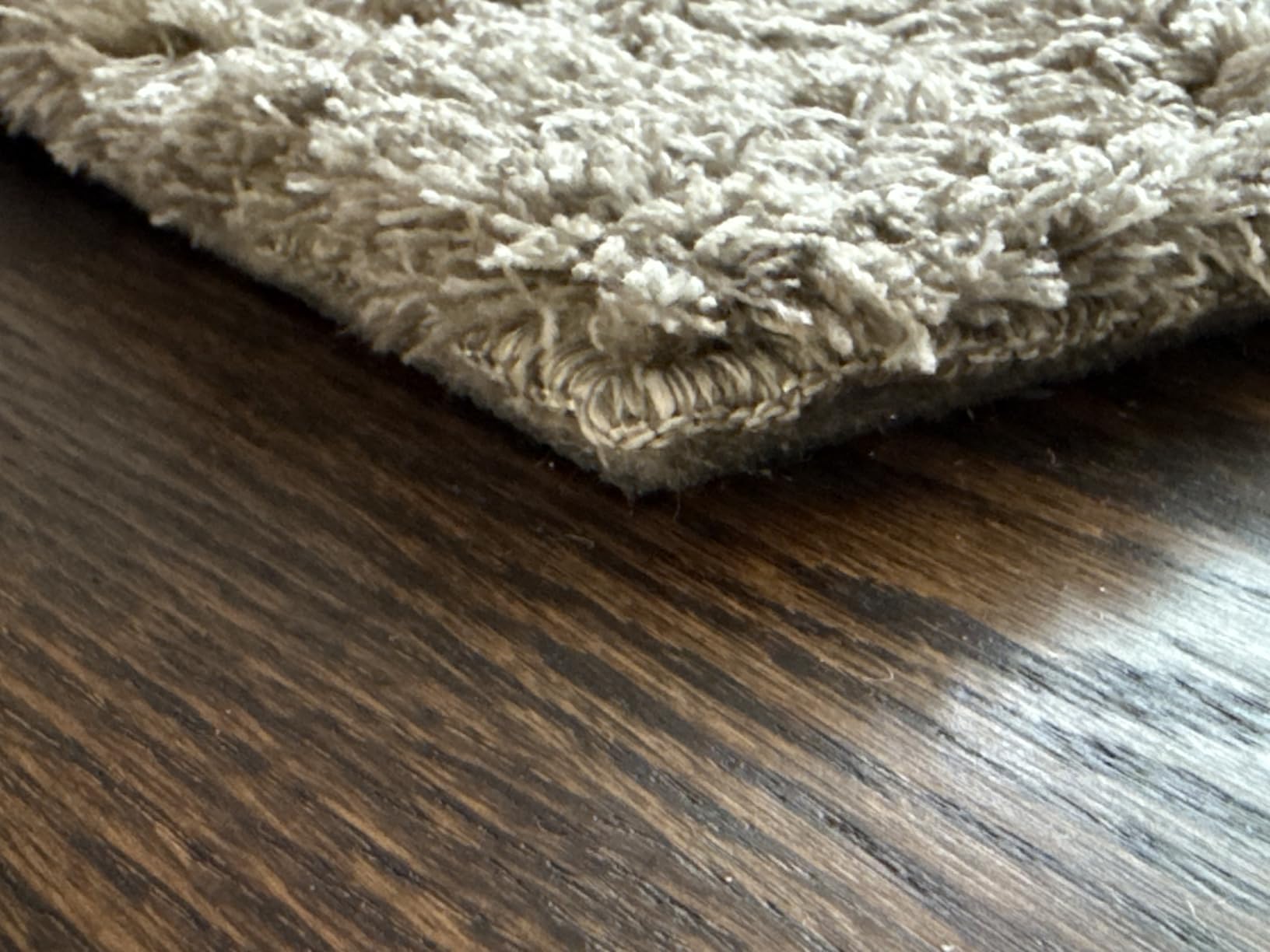
Where it falls short is lateral movement of very light rugs on the felt face. The pad holds the floor perfectly while the rug slides a little across the top of it. That is a cosmetic annoyance rather than a safety problem, and it shows up most with flatweaves and runners rather than a 9×12 with a weighted back.
There is also routine size variance. Owners regularly report trimming a fraction off the edges so the pad tucks fully under the rug, and the company sells a wide custom size range, which is worth taking advantage of for an odd-shaped rug in a heated room.
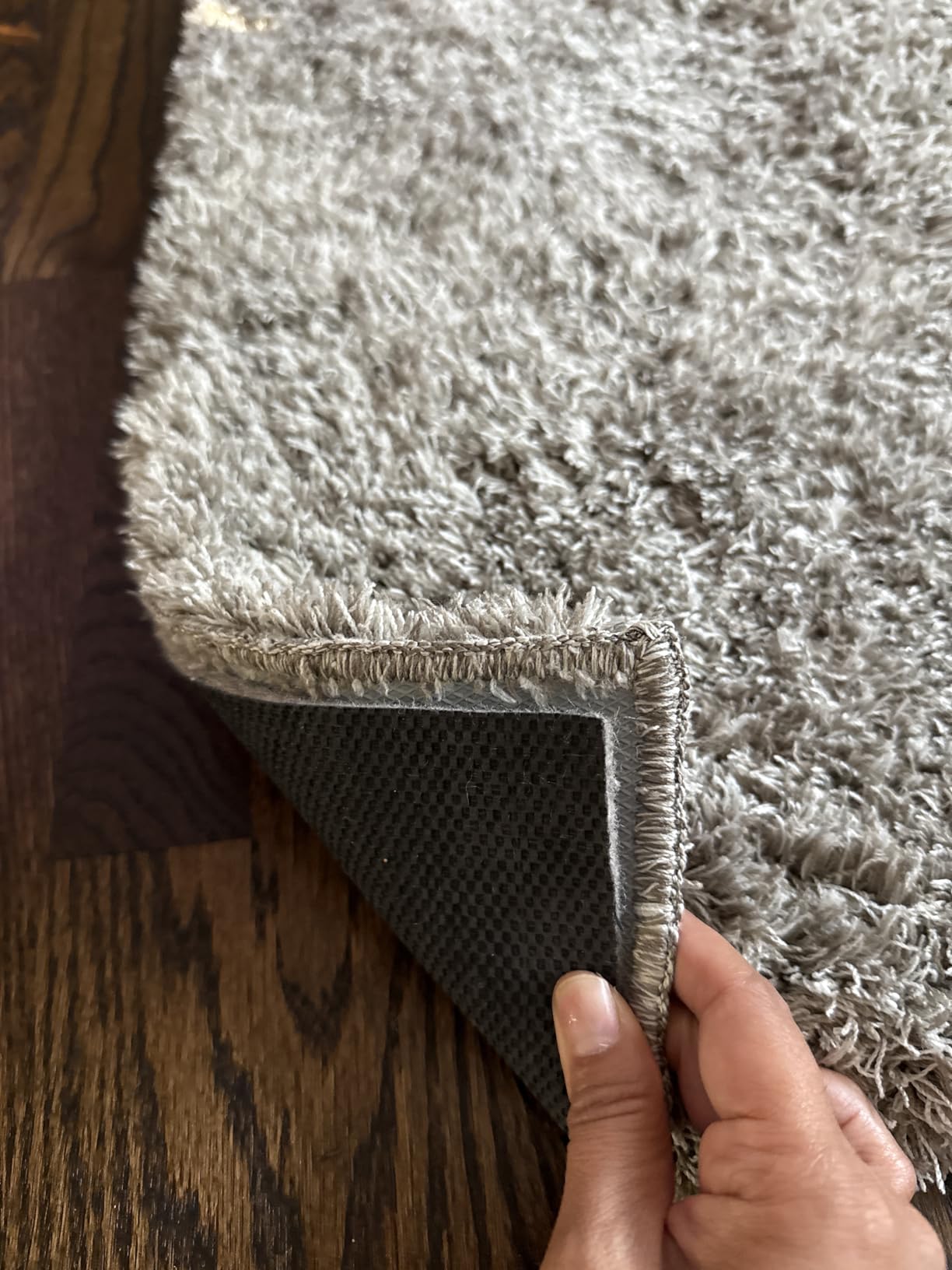
Check the 1/8 inch spec and the felt face if you have a light rug
Over a heated floor, the 0.13 inch listed thickness is the number that matters. Anything in the same range is fine; a jump to 1/4 inch or 3/8 inch changes how warm the covered patch of floor feels relative to the rest of the room.
If your rug is a flatweave or a thin runner, pair this pad with rug tape on the rug side. If your rug has a heavier backing, the tacky felt face is doing enough on its own and you can skip the tape.
Skip this pick if the arrival smell would bother you
The material disclosure here is the strongest in the roundup: recycled content, low-VOC on both faces, no complaints about odor across 13,100 ratings. If anyone in the house is sensitive to smells, this is the pad to shortlist first.
It is also the one pick with a documented low-VOC specification on both faces and enough review volume to judge fairly. Our testing of the category stopped here repeatedly, and the review data agrees with that.
2. Slip-Stop Ultra Stop 6×9 — Best Breathable Pad for Heated Floors
Slip-Stop | Made in U.S.A. | Ultra Stop Natural Premium Non-Slip Rug Pad Gripper 6′ x 9′ | Low-Profile Pad for Hardwood Floors & Any Hard Surface Floors
Open-weave natural rubber grid
No foam or plastic core
6 x 9 ft
Trims with scissors
Pros
- Open weave leaves air paths through the whole pad
- No plasticizer or adhesive core
- Cuts to any shape with scissors
- Will not mar or melt a floor finish
Cons
- Very thin
- so almost no underfoot cushion
- Large rugs can still shift at the edges
- Not aimed at heavy rugs in main walkways
This is the pick for anyone who wants the least possible layer between the heating element and the room. Instead of a solid felt sheet, it is an open-weave grid of natural rubber with no foam and no plastic core, and the gaps run through the entire pad. There is no continuous film to resist heat, which makes it the most thermally transparent option we could find.
Owners praise two practical things about it. It trims with scissors along the grid lines, so an oddly shaped rug in a heated room is a five-minute job. And it grips hardwood without marring or melting the finish, because it holds by friction rather than by bonding.
The spec listing describes the material as a rubber coated polyester scrim in a natural color, and care is simple: a damp sponge and air dry. Made in the USA with a long-term guarantee, which is one of the stronger coverage terms in this roundup.

The honest drawback is cushion. There is effectively none. This is a gripper, not a comfort layer, and anyone expecting a softer underfoot feel will find this pad flat and hard. On a heated floor that is not a real loss, because the floor beneath is doing the warming and any added softness is also added resistance.
The second drawback is edge shift on large rugs. Reviewers note that on a big rug in a busy walkway, the rug can still creep enough that the pad edge shows and needs pushing back. The pad holds the floor; it just does not always hold a heavy rug on top of itself.
Check your rug weight before choosing this open-weave pad
Open-weave grippers are built for moderate loads. A 5×7 or 8×10 area rug in a bedroom or a hallway over a heating zone works well. A 12×15 with a dense pile in a main walkway is a different demand, and the pattern is where reviews report creep.
If your rug is heavy, you can still use this pad, just check it every few weeks in the first couple of months while the rug settles into its new position.
Skip this pad if cushioning is your priority
Nothing wrong here, just a different job. A 1/4 inch cushion over a radiant floor adds resistance you do not need. If you want softness, choose a thin felt face instead, and put your comfort budget into the rug rather than the pad.
The tradeoff also works in your favor in one way: the open weave makes vacuuming easier, since debris falls through instead of lodging in a dense felt surface.
3. BAGAIL Felt and Natural Rubber 5×7 — Best Value for Radiant Heat
BAGAIL Felt and Natural Rubber Backing Rug Pads 1/8” Thick, 5 x 7 Ft Non Slip Rug Gripper Keep Rugs in Place, Under Area Rug Protective Cushioned Pads, Carpet Runners, Hardwood Floors Protection
1/8 inch thick
Felt and natural rubber backing
5 x 7 ft
Odorless
Pros
- Natural rubber backing grips firmer than pure felt
- No odor
- Trims to any shape with scissors
- Works on most hard surfaces
Cons
- Pad and rug can creep as a unit on radiant tile
- Thin versions compress under heavy rugs
- Narrower size range in this family
This one covers 35 square feet of 1/8 inch felt with a natural rubber backing, and it does the fundamental radiant-heat job without any exotic construction. Listed thickness is 0.12 inches, which sits comfortably in the range where the floor surface temperature barely changes under the rug.
The grip is the reason reviewers like it. A natural rubber backing holds noticeably better than a pure-felt pad, which matters in a room where people walk in from cold and push the rug, and it matters more on a heated floor because the floor is smoother and slightly more polished than a typical unheated surface.
Zero odor is the other repeated theme. Buyers who returned other pads over smell single this one out, and over a warm floor that is worth more attention than it would be on a cold floor.
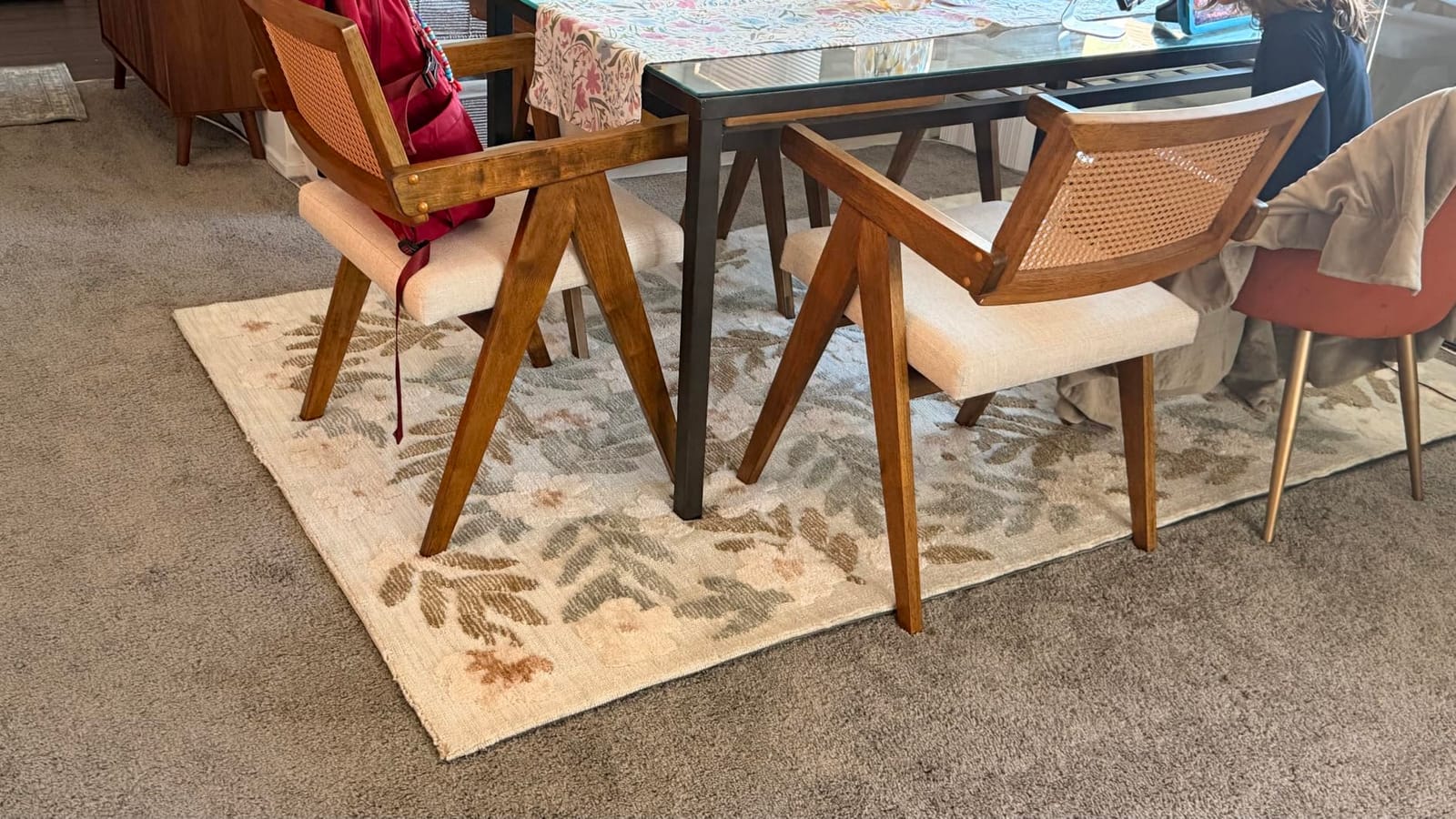
The most useful criticism in the data points straight at this topic. A detailed long-form review reports that on ceramic tile and radiant-heated floors, the rug and pad migrate together as a single unit rather than staying put, so the whole assembly needs occasional repositioning. That is exactly the failure mode you would expect when two smooth low-friction layers sit on a floor that is cycling temperature.
Also worth knowing: the listing carries a caution against high-temperature, humid or wet areas, and thinner versions compress under heavy rugs with limited cushioning returned. For a warm floor, that caution argues for buying the thicker version in the same family if your room sees real traffic.
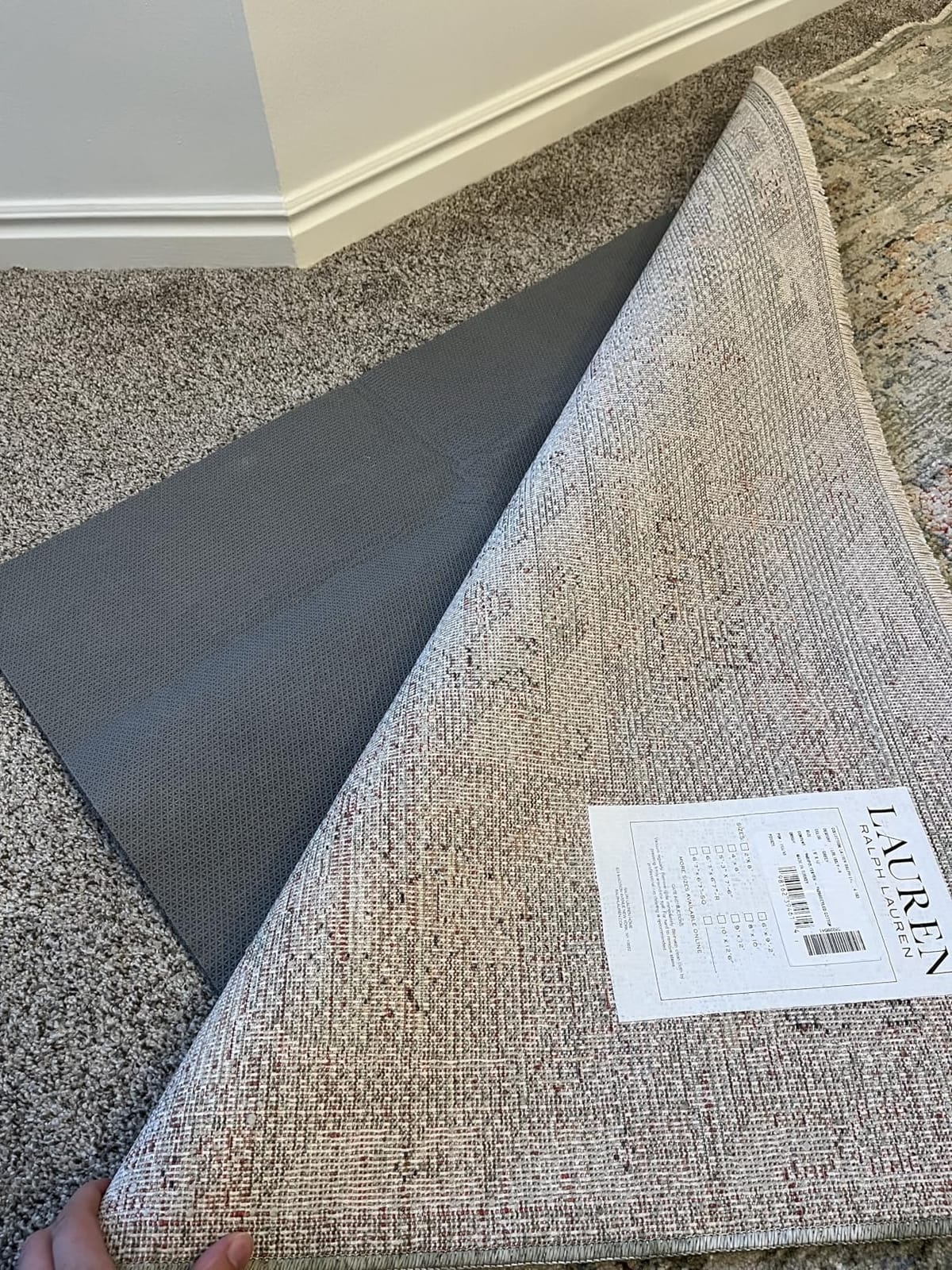
Check whether your heated floor is tile if you pick this pad
On hardwood, engineered wood and laminate, the grip is solid. On glossy tile over a heating zone, plan on checking that the rug is sitting flat every month or so, and keep a bit of rug tape in the drawer for the first season.
Over time, a rug and pad that warm and cool together tend to settle into a stable position on their own. The adjustments are usually most needed in the first two months after placement.
Skip the 5×7 size if your rug is larger
The size range in this family is narrower than some competitors, so a 9×12 needs trimming or a different size. Trimming felt this dense is easy enough with a sharp utility knife over a straight edge, but plan for it before you unroll rather than after.
Buyers who upgraded from the 1/8 inch to a thicker version in the same family report the feel difference clearly, and for a heated floor the thicker option still stays inside a reasonable resistance range.
4. Mohawk Home 8×10 Felt and Rubber Grip Pad — Best for High-Traffic Heated Rooms
Mohawk Home 8’ x 10’ Non Slip Grip Rug Pad 1/8″ Low Profile Felt Cushion + Rubber Gripper, Great for High Traffic Areas – Safe for All Floors
1/8 inch thick
Selectable 1/5 inch option
Felt plus latex rubber
8 x 10 ft
Pros
- Two low-profile thickness choices
- Latex rubber holds rugs flat with pets
- Reversible for carpet or hard floor
- Trims with ordinary scissors
Cons
- Some buyers report a lingering chemical or burnt-rubber odor
- Smooth felt face lets rugs creep
- Deliberately thin with limited cushioning
Mohawk’s pad comes in 1/8 inch and 1/5 inch versions, and both are listed at 0.13 inches of thickness. For a high-traffic room on a heated floor, that second option is worth a close look: it adds a small amount of cushion while staying far below the point where thickness starts to matter for heat transfer.
The latex rubber backing is the working part. Owners with multiple dogs report it holds rugs flat in exactly the situations where felt-only pads give up, and the construction is reversible, so the felt side can face down over carpet and the rubber side down over a hard heated floor.
It trims easily with household scissors, and the standard recommendation across reviews is to cut it one to two inches inside the rug perimeter so the pad edge never shows.
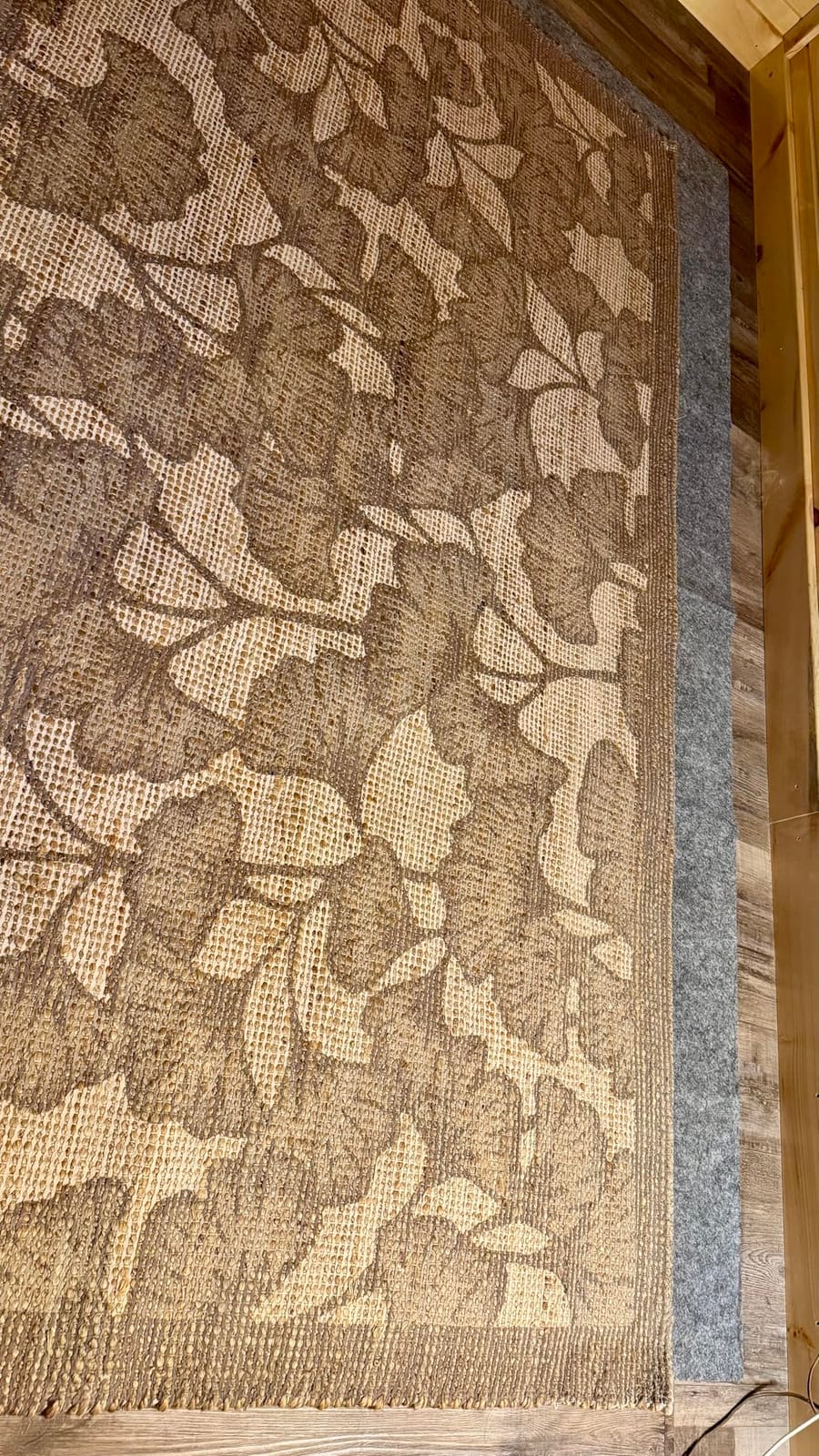
Odor is the significant issue, and we are not going to soften it. A subset of buyers report a pronounced chemical or burnt-rubber smell on arrival that lingers for weeks. Others say it was faint or absent. Mohawk has acknowledged the problem as a known issue and sent replacements, but on a heated floor, where warmth lifts whatever is in the air, this is the one pick we would ventilate for a few days before putting the rug down.
Second, the felt top face is smooth and slightly hairy, so a rug laid on it can creep and may need carpet tape. Third, the pad is deliberately thin, so buyers wanting a plush underfoot feel should look elsewhere.
Check the odor history before you order this pad for a warm room
If anyone in your home has sensitivity to smells, or if the rug will go down over a closed heating zone with little airflow, weigh this pad against a low-VOC alternative. Odor complaints on this listing are frequent enough to plan around.
If your household is not sensitive and the room gets regular use, the odor reported by many buyers faded with time, and the grip benefits in a busy room are substantial.
Skip this pick if a large rug needs true luxury cushioning
The thin profile is the point of this pad, and it does that job well. But a 9×12 in a living room where people sit on the floor will feel firmer than it would over a plainer pad, and the extra thickness needed to change that would work against the heating system.
Two other practical notes: larger sizes can arrive undersized relative to the label, and oversized pads are awkward to return. Measure the floor and the rug before ordering.
5. RUGPADUSA RugPro 4×6 — Best Low-Profile Pad for Door Clearance
RUGPADUSA – RugPro – 4’x6′ – 1/16″ Thick – Felt and Rubber – Ultra Slim Non-Slip Rug Pad – Perfect for High Traffic Areas and Entryways, Many Custom Sizes
1/16 inch ultra slim
Felt and natural rubber
12 oz rubber per sq yd
4 x 6 ft
Pros
- Thinnest construction in the roundup at 0.06 inches
- 12 oz natural rubber grips without staining
- Reversible for hard floor or carpet
- Long-term warranty coverage
Cons
- Almost no cushioning
- Hand wash only care
At a listed 0.06 inches, this is the thinnest pad here and the one that gives a heated floor the least to fight. Where most rugs add a measurable dead layer, this one adds almost nothing, which makes it the pick for entryways, hallways and any spot where a door already swings close to the floor.
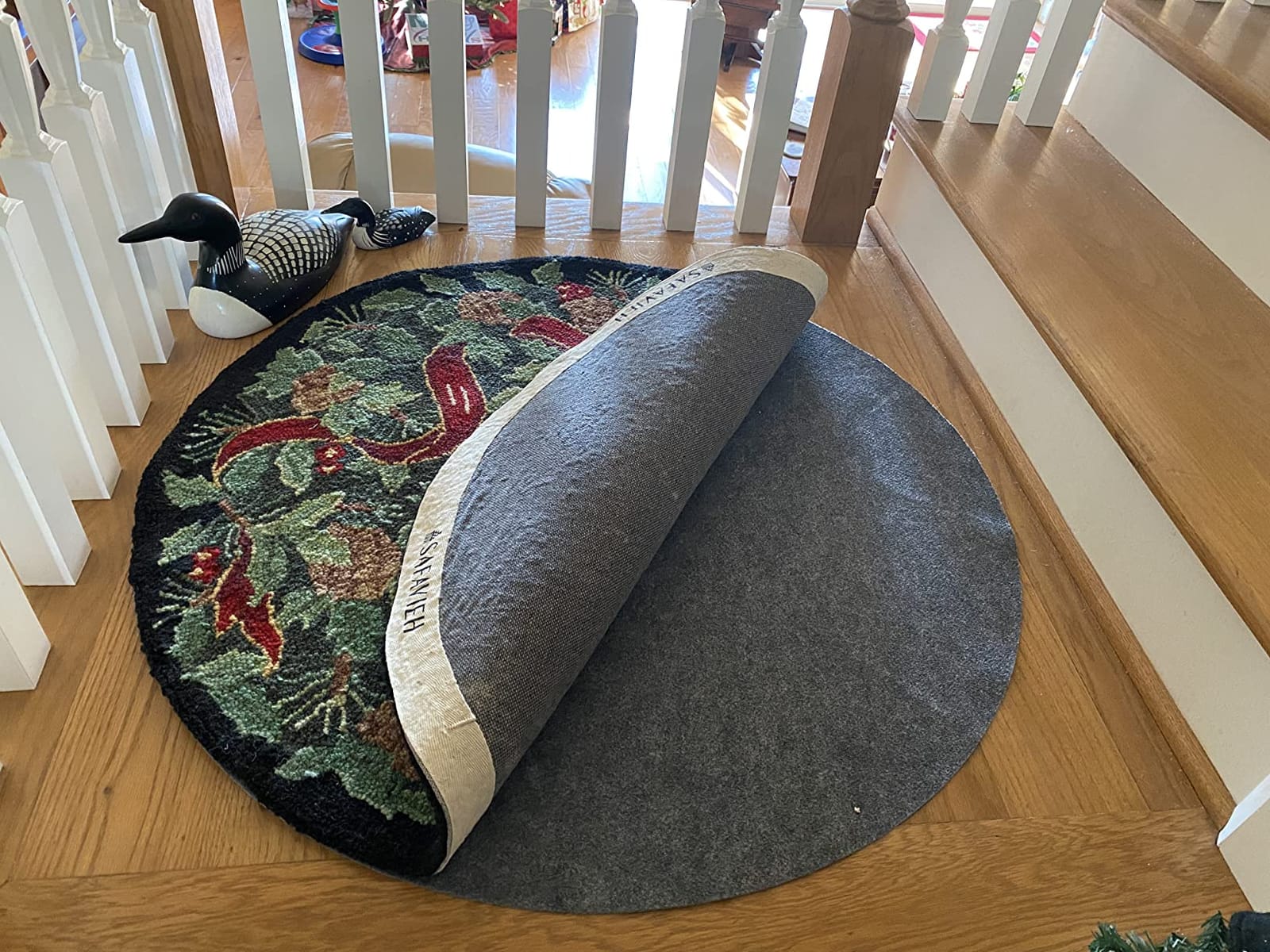
The rubber face carries 12 ounces per square yard of natural rubber, and the key property over a heated floor is that it grips rather than sticks. It holds the rug through friction, so it does not bond to an engineered wood or tile finish and does not leave a yellow or brown mark when the floor warms up.
It is also reversible: rubber side down on a hard heated surface, felt side down over carpet. Made in the USA, sold in standard and custom sizes, and backed by long-term manufacturer coverage.
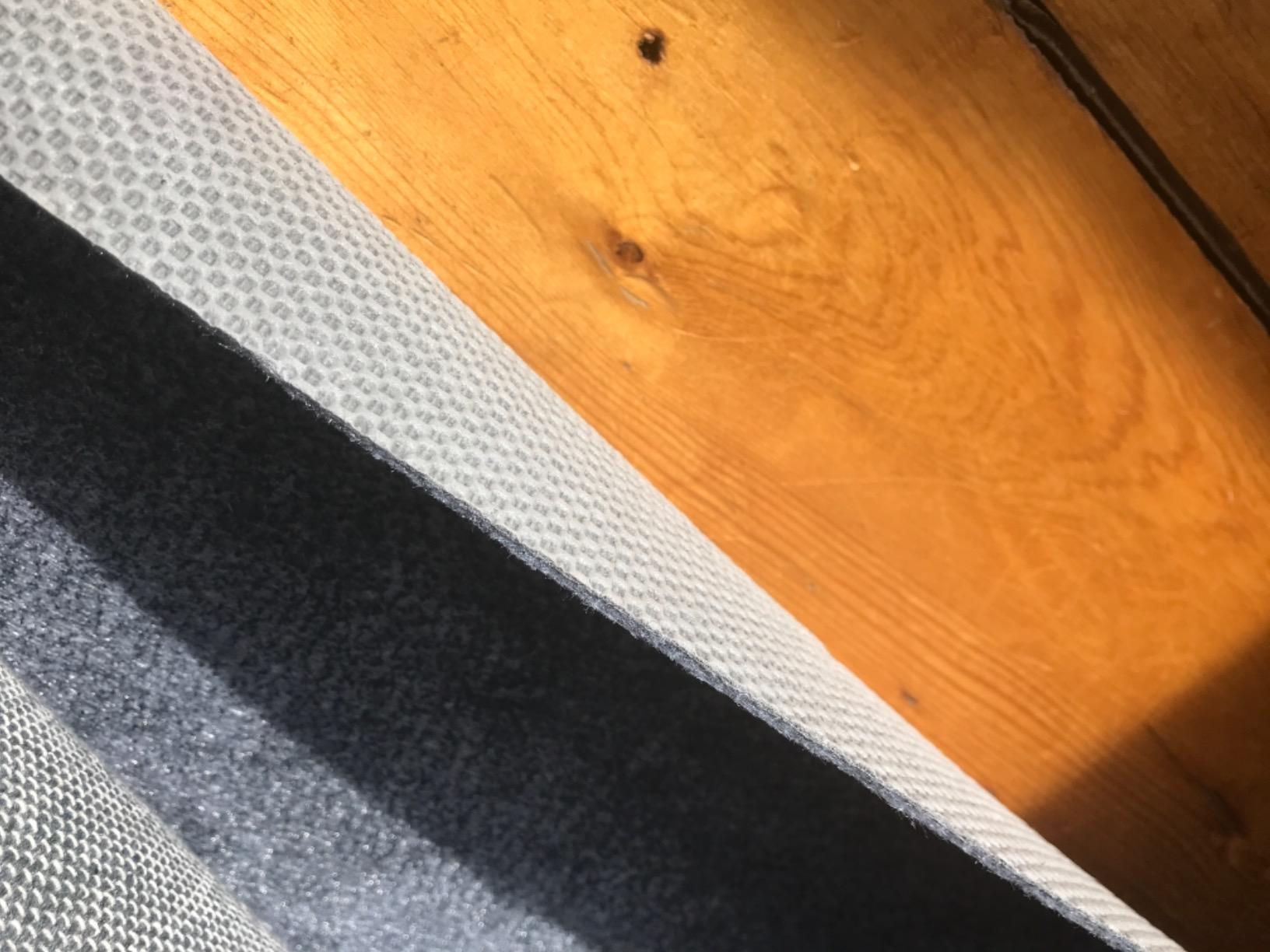
Cushioning is effectively absent, and owners treat that as a fair trade rather than a defect. Buyers credit it with flattening rug wrinkles and stopping rug shifting on hard floors, and they rate the pad among the highest in the category, with 77 percent of ratings at five stars.
Care is hand wash only, which is a minor limitation but rarely relevant for a pad that lives under a rug. The 4×6 size in this listing is a 24 square foot pad weighing just over four pounds, so it is easy to reposition when you want to check the floor beneath it.
Check the gap under your door before anything else
This is the pad to buy when clearance is already tight. A 1/16 inch profile adds almost nothing to rug height, so a door that already clears the bare floor will usually still clear the rug.
Measure first anyway. Carpet with a thick pile plus a pad of any thickness can still bind a door, and the fix for that is a thicker rug pad or a door that gets lifted, not a thinner pad. There is no thinner option than this one.
Skip this pick if you want a cushioned feel underfoot
A 1/16 inch pad is a structure and grip solution. It is the right call over a heated floor in a traffic path, and the wrong call in a bedroom where you sit on the floor with a cold cup of coffee.
For comfort, put the budget into a thicker rug instead. A thicker rug over a thin pad still shifts less than a thin rug over a thick pad, and it keeps the floor surface temperature more even.
6. RESARE 8×10 Felt Rug Pad — Best for Hardwood Over Radiant Heat
RESARE 8×10 Non Slip Felt Rug Pad for Hardwood Floor, 1/8 Area Rug Gripper
1/8 inch thick
Single-layer felt with non-slip backing
8 x 10 ft
Trimmable
Pros
- Anti-skid backing grips smooth tile and hardwood firmly
- Buffers furniture legs from denting rug pile
- Reduces footstep noise
- Trims with household scissors
Cons
- Often arrives larger than listed and needs trimming
- Minor reports of the pad creeping under runners
- Moderate rather than plush cushioning
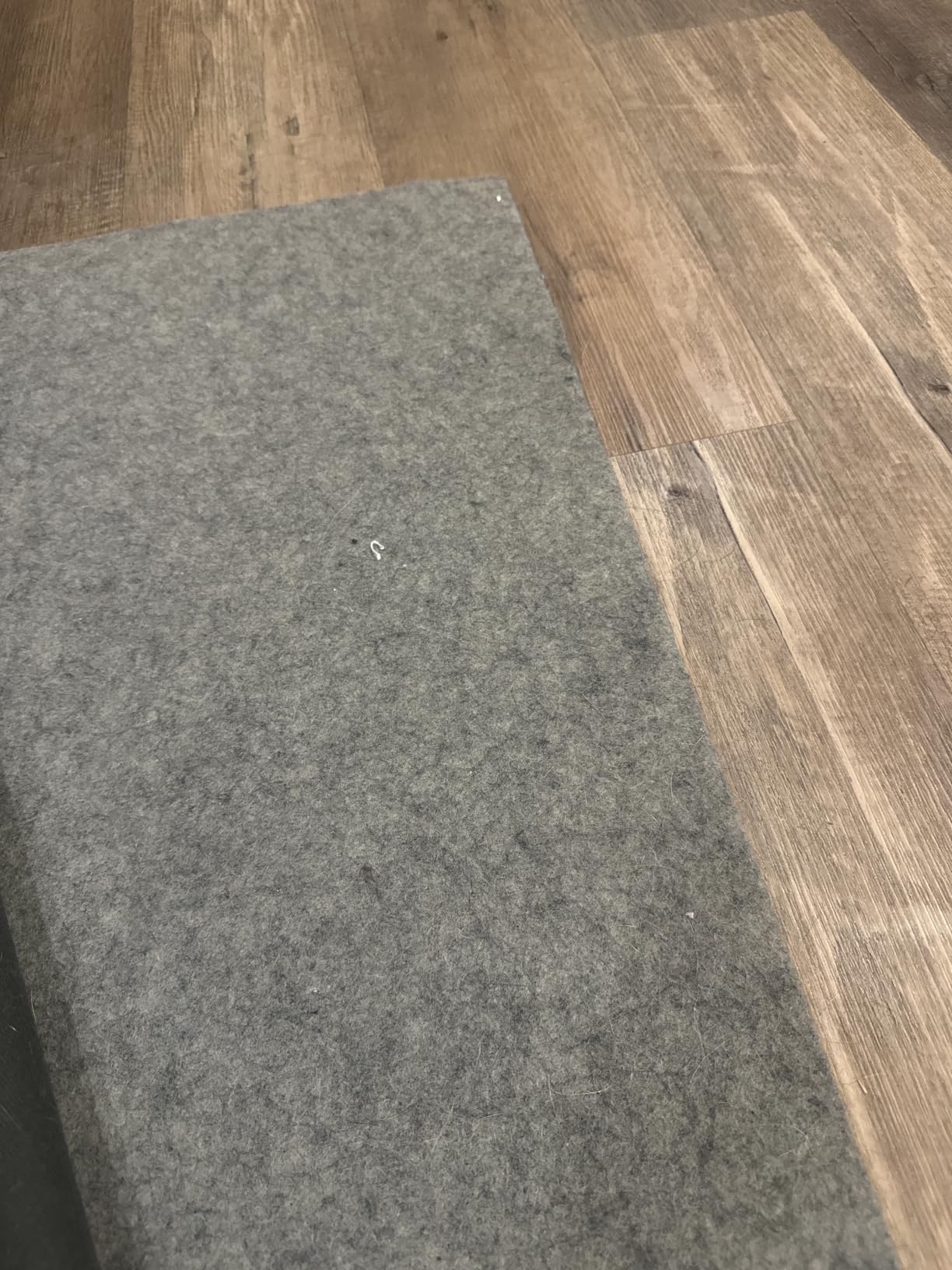
For an engineered hardwood or wide-plank oak floor over a heating loop, a dense single-layer felt pad is a clean solution, and this is the most direct expression of it. The listed thickness is 1/8 inch, single layer, with an anti-skid backing on one side.
Owners on glossy tile and hardwood report that the grip is unusually firm once the floor has been cleaned, which is the one preparation step that matters. A dusty floor is a slippery floor, and over heat the dust also bakes onto the surface more permanently.
Two secondary benefits come up repeatedly. It buffers the rug backing so furniture legs leave no indentations, and the dense fiber measurably cuts footstep noise, which is a bigger deal in a house with hard floors under radiant heat than it is on carpet.
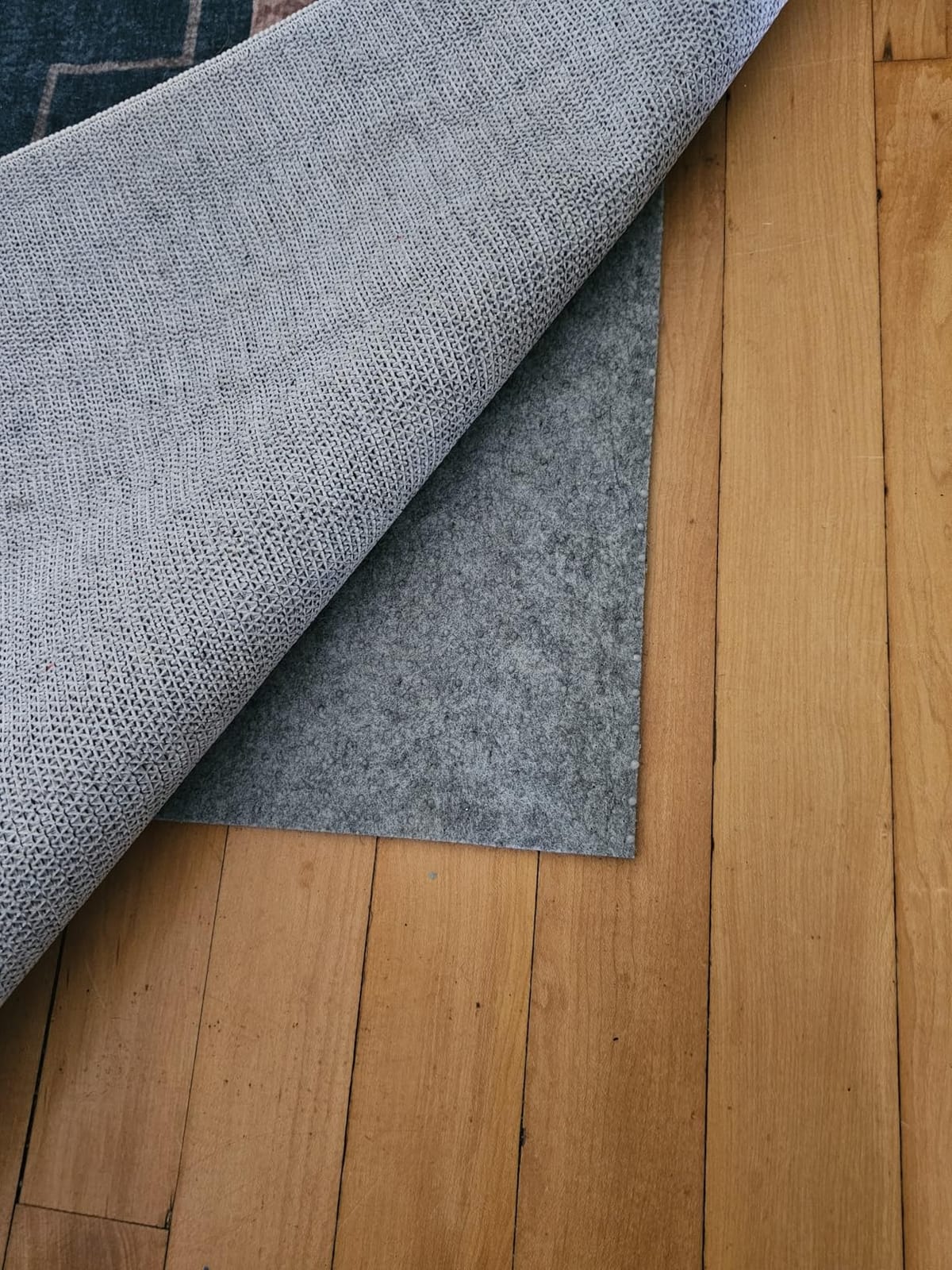
Sizing is the routine annoyance. A meaningful share of buyers say the pad measures larger than the advertised dimensions and needs trimming before it goes down, and it arrives flat in its box so creases stay minimal. The construction uses a 3D-VOF cushioning process that softens the felt while keeping the fiber dense.
There is also a small group of reports, mostly on runners in kitchens, that the pad itself creeps on the floor. That is a different problem from the pad failing to grip, and it is the reason we ranked this pick below the felt-and-rubber options for a heated floor.
Check your floor’s finish and clean it before the pad goes down
On a matte or textured engineered wood finish, this single-layer felt grips very well. On a high-gloss finish, clean the floor properly first and make sure the pad is sized to sit fully under the rug, because an exposed edge is where creep usually starts.
Over radiant heat, use the same care you would use on the floor itself. No harsh solvent cleaner, nothing that leaves a film, and a dry floor before the pad goes down.
Skip this pick if a runner keeps sliding
If your rug is a runner in a high-traffic path, a pad with a rubber face on the floor side is the better structure, because the rubber gives you two grip surfaces instead of one. The single-sided felt here handles a stable area rug well and a moving runner poorly.
For cushioning, the verdict is moderate. Buyers wanting a luxury feel report this is not that pad, and over a heated floor you probably do not want it to be.
7. Loloi Grip 1/8 inch 8×10 — Best for Thin Rugs on Heated Floors
Loloi – Grip 1/8″ Grey 8′-0″ x 10′-0″ Rug Pad
1/8 inch thick
100% recycled materials
Reversible
8 x 10 ft
Pros
- Holds thin rugs that normally slide everywhere
- 1/8 inch profile keeps rug height low
- Reversible for carpet vinyl wood and tile
- Made in the USA from recycled materials
Cons
- Temporary adhesive or off-gassing smell for about a week
- Dense felt is hard to trim with scissors
- Some recycled material debris visible in the felt face
This pad earns its place for a specific problem. Loloi makes a lot of thin, flat, low-pile rugs that slide on hard floors, and buyers consistently report that this is the pad that finally holds them. On a heated floor where the surface is smooth and cycling, that matters more than usual.
The 1/8 inch profile, listed at 0.13 inches, keeps the rug height low enough that most robot vacuums drive over the rug without climbing onto it. That is a small detail in a bedroom or hallway and a large one in a home that relies on automated cleaning.
It is made in the USA from a blend of 100% recycled materials, with a 70 percent polyester and 30 percent polypropylene face, and it is reversible across carpet, vinyl, wood, linoleum and tile.
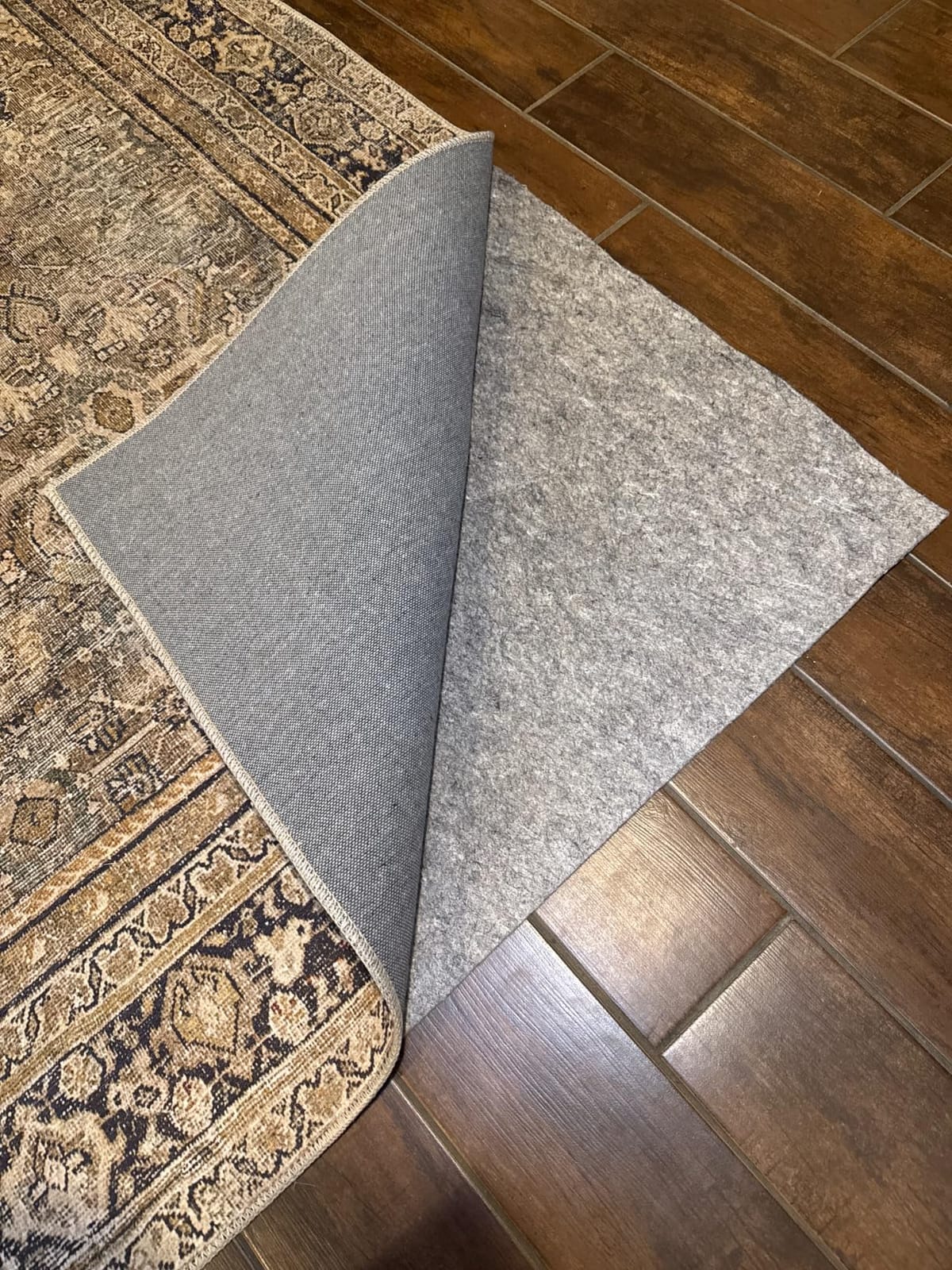
There is an off-gassing note worth taking seriously on a heated floor. A number of buyers report an adhesive or off-gassing smell for roughly a week after opening, noticeable in a small room. Warmth accelerates the release of residual chemistry, so give it a few days of airing in a space with the heat off before the rug goes down.
Trimming is harder than the material list suggests. The felt is dense enough that scissors are often insufficient, and reviews recommend a carpet knife or utility blade over a board. A minority also report lateral pushes sliding a rug across the pad even though the pad itself stays fixed.
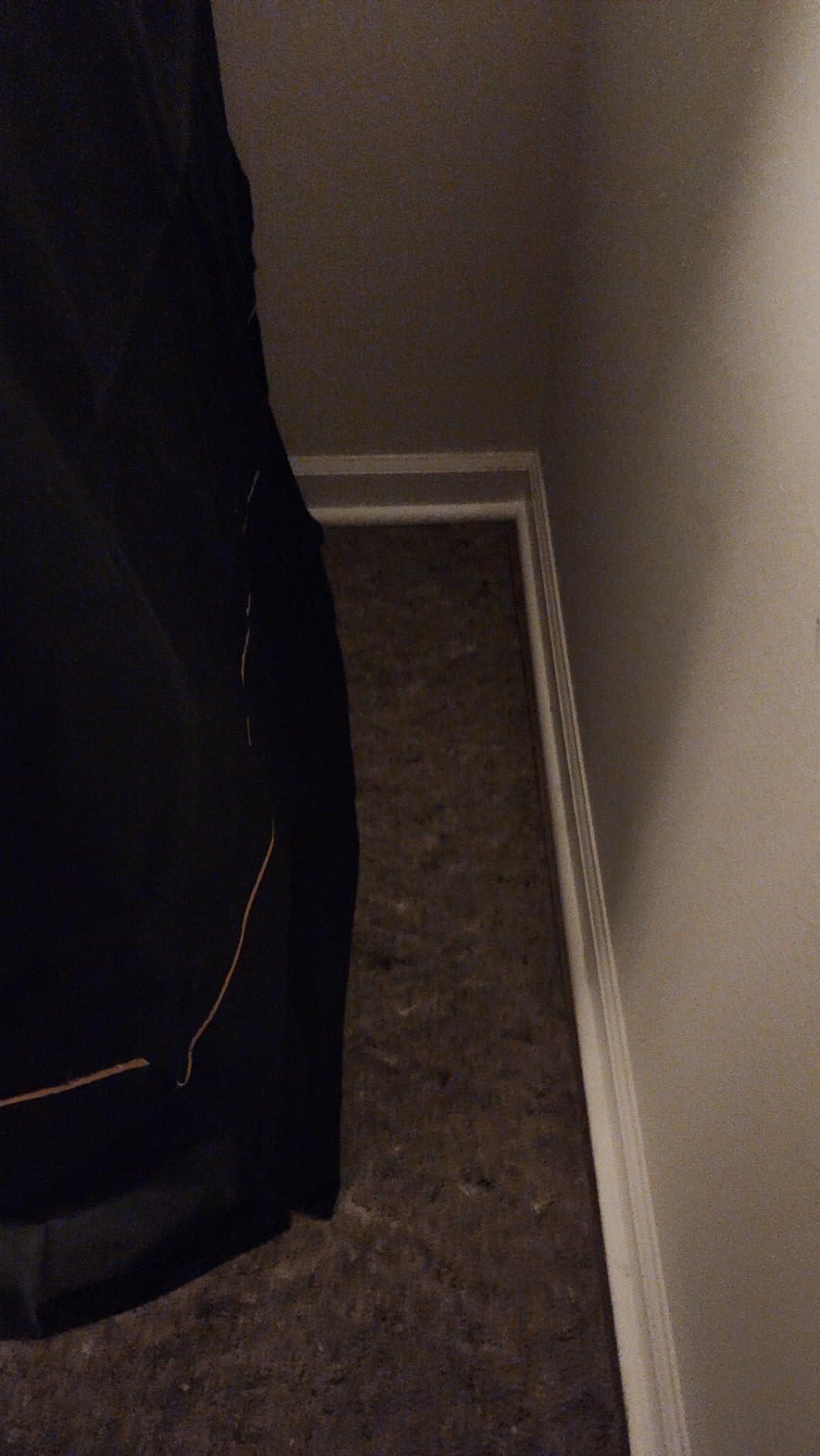
Check the felt face if appearance matters in a formal room
The recycled face is not uniform. Some units show visible debris or color variation in the felt, which is invisible under a large area rug and obvious under a small accent piece. Over a heated floor, check the pad before you commit to a low-traffic formal room.
For a high-traffic hallway or a living room with a substantial rug, this is a non-issue and the grip benefit is the whole point.
Skip this pad if the room is small and poorly ventilated at install
Plan for an airing period. Unroll the pad, leave the heat off for two or three days, then put the rug down. Once aired, the smell that buyers report fades and the pad performs as advertised.
Also budget a proper cutting tool rather than fighting it with scissors. Ten minutes with a utility knife will save you an hour of frustration.
8. BALEINE Felt and Rubber 5×7 — Most Versatile for Heated Rooms
BALEINE Felt Non Slip Rug Pads, Extra Large 1/8″ Thick Felt and Rubber Backing, Shock Absorbing Carpet Pad for All Carpets and Hardwood Floors (5×7 Ft)
1/8 inch thick
Felt with rubber backing
5 x 7 ft
Cuttable
Pros
- 1/8 inch felt with reinforced rubber backing
- Sits at the entry level of the category
- High-density felt reduces footstep noise
- Cuttable to any size or shape
Cons
- Thermoplastic rubber rather than natural rubber
- Hand wash only care
- Fewer size and thickness options
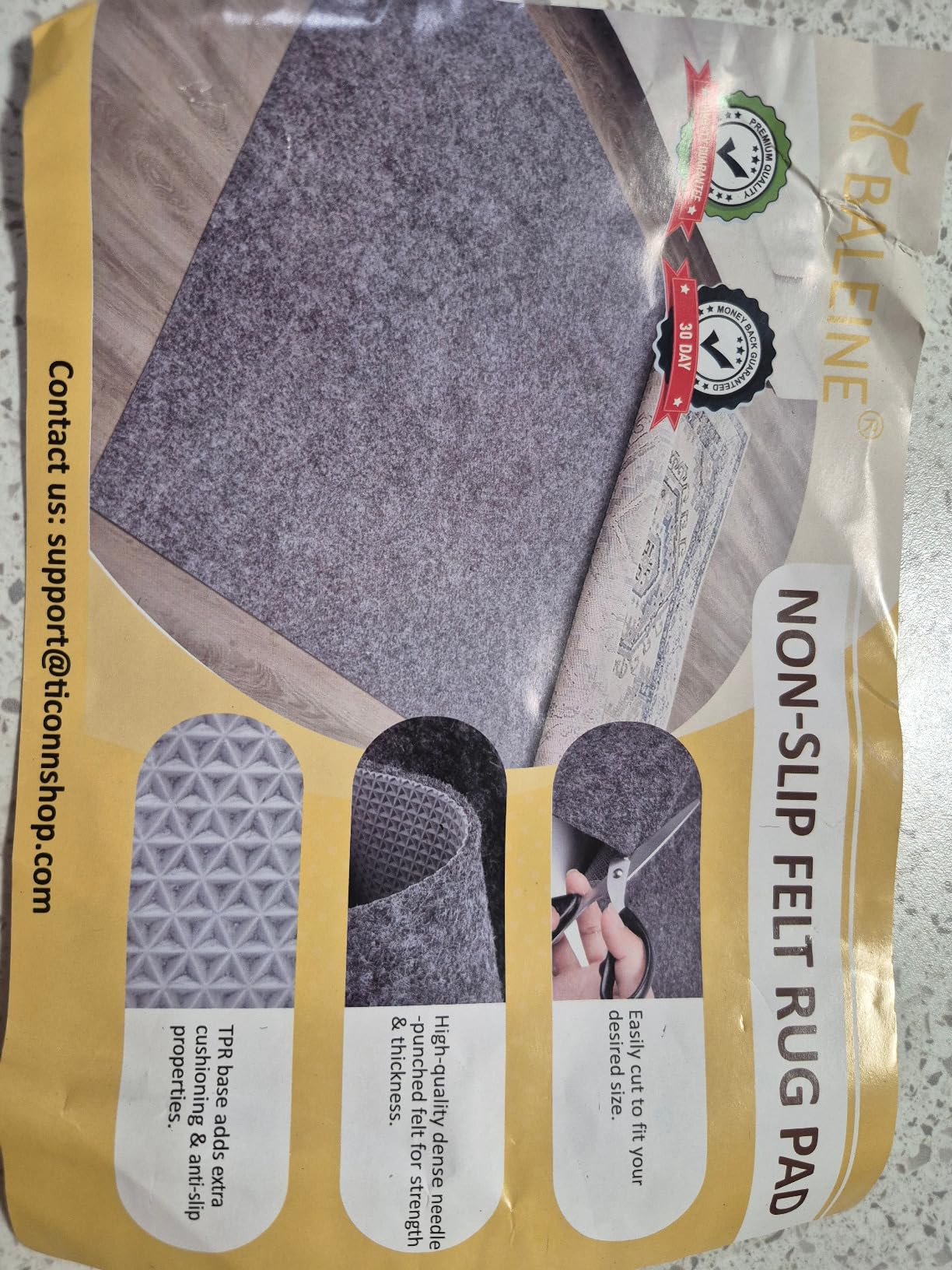
This is the pick if you want a standard felt-and-rubber pad for a heated room without spending much. The construction is 1/8 inch felt with a reinforced rubber backing, listed at 0.13 inches, covering 35 square feet in the 5×7 size.
The rating is among the highest in this roundup at 4.6 stars, though the review base of 367 is the second smallest here. Buyers describe it as a solid compromise between cushion and grip that works on both carpet and hardwood, and the soft high-density felt is credited with a meaningful reduction in footstep noise.
For radiant heat, the thickness is the right call and the open felt face keeps the assembly from behaving like a closed-cell layer.
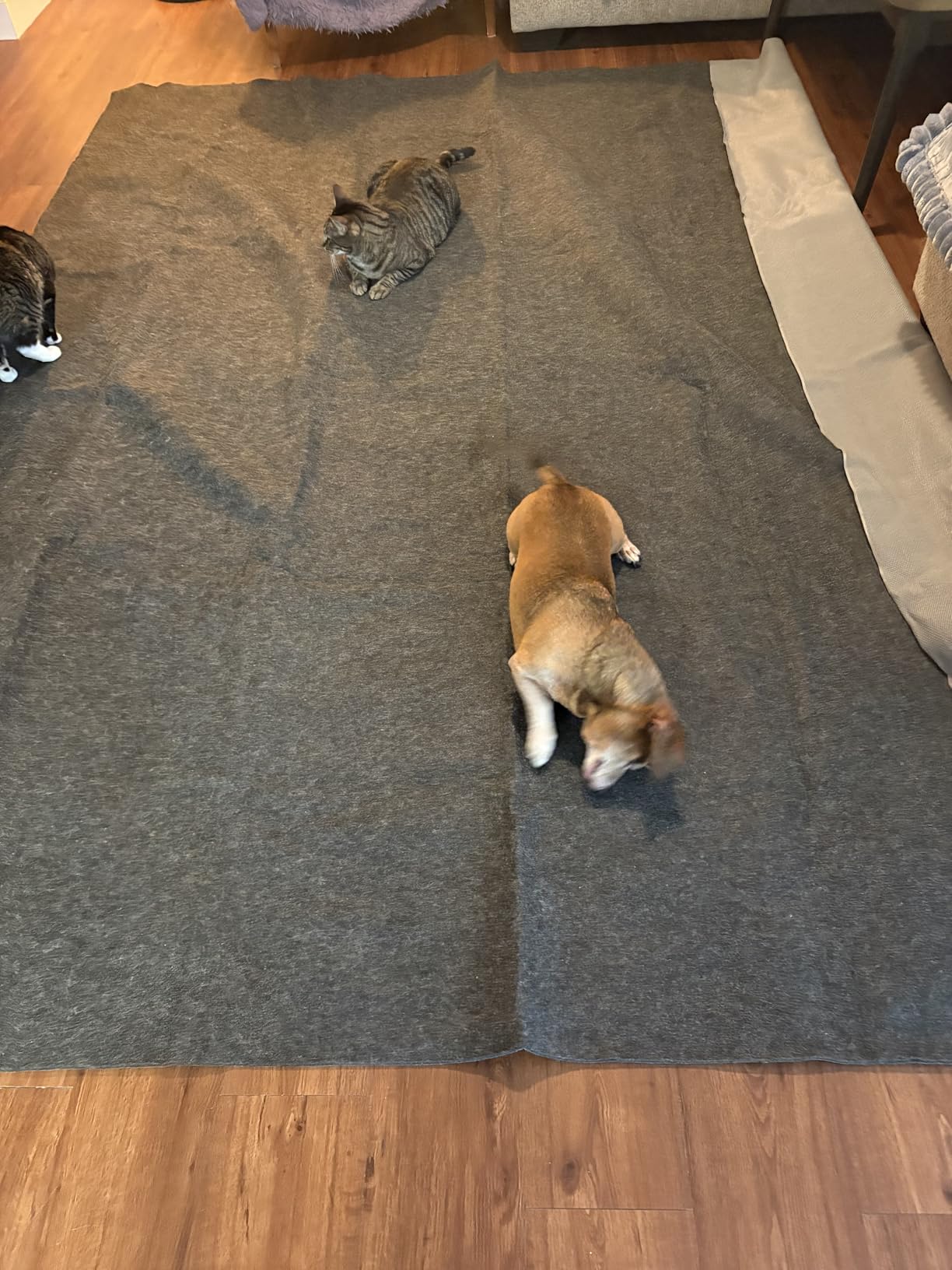
Two things give us pause. The backing is described as thermoplastic rubber rather than natural rubber, and long-term floor-finish compatibility is less well documented than it is for the natural rubber pads in this roundup. On a heated floor, a backing with an uncertain long-term story against a finish is a reasonable thing to think about.
Second, the size and thickness range is narrower than most competitors, so if your heated room needs a 9×12 or a 1/4 inch profile, this is not the listing. The smaller review base also means less long-term durability data, which matters for something you install once and leave for a decade.
Check the backing material if your floor finish is delicate
Natural rubber grips by friction and bonds very little. Thermoplastic rubber is a different chemistry, and the data on this listing says plainly that long-term finish compatibility is less well documented. On a refinished or freshly sealed floor, choose a natural rubber pad instead.
On a tile floor over a heating zone, the same caution applies in a milder form. Check your floor and rug manufacturers for any material restrictions before you install.
Skip this pick if you need a size other than the ones offered
The family covers 5×7, 8×10, 9×12 and others, but it does not cover every size, and thickness choices are limited. Measure the rug and the room before you buy, and remember the sizing rule: the pad should sit inside the rug edge on all four sides.
Given the small review base, we would place this pad in a bedroom or hallway rather than a main living room where you would notice an early failure.
9. Warmstar 8×10 Waterproof Felt Pad — Best for Spills, Pets and Basements
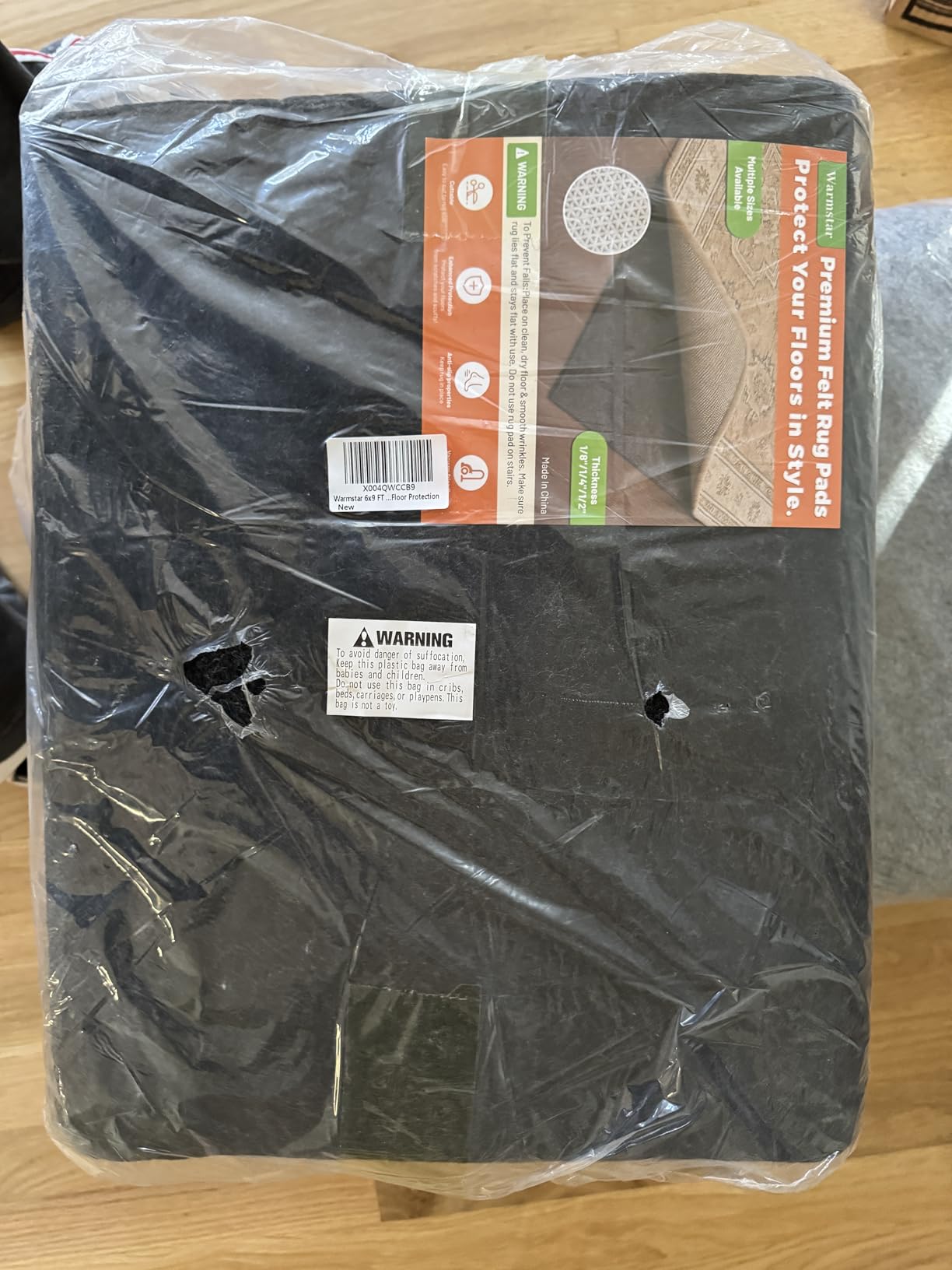
Warmstar 8×10 FT Non Slip Rug Pad,100% Waterproof Felt Rug Pad,1/8″ Thick
1/8 inch thick
Water-resistant felt
Textured backing
8 x 10 ft
Pros
- Water-resistant felt blocks liquid from reaching the floor
- Textured base holds pad and rug in place
- Lays dead flat with no curled edges
- Edges do not fray when trimmed
Cons
- Backing is synthetic TPR rather than natural rubber
- Often arrives larger than labelled
- 1/8 inch profile gives minimal cushioning
This is the one pick here with a real moisture barrier built in, and that is why it earns a place on a heated floor even though its review base is the smallest in the roundup. The felt layer is water-resistant, so a spill stops at the pad instead of reaching tile, laminate or a concrete slab.
That matters far more over radiant heat than it does over a cold floor. A warm floor above a slab is the exact location where a small leak becomes a problem, and a pad that blocks liquid rather than soaking it removes a whole category of worry.
The backing is a textured TPR surface, and owners describe it as the pad that finally stopped a rug moving on old hardwood after several failures with other products. The pad also lays dead flat with no curled edges or waves, and trims cleanly without fraying.
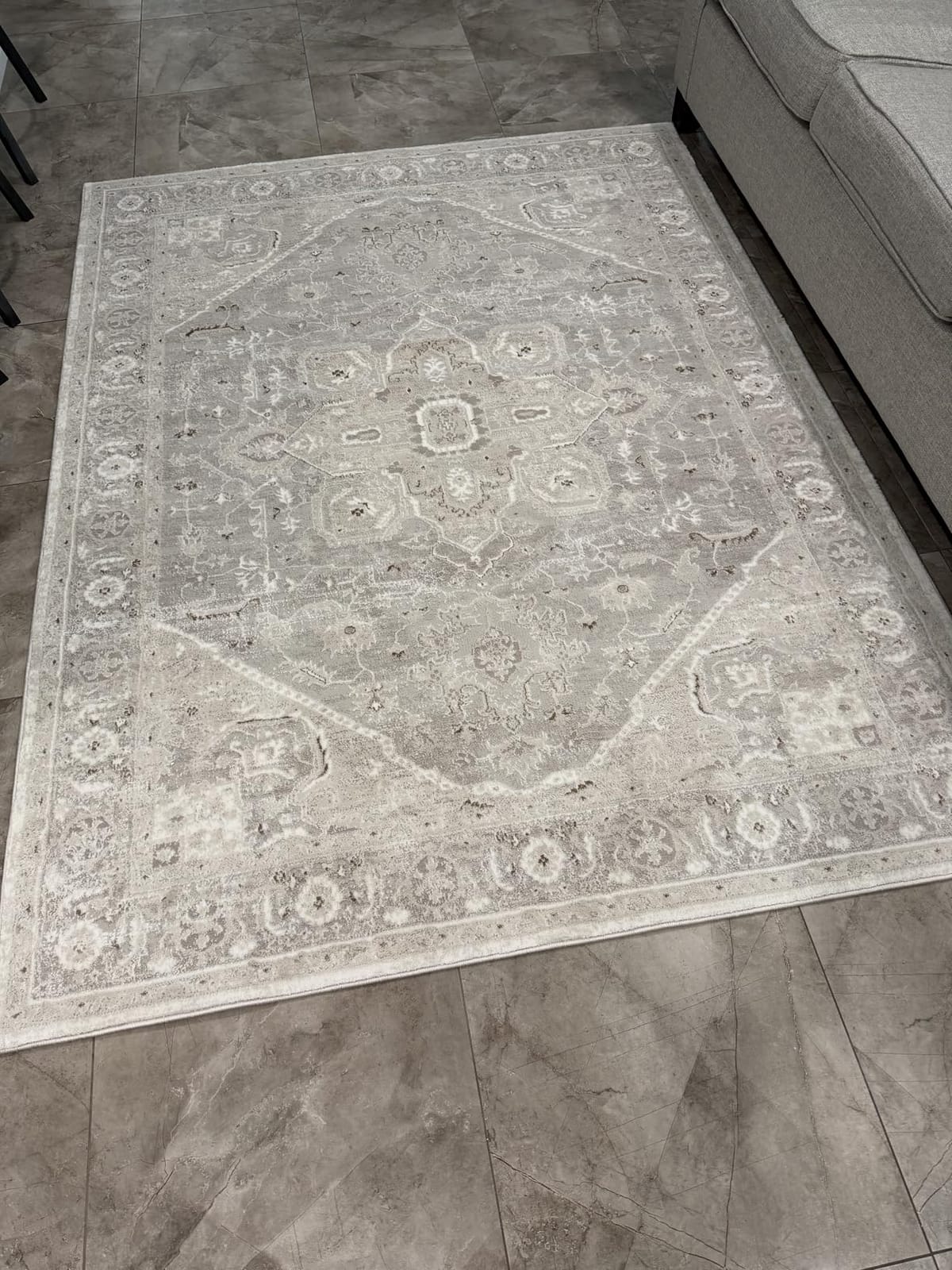
Two cautions. First, the same TPR note applies here as with the BALEINE pad: this is a synthetic thermoplastic rather than natural rubber or latex, and on a warm floor that is a chemistry you should be comfortable with, particularly over a refinished floor. Second, the pad tends to arrive slightly larger than its label, so trim it before it goes down.
The 4.6 star average comes from 159 ratings, and the review data itself notes that long-term durability reports are sparse. Treat it as a well-regarded newer listing rather than a proven one.
Check your slab moisture situation if this is a basement
A water-resistant felt layer stops spills, but it is not a vapor barrier and it does not solve condensation. If your basement slab is below grade, deal with slab moisture first, then use a pad like this on top. Our guide to radiant panel heaters for basements covers the heating side of that room.
Thinner options are listed too, but stay at 1/8 inch or under over a heating zone. The thicker versions in this family would add more resistance than you want.
Skip this pick if a delicate floor finish is your priority
If your heated floor is a refinished or freshly sealed hardwood, pick a natural rubber backing instead. Synthetic thermoplastic has a less documented long-term record against those finishes, and heat keeps the contact point warm year round.
For a tiled basement, a sealed concrete slab or a laminate floor, the tradeoff is much smaller, and the spill protection is genuinely useful in a space with pets or kids.
10. RUGPADUSA Nature’s Grip 2×3 — Best Eco Pick for Heated Floors
RUGPADUSA – Nature’s Grip – 2’x3′ – 1/16″ Thick – Rubber and Jute – Eco-Friendly Non-Slip Rug Pad – Safe for Your Floors and Your Family, Many Custom Sizes
1/16 inch ultra low
Jute and natural rubber
2 x 3 ft
Bio-based materials
Pros
- Fully bio-based jute and natural rubber
- Low-VOC with no off-gassing concerns
- 1/16 inch profile is flat and low
- Grip holds heavy rugs and resists pets
Cons
- Sheds small fibres on arrival
- Some units need airing out
- Packaging is heavy and oversized
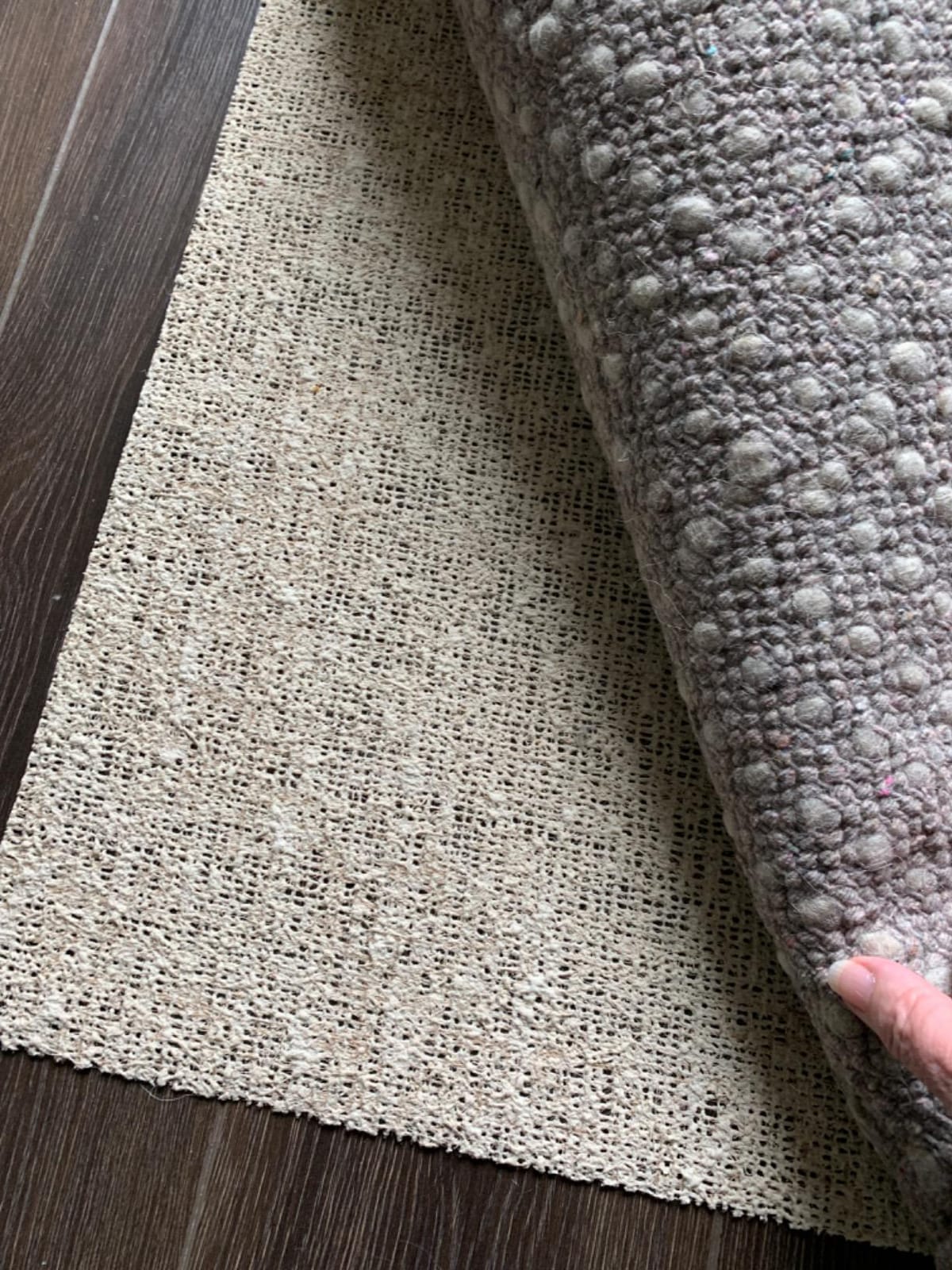
If chemical sensitivity is your main concern over a heated floor, this is the clearest choice. Jute fibers with a natural rubber coating, fully bio-based, described as low-VOC with no off-gassing concerns for sensitive occupants. There is no plasticizer in the construction and nothing in the material list that heats up and releases fumes.
At 1/16 inch, listed at 0.06 inches, it is one of the two flattest pads here. Over a radiant floor that is a feature, because the assembly adds close to nothing to the floor surface temperature.
Buyers who were specifically looking for a non-toxic pad rate grip on real wood floors as excellent, and several note the size range as a genuine differentiator because it includes round and hard-to-find dimensions such as a 5-foot round.
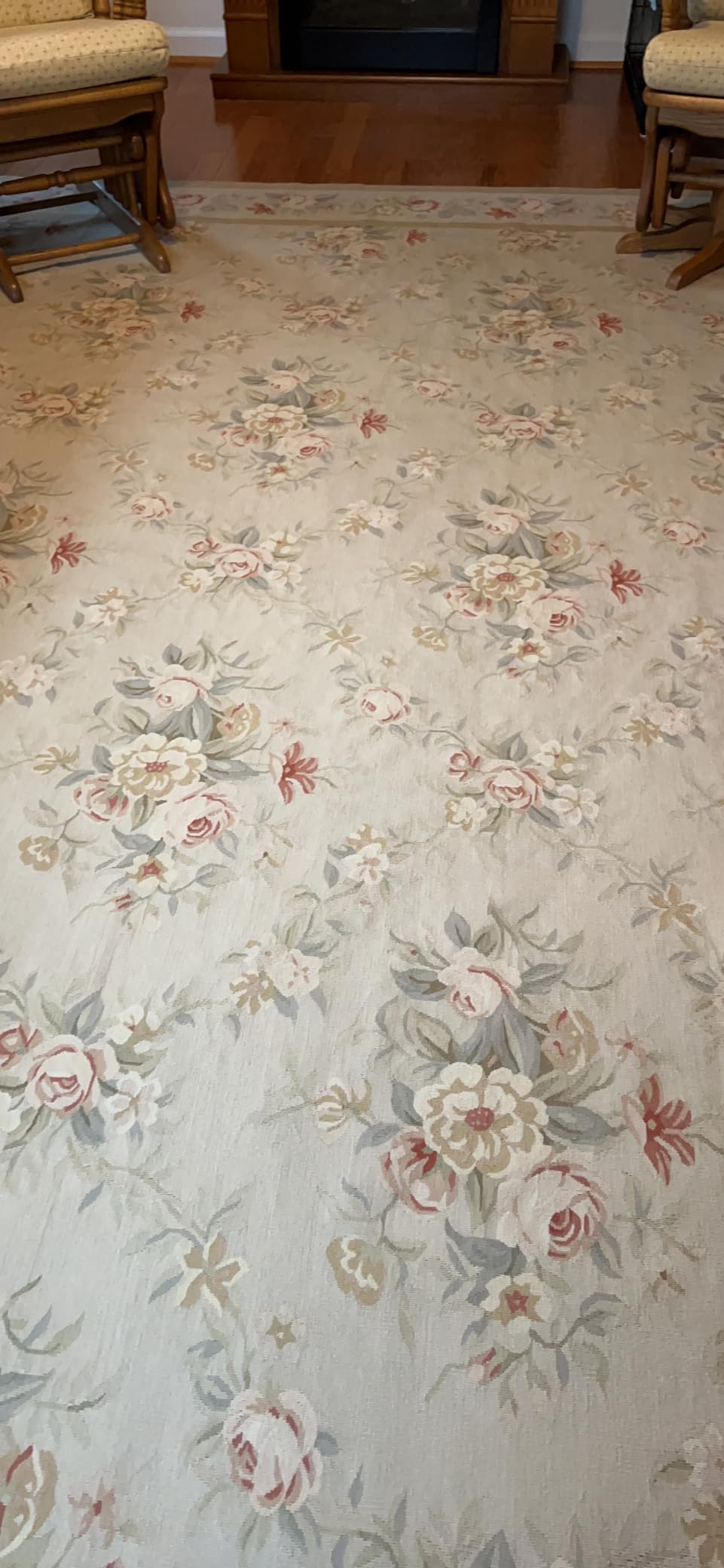
Small practical notes. Jute construction sheds a few fibers on arrival, so shake it out and vacuum before it goes down. Some units arrive with a slight smell that needs airing. A minority of buyers report grip that did not match expectations on their specific floor surface, and the packaging is a large box full of heavy paper and plastic.
The grip is reported strong enough to hold heavy rugs and resist vigorous pets, and it flattens carpet waves under a runner, which is a genuinely useful trick in a hallway on a heating loop.
Check the size range if you have an unusual rug shape
This is the pick when your rug is a round or an odd dimension and standard rectangles do not help. That, plus the bio-based material, is the whole case for it. A 5-foot round pad in a heated entryway is a situation where most of this category simply does not have an answer.
It cuts easily with scissors for custom sizing, so you can also buy a larger size and trim down to a shape.
Skip this pick if low-VOC is not your priority
At 1/16 inch, this pad offers very little cushioning, and the 2×3 size in this listing is small. If you want a soft underfoot feel and do not have a chemical sensitivity concern, a 1/8 inch felt-and-rubber pad serves you better.
What you give up in cushioning you get back in floor temperature evenness and in freedom from concern about what a warm floor is doing to the pad chemistry underneath it.
How to Choose a Rug Pad for Radiant Heat: 6 Steps
No pad carries a radiant-heat certification from a major manufacturer, so you have to qualify it yourself. These six checks take about five minutes and will rule out most of the category.
Read the material line, not the marketing. You want felt, natural rubber, jute or a combination. Any mention of PVC, vinyl, polyurethane foam, latex-backed mesh or synthetic rubber with plasticizer is an automatic disqualifier over a heated floor.
Measure the thickness and cap it at about 1/4 inch. Everything in this roundup is 1/16 or 1/8 inch. That is deliberate. Thicker is not better over radiant heat, it is simply more insulation between the loop and the room.
Confirm the pad grips rather than bonds. Natural rubber holds by friction. A pad that bonds chemically to a finish is the classic cause of a yellow or brown stain, and a warm floor makes that failure more likely, not less.
Size the pad one to two inches inside the rug on all four sides. An exposed pad edge both looks wrong and gives the rug a place to catch and curl.
Decide if you need a moisture barrier. Basements, concrete slabs, pets and small children all push you toward a water-resistant felt layer. Dry, conditioned rooms on the main floor do not need one, and a breathable pad works fine.
Check the floor, not just the pad. The subfloor under engineered wood should be at or below 12 percent moisture content, and the floor should be clean and dry before the pad goes down. A dusty or damp floor defeats any grip surface.
Thickness and Thermal Resistance: Why Thicker Is Not Better Over Radiant Heat
Thermal resistance, often written as an R-value, is a simple idea: it measures how much a material resists heat flowing through it. A radiant floor works by pushing heat upward through the assembly, so every layer you add on top adds resistance to that path. Nothing about that is dangerous. It just means less of your heat reaches the room.
Over a bare heated floor, the thermostat compensates by running the system harder or longer. You pay for that in energy. Under a rug and pad, the covered patch of floor also runs cooler than the uncovered floor beside it, and that temperature difference across a single room is the part that can stress a flooring product.
So the thickness question has an inverted answer over radiant heat. On a cold floor, thicker means more comfort. Over a heating loop, thicker means more insulation and a more uneven surface temperature, which is why every pick in this roundup is 1/16 inch or 1/8 inch and why we set the ceiling at roughly 1/4 inch.
The trade-off is real and worth stating plainly: a rug and pad over a heated floor reduce the surface temperature of the room a little, and the system works a little harder to compensate. A 1/8 inch breathable pad is a small price for keeping that reduction modest and keeping the temperature even.
Hydronic vs Electric Radiant: How Pad Choice Differs
A water-based hydronic system circulates hot water through loops buried in the slab or in a thin panel. Floor surface temperatures typically sit in the upper 70s to low 80s Fahrenheit. That is a warm floor, not a hot one, and it is well within the tolerance of every felt and natural rubber pad in this roundup.
An electric radiant mat or film system heats a resistance element bonded to the floor and runs under a thermostat that usually keeps the surface in a similar range. The practical difference for pad selection is the cycle pattern. Electric systems tend to heat and cool in shorter cycles under thermostat control, and a pad that traps moisture keeps that moisture through more of those cycles.
There is a second difference. Hydronic loops are usually embedded in a slab, so the floor above them is concrete or thick screed and can absorb and hold moisture. Electric retrofits sit on top of an existing floor, which usually means less thermal mass and a faster response to any pad you choose.
Either way, the selection criteria are identical: breathable material, low profile, friction grip, and a subfloor that is dry and at or below 12 percent moisture content. If your system runs to a manufacturer-specified maximum surface temperature, check that number against the pad material before you buy.
Basements, Concrete Slabs and Condensation
A basement with a heated slab has two problems at once: liquid coming from above and moisture coming from below. A water-resistant felt pad handles the first. Only a properly engineered floor assembly handles the second, and a rug pad is not part of that solution.
Below-grade concrete needs a vapor barrier rated for the situation, typically a 6 mil class membrane, and the flooring manufacturer should confirm the subfloor is at or below 12 percent moisture content before anything goes down. A rug pad on top of a damp slab will trap what is already there.
For the pad itself in a basement, pick a water-resistant felt with a textured backing. The Warmstar in this roundup is the direct example, and it is worth accepting a synthetic backing in a basement in exchange for the spill protection, since a tiled or sealed slab is far more forgiving of long-term contact than a refinished wood floor.
Check the underside of a lifted corner twice a year in heating season. If you find condensation forming between the pad and the slab, the problem is the slab, not the pad.
What to Avoid Over a Radiant Heated Floor
Four material types have no place on a heated floor, and it is worth being specific about each failure mode rather than just calling them unsuitable.
PVC and vinyl pads. The plasticizer in PVC is the specific problem. Sustained warmth accelerates its release, and the plasticizer is what migrates into hardwood and laminate finishes and causes the permanent yellow or brown staining that makes people think the pad melted into the floor.
Polyurethane and memory foam pads. These are closed-cell structures that genuinely insulate. They also compress within a year under furniture, then crumble, and the crumbs trap moisture against a warm floor.
Synthetic rubber with unknown composition. Not all synthetic rubber is PVC, but a backing with no disclosed material and no documentation about finish compatibility is not something to put on a floor that stays warm year round.
Pads thicker than about 1/4 inch. Not dangerous, but they work against the heating system you are paying to run, and they create a warmer patch under the rug than beside it.
One more category to be careful with is the rug itself. Jute-backed rugs, latex-backed rugs and very high-pile wool rugs all carry their own problems over heat, and a low-pile flatweave in a breathable fiber is the safer rug pairing for a heated floor.
Zoned Radiant Systems: Where Rugs and Pads Belong
On a zoned system, the rooms where rugs are most welcome are the ones you are least likely to heat hard. A bedroom on a low-temperature zone, a hallway on a modest loop, or a room where the thermostat is set back most of the day will barely notice a rug and a thin pad.
Rooms to be careful with are the ones you want to feel warm quickly: a bathroom, a small entry with a tight loop spacing, or any room where the thermostat is turned up and the system is sized to deliver heat quickly. There, the covered area will lag noticeably behind the bare floor and the thermostat will simply run longer.
A practical rule: if the rug covers more than about a third of the heated area in a room, treat that room as a lower-temperature zone. If it covers more than half, the room will feel uneven and the system will work harder than it needs to.
The exception worth knowing is a large area rug that covers a room with a loop that runs under it. A single 9×12 in a large room changes the heat pattern very little. It is small rugs scattered across a tight loop that create the unevenness.
Door Clearance, Lifespan and When to Replace a Pad
Door clearance is the constraint people discover too late. The safe order of operations is: measure the gap with the rug down, then decide the pad. A 1/16 inch pad preserves the gap, 1/8 inch usually still clears, and anything thicker needs a door that lifts or stops short.
The standard sizing rule is simple and worth following exactly. Trim the pad to one or two inches inside the rug on every side. A pad that peeks out looks wrong, and a pad that is more than two inches undersized lets the rug edge curl and wear through faster than it should.
On lifespan, an 8 to 15 year range is normal for a quality felt and natural rubber pad, and radiant heat shortens it somewhat. Heat makes the rubber more pliable and the felt drier, and a pad in a warm room will reach the end of its useful life before a pad in a cool closet. Watch for these signs instead of the calendar.
Signs it is time to replace: visible crumbling or shedding at the edges, a rubber face that has hardened and lost its grip, compression marks that no longer spring back, or a pad that has started moving with the rug as a single unit.
There is no reason to remove a rug and pad seasonally on a heated floor. If anything, leaving a breathable pad in place protects the floor finish from grit and furniture abrasion year round. Our picks on heated mattress pads for cold sleepers cover the personal comfort side of staying warm, which pairs well with keeping the floor doing the work instead.
Frequently Asked Questions
Can I put a rug on radiant heated floors?
Yes. A rug and a rug pad both belong on a radiant heated floor, provided the pad is breathable felt, natural rubber or jute, contains no PVC or foam, and is no thicker than about 1/4 inch. All ten picks in this roundup are 1/16 or 1/8 inch, which keeps floor surface temperature even under the rug.
How thick should a rug pad be over radiant heat?
About 1/4 inch is the ceiling, and 1/8 inch or thinner is better. Thicker pads add thermal resistance to the floor assembly, so the covered patch of floor runs cooler than the floor beside it, the system works harder, and that temperature difference can stress hardwood, laminate or tile over time.
What type of rug pad material is best for radiant heat?
Breathable felt, natural rubber, jute, or a felt and natural rubber combination. These materials grip by friction rather than bonding to the floor finish, and they add very little resistance to heat flow. Avoid PVC, vinyl, polyurethane foam and synthetic rubber with plasticizers entirely.
Are PVC rug pads safe on radiant heated floors?
No. The plasticizer in PVC is the specific issue. Sustained warmth accelerates its release, and plasticizer that migrates into hardwood or laminate leaves a permanent yellow or brown stain that does not come out. This is the single most damaging pad type on a heated floor.
What rugs are not suitable for underfloor heating?
Jute-backed and latex-backed rugs are poor choices because the backing itself traps heat and moisture. Very high-pile rugs and thick wool rugs add more resistance than a heated floor needs. A low-pile flatweave, kilim or thin wool rug in a breathable fiber pairs best with a thin pad.
What is the best floor covering for heated floors?
Tile and stone conduct heat best and tolerate it well. Engineered hardwood and laminate work if the subfloor is at or below 12 percent moisture content. Luxury vinyl plank runs warmer at the surface and needs more care. Area rugs are fine, but wall-to-wall carpet over radiant needs a carpet-to-carpet pad rather than an area rug pad.
What type of underlayment is best for a radiant heat floor?
Follow your flooring manufacturer rather than choosing by feel. Underlayment is a required structural or moisture layer installed under the flooring itself, while a rug pad is an optional layer for grip and cushion. Never remove the manufacturer underlayment, and do not substitute a rug pad for it.
Do rug pads block or reduce radiant floor heat?
A breathable felt, natural rubber or jute pad at 1/8 inch or thinner has a small effect. A dense foam or vinyl pad is genuinely insulating, cuts heat output to the room, and forces the thermostat to run the system longer. The room feels uneven rather than cold, which is why the material matters more than the thickness.
Final Verdict for Radiant Heated Floors in 2026
You can absolutely put a rug on a radiant heated floor. The condition is the pad, and the condition is simple: breathable material, low profile, and friction grip rather than chemical bonding. Pick from felt, natural rubber and jute construction, stay at 1/8 inch or thinner, and never use PVC, vinyl or foam.
Our winner for 2026 is the RUGPADUSA Dual Surface 8×10, on 13,100 ratings and a low-VOC recycled felt and rubber build that adds almost nothing to the floor assembly. For the most thermally transparent option, take the Slip-Stop open-weave natural rubber grid. For a tight door gap, the 1/16 inch RugPro. For a basement or a pet spill zone, the water-resistant Warmstar. For chemical sensitivity, the jute and natural rubber Nature’s Grip.
Two things will protect your floor more than any pad. Measure your door clearance before you buy anything, and cut the pad to sit one to two inches inside the rug on all four sides. Both take five minutes and neither is optional.