
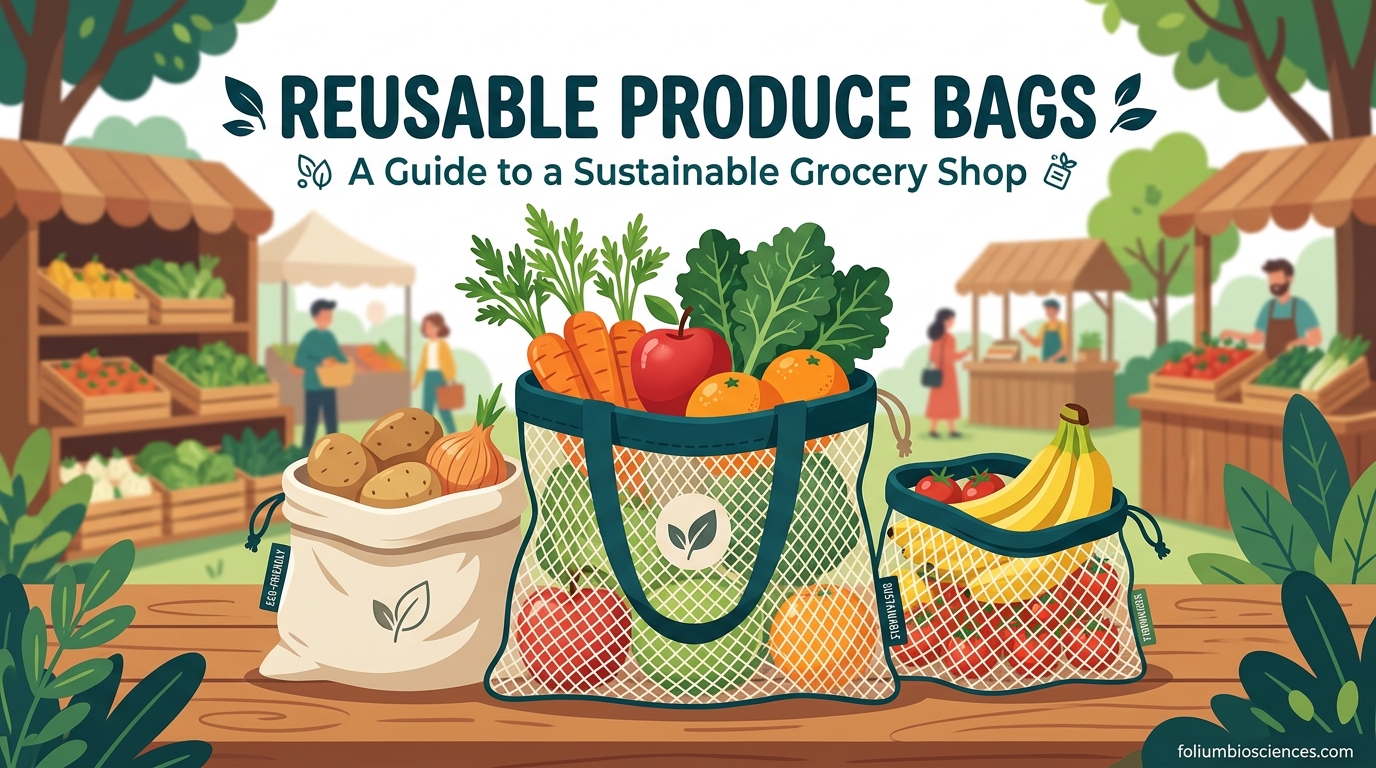
If you have ever stood in the produce aisle juggling flimsy plastic bags, you already know the system is broken. Those thin single-use bags tear before you reach the checkout, cost money in some stores, and almost never get recycled. Reusable produce bags are the obvious fix, but picking the right material is where most people get stuck.
Mesh, cotton muslin, and net bags each have real strengths and genuine weaknesses. One type lets cashiers see your avocados without opening the bag. Another keeps leafy greens crisp in the fridge for days longer. A third stretches to hold an absurd amount of citrus on farmers market day.
I have spent months researching what real users say about each type, digging through forum discussions, long-term testing reports, and hands-on reviews. This guide breaks down exactly how mesh, cotton muslin, and net reusable produce bags compare on durability, practicality, and environmental impact, so you can stop guessing and start buying the right bag for how you actually shop.
Table of Contents
What Are Reusable Produce Bags (And Why the Material Matters)
Reusable produce bags are washable fabric bags designed to replace single-use plastic bags for carrying fruits, vegetables, and bulk items at the grocery store or farmers market. They work just like the plastic ones, except you toss them in the wash instead of the trash after each use.
The material you choose changes everything about how the bag performs. A polyester mesh bag behaves completely differently from an organic cotton muslin bag or a cotton net tote. Breathability, weight, durability, visibility, and even how long your vegetables stay fresh all depend on the fabric.
Here is the short version of the three main types. Mesh bags use a tight woven or knitted synthetic or recycled polyester fabric with tiny holes. Cotton muslin bags use a plain-woven natural cotton fabric that is soft and opaque. Net bags use an open-knit construction, often organic cotton or hemp, with larger holes and natural stretch. Each one fills a different niche in a zero-waste kitchen.
Mesh Produce Bags: Lightweight and See-Through
Mesh produce bags are usually made from polyester mesh or recycled PET, often called rPET. The fabric has a tight grid of tiny holes that lets air flow freely while still containing small items like grapes, snap peas, and radishes. Most mesh bags close with a drawstring, sometimes with a metal toggle.
The biggest advantage of mesh is visibility. Checkout staff can see exactly what is inside without opening the bag, which speeds up your grocery trip and avoids the awkward unpack-repack dance. Forum users on r/ZeroWaste consistently mention this as their top reason for reaching for mesh first.
Weight is another strong point. Mesh bags are extremely light, often weighing just a few grams, which means the tare weight barely affects your total at checkout. One Reddit user compared mesh bag weight to a standard plastic produce bag and found the difference negligible.
Durability is solid for everyday grocery use. The synthetic fibers resist tearing and stretching out of shape. In one long-term test over 12 months of regular use, mesh bags held up with no seam failures and no visible wear beyond minor softening of the fabric.
Breathability is excellent thanks to the open grid structure. Air circulates freely around your produce, which is great for items that do not need humidity, like onions, garlic, and citrus fruits. However, leafy greens can dry out faster in mesh bags stored in the fridge compared to cotton alternatives.
Mesh bags do have limitations. The holes are too large for fine powders like flour or grains. Small items like chia seeds or quinoa will slip right through. They also are not ideal if you want to block light from sensitive produce in the fridge.
Mesh bags are machine washable and dry fast, usually within an hour on a clothesline. This quick-dry property makes them convenient for frequent use.
Best for: Grocery store produce runs, items that need visibility at checkout, onions, garlic, citrus, bulk nuts, and produce that benefits from airflow.
Cotton Muslin Produce Bags: Soft, Breathable, and Plastic-Free
Cotton muslin produce bags are made from plain-woven cotton, often organic. The fabric is soft, slightly opaque, and has a gentle drape that wraps around produce without bruising. GSM, or grams per square meter, is the standard measurement for muslin thickness, with most produce bags falling in the 80 to 120 GSM range.
The standout feature of cotton muslin is freshness retention. Because the fabric is breathable but not fully transparent, it keeps humidity in while still allowing airflow. Reddit users in the zero-waste community confirm that leafy greens like kale, spinach, and lettuce stay crisp noticeably longer in muslin bags compared to mesh or plastic. One user summed it up: cotton bags keep light out, maintain humidity, and let things breathe, so yes, they really do help.
Durability is decent but requires some attention. The cotton fibers soften with repeated washing, and some users report needing to re-sew seams after extended use. A 12-month test found that cotton muslin bags remained functional but showed more visible wear than synthetic mesh. Shrinkage is also a factor, as cotton can shrink 5 to 10 percent in hot water, so air drying is recommended.
Visibility is limited with cotton muslin. Cashiers often need to open the bag to identify contents, which slows down checkout. Some users mention that their spouses or partners find this frustrating enough to avoid using muslin bags altogether.
Weight is higher than mesh but still reasonable. A standard medium cotton muslin bag weighs roughly 20 to 40 grams, which can add up if you use many bags in a single trip. Some users report feeling like they are paying for the bag weight at checkout when using cotton muslin with dense produce.
Where cotton muslin truly shines beyond produce is versatility. These bags work for flour storage, nut milk straining, covering dough while it rises, and even as delicate laundry bags. The tight weave contains fine powders that mesh and net bags cannot hold.
Cotton muslin bags are 100 percent plastic-free and fully compostable at the end of their life. You can toss a worn-out organic cotton muslin bag straight into your compost bin, where it will break down naturally.
Best for: Leafy greens and fridge storage, flour and fine grains, nut milk straining, produce that benefits from humidity, and anyone prioritizing plastic-free materials.
Net Produce Bags: Strong Stretch and Classic Look
Net produce bags are the ones that look like the classic string bags your grandmother might have used. They feature an open-knit construction with larger holes than mesh, usually made from organic cotton, hemp, or sometimes recycled fibers. The key difference between net and mesh is the hole size and the stretch.
Net bags have natural give. They stretch to accommodate bulky or odd-shaped items, and some cotton net totes can hold up to 40 pounds. This makes them the go-to choice for heavy items like potatoes, large quantities of citrus, or a whole haul from the farmers market in a single bag.
Breathability is the highest of all three types because the open knit allows maximum airflow. This is ideal for produce that rots in enclosed spaces, such as onions, garlic, potatoes, and hardy fruits. It is not ideal for items that need moisture retention.
Visibility is partial. You can see colors and shapes through the net, but identifying exact varieties is harder than with mesh. Cashiers may still need a quick peek inside.
Durability depends heavily on the material and construction. Organic cotton net bags are sturdy but can develop holes in the knit over time, especially if snagged on sharp items. Hemp net bags tend to be more abrasion-resistant. The stretchy nature of the knit means the bags can lose their shape slightly after heavy use, but they usually spring back after washing.
One practical concern unique to net bags is that small items can slip through the larger openings. Cherry tomatoes, green beans, and small berries will fall right through the holes. You need to pair net bags with the right produce or use a smaller-mesh bag for tiny items.
Net bags made from organic cotton or hemp are fully compostable at end of life, just like cotton muslin. Synthetic net bags exist too and are recyclable but not compostable.
Best for: Farmers market hauls, citrus, onions, potatoes, bulky items, heavy loads, and anyone who loves the classic European market bag look.
Durability Face-Off: Mesh vs Cotton Muslin vs Net
Let us get straight to the question that matters most: which bag type actually holds up over time? I looked at long-term testing data, forum reports, and manufacturer claims to build this comparison.
Seam strength: Mesh bags win here. The synthetic fibers and tight construction resist seam failure even after hundreds of wash cycles. Cotton muslin bags are the most prone to seam issues, with several long-term testers reporting the need to re-sew seams after 6 to 12 months. Net bags fall somewhere in the middle, as the open knit construction puts less stress on individual seams.
Wash durability: Mesh bags handle machine washing and drying without any change in shape or size. Cotton muslin bags need gentler care, as hot water causes shrinkage and aggressive tumbling weakens the weave. Net bags do well on a gentle cycle but can snag on zippers or hooks from other laundry.
Lifespan expectations: Based on aggregated user reports, polyester mesh bags typically last 2 to 5 years with regular use. Organic cotton muslin bags last 1 to 3 years before showing significant wear or requiring repairs. Organic cotton net bags last 1.5 to 3 years, with hemp versions trending toward the longer end of that range.
Stretch and deformation: Net bags stretch the most but mostly recover their shape. Mesh bags have minimal stretch. Cotton muslin bags can become slightly misshapen over time, especially if washed in hot water and machine dried.
Repair potential: All three types can be repaired with basic sewing skills. Cotton muslin seam repairs are the most straightforward. Net bag hole repairs require matching the knit pattern, which takes more effort. Mesh bag repairs are the least common because the material rarely fails.
Real users from the r/ZeroWaste community confirm that a mix of all three types works best for long-term durability. You use the right bag for the right job rather than forcing one type to do everything, and the whole set lasts years longer.
Environmental Impact: Which Bag Is Actually Better for the Planet?
The whole point of switching to reusable produce bags is reducing waste, but the environmental math is more nuanced than most people realize. Each material has a different footprint.
Cotton muslin and organic cotton net bags are the clear winners at end of life. Both are fully compostable, breaking down in a home compost bin within a few months. Organic cotton farming does use significant water and land resources, but the bags are reusable for years and leave zero waste behind.
Mesh bags made from recycled PET, or rPET, divert plastic bottles from landfills and give them a second life. The catch is that rPET mesh bags are not compostable. At end of life, they need to go through textile recycling programs, which are not available everywhere. If they end up in a landfill, they persist like any other synthetic fabric.
The number of uses needed to offset the environmental cost of production varies. Cotton bags generally require more uses to break even because cotton farming is resource-intensive. Estimates suggest organic cotton produce bags need to be used 50 to 100 times to offset their production impact compared to single-use plastic. Mesh rPET bags need roughly 30 to 50 uses. Since all three types last for hundreds of uses with proper care, they all clear the break-even point comfortably.
Social production values also matter to many zero-waste shoppers. Some bag producers employ disabled workers, support local manufacturing, or operate as social enterprises. Reddit users specifically called out brands that manufacture locally and provide fair-wage employment as a factor in their purchasing decisions.
How to Care for Each Type of Reusable Produce Bag
Proper care makes the difference between a bag that lasts one year and one that lasts five. Here is exactly how to handle each type.
Mesh bags (polyester or rPET): Toss them in the washing machine on any temperature cycle. They dry fast, usually within an hour on a line or in a few minutes on low heat in the dryer. No special treatment needed. The synthetic fibers resist shrinking, wrinkling, and most stains.
Cotton muslin bags: Wash on cold or warm, never hot, to prevent shrinkage. Air dry for best results. If you must use a dryer, use the lowest heat setting. Stains from berry juice or turmeric can be pre-treated with a baking soda paste. Some users recommend soaking muslin bags in a vinegar solution every few months to remove buildup and odors.
Net bags (cotton or hemp): Hand washing is ideal to prevent snagging. If you machine wash, put them in a larger laundry bag first to protect the open knit from catching on zippers and hooks. Air dry only. Hemp net bags are more forgiving than cotton net bags and resist mold better.
Repair tips: For any bag type, a simple needle and thread can reinforce a failing seam in under five minutes. For net bags with a hole in the knit, use a crochet hook to close the gap. For muslin bags with thinning fabric, consider patching with a scrap of cotton fabric before the hole gets too large.
Storage: Store all bags clean and dry to prevent mold. Stuffing damp bags into a drawer is the fastest way to ruin them. A simple hook or carabiner clipped inside your main shopping tote keeps them organized and ready for the next trip.
Which Reusable Produce Bag Should You Choose?
There is no single winner because each type solves a different problem. Here is how to decide based on how you actually shop and store food.
If you mostly shop at regular grocery stores where cashiers need to see your produce, mesh bags are your everyday workhorse. They are light, fast-drying, and almost never wear out.
If you store a lot of produce in the fridge and want leafy greens to last, cotton muslin bags are your best bet. The breathable fabric keeps humidity in while allowing airflow, which extends freshness by days.
If you hit the farmers market regularly and buy in volume, net bags are the heavy lifters. They stretch to hold massive loads and breathe well for items that hate enclosed spaces.
The best approach, recommended by nearly every experienced zero-waste shopper I found in forum discussions, is to own a mix. Keep mesh bags for everyday grocery runs, cotton muslin bags for fridge storage, and one or two net bags for bulky farmers market finds. This way each bag does what it does best, and the whole set lasts for years.
Start with whichever type matches your most common shopping habit. You can always add more varieties later once you figure out what works for your routine.
FAQ
What is the best fabric for reusable produce bags?
Organic cotton muslin is the best all-around fabric for reusable produce bags because it is breathable, keeps produce fresh longer in the fridge, and is fully compostable at end of life. Polyester mesh is the best choice if you prioritize checkout visibility and long-term durability, while organic cotton or hemp net bags are ideal for heavy or bulky items.
Are mesh produce bags worth it?
Yes, mesh produce bags are worth it for most shoppers. They are extremely lightweight so tare weight is negligible, they let cashiers see contents without opening the bag, they dry fast after washing, and they typically last 2 to 5 years with regular use. They work especially well for fruits, vegetables, and bulk items that need airflow.
What is the best material for reusable shopping bags?
The best material depends on your priorities. Organic cotton muslin is best for freshness and compostability. Recycled PET mesh is best for durability and visibility. Hemp or cotton net is best for heavy loads and maximum breathability. Most experienced zero-waste shoppers use a mix of all three types.
What is the safest reusable food storage bag?
Organic cotton muslin bags are generally considered the safest reusable food storage bags because they are made from natural fibers without chemical coatings, they are 100 percent plastic-free, and they are unbleached in most cases. They do not leach any synthetic chemicals into food and are fully compostable when they eventually wear out.
The Bottom Line on Reusable Produce Bags
Mesh, cotton muslin, and net reusable produce bags each have a clear role in a zero-waste kitchen. Mesh wins on convenience and checkout speed. Cotton muslin wins on freshness and compostability. Net wins on capacity and airflow for heavy items.
Start with the type that fits your biggest shopping habit, whether that is a weekly grocery run or a Saturday farmers market trip. Add other types as you learn what works for your routine. The real win is simply making the switch from single-use plastic to any reusable produce bag, because every single one of them is better than the alternative.